
Are you looking to add some vibrant energy to your backyard flock or small farm? Look no further than the iconic Rhode Island Red chicken breed! For over a century, this stunning bird has been a favorite among poultry enthusiasts and farmers alike. But what makes them so special? In this article, we’ll delve into the rich history of the Rhode Island Red, exploring their unique characteristics that make them an excellent choice for any small-scale farm or backyard flock.
We’ll cover everything from their striking appearance to their exceptional egg-laying abilities, as well as provide expert tips on how to care for these lovely birds. Whether you’re a seasoned farmer or just starting out with your first flock, we’ll give you the lowdown on why Rhode Island Reds are an excellent addition to any poultry operation.
History and Origin of Rhode Island Reds
The story of the Rhode Island Red began over a century ago, when William Tripp’s original crossbreed changed the face of chicken farming forever. Let’s dive into how this beloved breed came to be.
Early Development in the United States
In the late 19th century, New England was abuzz with poultry innovation. It’s here that the Rhode Island Red breed began to take shape. Developed in the 1890s by cross-breeding various birds from different farms across the region, the Rhode Island Red quickly gained popularity for its rich brown eggs and friendly disposition.
One of the key figures behind this development was William Tripp, a poultry enthusiast who experimented with various combinations of breeds, including the Brown Leghorn, the Cochin China, and the Dominique. His work paid off in 1892 when he presented his first batch of Rhode Island Reds at the annual exhibition of the New England Association of Farmers’ Clubs.
These early birds were bred for their ability to thrive in the harsh New England climate, with its cold winters and hot summers. Breeders sought out chickens that could produce an abundance of high-quality eggs while remaining resistant to disease. The result was a hardy bird with a deep red plumage and a docile temperament, characteristics that have made the Rhode Island Red a beloved breed among backyard chicken keepers for generations.
Founding Stock and Breeders
The founding of the Rhode Island Red breed can be attributed to William Tripp and Rev. Dr. A.R. Marston, two pioneering poultry enthusiasts from Rhode Island who were instrumental in developing this iconic bird. In 1844, Tripp’s “Red Cap” chicken caught the attention of the local community due to its exceptional egg-laying abilities and striking appearance. Recognizing the breed’s potential, Marston began breeding and selecting for specific traits that would make it a top performer in both production and conformation.
Marston’s tireless efforts led to the creation of the “Rhode Island Red” strain, which was officially recognized by the American Poultry Association (APA) in 1899. Tripp and Marston’s innovative breeding program laid the foundation for this beloved breed, emphasizing hardiness, fertility, and adaptability – qualities that have become synonymous with Rhode Island Reds.
Today, if you’re interested in starting a flock of your own, it’s essential to select reputable breeder stock from established programs like those developed by Marston and Tripp. This ensures that your birds inherit the desired traits while maintaining the breed’s integrity. Look for sellers who provide detailed pedigree information, health guarantees, and clear documentation on their breeding methods.
Early Recognition and Standardization
The Rhode Island Red breed’s rise to prominence within the poultry industry was marked by early recognition and standardization. As its popularity grew among farmers and backyard enthusiasts alike, it became essential for a standardized set of characteristics to be established.
In 1904, the American Association for the Advancement of Science (AAAS) officially recognized the Rhode Island Red as a distinct breed. This milestone marked the beginning of concerted efforts to standardize the breed’s physical and behavioral traits. The process involved gathering data on thousands of birds from across the country to create an average set of characteristics that defined what it meant to be a true Rhode Island Red.
By establishing these parameters, the poultry industry achieved several benefits: improved breeding consistency, increased efficiency in production, and enhanced marketability for farmers who raised the breed. This early recognition also paved the way for future advancements in the development of the breed, setting the stage for its widespread adoption by commercial and backyard growers alike.
Physical Characteristics of Rhode Island Reds
When it comes to physical characteristics, Rhode Island Reds are known for their distinctive appearance and impressive size. Let’s take a closer look at what makes them so recognizable.
Size and Weight
When it comes to physical characteristics, one of the most noticeable aspects of Rhode Island Reds is their size and weight. On average, males tend to be slightly larger than females, but both sexes are known for their sturdy build.
A male Rhode Island Red typically weighs between 8-12 pounds (3.6-5.4 kg), with some individuals reaching up to 14 pounds (6.3 kg) or more in ideal conditions. Females, on the other hand, usually weigh between 7-10 pounds (3.2-4.5 kg). While these weights may not seem impressive compared to some other breeds, Rhode Island Reds are known for their compact yet muscular build, which makes them well-suited for small farms and backyard flocks.
It’s worth noting that size can vary depending on factors such as nutrition, genetics, and overall health. To encourage healthy growth in your Rhode Island Red chicks, make sure to provide a balanced diet rich in protein and essential nutrients from an early age. With proper care and attention, these birds will grow into robust and productive adults that thrive in a variety of environments.
Plumage and Coloration
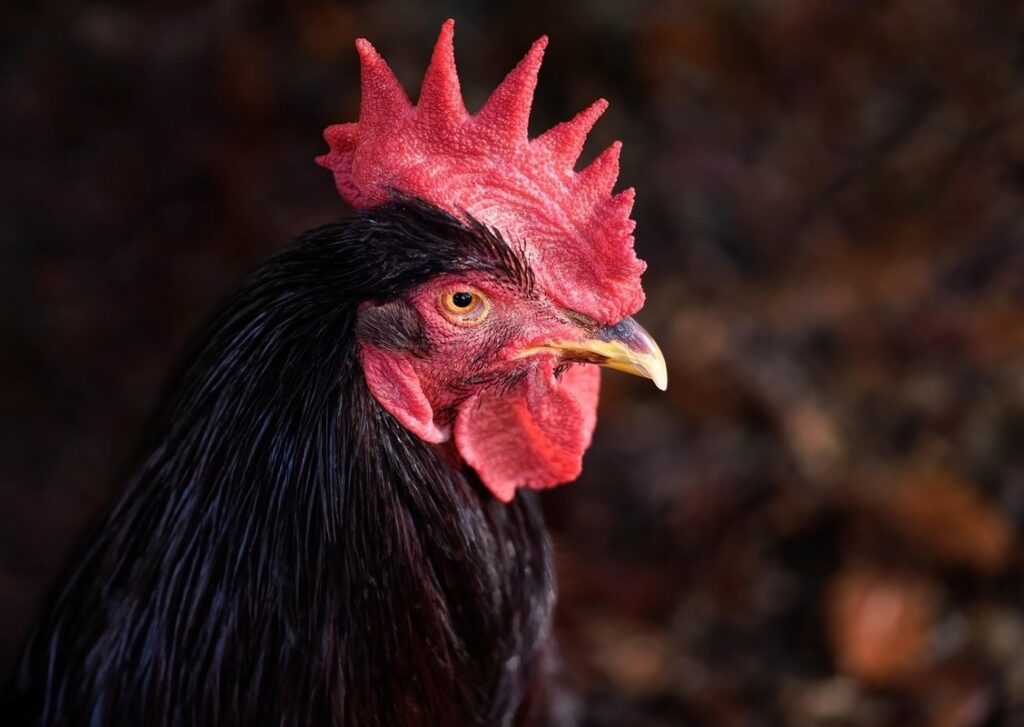
One of the most distinctive and recognizable features of Rhode Island Reds is their vibrant plumage. The breed’s feathers are a deep, rich red color that can range from a fiery orange to a dark burgundy hue. This stunning coloration is due to the unique genetic makeup of the breed, which produces a high concentration of carotenoid pigments in the feathers.
But it’s not just the color that sets Rhode Island Reds apart – their feather pattern is also quite distinctive. The breed has a mix of soft and hard feathers, with the soft feathers having a more relaxed, wavy appearance. This creates a beautiful contrast between the smooth, glossy surface of the hard feathers and the softer, more textured plumage.
When it comes to maintaining your Rhode Island Red’s stunning plumage, there are a few things to keep in mind. First, make sure your bird is getting plenty of fresh air and exercise – this will help to promote healthy feather growth and prevent mites and lice from taking hold. You should also be feeding a high-quality layer feed that includes essential nutrients for maintaining vibrant feathers.
If you notice any unusual coloration or feather loss on your Rhode Island Red, don’t hesitate to consult with a veterinarian or poultry expert – they can help you identify the cause of the problem and recommend the best course of treatment. With proper care and attention, your Rhode Island Red’s plumage will remain healthy and vibrant for years to come.
Beak and Leg Shape
When it comes to their physical characteristics, Rhode Island Reds are easily recognizable due to their distinct beak and leg shape. The breed’s beak is medium-sized, tapering slightly towards the tip, and is a bright orange-red color, matching the distinctive hue of their plumage. This beak shape is well-suited for pecking at grain and other food sources.
One notable feature of Rhode Island Reds’ legs is their medium length, which is sturdy enough to support the bird’s body weight but not so long that they appear gangly. The shanks are a similar shade to the beak, with a hint of orange-red that complements the overall coloration of the breed. While leg shape can vary slightly from one individual Rhode Island Red to another, the overall appearance is one of robustness and well-balanced proportions.
This distinctive combination of beak and leg shape contributes significantly to the breed’s hardiness and agility, making them well-suited for a variety of farming applications and backyard chicken keeping.
Temperament and Personality Traits
When it comes to temperament, Rhode Island Reds are known for their friendly and docile nature, making them a great choice for families with children. They’re also surprisingly outgoing and social birds.
Docile Nature
One of the most endearing qualities of Rhode Island Reds is their docile nature. These birds are known for being friendly and approachable, making them an excellent choice for families with children or for backyard flocks where social interaction among chickens is encouraged.
In fact, many backyard chicken keepers praise Rhode Island Reds for their gentle disposition, often describing them as “sweet” and ” affectionate”. Their calm temperament makes them a joy to have around, and they’re less likely to become aggressive or fearful in the face of new people or situations.
If you’re looking to introduce your Rhode Island Red flock to children or other pets, rest assured that these birds will generally take it in stride. However, as with any chicken breed, it’s essential to socialize them from an early age to ensure they develop good habits and a confident personality. With proper care and attention, your Rhode Island Reds are likely to become beloved members of your family – and vice versa!
Energy Level and Exercise Needs
When it comes to exercise needs and energy levels, Rhode Island Reds are considered a moderate breed. This means they require regular physical activity to stay happy and healthy, but not so much that it’s overwhelming for backyard chicken keepers.
As a general rule of thumb, aim to provide your Rhode Island Red with at least 2-3 hours of daily exercise outside of their coop. This can be achieved through a combination of free-range time in a securely fenced area, supervised playtime in the yard, and regular walks around the farm or garden.
In terms of specific activities, consider incorporating tasks that challenge their natural foraging instincts, such as hiding treats or feeding them puzzle feeders. This mental stimulation will help keep your birds engaged and active throughout the day.
Some examples of exercise routines you can try with your Rhode Island Reds include:
* Morning and afternoon flock walks around the farm
* Setting up a “chicken agility course” in the yard using tunnels, cones, or other obstacles
* Rotating toys and enrichment items to keep things fresh and exciting for your birds
Intelligence and Trainability
One of the most appealing characteristics of Rhode Island Reds is their exceptional intelligence and trainability. As a responsible chicken keeper, you’ll be pleased to know that this breed is highly responsive to commands and can learn various tasks with ease.
Their high cognitive abilities allow them to pick up on subtle cues and adapt quickly to new situations. You can teach your Rhode Island Red chickens to perform tricks, such as coming when called or even retrieving items from a designated area. This trait makes them an excellent choice for backyard flocks, especially if you have children who want to interact with the birds.
To take advantage of their trainability, establish a consistent routine and use positive reinforcement techniques, like offering treats and praise. Start with simple commands and gradually build upon more complex tasks. Remember that every chicken is unique, so be patient and adjust your training approach accordingly. With time and practice, you’ll find that your Rhode Island Reds become highly responsive to your commands, making them a delight to interact with.
Health and Grooming Considerations
When it comes to keeping your Rhode Island Reds happy and healthy, there are a few key health and grooming considerations to keep in mind. Regular care can make all the difference for these beloved birds.
Common Health Issues
As with any chicken breed, Rhode Island Reds can be prone to certain health issues. One of the most common problems affecting RI Reds is egg-related issues. Many owners have reported cases of prolapse, where the hen’s vent tears and the oviduct protrudes. This is often due to excessive laying or poor perching conditions. To prevent this, ensure your girls have adequate roosting space and consider providing a nesting box with soft bedding.
Another issue that can affect RI Reds is parasite infestations. These can lead to anemia, lethargy, and even death if left untreated. Regular cleaning of the coop and run is essential in preventing these issues. Mites, lice, and fleas are all common parasites that can affect your flock. Use a fine-tooth comb to check for external parasites, and treat any infestations promptly.
In addition to egg-related problems and parasite infestations, RI Reds can also be susceptible to respiratory issues such as pneumonia. This is often caused by poor ventilation in the coop or run. Ensure that your Rhode Island Reds have access to fresh air and a clean living environment to reduce the risk of disease.
Grooming Needs and Best Practices
Maintaining your Rhode Island Red’s stunning plumage and overall cleanliness is crucial for their health and well-being. These birds are known for their rich, dark red coloration, but their feathers require regular attention to stay looking their best.
A good rule of thumb is to groom your Rhode Island Reds daily, paying particular attention to the areas around their eyes, beak, and vents. Use a soft-bristled brush or a grooming glove to gently remove dirt and debris from their plumage. Be sure to work slowly and carefully, taking care not to cause any stress or discomfort.
In addition to regular brushing, make sure to provide your birds with access to clean water and food at all times. A dirty coop can quickly lead to health issues, so be sure to clean out the nesting boxes, roosts, and litter regularly. This will help keep your Rhode Island Reds healthy and happy, and their plumage looking its best.
For particularly stubborn mats or tangles, you may need to use a detangling spray specifically designed for chickens. Always follow the manufacturer’s instructions carefully to avoid causing any irritation or harm.
Nutrition and Dietary Requirements
When it comes to meeting the nutritional needs of Rhode Island Reds, you’ll want to focus on providing a balanced and varied diet that includes essential nutrients for optimal health. These birds require a mix of protein-rich foods, complex carbohydrates, and healthy fats to support their growth, energy levels, and overall well-being.
As a general rule, it’s recommended to provide layer feed that contains around 16-18% protein to support egg production. However, if you’re keeping your Rhode Island Reds as pets or for meat production, you may want to consider a starter or grower feed with higher protein content (around 20-22%). You should also supplement their diet with fresh fruits and vegetables daily.
Some nutrient-dense options for your Rhode Island Reds include leafy greens like kale, spinach, and collard greens; vitamin-rich foods such as sweet potatoes and carrots; and calcium-fortified foods to support strong eggshell production. Be sure to introduce new foods gradually and in moderation to prevent digestive upset.
Raising Rhode Island Reds: Tips and Best Practices
When it comes to raising Rhode Island Reds, understanding their unique needs and characteristics is key to a successful flock. Here are some valuable tips for caring for these beloved birds.
Starting with Chicks or Pullets
When introducing young Rhode Island Red chickens into your flock, it’s essential to start with either chicks or pullets. Chicks are newborns that haven’t yet reached maturity, while pullets are younger hens that have already begun to develop their adult plumage.
If you choose to raise chicks from the beginning, you’ll need to vaccinate them against diseases such as Marek’s and Newcastle. This is typically done when they’re around one day old. Be sure to work with a reputable hatchery or supplier who has already provided initial vaccinations.
Alternatively, if you prefer to start with pullets, look for birds that are at least 16 weeks old. At this stage, they’ve already developed their adult feathers and are less susceptible to disease. You can purchase pullets from local breeders or online suppliers.
Acclimating your new Rhode Island Red chickens to the flock will take time, so be patient. Introduce them gradually, allowing them to get used to the existing birds’ sounds, sights, and smells.
Brooding and Housing Requirements
When bringing home Rhode Island Red chicks, it’s essential to provide them with a safe and suitable environment for growth. A well-designed brooder will help your chicks transition smoothly from their initial days to adulthood.
For the first 4-6 weeks, keep the brooder warm by using heat lamps or ceramic heat emitters. The ideal temperature ranges between 90-100°F (32-38°C) for the first week and gradually decrease it by 5°F (3°C) each week until you reach a comfortable ambient temperature of around 70°F (21°C). Ensure adequate ventilation to prevent ammonia buildup, which can harm your chicks.
Rhode Island Reds are known for their hardiness, but they still require specific environmental considerations. Provide ample space in the brooder by allocating about one square foot per chick. Offer a balanced and nutrient-rich starter feed that meets or exceeds National Research Council (NRC) standards. Make sure waterers and feeding troughs are easy to access and cleaned regularly to maintain cleanliness.
By following these guidelines, you’ll be providing your Rhode Island Red chicks with the perfect start in life, setting them up for healthy growth and eventual success as productive laying hens.
Egg Production and Collection
As an Rhode Island Red owner, you’re likely eager to collect those beautiful brown eggs from your girls. But what can you expect in terms of egg production? On average, a healthy Rhode Island Red will lay around 200-220 large eggs per year, which translates to about 5-6 eggs per week.
To ensure efficient collection, consider the following tips: Keep a close eye on your girls’ nesting habits and choose a location for their coop that’s easily accessible. You’ll also want to make sure the nesting boxes are spacious enough (about 2 square feet per hen) and provide adequate ventilation.
When it comes time to collect eggs, try to do so gently but frequently – daily is best. This will help prevent any potential health issues or stress on your hens. Store collected eggs in a cool, dry place to maintain their quality. Some owners also swear by labeling each egg with the date laid and noting any anomalies (like an unusual size or color).
Showing and Breeding Rhode Island Reds
If you’re interested in showing or breeding Rhode Island Reds, you’ll want to know how to choose top-quality birds and what traits to look for in a breeder.
Show Rules and Regulations
When participating in Rhode Island Red shows, it’s essential to familiarize yourself with the breed standards and exhibition requirements. The American Poultry Association (APA) is the governing body for most poultry shows in the United States, and they set strict guidelines for exhibiting Rhode Island Reds.
According to APA standards, Rhode Island Reds must meet specific criteria regarding plumage, beak shape, and leg color. They also have a unique feathering pattern that should be smooth and glossy. Show birds are expected to exhibit excellent overall health, with no signs of disease or stress.
In terms of exhibition requirements, you’ll need to ensure your bird meets the APA’s show ring standards. This includes providing accurate registration information, including bloodline documentation and breed verification. Familiarize yourself with these rules beforehand to avoid any last-minute issues. When preparing for a show, pay close attention to your bird’s appearance, behavior, and overall condition – these factors will greatly impact their chances of winning awards.
Selecting a Breeder or Stud Male
When selecting a breeder or stud male for your Rhode Island Red flock, there are several key factors to consider. Researching reputable breeders is crucial, so start by asking for referrals from experienced chicken keepers, checking online reviews and forums, and verifying breeder credentials through organizations like the American Bantam Association (ABA) or the American Poultry Association (APA).
A good breeder should be transparent about their breeding program, provide health guarantees, and offer support after sale. They should also have a clear understanding of their breed’s history and genetics.
If you’re considering purchasing a stud male, look for one with excellent conformation, temperament, and fertility records. It’s essential to see the sire’s pedigree and ask about his performance in breeding trials. A stud male’s health and genetic diversity are just as important as those of your females, so don’t overlook these factors.
Ultimately, selecting the right breeder or stud male requires patience, research, and due diligence. By doing your homework, you’ll set yourself up for success with a healthy, productive flock.
Tips for Successful Breeding Programs
When it comes to breeding Rhode Island Reds, success relies on careful consideration of several factors. First and foremost, selecting the right parents is crucial. This means choosing birds that exhibit desirable traits such as strong egg-laying ability, robust health, and attractive plumage.
To ensure healthy offspring, maintain a clean and well-ventilated coop, providing adequate space for your breeding birds. A minimum of 2 square feet per bird is recommended to prevent overcrowding and disease transmission.
Genetic diversity also plays a significant role in successful breeding programs. Introduce new bloodlines periodically to avoid inbreeding, which can lead to reduced fertility and increased susceptibility to disease. Consider participating in breed association events or seeking out reputable breeders to access diverse genetics.
Keep detailed records of your breeding program, tracking characteristics such as egg production, growth rates, and feather quality. This information will help you identify strengths and weaknesses in your flock and make informed decisions for future breeding selections.
Conclusion: Why Rhode Island Reds Make Excellent Companion Chickens
In conclusion, Rhode Island Reds make excellent companion chickens due to their friendly and docile nature. They are relatively easy to handle and love human interaction, making them perfect for families with children or individuals who want a pet that will follow them around the yard. Their gentle temperament also makes them a great choice for people who live in small spaces or have limited experience with raising chickens.
One of the best things about Rhode Island Reds is their ability to form close bonds with their owners. They are known to be loyal and affectionate, often seeking out human contact and even following you around the yard if they don’t get enough attention. With proper care and attention, a Rhode Island Red can become a beloved member of your family, providing hours of entertainment and companionship.
Frequently Asked Questions
Can I raise Rhode Island Reds as my first backyard flock?
Yes, they are an excellent choice for beginners due to their friendly disposition, hardiness, and easy-to-maintain nature. They adapt well to small-scale farming or backyards, making them a great starting point for new poultry enthusiasts.
How do I ensure the health and well-being of my Rhode Island Red flock?
Regular veterinary check-ups, proper nutrition, and a clean living environment are essential for maintaining the health of your flock. Additionally, keep an eye out for signs of common health issues such as mites, fleas, or respiratory problems, and consult with a veterinarian if you notice any unusual behavior.
What’s the ideal ratio of hens to roosters in my Rhode Island Red flock?
A general rule of thumb is to have one rooster per 5-7 hens. However, it’s essential to consider factors such as breed-specific characteristics, flock size, and personal preference when determining the optimal sex ratio for your specific situation.
Can I mix Rhode Island Reds with other breeds in my backyard flock?
Yes, they are known for being friendly and social birds that can thrive in a mixed-flock environment. However, introduce new birds gradually to prevent stress, and ensure compatibility by observing their behavior and temperament.
How long do Rhode Island Red chickens take to mature and start laying eggs?
Rhode Island Reds typically take around 24-26 weeks to reach full maturity and begin producing high-quality brown eggs. Start with chicks or pullets from reputable breeders or hatcheries for optimal results, and follow proper brooding and housing practices to promote healthy growth and development.