
The Rhode Island Red is one of the most popular backyard chicken breeds, prized for its rich brown eggs and friendly demeanor. But have you ever wondered what factors affect the color of your Rhode Island Reds’ eggs? As it turns out, genetics, nutrition, and environment all play a role in determining the shade and consistency of their egg-laying output.
In this article, we’ll explore how to optimize your flock’s egg-laying potential by understanding the interplay between these three key areas. We’ll dive into tips on how to promote good health and well-being for your Rhode Island Reds, as well as provide expert advice on what you can do to encourage more vibrant, consistent egg production. Whether you’re a seasoned chicken keeper or just starting out, this guide is designed to help you get the most out of your flock’s eggs.
The Origins of Rhode Island Red Eggs
Let’s take a step back and explore where Rhode Island Red eggs get their distinctive color from, a fascinating story that involves genetics and history.
Historical Background on the Breed
The Rhode Island Red breed has a rich history that dates back to the early 19th century in New England. Developed specifically for its hardiness and egg-laying abilities, this breed quickly gained popularity among backyard chicken keepers. The Rhode Island Red’s ancestors were brought over from Europe by early American settlers, where they were crossed with other breeds to create a robust and productive fowl.
In the 1840s, a Massachusetts farmer named William Tripp began selectively breeding his chickens to emphasize desirable traits such as large eggs and excellent foraging abilities. His efforts paid off when he produced the first Rhode Island Reds, which were characterized by their distinctive red feathers and impressive egg production. The breed’s popularity soared in the late 1800s, with many farmers adopting them for their reliable laying and hardiness.
Today, the Rhode Island Red remains a favorite among backyard chicken enthusiasts due to its gentle nature, adaptability, and consistent egg-laying abilities. If you’re considering adding this breed to your flock, look for individuals that exhibit the classic red plumage and large eggs – a sure sign of their esteemed heritage!
Early Development of the Breed’s Egg-Laying Characteristics
The early development of the Rhode Island Red breed was centered around creating a hardy and prolific egg-layer. In the mid-1800s, farmers in New England sought to improve upon existing breeds by selecting for desirable traits such as high egg production, vigor, and docility. The goal was to create a chicken that could thrive on limited resources and still produce an abundance of eggs.
Selective breeding played a crucial role in refining the breed’s egg-laying characteristics over time. Breeders carefully selected individuals with exceptional laying ability, often from farms known for their high egg production. This process led to a significant increase in the breed’s overall productivity, with some Rhode Island Reds producing up to 300 large brown eggs per year.
Notable events in the breed’s development include its recognition by the American Poultry Association (APA) in 1904 and its subsequent rise to popularity as a backyard chicken breed. Today, the Rhode Island Red remains one of the most popular egg-laying breeds globally, prized for its rich, dark-brown eggs and friendly, affectionate nature.
The Unique Characteristics of Rhode Island Reds’ Eggs
When it comes to Rhode Island Red eggs, you’ll often notice a few distinct characteristics that set them apart from other breeds. Let’s take a closer look at what makes these eggs so unique!
Color Variation: From Light Brown to Dark Chocolate
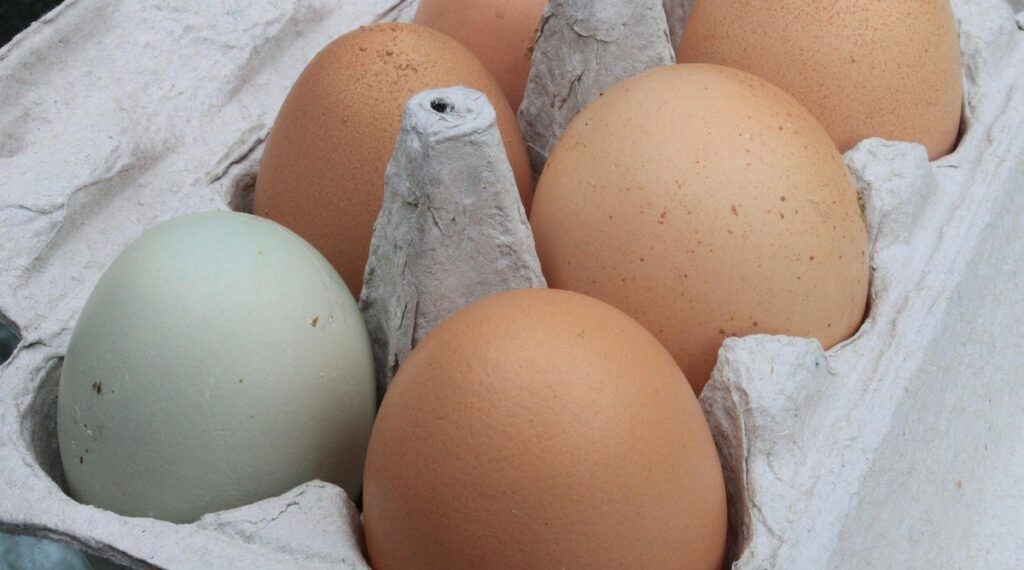
When it comes to Rhode Island Red eggs, one of their most distinctive and charming characteristics is the range of colors they can come in. While we often think of RR eggs as being a deep reddish-brown color, in reality, their eggshell hues can vary from light brown to dark chocolate.
This variation is largely due to genetics, with different combinations of genes influencing the final color outcome. For example, some Rhode Island Reds may inherit a dominant gene that produces a lighter shade, while others may have a recessive gene that leans towards a darker tone. This genetic diversity is what makes RR eggs so uniquely beautiful and interesting.
In practical terms, this means that you can expect to see a range of colors when collecting eggs from your own backyard flock or at the farmer’s market. Some eggs might be a light brown with a pinkish tint, while others may be a deeper, richer chocolate color. Regardless of the specific shade, each egg is a testament to the breed’s rich genetic heritage and its ability to produce such a wide range of colors.
Egg Size and Shape
Rhode Island Reds are known for laying large to extra-large eggs, with an average weight of around 2.25 ounces (64 grams). Compared to other popular breeds like Leghorns and Orpingtons, Rhode Island Red eggs tend to be slightly larger. In fact, according to data from the American Poultry Association, Rhode Island Reds lay some of the largest brown eggs among all heritage breeds.
In terms of shape, Rhode Island Red eggs are typically oval or elongated, with a smooth, glossy finish. The shape and size of the egg can vary depending on factors like nutrition, health, and individual bird characteristics. However, as a general rule, you can expect Rhode Island Red eggs to be around 1.75 inches (4.45 cm) long and 1.25 inches (3.18 cm) wide.
It’s worth noting that while the overall size of Rhode Island Red eggs is consistent, there can be some variation within the breed. Some hens may lay slightly smaller or larger eggs than average, depending on their individual characteristics and living conditions.
Environmental Factors Affecting Egg Color
As a Rhode Island Red owner, you’re probably curious about why your hens’ eggs come in such a range of colors and patterns. Let’s explore how environmental factors can influence the color of their eggs.
Nutrition: The Role of Diet in Determining Egg Color
A chicken’s diet plays a significant role in determining the color of its eggs. As a backyard flock owner, you have control over what your Rhode Island Reds eat, and making informed dietary choices can impact the color of their eggs.
Crucial to eggshell pigmentation is the presence of two nutrients: calcium and protein. A balanced diet rich in these elements will typically produce eggs with more vibrant colors. For instance, a diet high in calcium carbonate can lead to the production of brown or dark brown eggs, while a diet lacking sufficient calcium may result in lighter-colored eggs.
However, it’s not just about providing essential nutrients; certain food additives can also affect egg color. Some examples include:
• Oyster shells: Rich in calcium and often used as a supplement to promote healthy bone growth
• Dark leafy greens: High in iron and other minerals that can enhance pigmentation
• Alfalfa meal: A concentrated source of calcium and protein that can support robust eggshell production
By incorporating these dietary elements, you can influence the color of your Rhode Island Reds’ eggs.
Health and Stress Factors That Can Affect Egg Color
When it comes to Rhode Island Reds and their egg color, health issues and stressors can play a significant role. Bacterial infections such as salmonella or E. coli can cause eggs to appear pale or discolored. Similarly, parasites like mites or ticks can lead to weakened hens that may not produce eggs with the desired color intensity.
Extreme weather conditions can also impact egg color. For instance, heat stress during hot summer months can cause eggs to become lighter in color due to hormonal changes in the hen. Conversely, cold temperatures can slow down egg production altogether, resulting in a decrease in overall egg quality and potentially affecting their coloration.
It’s essential to provide your Rhode Island Reds with a healthy environment that minimizes the risk of stressors and health issues. This includes ensuring access to clean water, nutritious feed, and a balanced living space. Regular monitoring for signs of illness or infection can also help identify any potential problems early on. By taking proactive steps to maintain your hens’ overall well-being, you can promote healthy egg production and vibrant egg color.
Breeding and Selection for Desired Traits
When it comes to breeding Rhode Island Reds, selecting birds with desirable egg colors is crucial. Let’s dive into how breeders prioritize egg color traits in their breeding programs.
Selective Breeding: The Science Behind Improving Egg-Laying Characteristics
Selective breeding is a precise science that’s been employed for centuries to refine and improve desired traits in various species, including poultry. The goal of selective breeding is to identify and amplify the characteristics that make an individual bird more desirable than its peers. When it comes to egg-laying birds like the Rhode Island Red, selective breeding has played a significant role in developing breeds with unique features such as distinctive egg color.
The process begins by identifying individuals that exhibit the desired traits, which in this case might be deep red or dark brown eggs. Breeders then isolate these birds and encourage them to breed with other birds that possess similar characteristics. As offspring are produced, they’re evaluated for their own egg-laying performance and coloration. Only those birds that meet or exceed expectations are selected for breeding.
Breeding for specific traits like egg color can be a challenge due to the genetic complexities involved. Egg color is influenced by multiple genes working in tandem, making it difficult to predict with certainty what traits will be passed on to offspring. To overcome this hurdle, breeders rely heavily on data collection and record-keeping. By tracking detailed information about individual birds’ egg production, fertility rates, and overall health, breeders can make more informed decisions when selecting parents for the next generation.
To give you an idea of just how precise selective breeding can be, consider this: a single Rhode Island Red hen may lay 300 eggs in her first year alone. Over several generations, selective breeding could potentially increase that number by as much as 10-15%. It’s through these incremental changes, combined with meticulous record-keeping and careful selection, that breeders are able to refine the traits they desire most – including egg color.
Managing Your Flock for Optimal Egg Color
Now that you’re collecting beautiful Rhode Island Red eggs, let’s dive into managing your flock to bring out their most vibrant colors and create a stunning egg-laying haven.
Tips for Creating a Healthy Environment
When it comes to managing your Rhode Island Reds for optimal egg color, providing a healthy environment is crucial. A happy and stress-free flock will not only produce vibrant eggs but also maintain their overall well-being. Here are some practical tips to create an optimal environment that promotes good health, reduces stress, and encourages consistent egg production.
First and foremost, coop design plays a significant role in maintaining a healthy flock. Ensure your coop is well-ventilated, dry, and protected from extreme temperatures. A clean and well-maintained coop will also reduce the risk of disease transmission among birds. Consider adding windows for natural light, nesting boxes for each bird to lay comfortably, and roosting bars to promote good posture.
Proper feeding strategies are equally essential in maintaining a healthy flock. Provide a balanced diet that includes high-quality layer feed, supplemented with fruits, vegetables, and whole grains. Avoid overfeeding, as this can lead to obesity and other health issues. Offer fresh water at all times, and ensure each bird has access to a calcium source, such as crushed oyster shells or dark leafy greens, to maintain strong eggshells.
Flock management techniques are also vital in maintaining a healthy environment. Implement a routine cleaning schedule to keep the coop and run clean, reducing the risk of disease transmission. Monitor your flock’s health closely, identifying any signs of illness or stress promptly. Practice good biosecurity by disinfecting equipment and footwear regularly, and isolate new birds before introducing them to the main flock.
By implementing these tips, you’ll be well on your way to creating a healthy environment that promotes consistent egg production, vibrant colors, and overall well-being in your Rhode Island Reds.
Conclusion: Nurturing Your Rhode Island Reds to Their Best Egg-Laying Potential
Now that you’ve learned how to enhance your Rhode Island Red’s egg color, it’s time to focus on maximizing their overall egg-laying potential. This final section shares expert tips for nurturing your flock to peak performance.
Recap of Key Points
Let’s recap the key points that will help you nurture your Rhode Island Reds to their best egg-laying potential. Genetics play a significant role in determining egg color, and while it’s not possible to change your bird’s natural coloring, understanding the genetics behind it can help you make informed decisions about breeding.
Nutrition also plays a crucial role in egg production and quality. A balanced diet rich in calcium, protein, and vitamins will ensure that your hens are producing healthy eggs with vibrant yolks. Make sure to provide your birds with access to fresh water, oyster shells or crushed eggshells for calcium supplementation, and a varied diet that includes fruits and vegetables.
Maintaining good health is also essential for optimal egg production. Regular check-ups, vaccinations, and parasite control will help prevent diseases and maintain the overall well-being of your flock. Provide a safe and clean living environment with adequate space to roam and exercise.
Lastly, environmental factors like lighting, temperature, and humidity can impact egg color and quality. Ensure that your coop is well-ventilated, provides sufficient light, and maintains a comfortable temperature range between 40°F and 80°F for optimal egg production.
Final Thoughts on Caring for Your Flock
As you continue on your journey with your Rhode Island Reds, remember that caring for them is not just about meeting their basic needs, but also about nurturing a thriving flock that will reward you with exceptional eggs. The rewards of raising these birds are numerous – not only do they provide a steady supply of delicious and nutritious eggs, but they also offer companionship and entertainment.
As you look back on all you’ve learned, remember that it’s the little things that count – like providing fresh water daily, ensuring adequate ventilation in their coop, and giving them regular opportunities to forage. These may seem like small tasks, but they have a big impact on your flock’s overall health and happiness.
By continuing to learn about poultry care and management practices, you’ll be better equipped to address any challenges that arise and optimize your birds’ performance. So don’t be afraid to ask questions, seek out new resources, and try new things – with patience, persistence, and practice, you’ll be well on your way to raising a flock of happy, healthy Rhode Island Reds that will provide you with years of joy and abundance.
Frequently Asked Questions
Can I influence the egg color of my Rhode Island Reds through selective breeding?
While genetics play a significant role in determining egg color, selective breeding can help introduce desirable traits to your flock over time. By choosing breeders that emphasize specific characteristics, such as dark chocolate or light brown eggs, you can gradually shift the average egg color of your flock towards your desired shade.
What are some common mistakes beginners make when trying to optimize their Rhode Island Reds’ egg-laying potential?
One common mistake is neglecting the importance of a balanced diet and adequate nutrition for your flock. Ensure they have access to high-quality feed, clean water, and plenty of space to roam, reducing stress factors that can impact egg production.
How do I know if my Rhode Island Reds are getting enough calcium in their diet?
Eggshell quality is an excellent indicator of calcium intake. If you notice thin or brittle shells, it may be a sign your flock is deficient in this essential mineral. Consider supplementing their feed with crushed oyster shells or dark leafy greens to boost their calcium levels.
Can environmental stressors like temperature fluctuations and humidity affect egg color?
Yes, extreme temperatures and humidity can impact the color and consistency of your Rhode Island Reds’ eggs. Provide a comfortable environment with adequate ventilation, shelter, and shade to minimize stress on your flock and promote optimal egg production.
What’s the ideal age for starting to notice improvements in egg color after implementing changes to my flock’s nutrition or environment?
Results may vary depending on individual factors, but you can typically expect noticeable improvements within 6-12 months of introducing new habits and routines. Monitor your flock’s progress closely, making adjustments as needed to optimize their egg-laying potential.