
If you’ve ever been to Rhode Island, chances are you’ve seen or heard about the state’s beloved symbol: the Rhode Island Red Rooster. But have you ever stopped to think about what makes this bird so special? Beyond its striking appearance and friendly demeanor, the Rhode Island rooster has a rich history that dates back to colonial times. It’s not just a pretty face – it also represents resilience, hard work, and community spirit. In this article, we’ll delve into the fascinating story behind the Rhode Island rooster, exploring its unique characteristics, symbolism, and importance as a state symbol in America’s smallest state. We’ll take you on a journey to discover what makes this bird so beloved by locals and visitors alike.
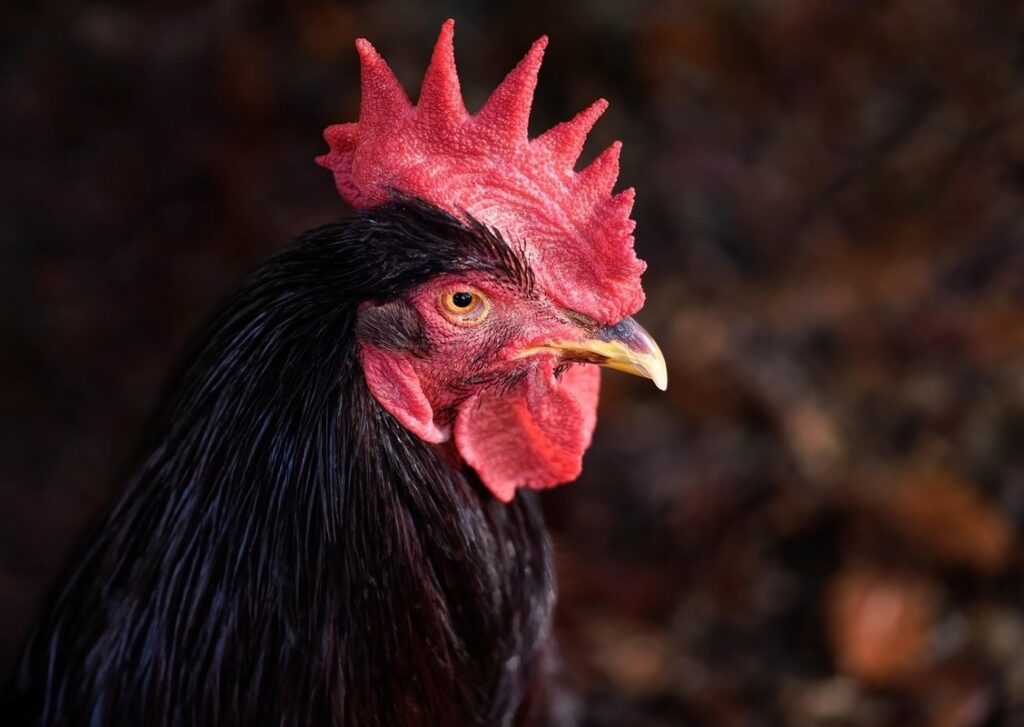
The Origins of the Rhode Island Rooster
The origins of the Rhode Island rooster are shrouded in mystery, but it’s believed to have originated from a hardy breed that thrived on the island’s rugged landscape. Let’s take a closer look at its roots.
European Influences on the Rooster Breed
The introduction of European roosters to Rhode Island had a significant impact on the breed’s development. Many of these early birds were brought over by European settlers, who valued their impressive plumage and robust voices for cockfighting purposes. As a result, rooster breeding became a popular pastime in colonial Rhode Island.
These imported birds were primarily from England, where the Old English Game Fowl had been bred for centuries for its fighting prowess and striking appearance. The breed’s influence can still be seen today in the Rhode Island Rooster’s distinctive hackle feathers and bold personality. In fact, many experts believe that the Rhode Island Rooster is a direct descendant of these early imports.
As you look to raise your own Rhode Island Rooster, consider seeking out heritage breeds or working with experienced breeders who can help you select birds with strong European roots. With patience and dedication, you’ll be rewarded with a stunning and charismatic companion that’s as proud as it is charming.
Early American Farming and the Role of Roosters
In the early days of American farming, particularly in Rhode Island, roosters played a crucial role in the development of agriculture. These hardworking birds were not just for show; they contributed significantly to the growth and success of farms across the region.
Roosters helped to stimulate egg production by their constant presence and activity around hens. This was especially important in Rhode Island, where farming was a vital industry that provided for the needs of local communities. The rooster’s crowing also served as an early warning system for farmers, alerting them to potential dangers such as predators or weather changes.
In addition, roosters were used as indicators of time and weather patterns. Farmers relied on their keen eyesight and hearing to monitor changing conditions, making them invaluable assets on the farm. By learning from these intelligent birds, Rhode Island’s early farmers developed effective strategies for crop rotation, irrigation, and pest control – all essential practices that remain crucial in modern farming today.
The role of roosters in early American farming is a testament to their versatility and importance as working animals. Their contributions helped shape the agricultural landscape of Rhode Island and beyond, earning them a special place in history and in our hearts.
Symbolism and Cultural Significance of the Rhode Island Rooster
The Rhode Island Rooster has a rich symbolic meaning that reflects the state’s history, resilience, and identity. Let’s explore some of its most interesting cultural connotations.
The Rooster as a State Symbol
The Rhode Island rooster’s journey to becoming an official state symbol is a fascinating tale that reflects the state’s rich history and cultural heritage. In 1948, the Rhode Island General Assembly officially adopted the rooster as the state’s mascot and emblem, solidifying its place in the hearts of locals and visitors alike.
This decision was not made lightly, however. The rooster has long been a symbol of courage, strength, and vigilance – qualities that are deeply rooted in Rhode Island’s history as a pioneer state. With its strong and proud stance, the rooster embodies the spirit of resilience that has defined the state’s people throughout the centuries.
As a nod to this heritage, the Rhode Island State House features a striking bronze statue of a rooster atop its dome, proudly surveying the city below. This iconic symbol serves as a powerful reminder of the state’s proud history and commitment to tradition. By embracing the rooster as its official mascot, Rhode Island has chosen to honor its past while embracing its unique identity and character.
Agricultural and Patriotic Themes
The Rhode Island rooster is often associated with American values such as hard work and patriotism. This connection can be attributed to the bird’s reputation for being diligent and loud, traits that are reminiscent of a proud citizen standing up for their country.
One way the rooster embodies these qualities is through its daily routine. Like many Americans, the Rhode Island rooster takes pride in getting an early start, often crowing at dawn to signal the beginning of a new day. This dedication to duty and responsibility is seen as a reflection of American values such as hard work and industriousness.
Moreover, the rooster’s proud stance on rooftops or perches is often likened to the American spirit of patriotism. Its loud declaration of independence from the night’s darkness echoes the country’s founding ideals of freedom and self-expression.
History of the Rhode Island Red Breed
The Rhode Island Red breed has a rich and fascinating history, dating back to the 1800s when farmers first began developing this iconic American chicken. Let’s take a step back in time and explore how it all started.
Breeding and Development in the 19th Century
The development of the Rhode Island Red breed in the 19th century was a deliberate effort to create a chicken that excelled at egg-laying. Breeders were looking for a bird that could produce large quantities of brown eggs, and they achieved this by crossing various breeds, including the Malay, the Dominique, and the Cochin.
The result was a robust, hardy bird with exceptional fertility and a high rate of egg production. The Rhode Island Red’s unique characteristics made it an ideal choice for small-scale farmers and backyard enthusiasts alike. One notable feature of the breed is its ability to lay eggs consistently throughout the year, making it a valuable addition to any farm or homestead.
By the mid-1800s, the Rhode Island Red had become a staple in American poultry farming. Its popularity was largely due to its impressive egg-laying abilities, which averaged around 200 large brown eggs per year. This made it an attractive choice for farmers looking to supplement their income with egg sales.
The Rise to Popularity
The Rhode Island Red breed experienced a significant surge in popularity nationwide due to several factors. One of the primary reasons was its exceptional egg-laying capabilities. Hens of this breed could produce around 200-220 brown eggs per year, making them an attractive choice for backyard chicken keepers and commercial farmers alike.
Another factor contributing to their rise in popularity was their hardiness and adaptability. Rhode Island Reds were known to thrive in various climates and living conditions, making them a versatile option for farmers who needed a breed that could handle different environments.
The introduction of the “American Games” in 1904 also played a significant role in popularizing the Rhode Island Red. These competitive events focused on chicken breeding and promoted the development of breeds like the Rhode Island Red, which was prized for its size, strength, and egg-laying abilities.
By the mid-20th century, the Rhode Island Red breed had become one of the most popular backyard chickens across America, with many farmers and enthusiasts keeping them as pets.
Rooster Care and Management for Beginners
Taking care of a Rhode Island rooster can be a fun but challenging task, so let’s cover some essential tips to get you started. Whether you’re new to chicken keeping or just getting your first rooster.
Choosing the Right Environment
When it comes to choosing the right environment for your Rhode Island Reds, it’s essential to provide them with a space that meets their unique needs. First and foremost, ensure you have enough space to accommodate at least 5-7 square feet per bird inside the coop. This will give them ample room to move around, stretch their wings, and engage in natural behaviors.
When setting up the roosting area, consider the height of your rooster’s perch. A good rule of thumb is to position it about 2-3 feet off the ground to encourage leg stretching and comfort while roosting. You can also incorporate nesting boxes specifically designed for hens, but Rhode Island Reds are prolific layers, so you may not need additional nesting space.
In terms of ventilation and lighting, ensure your coop has adequate airflow to prevent ammonia buildup from waste. Natural light is beneficial during the day, but also consider adding LED lights or supplemental lighting in the evenings to promote egg production and reduce stress on your birds.
Health Considerations and Nutrition
As you delve into rooster care and management, it’s essential to prioritize their health and well-being. Regular health checks are crucial to detect potential issues early on. Schedule annual check-ups with a veterinarian experienced in poultry care to monitor for signs of illness or disease. Vaccinations should also be administered as per the vet’s advice, typically starting at 4-6 weeks old.
Nutrition is another vital aspect to consider. Rhode Island roosters require a balanced diet rich in protein, vitamins, and minerals. Provide high-quality commercial feed as the staple, supplemented with fresh fruits, vegetables, and grains. Avoid giving them avocado, onions, or chocolate, as these can be toxic. A calcium-rich diet is also necessary for strong bone growth, so include foods like crushed eggshells or dark leafy greens.
Remember, every rooster has unique needs, so observe your bird’s behavior and adjust their diet accordingly. For instance, if you notice feather pecking or aggression, reassess their protein intake and try adding more fiber-rich foods to their diet.
Interesting Facts About Rhode Island Roosters
Let’s dive into some fascinating facts about the iconic Rhode Island rooster, a bird that’s steeped in history and tradition. You’ll be surprised by its quirky charm!
Egg-Laying Abilities and Record Breakers
One of the most remarkable aspects of Rhode Island Reds is their incredible egg-laying abilities. These hens are renowned for producing an impressive number of eggs per year, making them a favorite among backyard chicken keepers and commercial farmers alike.
On average, a healthy Rhode Island Red hen will lay around 200-220 large brown eggs annually. However, some exceptional birds have been known to exceed this average, with one notable example being a hen named Big Mama, who laid an astonishing 364 eggs in just one year!
To put these numbers into perspective, consider that the American Poultry Association recognizes Rhode Island Reds as one of the top egg-laying breeds in the country. Their impressive productivity is largely due to their high fertility rate and robust overall health.
If you’re considering raising Rhode Island Red hens for their eggs, be sure to provide them with a balanced diet rich in protein and calcium to support their reproductive needs. Regular access to fresh water, clean living conditions, and sufficient space will also help maximize their egg-laying potential.
Unique Characteristics and Traits
One of the most notable aspects of Rhode Island Reds is their unique characteristics that set them apart from other breeds. For one, they have a rich, warm reddish-brown plumage with a subtle sheen that catches the light. Their feathers are also notably long and flowing, giving them a majestic appearance.
But what really sets Rhode Island Reds apart is their temperament. They’re known for being friendly, docile, and relatively easy-going. This makes them an excellent choice for backyard flocks and families with children, as they’re gentle and affectionate. In fact, many owners report that their Rhode Island Reds are like part of the family – following them around the yard and even seeming to enjoy a good scratch behind the ears.
When choosing a Rhode Island Red, look for individuals with these distinctive traits. A rooster’s comb should be large and red, while his wattle (the flap of skin under the chin) should be long and loose. Their beaks are strong and straight, perfect for pecking at grain and other treats. With their unique looks and charming personalities, it’s no wonder that Rhode Island Reds have become a favorite among poultry enthusiasts around the world.
Rhode Island Rooster Breeders and Farms to Visit
Are you looking to get up close and personal with a Rhode Island rooster? Check out these local breeders and farms that offer a behind-the-scenes look at these beautiful birds.
Local Breeding Programs and Farm Tours
If you’re interested in learning more about Rhode Island roosters and meeting some of the breeders who specialize in these magnificent birds, there are several local farms and breeding programs that offer tours and hands-on experiences. These visits provide a unique opportunity to observe rooster behavior, learn about their care and management, and even take part in activities like feeding or grooming.
Some notable farms in Rhode Island that offer farm tours include:
* Maple Crest Farm, which offers guided tours of its facilities and provides information on sustainable farming practices.
* Taylor’s Farm, where visitors can participate in rooster-related activities like egg collection and learn about the breeders’ expertise in raising these birds.
* For a more immersive experience, consider visiting the Rhode Island Agricultural Education Center, which offers interactive exhibits and demonstrations of farm life.
Before planning your visit, be sure to check each farm’s website or contact them directly for information on tour availability, duration, and any activities that may be included.
Supporting Sustainable Agriculture Initiatives
When visiting Rhode Island’s rooster farms and breeders, it’s essential to support local, small-scale farmers who raise Rhode Island Red roosters. These farmers not only preserve the rich history of this iconic breed but also contribute significantly to sustainable agriculture initiatives.
Supporting these farmers has numerous benefits. For instance, you’ll be promoting biodiversity by preserving heritage breeds like the Rhode Island Red. This breed is well-suited for free-range farming and helps maintain ecosystem balance. Additionally, local farms often employ regenerative practices that improve soil health and reduce carbon emissions.
To support sustainable agriculture initiatives when visiting these farms:
• Consider purchasing your rooster from a reputable, small-scale breeder.
• Learn about the farm’s practices and policies on animal welfare, sustainability, and environmental conservation.
• Ask questions about their commitment to preserving heritage breeds and promoting biodiversity.
• Join their newsletter or follow them on social media to stay updated on their initiatives and events.
By choosing to support local, small-scale farmers who raise Rhode Island Red roosters, you’ll be contributing to a more sustainable food system while also helping preserve this unique breed’s history.
Conclusion: Preserving the Heritage of the Rhode Island Rooster
Now that we’ve delved into the fascinating history and symbolism of the Rhode Island rooster, let’s talk about how to preserve its rich heritage for future generations.
Lessons Learned from History and Culture
As we conclude our journey through the fascinating world of the Rhode Island rooster, it’s essential to reflect on what we’ve learned and how it can enrich our appreciation for agriculture and state symbols. The Rhode Island rooster is more than just a symbol – it represents the rich history and cultural heritage of the Ocean State.
By understanding the significance of this iconic bird, we gain insight into the importance of preserving agricultural traditions and honoring the people who have shaped the state’s identity. For instance, the Rhode Island Red breed was developed in the late 19th century by William Tripp, a farmer from Little Compton, to produce hardy, versatile birds that could thrive on small farms. This breed has since become synonymous with the state’s agricultural heritage.
So, how can we apply these lessons to our daily lives? Here are a few takeaways:
* Recognize the value of preserving traditional breeds and agricultural practices.
* Support local farmers and artisans who continue to carry on these traditions.
* Learn about your own state or regional symbols and their significance in history and culture.
* Share your knowledge with others, inspiring a new generation to appreciate the heritage of agriculture and state symbols.
By embracing the Rhode Island rooster’s story, we can foster a deeper appreciation for the land, its people, and the enduring traditions that have shaped our communities. Whether you’re a Rhode Island native or just visiting, taking time to explore your local agricultural heritage can be a rewarding experience that connects us all with our shared history.
Frequently Asked Questions
How can I get involved with local Rhode Island rooster breeding programs?
If you’re interested in supporting sustainable agriculture initiatives and learning about the Rhode Island rooster breed, consider reaching out to local farms or breeders who offer farm tours and hands-on experience. Many organizations also participate in poultry shows and exhibitions, providing opportunities to connect with enthusiasts and learn about best practices.
What are some essential tips for choosing the right environment for my Rhode Island roosters?
When selecting a location for your Rhode Island roosters, consider factors such as climate, space, and predator protection. A well-ventilated coop with adequate space for movement is crucial to ensure the health and happiness of your birds.
Can I breed Rhode Island roosters for commercial egg production or meat purposes?
While the primary focus of Rhode Island Red rooster breeding has been on its rich history and cultural significance, some farmers do raise them for their eggs. However, it’s essential to note that these birds may not be as prolific in terms of egg-laying as other breeds specifically developed for this purpose.
How can I tell if my Rhode Island rooster is a true breed?
To ensure you’re raising authentic Rhode Island Red roosters, look for birds with the distinctive copper-gold plumage and rich, dark red comb. Reputable breeders often maintain strict breeding standards to preserve the integrity of this beloved breed.
What are some common health considerations when keeping Rhode Island roosters?
As with any bird species, it’s essential to monitor your Rhode Island roosters’ health closely for signs of illness or disease. Keep a clean living environment, ensure access to fresh water and nutritious feed, and consult a veterinarian if you notice any unusual behavior or symptoms.