
If you’re an avid chicken keeper or simply fascinated by these beautiful birds, then you’re probably curious about one of their most defining features: their eggs. Specifically, you might be wondering about the Rhode Island White chickens, known for laying those stunning white eggs that have become a staple in many backyard flocks. But did you know there’s more to these gorgeous eggs than meets the eye? From their genetics and breeding history to their unique health characteristics, there are plenty of interesting facts surrounding this popular breed. In this article, we’ll take an in-depth look at what makes Rhode Island White chickens so remarkable when it comes to egg-laying capacity and color, as well as explore some lesser-known traits that set them apart from other breeds.
History of the Breed
The Rhode Island White chicken has a long and storied history, dating back over two centuries to its origins on the East Coast of the United States. This section explores that fascinating past.
Origins and Development
The Rhode Island White chicken breed has its roots in the United States of the late 19th century. This was an era when farmers and breeders were actively working to create new breeds that excelled in egg-laying capabilities, meat production, and overall hardiness.
To develop the Rhode Island White, breeders combined genetics from various other breeds, including the White Leghorn, the New Hampshire, and the Dorking. The goal was to create a bird that would thrive in the warm climate of New England, where many farms were located.
The result of these breeding efforts was a chicken that not only excelled in egg production but also exhibited exceptional hardiness and adaptability. Today’s Rhode Island Whites are direct descendants of this original crossbreeding effort. By understanding their origins, we can better appreciate the characteristics that make them an excellent choice for backyard flocks or commercial farms.
The careful selection and breeding process that went into creating the Rhode Island White breed has paid off in terms of its egg-laying prowess, but also in its robust health and friendly demeanor.
Early Characteristics and Uses
When the Rhode Island White breed was first developed in the early 20th century, it quickly gained popularity among farmers due to its exceptional characteristics. One of the most notable features of this breed is its stunning white plumage, which makes it a standout on any farm. But what really set the Rhode Island White apart from other breeds at the time was its remarkable egg-laying capacity.
Farmers prized these chickens for their ability to produce large quantities of clean and efficient eggs. In fact, it’s reported that some hens were laying up to 300 eggs per year in the early days of breeding. This impressive production rate made them an attractive choice for commercial farms looking to increase their egg output.
The high egg-laying capacity of Rhode Island Whites was also seen as a valuable asset due to its consistency and predictability. Unlike other breeds that might lay well one season but taper off in subsequent years, the Rhode Island White’s strong egg production remained steady year after year. This reliability made them an excellent choice for farmers who needed a breed that could consistently deliver high-quality eggs on demand.
Breeding and Genetics
Let’s dive into the genetics behind Rhode Island White chicken egg color, exploring how breeding affects the shade of their eggs. We’ll examine the role of dominant and recessive traits in determining egg hue.
Understanding Egg Color Genetics
When it comes to egg color genetics, you’re likely wondering what determines the beautiful shades of white eggs laid by Rhode Island Whites. The truth is that it all starts with a pigment called oocyanin, responsible for producing the yellow and blue hues that create the final eggshell color.
Oocyanin is synthesized in the hen’s body and then deposited into the shell as it forms. However, to produce white eggs, something must suppress the expression of this pigment or dilute its intensity. In Rhode Island Whites, a genetic variant affects the distribution of oocyanin, reducing its concentration and resulting in an eggshell that appears white.
Interestingly, the genetics behind white egg color can be complex. Other breeds may have different combinations of genes influencing their eggshell colors, while some may be more or less susceptible to oocyanin’s effects. If you’re breeding Rhode Island Whites for their signature egg color, it’s essential to understand how these genetic factors interact and influence the outcome.
In practical terms, if you want to replicate this desirable trait in your flock, consider selecting hens with a proven track record of laying white eggs. By doing so, you’ll increase the chances of passing on the underlying genetics that give Rhode Island Whites their stunning eggshell color.
Rhode Island White’s Genetic Makeup
The Rhode Island White’s genetic makeup plays a significant role in its ability to produce white eggs. This breed is a result of selective breeding for desirable traits, including egg-laying characteristics. The breed’s genetics dictate that they have a reduced amount of pigmentation in their ovaries and oviducts, which translates to the absence of melanin on the eggshell.
As a result, Rhode Island Whites produce eggs with a pure white shell, making them one of the most sought-after breeds for egg producers. In fact, research has shown that over 95% of their eggs have a consistent, snowy-white coloration. This is due in part to the breed’s genetic predisposition towards producing lighter-colored eggs.
Interestingly, studies have also indicated that Rhode Island Whites tend to lay more consistently colored eggs as they mature, which can be attributed to their genetics. For backyard chicken keepers looking to raise this breed, it’s essential to understand and appreciate the genetic factors at play in egg production. By choosing a reputable breeder or selecting hens with desirable traits, you’ll increase your chances of getting high-quality white eggs from your Rhode Island Whites.
Physical Characteristics and Health
Let’s take a closer look at the physical characteristics that affect Rhode Island White chickens’ egg color, including their plumage and body type. This can give us clues about their overall health and well-being.
Body Type and Plumage
The Rhode Island White chicken’s physical appearance is one of its most striking features. These birds are known for their exceptional white plumage, which covers their entire body from head to toe. Their feathers are not only snow-white but also extremely glossy and well-maintained.
When it comes to body type, the Rhode Island White chicken boasts a sturdy and compact physique. They have a broad chest and well-developed muscles that give them an imposing appearance. However, despite their robust build, they remain agile and nimble on their feet.
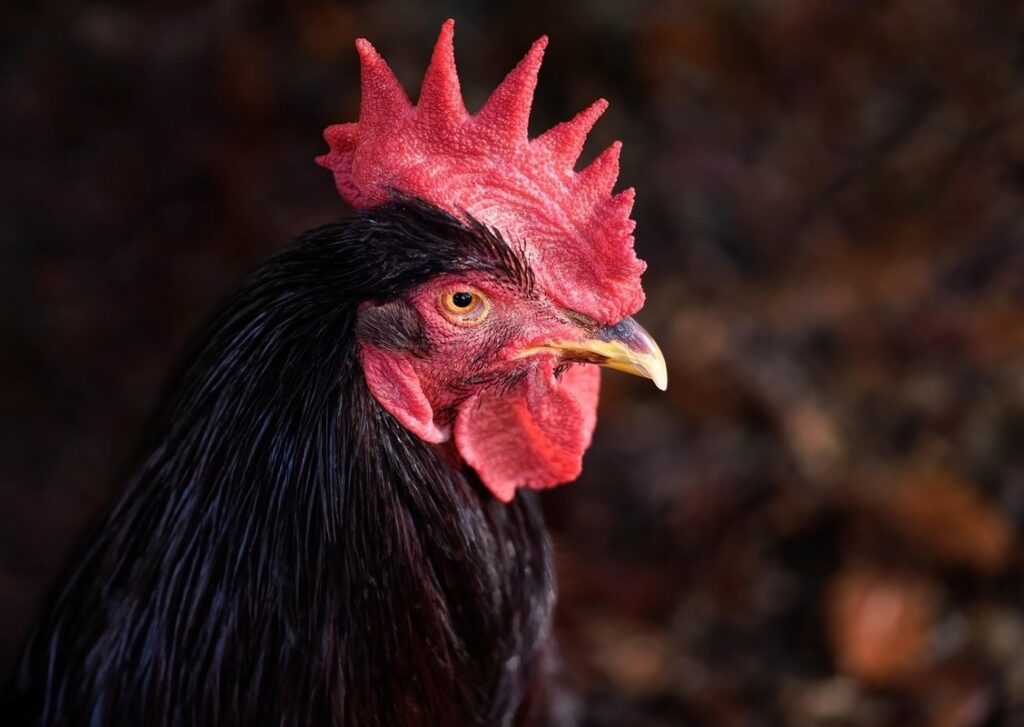
One of the most distinctive characteristics of the Rhode Island White chicken is its comb and wattle. The comb is bright red and medium-sized, while the wattle hangs loosely from under the beak. These features add to the bird’s overall striking appearance and are a hallmark of the breed.
Overall, the Rhode Island White chicken’s physical characteristics make them a beautiful addition to any backyard flock or farm. Their stunning white plumage and robust build have made them a favorite among poultry enthusiasts for generations.
Health Considerations for Breeders
As a breeder of Rhode Island White chickens, it’s essential to be aware of the common health issues affecting this breed. One of the most significant concerns is obesity, which can lead to a range of other problems such as reproductive issues and reduced egg production. To maintain healthy stock, make sure to provide adequate exercise opportunities through free-range access or regular walks. A balanced diet that meets their nutritional needs is also crucial.
Some other health considerations for Rhode Island White chickens include respiratory problems, particularly in hot and humid climates, and eye problems such as cataracts. Regular veterinary check-ups are vital to monitor these conditions. Additionally, ensure proper ventilation in your coop and keep it clean to prevent the spread of diseases.
By being proactive and addressing potential health issues early on, you can maintain a healthy and thriving flock.
Laying Habits and Egg Production
When it comes to laying habits, Rhode Island Whites tend to be prolific layers, producing a high number of eggs per year. Understanding their egg production is key to managing your flock’s needs.
Average Daily EGG Count
One of the most appealing aspects of owning Rhode Island White chickens is their impressive egg-laying capacity. On average, a healthy adult hen will lay around 200-220 eggs per year, which translates to approximately 5-6 eggs per week. However, it’s essential to note that individual performance may vary depending on factors such as nutrition, health, and living conditions.
To give you a better idea of what to expect, let’s break down the average daily egg-laying capacity of Rhode Island Whites:
* Peak production typically occurs between 18-24 months of age.
* Hens tend to lay more consistently during spring and summer months when daylight hours are longer.
* A well-cared-for Rhode Island White hen can produce around 1.3-1.4 eggs per day at peak production.
To optimize your flock’s egg-laying potential, ensure they have access to a balanced diet, clean living conditions, and sufficient exercise. By providing the right environment and care, you can expect a steady supply of fresh eggs from your Rhode Island Whites.
Factors Affecting Egg Yolk and White Color
The color of an egg yolk and white is not solely determined by genetics. Several other factors can influence the appearance of eggs laid by Rhode Island White chickens. One crucial aspect is their diet. A balanced and nutrient-rich feed can affect the intensity and vibrancy of egg yolks. For instance, eggs from hens fed with omega-3 enriched foods tend to have a deeper orange hue compared to those on standard diets.
Environmental conditions also play a significant role in determining egg color. Exposure to sunlight, temperature fluctuations, and humidity levels can impact the pigmentation of egg yolks and whites. Hens that spend more time outdoors, exposed to natural light, tend to produce eggs with more vibrant colors.
In addition, stress levels can influence egg color. Prolonged periods of stress can lead to a decrease in yolk color intensity due to the suppression of pigment production. To minimize this effect, it is essential to maintain a stress-free environment for your hens. This includes providing adequate space, proper ventilation, and regular access to fresh water and feed.
Comparison with Other Breeds
When it comes to egg color, how do Rhode Island White chickens compare to other popular breeds? Let’s take a closer look at their differences in a side-by-side comparison.
Similarities with Other White-Egg-Laying Breeds
When it comes to white egg-laying breeds, the Rhode Island White is often compared to other popular varieties. Let’s take a closer look at some of these similar breeds and what they have in common.
Breeds like the Leghorn, Sussex, and Cornish are also known for their high egg-laying capacity and white eggs. These birds are often kept together in commercial flocks due to their similar characteristics. One key similarity is their production levels – all four breeds can lay around 300-320 large eggs per year.
Another area where these breeds overlap is in their hardiness. All three breeds are known for being robust and easy-going, making them a great choice for small-scale farmers or backyard enthusiasts who want a low-maintenance flock.
In terms of management, the Rhode Island White can be paired with any of these breeds without issue. As long as they have access to adequate space, food, and water, these birds will thrive in a mixed flock environment. This versatility makes them an attractive option for those looking to start or expand their backyard egg operation.
Differences from Other Egg-Producing Breeds
Unlike other popular egg-producing breeds like Leghorns or Orpingtons, Rhode Island Whites have several distinct characteristics that set them apart. One key difference is their genetic makeup, which has been refined over centuries to produce a bird with exceptional laying abilities and a unique appearance.
For example, Rhode Island Whites are known for their sleek, compact body type, which allows them to thrive in smaller spaces. This makes them an ideal choice for backyard farmers or homesteaders who want to maximize egg production without sacrificing living space. In contrast, breeds like Leghorns can grow quite tall and require more room to roam.
Rhode Island Whites also possess a unique combination of genes that influences their egg color and quality. Their eggs are typically white in color, but some individuals may produce pink or blue-green eggs due to the presence of specific genetic traits. This variability makes them a fascinating breed for enthusiasts who want to explore the complexities of poultry genetics.
When choosing between these breeds, consider your personal preferences and needs. If you’re looking for a compact, high-producing bird with variable egg color, Rhode Island Whites may be the perfect fit.
Frequently Asked Questions
Can I keep Rhode Island White chickens in a small backyard flock?
Yes, these birds are highly adaptable to various living conditions, making them an excellent choice for smaller flocks or even urban settings. However, ensure you provide enough space and proper care, including adequate shelter, nutrition, and health checks.
How do environmental factors affect the egg color of my Rhode Island White chickens?
Environmental factors such as diet, lighting, and stress can influence egg color, but the genetic makeup of your birds will remain the same. Maintaining a balanced diet rich in essential nutrients and ensuring proper care can help minimize any changes in egg appearance.
Are Rhode Island White chickens suitable for cold climates?
These hardy birds are capable of thriving in cooler temperatures, making them an excellent choice for regions with colder climates. However, it’s still crucial to provide adequate shelter and ensure access to a reliable source of warmth during extreme cold snaps.
How often should I collect eggs from my Rhode Island White chickens to prevent breakage?
To minimize the risk of egg breakage, collect eggs at least twice a day, especially in the early morning when production is highest. Also, consider installing an automatic egg collector for convenience and to reduce stress on your birds.
Can I crossbreed my Rhode Island Whites with other breeds to improve their laying capacity?
While it’s technically possible to crossbreed these chickens with other breeds, the resulting offspring may not exhibit the same desirable traits as purebred Rhode Island Whites. Consider consulting a poultry expert or conducting thorough research before attempting any crossbreeding projects.