
When it comes to raising Rhode Island White chickens, one of the most common questions is how to identify the perfect shade for your eggs. A standard egg color chart can help you determine the ideal shade, but did you know that nutrition, health, and genetics all play a role in achieving that perfect hue? In this article, we’ll take a closer look at how to use an egg color chart to optimize breeding success with Rhode Island Whites. We’ll explore the importance of proper nutrition for healthy egg production and share expert tips on maintaining optimal health and managing genetic considerations to ensure your flock is thriving. By the end of this post, you’ll be equipped with the knowledge to identify and breed top-quality Rhode Island White chickens that produce stunning eggs.
Understanding Rhode Island Whites
To successfully breed Rhode Island Whites, it’s crucial to understand their unique characteristics and behaviors. In this section, we’ll break down what makes these birds special.
Breed History and Characteristics
The Rhode Island White breed has been a favorite among backyard chicken keepers for its unique characteristics and gentle nature. Originating from New England in the early 1900s, this breed was developed specifically for egg-laying purposes, with an impressive production of up to 200 brown eggs per year.
One of the key factors contributing to their popularity is their calm temperament, making them a great choice for families with children or those who are new to chicken keeping. Rhode Island Whites are also known for being relatively low-maintenance birds, requiring less space and care compared to some other breeds.
In terms of appearance, Rhode Island Whites have a striking white plumage with red faces and beaks, adding to their charm. Their size is medium to large, with hens typically weighing between 6-8 pounds and roosters reaching up to 10 pounds. When it comes to breeding, understanding the breed’s characteristics is essential for producing healthy and productive offspring.
Importance of Color in Chicken Breeds
When selecting a chicken breed for your backyard flock, one crucial factor to consider is egg color. Yes, you read that right – egg color! While it may seem like a minor detail, the importance of egg color cannot be overstated.
Egg color can be an indicator of a bird’s overall health and well-being. For instance, eggs with unusual colors or markings can signal potential health issues, such as bacterial or nutritional deficiencies. On the other hand, consistent and vibrant egg colors are often a sign of a healthy and thriving flock.
In the case of Rhode Island Whites, their characteristic white eggs are not only aesthetically pleasing but also indicative of their robust health and genetics. When breeding for success, it’s essential to prioritize egg color, as it can impact the overall quality and fertility of your eggs.
To ensure consistent egg color in your flock, focus on providing a balanced diet, maintaining clean living conditions, and monitoring your birds’ health closely. By doing so, you’ll be well on your way to producing high-quality, consistently colored eggs that will make your backyard flock stand out from the rest.
What Does a Rhode Island White Egg Look Like?
When it comes to identifying a true Rhode Island White egg, understanding its appearance is key. Let’s take a close look at what these eggs typically resemble in terms of color and shape.
Typical Eggshell Color
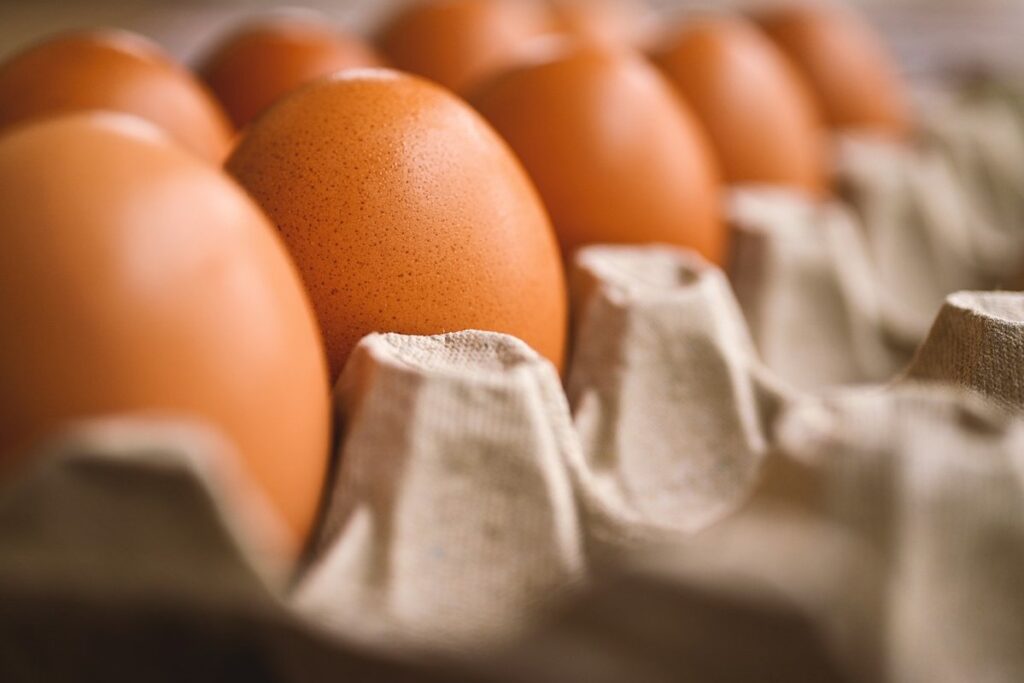
When it comes to Rhode Island Whites, you can expect their eggshells to range from light brown to cream-colored. This is due to the breed’s genetic makeup and environmental factors. Typically, a Rhode Island White eggshell will have a smooth, matte finish and a uniform coloration. However, some eggs may exhibit slight variations in tone or texture.
These variations can be attributed to several factors, including diet, age of the hen, and individual bird characteristics. For instance, hens fed a higher protein diet tend to produce darker-brown eggs than those on a standard layer feed. Additionally, older hens often lay eggs with slightly more intense coloration due to increased melanin production.
While variations are expected, there are some exceptions to keep in mind. Some Rhode Island Whites may exhibit a pinkish or reddish tint to their eggshells, which can be caused by factors such as genetics or exposure to certain nutrients. If you notice any unusual patterns or discolorations, it’s essential to monitor your flock’s health and adjust their diet accordingly to prevent potential issues.
Egg Yolk Color and Size
When it comes to Rhode Island White eggs, the yolk color and size can give you valuable insights into the health and productivity of your flock. On average, a healthy Rhode Island White egg yolk is typically dark yellow to golden in color. This rich coloration is often an indicator of a well-balanced diet that includes adequate amounts of beta-carotene-rich foods, such as dark leafy greens.
In terms of size, the yolk should be relatively large compared to the white. A good rule of thumb is to look for yolks that are about 1/3 to 1/2 the size of the white. This balance between yolk and white is a sign of optimal egg production and a healthy hen.
Factors such as age, breed quality, and nutrition can all influence yolk color and size. For example, hens fed diets rich in omega-3 fatty acids may produce eggs with slightly darker yolks. Similarly, older hens may have smaller yolks due to decreasing fertility rates. By monitoring these characteristics, you can identify potential issues within your flock and make adjustments to improve breeding success.
Using a Rhode Island White Egg Color Chart
When using a Rhode Island White egg color chart, it’s essential to understand how to accurately read and interpret the different shades of blue and brown that will guide your breeding decisions. This section walks you through this process step by step.
Understanding the Color Chart
When reviewing an egg color chart, it’s essential to understand what you’re looking at. A standard Rhode Island White egg color chart typically features a grid or chart with different shades and hues of white. The chart is divided into various sections, each representing a specific degree of intensity.
Start by examining the overall lightness or darkness of the eggs. This is often indicated by a number, such as 1-8, with 1 being the lightest and 8 being the darkest. Look for the corresponding shade on the chart to determine the exact color classification. For example, if an egg has a score of 3, it will likely fall within the “light cream” category.
Notice the subtle nuances in hue as well. These can range from a slight blue or green undertone to a more pronounced pink or yellow tint. Be aware that some breeders may use descriptive terms like “blue-white” or “cream-white,” which can be subjective and open to interpretation. When possible, rely on numerical scores for accuracy.
Interpreting Your Own Egg Colors
Now that you have your Rhode Island White egg color chart, let’s dive into interpreting the colors of your own eggs. This is where things can get a bit tricky, but don’t worry, with practice and patience, you’ll become an expert in no time.
First, take a close look at your eggs’ natural coloring. Some may be pure white, while others might have a slight tint of pink or yellow. Use the color chart to match these colors as closely as possible. Pay attention to the different shades and tones, as these can give you clues about the genetics behind your birds.
For example, if you notice that some eggs have a light brown or beige tint, this could indicate the presence of the E gene, which is responsible for the production of eumelanin – the pigment responsible for brown coloration. Similarly, if your eggs display a reddish-pink hue, it might be a sign of the A gene’s influence.
To get an accurate reading, make sure to compare your egg colors against the chart in good lighting conditions. Take note of any consistencies or inconsistencies across different breeds and lineages within your flock. With time and practice, you’ll develop a keen eye for spotting genetic patterns that can help inform your breeding decisions.
Tips for Breeding Success with Rhode Island Whites
To achieve breeding success with Rhode Island Whites, you’ll want to focus on selecting hens and cocks that consistently lay white eggs and have desirable traits. A few key tips can make all the difference in your breeding program.
Nutrition and Health Considerations
When breeding Rhode Island Whites for optimal egg color, it’s essential to consider the nutritional factors that can influence this trait. A well-balanced diet rich in vitamins and minerals is crucial for laying eggs with vibrant colors.
Vitamin A plays a significant role in maintaining healthy feathers, skin, and mucous membranes, which are all connected to eggshell pigmentation. Ensure your flock has access to calcium-rich foods like leafy greens, alfalfa meal, or oyster shells to promote strong beak growth and overall health.
Iron is another vital mineral that affects hemoglobin production, which in turn impacts the intensity of yolk coloration. Include iron-rich feed sources such as dried apricots, prunes, or red clover in their diet to guarantee optimal yolk production.
Maintaining a balanced nutrient profile will have a direct impact on eggshell color. A lack of essential vitamins and minerals can result in duller, less vibrant colors. By providing your Rhode Island Whites with a nutritious diet rich in vitamins A, D3, E, K, and iron, you’ll be setting them up for success in laying beautiful, high-quality eggs.
Environmental Influences on Egg Color
When it comes to breeding successful Rhode Island Whites, understanding the impact of environmental influences on egg color is crucial. You might be surprised to learn that climate, lighting, and other external factors can significantly affect the eggshell’s appearance.
For instance, temperature fluctuations can cause variations in eggshell color. In warmer climates, eggs may have a more pale or washed-out appearance due to the increased metabolic rate of the hens. On the other hand, cooler temperatures can result in richer, darker hues. This is because the hen’s body needs to work harder to regulate its internal temperature, leading to a more intense eggshell color.
Lighting also plays a significant role in determining eggshell color. Eggs laid in brightly lit areas tend to have a lighter, more yellowish tint, while those produced in dimly lit environments may appear darker and more brownish. This is because the hen’s pineal gland, which regulates the circadian rhythm, is influenced by light exposure.
To minimize environmental influences on eggshell color, provide your Rhode Island Whites with a consistent climate and lighting schedule. This can be achieved by maintaining a stable temperature range between 60-70°F (15-21°C) and ensuring adequate natural light or using supplemental lighting systems. By doing so, you’ll be able to better predict the eggshell colors of your flock and make more informed breeding decisions.
Common Challenges in Raising Rhode Island Whites
Raising Rhode Island Whites can be a delightful experience, but it’s not without its challenges. As you navigate breeding and caring for these lovely birds, you’ll likely encounter some common obstacles along the way.
Managing Feeding Habits
When it comes to raising Rhode Island Whites, managing their feeding habits is crucial for producing healthy, evenly-colored eggs. A well-balanced diet not only affects the color and quality of the eggs but also impacts the overall health and productivity of your flock.
To ensure optimal nutrition, focus on providing a mix of high-quality grains, proteins, and fresh produce. Include dark leafy greens like kale and spinach, which are rich in iron and other essential minerals that contribute to eggshell coloration. Calcium-rich foods such as oyster shells or crushed eggshells should also be available at all times.
A good rule of thumb is to provide about 1-2 pounds of layer feed per bird per week, along with fresh fruits and vegetables daily. Consider supplementing with probiotics or electrolytes during hot summer months when your birds may require extra support. By paying attention to their diet and adjusting as needed, you can promote a strong immune system and even eggshell pigmentation in your Rhode Island Whites.
Common Health Issues Affecting Egg Color
When it comes to raising Rhode Island Whites, health issues can significantly impact not only their egg production but also the desired egg color. Two common health concerns that can affect egg color are nutritional deficiencies and internal parasites.
Nutritional deficiencies, particularly a lack of calcium or vitamin D3, can lead to weak shells and eggs with irregular shapes or colors. For instance, a deficiency in calcium can cause egg whites to be pale, while inadequate vitamin D3 levels may result in brown-spotted eggs. Ensuring your Rhode Island Whites receive a balanced diet rich in calcium and vitamin D3 is crucial.
Internal parasites like mites, lice, or worms can also compromise egg quality and color. These pests can weaken the bird’s immune system, making them more susceptible to other health issues. Regularly checking for signs of infestation, such as excessive feather pecking or lethargy, and implementing preventative measures like dust baths and clean living conditions can help minimize the risk.
To maintain optimal egg production and color, it’s essential to monitor your flock regularly and address any potential health concerns promptly.
Advanced Breeding Strategies
Now that you’re familiar with Rhode Island White genetics, let’s dive into more advanced breeding strategies to achieve consistent egg colors and characteristics. We’ll explore expert techniques for maximizing your breeding potential.
Selective Breeding Techniques
When it comes to breeding Rhode Island Whites with desirable traits, selective breeding techniques are crucial for achieving success. This involves carefully selecting parents that exhibit the characteristics you want to see in your offspring. For instance, if you’re looking to breed birds with exceptional egg-laying ability, you’ll need to identify roosters and hens with proven track records.
One advanced technique is linebreeding, where you selectively mate individuals from a specific lineage to concentrate desirable traits. This can be particularly effective for stabilizing certain characteristics in your flock. However, it’s essential to introduce new bloodlines periodically to maintain genetic diversity and prevent the loss of vigor that can come with excessive inbreeding.
When selecting parents, consider factors like egg size, color intensity, and fertility. Look for birds with consistent production records and examine their offspring for signs of desirable traits. By applying selective breeding techniques and making informed decisions about your breeding stock, you’ll be well on your way to developing a flock that consistently produces high-quality eggs.
Genetic Considerations
When breeding Rhode Island Whites for optimal egg color, it’s essential to understand the genetic principles behind egg color inheritance. The genetics of egg color are relatively simple and can be predicted with a basic understanding of Mendelian genetics.
Egg color is determined by two genes: E (egg-white) and Y (yellow). Each gene has two alleles (forms): one dominant and one recessive. The combination of these alleles determines the egg’s color. If you want to produce white eggs, you’ll need to select birds that carry the EE or EY genotype.
Here’s a simple way to think about it: if a bird is EE or EY, it will always lay white eggs. However, if it’s YY or Yy, it will lay pale blue or blue-green eggs. To ensure your flock lays consistently colored eggs, identify and breed for the desired genotypes. Monitor the egg color of offspring from each breeding pair to refine your selection process.
By understanding and applying these genetic principles, you can make informed decisions in your breeding program and increase the chances of producing birds that meet your requirements.
Frequently Asked Questions
How do I choose the best Rhode Island White chickens for my breeding program?
When selecting birds, consider their egg-laying consistency, feather quality, and overall health. Observe them in a social setting to assess temperament and compatibility. Evaluate genetic diversity by choosing birds from reputable breeders with a strong focus on selective breeding techniques.
Can I still achieve successful breeding results if some of my Rhode Island Whites have off-color eggs?
Yes. While consistent egg color is desirable, it’s not the only factor determining breeding success. Focus on maintaining optimal health through proper nutrition and managing feeding habits to ensure your flock thrives. This will help you identify potential genetic issues and make informed decisions when selecting birds for future breeding programs.
How can I use a Rhode Island White egg color chart in real-world scenarios?
When using the egg color chart, consider factors like nutrition, health, and genetics that may influence egg color. For example, if your birds are receiving adequate nutrients but still producing off-color eggs, it may indicate a genetic issue or underlying health problem. Consult with experienced breeders or conduct further research to address these concerns.
What are some common mistakes to avoid when interpreting my Rhode Island White egg colors?
Avoid overemphasizing minor variations in color and instead focus on overall consistency and patterns. Be cautious of assuming that off-color eggs indicate a specific genetic issue without thorough analysis. Keep accurate records and consult with experts to ensure you’re making informed decisions about your breeding program.
How can I balance the importance of egg color with other factors like egg size, yolk quality, and fertility?
Prioritize overall flock health and nutrition as the foundation for achieving consistent egg production and desirable traits. Consider implementing selective breeding techniques that target multiple characteristics simultaneously to promote genetic diversity and improve overall performance. Regularly monitor your birds’ progress and make adjustments accordingly to maintain optimal results.