
If you’re an avid chicken keeper or simply fascinated by the unique characteristics of different breeds, you’ll love learning about the Rhode Island White chickens. These birds are known for producing eggs in an impressive range of colors, from light brown to cream, making them a standout among backyard flocks. But have you ever wondered what drives this diversity in eggshell color? Genetics play a significant role, and understanding the breeding strategies behind these unique characteristics can be just as fascinating as the colors themselves. In this article, we’ll delve into the world of Rhode Island White eggs, exploring the genetics that influence their color range and sharing expert insights on how breeders cultivate these distinctive traits. Whether you’re a seasoned chicken enthusiast or just starting your backyard flock journey, keep reading to discover the beauty behind these colorful eggs!
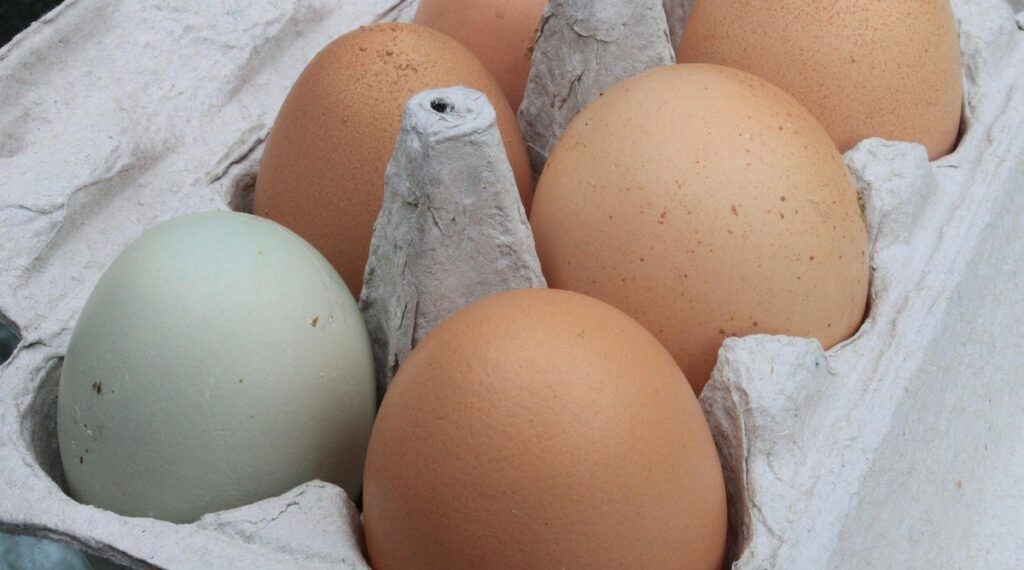
Introduction to Rhode Island White Eggs
Let’s start with the basics – we’ll dive into what exactly defines a true Rhode Island White egg, and how it affects its color.
Origin and History of Rhode Island White Chickens
The Rhode Island White chicken breed has its roots in the United States, specifically in New England, where it was developed in the early 19th century. The primary purpose of breeding this strain was to produce high-quality eggs for commercial sale. The name ‘Rhode Island’ is somewhat misleading, as the breed was not exclusively from Rhode Island, but rather a broader region that included parts of Massachusetts and Connecticut.
Initially, farmers bred these chickens for their ability to lay large numbers of clean, white eggs. This trait made them highly sought after by local markets, which in turn led to their widespread adoption across New England. As the breed’s popularity grew, it became clear that Rhode Island Whites possessed desirable characteristics beyond just egg production – they were also known for their friendly demeanor and relatively low-maintenance upkeep.
Throughout history, Rhode Island White chickens have remained a staple in backyard flocks and commercial operations alike due to their ability to adapt well to various environments.
Characteristics of Rhode Island White Chicken Eggs
Rhode Island White chicken eggs are known for their exceptional characteristics that make them a favorite among backyard chicken keepers and egg enthusiasts. When it comes to the physical appearance of these eggs, they tend to have an off-white or cream-colored shell with a smooth texture.
One distinct feature of Rhode Island White eggs is their relatively large size compared to other breeds. On average, a single egg can weigh around 50-55 grams, making them suitable for baking and cooking purposes. In terms of shape, these eggs are typically elongated with rounded ends, adding to their appealing appearance.
The eggshell color may vary slightly depending on the individual bird’s genetics, but it usually ranges from a light cream to a pale beige hue. Some owners have reported noticing subtle differences in shell texture as well, although this is not unique to the Rhode Island White breed.
If you’re keeping Rhode Island Whites, it’s worth noting that their egg-laying ability can be quite consistent, with many hens producing large eggs daily.
Understanding Egg Color Genetics
Let’s dive into the fascinating world of egg color genetics, where we’ll explore the specific factors that influence the beautiful colors found in Rhode Island White eggs. You’ll gain a solid understanding of the genetic processes at play.
Basics of Eggshell Pigmentation
Eggshell pigmentation is largely determined by the presence of porphyrins and proteins. Porphyrins are responsible for the egg’s natural brown color, while proteins like ovotransferrin and ovomucoid can mask or enhance this pigment. In breeds with white eggs, such as Rhode Island Whites, the genetic makeup allows for minimal production of these pigments, resulting in an eggshell appearance that is predominantly white.
However, even in breeds with white eggs, other factors like diet and environmental conditions can cause variations in eggshell color. For example, high levels of certain minerals or vitamins can lead to the formation of small brown spots on the eggshell, a phenomenon known as “speckling.” Additionally, exposure to sunlight can cause eggs to become more yellow or cream-colored over time.
To maximize the chances of achieving white eggs with minimal pigmentation, breeders often prioritize selective breeding for specific genetic traits. By understanding the role of porphyrins and proteins in eggshell pigmentation, you can better appreciate the intricacies involved in determining the color of your Rhode Island White eggs.
Inheritance Patterns of Eggshell Colors in Rhode Island Whites
The inheritance patterns of eggshell colors in Rhode Island Whites are fascinating and can be broken down into simple genetic principles. To understand this, let’s first consider the dominant and recessive alleles that determine egg color.
In Rhode Island Whites, the gene for white eggs is a dominant allele, denoted as W. The presence of one W allele will express itself over the influence of any other allele, resulting in white eggs. However, when two W alleles are present (one from each parent), they create a heterozygous genotype, which further reinforces the production of white eggs.
On the other hand, the recessive allele for yellow or brown eggshell colors is represented by w. For an individual to express a non-white egg color, they must inherit two w alleles. When one W and one w allele are present (one from each parent), it creates a heterozygous genotype that can produce either white or yellow/brown eggs.
Understanding these genetic principles allows breeders to predict the possible egg colors of their Rhode Island White chicks based on the parents’ genotypes, enabling informed decisions for selective breeding.
Variations in Rhode Island White Egg Colors
You might be wondering if all Rhode Island White eggs have the same pale cream color, but did you know there are some notable variations? Let’s explore the different shades and nuances of this popular egg color.
Light Brown Eggs from Rhode Island Whites
Light brown eggs are indeed produced by Rhode Island White chickens, although they’re not as common as some other colors. These eggs typically have a lighter shade of brown, often described as a “shell” color rather than a deep, rich brown.
The intensity and frequency of light brown eggs from Rhode Island Whites can vary depending on several factors, including the chicken’s diet, living conditions, and genetics. For instance, if your flock has access to pasture, you might notice a more varied egg production in terms of color, with some eggs being lighter or darker than others.
On average, about 10-15% of Rhode Island White chickens will lay light brown eggs, although this can range from as low as 5% to as high as 25%. This variation makes it essential for breeders and owners to regularly inspect their hens’ egg production to identify any changes or deviations in color.
In terms of practical advice, if you’re looking to increase the chances of your Rhode Island White chickens laying light brown eggs, consider providing them with a balanced diet rich in calcium and other essential nutrients. This can help support overall health and potentially lead to more varied egg production.
Cream or Pale Yellow Eggs from RIWs
The Rhode Island White (RIW) breed is known for its egg-laying prowess, but did you know that these eggs can come in a range of colors beyond the traditional white? While cream and pale yellow eggs might not be as common as their white counterparts, they are indeed possible due to specific genetic factors.
When it comes to determining the color of an RIW’s eggshell, genetics play a significant role. Research suggests that two primary genes – one responsible for the presence or absence of brown pigment (B) and another controlling the intensity of this pigment (C) – work together to create various shades of eggs. Specifically, the interaction between these two genes can result in cream or pale yellow eggshells.
In simple terms, a combination of certain alleles (forms of a gene) within an RIW’s genetic makeup can cause the eggshell to appear more tinted than pure white. This phenomenon is often attributed to the breed’s diverse ancestry and the complex interactions between its genes.
Factors Affecting Rhode Island White Egg Colors
Factors that influence the color of Rhode Island White eggs can vary depending on several key elements, such as nutrition and genetics. Let’s break down these factors to gain a deeper understanding.
Nutritional Influences on Eggshell Pigmentation
Nutrition plays a significant role in determining eggshell pigmentation. The diet of Rhode Island White hens can affect the production of melanin, a pigment responsible for eggshell coloration. A lack of essential nutrients can lead to an imbalance in melanin levels, resulting in lighter or darker eggs.
Vitamin deficiencies are particularly noteworthy. For instance, a deficiency in vitamin B2 (riboflavin) has been linked to pale-colored eggs due to reduced melanin production. On the other hand, high amounts of dietary tryptophan can increase eggshell pigmentation by promoting the synthesis of melanin.
Incorporating a balanced diet rich in essential nutrients is crucial for maintaining optimal eggshell coloration. This includes providing adequate access to fresh vegetables, fruits, and whole grains. Farmers can also supplement their hens’ diets with vitamin and mineral supplements if necessary.
For example, studies have shown that adding 50mg of vitamin B2 per kilogram of feed can improve melanin production by up to 20%. Similarly, increasing the intake of beta-carotene, a precursor to vitamin A, has been linked to darker eggshell pigmentation.
Health Considerations for RIW Egg Color Variation
When it comes to Rhode Island White (RIW) egg color variation, many flock owners and enthusiasts wonder if changes in eggshell color or production rates could be indicative of underlying health issues. As it turns out, the relationship between RIW egg colors and health is more complex than you might think.
Research has shown that minor variations in eggshell color can be a natural occurrence within this breed due to genetic factors. However, if you notice sudden changes in egg production or shell quality, it may be worth investigating potential health issues. For instance, a decrease in egg production could be a sign of nutritional deficiencies, parasite infestations, or other underlying health problems.
To mitigate the risk of health-related issues associated with RIW egg color variation, make sure to provide your flock with a balanced and nutritious diet that meets their specific needs. Regular veterinary check-ups can also help identify any potential health concerns early on. If you do experience changes in egg production or shell quality, consult with a qualified poultry expert or veterinarian for personalized advice. By staying vigilant and proactive, you can enjoy healthy and happy RIW hens while minimizing the risk of related health issues.
Breeding and Selecting Rhode Island White Chickens for Desired Traits
When breeding and selecting Rhode Island White chickens, you’ll want to focus on traits that enhance their egg-laying abilities while maintaining their signature characteristics. This involves careful consideration of genetics and selection methods.
Breeding Objectives for Rhode Island White Egg Colors
When breeding Rhode Island Whites for desired egg colors, breeders must set clear objectives to maintain or modify the range of colors produced. The primary goal is to achieve a consistent and predictable coloration that meets market demands. Breeders can focus on specific egg color traits such as blue, green, pink, white, brown, or olive.
To achieve these objectives, breeders must consider factors like genetics, nutrition, and environmental influences. A breeding program may involve selecting birds with desirable traits and mating them to produce offspring with the desired characteristics. For example, if a breeder wants to increase the frequency of blue eggs in their flock, they can select parents that have already produced blue eggs and breed them together.
A key consideration is maintaining genetic diversity within the flock while focusing on specific color traits. Breeders should also be aware of the potential for unintended consequences, such as reduced fertility or viability, when selectively breeding for specific characteristics. By setting clear objectives and managing the breeding program carefully, Rhode Island White breeders can successfully modify the range of egg colors produced by their birds.
Selection Methods for Enhancing Egg Color Diversity
When it comes to selecting and breeding Rhode Island Whites for specific egg color traits, several methods are employed. Pedigree selection is a key strategy, where breeders review the ancestry of individual birds to identify those with desirable genetic markers associated with eggshell coloration. This process can be time-consuming but allows breeders to make informed decisions about which birds to mate.
Genetic testing is another valuable tool in this process. By analyzing DNA samples from Rhode Island Whites, breeders can identify specific genetic variants linked to various eggshell colors. This information enables them to pinpoint the most effective breeding combinations for achieving their desired egg color outcomes.
For example, a breeder aiming to produce more blue or green eggs might select birds with the OCA2 gene variant, which has been shown to influence these colors. By combining this knowledge with careful pedigree selection and regular monitoring of offspring, breeders can successfully enhance egg color diversity within their Rhode Island White flocks.
Conclusion: The Importance of Rhode Island White Egg Colors Range
In conclusion, understanding the Rhode Island White egg colors range is crucial for backyard chicken keepers and egg enthusiasts. Not only does it help determine the quality and fertility of eggs, but it also affects the overall health of your flock. By being aware of the different color variations, you can identify potential issues early on and take corrective measures to ensure a healthy and thriving flock. This knowledge will not only benefit you as an egg producer but also contribute to maintaining the integrity of the Rhode Island White breed. Whether you’re a seasoned chicken owner or just starting out, it’s essential to familiarize yourself with this range to provide the best care for your birds.
Frequently Asked Questions
What factors contribute most to the variation in eggshell color among Rhode Island White chickens?
While genetics play a significant role, nutritional influences also impact eggshell pigmentation. A balanced diet rich in calcium, vitamin D3, and other essential nutrients can promote healthy shell development and coloration.
How long does it take to notice a change in eggshell color after introducing selective breeding practices?
Selective breeding for specific traits like eggshell color takes time – typically 5-10 generations of consistent selection. However, individual birds may start showing noticeable changes within 2-3 generations, depending on their genetic makeup and environmental factors.
Can Rhode Island White chickens produce eggs in other colors besides the traditional light brown and cream?
While these breeds are known for producing light-colored eggs, some individuals can lay pale yellow or even blue-green eggs due to unique genetic combinations. However, these instances are relatively rare and usually require careful breeding selection.
Are there any health implications associated with the varying eggshell colors produced by Rhode Island White chickens?
Generally, no – the color of an eggshell has little to do with its nutritional content or the hen’s overall health. However, if you notice a sudden change in eggshell color or other unusual characteristics, consult a veterinarian to rule out any potential health issues.
How can I encourage my Rhode Island White hens to produce eggs in a range of colors?
While there’s no guaranteed way to induce specific eggshell colors, maintaining a balanced diet and ensuring optimal living conditions can promote overall health and egg production. Also, consider cross-breeding with other breeds or selecting for specific traits through careful selection practices.