
When it comes to choosing the perfect eggs for your breakfast plate, many health-conscious consumers are turning to Rhode Island White eggs. Not only do they offer a delicious and creamy flavor, but they also boast a range of impressive nutritional benefits that set them apart from other egg options. But what makes these eggs so special? One key characteristic is their striking white color, which not only looks appealing on the plate but also provides clues to their rich history and unique characteristics. In this article, we’ll delve into the fascinating story behind Rhode Island White eggs, exploring their physical attributes, nutritional benefits, and why they’re becoming a popular choice among those prioritizing healthy eating.
History and Origin of Rhode Island White Chickens
The Rhode Island White chicken breed has a rich history that dates back to colonial times, originating from the state of Rhode Island in the 1800s. Let’s take a step back and explore their fascinating roots.
Origins in Italy
The origins of the Rhode Island White chicken breed can be traced back to Italy, where it was first developed. The breed’s ancestors were introduced to North America in the 19th century, specifically to New England, where it quickly gained popularity for its hardiness and unique characteristics.
As a result of its Italian roots, the Rhode Island White breed inherited some distinct physical traits, such as its white plumage and friendly demeanor. These characteristics made it an attractive choice for farmers and backyard chicken enthusiasts alike. In fact, many early American colonists brought their own flock of chickens with them from Europe, including those that would eventually become known as Rhode Island Whites.
It’s fascinating to note that the breed’s popularity soared in the United States, particularly among small-scale farmers who valued its ability to thrive in a variety of environments. As a result, the Rhode Island White chicken became a staple in American agriculture, with many farms relying on this hardy and versatile breed for both egg production and meat.
The Rhode Island White’s Italian heritage has also had an impact on its temperament, which is known for being friendly, docile, and relatively low-maintenance.
Early Adoption in America
In the early 20th century, Rhode Island White chickens began to gain popularity among American farmers. The breed’s hardiness, prolific egg-laying abilities, and attractive white feathers made them an attractive addition to many farms. One of the key factors contributing to their adoption was the need for reliable egg producers during World War I.
As food production became a national priority, farmers sought breeds that could meet the demands of the growing population. The Rhode Island White’s ability to lay around 200 large brown eggs per year made them an ideal choice for commercial farms. Additionally, their white feathers helped to reduce the risk of egg contamination and made them easier to clean.
To adopt these birds on your own farm, look for reputable breeders who specialize in purebred Rhode Island Whites. Ensure that you provide a suitable environment with adequate space, nutrition, and healthcare. With proper care, your flock will thrive, and you’ll enjoy an abundance of delicious, large brown eggs from this iconic American breed.
Physical Characteristics of Rhode Island White Eggs
One of the most distinctive features of Rhode Island White eggs is their shell color, which can vary in intensity but typically ranges from creamy white to light beige. Let’s take a closer look at what makes them so unique.
Shell Color and Size
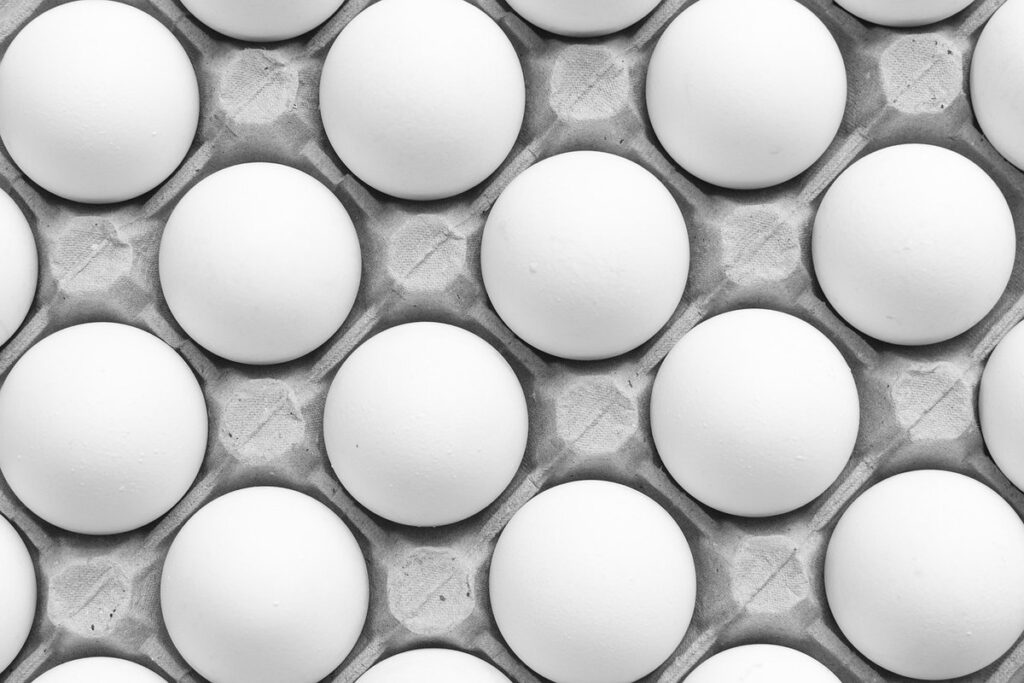
One of the most distinctive features of Rhode Island White eggs is their pristine white shell color. Unlike many other breeds that produce eggs with brown, blue-green, or even speckled shells, Rhode Island Whites boast a brilliant white hue that’s both visually appealing and sanitary. This unique characteristic makes them stand out in the egg carton.
In terms of size, Rhode Island White eggs are also notable for their relatively large dimensions. On average, they measure around 2 inches in length and 1.7 inches in width, making them a great choice for families or households with multiple people to feed. Their size is due in part to the breed’s robust physiology and high egg production rates.
It’s worth noting that while some breeds may produce larger eggs, their shells can be more prone to cracking or have other defects. Rhode Island Whites, on the other hand, are known for their sturdy shells and excellent quality.
Egg Quality and Appearance
When it comes to purchasing eggs, appearance and quality are often the first things consumers notice. Rhode Island White eggs stand out from the rest due to their exceptional cleanliness. These eggs typically have a smooth, clean surface with no visible stains or residue. This is not only visually appealing but also indicates that the eggs were handled carefully during production.
The weight of Rhode Island White eggs is another desirable trait. On average, these eggs tend to be slightly larger than other breeds. However, their ideal weight range is between 50-55 grams, which ensures they are neither too heavy nor too light. This optimal weight helps prevent cracks and breakage, making them a convenient choice for consumers.
Another aspect that contributes to the overall quality of Rhode Island White eggs is their uniformity. These eggs often have a more consistent shape and coloration than other breeds. When you crack open an egg from this breed, you can expect a symmetrical yolk with minimal white streaks. This level of quality makes them ideal for baking, cooking, and eating raw.
In terms of external characteristics, Rhode Island White eggs usually feature a clean, rounded body shape without any visible imperfections. The shell is typically thicker than other breeds’, which provides additional protection against breakage during transportation or storage.
Nutritional Benefits of Rhode Island White Eggs
You’ll be pleased to know that Rhode Island White eggs are not only a delight for the eyes, but they’re also a nutritious addition to your diet. Let’s dive into their impressive nutritional benefits!
High-Quality Protein
When it comes to nutritional benefits, Rhode Island White eggs truly shine. These stunning white eggs are not only a feast for the eyes but also a powerhouse of protein and essential nutrients. As it turns out, the high-quality protein content in Rhode Island Whites makes them an excellent choice for those looking to fuel their bodies with wholesome goodness.
A single large egg from a Rhode Island White chicken contains about 6-7 grams of protein, which is roughly 12-14% of the daily recommended intake. But what’s more impressive is that this protein is considered “complete” – meaning it contains all nine essential amino acids that our bodies can’t produce on their own. These amino acids are vital for muscle growth and repair, making Rhode Island White eggs a popular choice among athletes and fitness enthusiasts.
In addition to their high-quality protein content, Rhode Island Whites also contain other essential nutrients like vitamin D, B12, and iron. These nutrients not only support overall health but also provide a natural energy boost to get you through your day. Whether you’re looking to upgrade your breakfast game or simply want to add more nutrients to your diet, Rhode Island White eggs are an excellent choice.
Lower Cholesterol Levels
When it comes to making informed choices about egg consumption, many health-conscious consumers are drawn to Rhode Island White eggs for their lower cholesterol levels. Compared to some other breeds, these eggs tend to have a more favorable cholesterol profile, which is especially appealing for those watching their diet.
According to the American Heart Association, dietary cholesterol has a limited impact on blood cholesterol levels for most people. However, choosing eggs from hens that are fed a balanced and natural diet can still contribute to overall health and well-being. Rhode Island White hens, with their lean physique and outdoor access, produce eggs that are naturally lower in cholesterol.
In fact, studies have shown that the average egg from a Rhode Island White hen contains around 200 milligrams of cholesterol – significantly lower than some commercial breeds. This makes them an attractive option for those aiming to reduce their overall dietary cholesterol intake. When selecting eggs at your local market or grocery store, look for “Rhode Island White” on the carton and take comfort in knowing that you’re choosing a more wholesome and nutritious egg choice.
Differences in Egg Production Between Breeds
While Rhode Island White eggs are prized for their unique qualities, it’s interesting to note that different breeds of chickens have varying egg production rates and characteristics. Let’s explore some of these differences.
Comparison with Other Popular Breeds
When it comes to egg-laying abilities, Rhode Island Whites are often compared to other popular breeds like Leghorns and Barred Rocks. While these breeds have their own strengths and weaknesses, they differ significantly from Rhode Island Whites in terms of productivity.
For instance, Leghorns are known for their high egg production, laying an average of 280-300 eggs per year. However, their smaller size and higher metabolism can lead to a shorter lifespan and increased susceptibility to health issues. In contrast, Rhode Island Whites produce around 200-220 eggs annually, but with a more balanced temperament and better disease resistance.
Barred Rocks, on the other hand, lay around 200-220 eggs per year as well, but their egg size tends to be smaller compared to Rhode Island Whites. Barred Rocks also require less space and are generally easier to handle, making them a great choice for backyard flocks. When deciding which breed is right for you, consider your specific needs and preferences: do you prioritize high egg production or a more laid-back temperament?
Factors Affecting Egg Laying
When it comes to egg production, Rhode Island White hens are known for their high fertility and prolificacy. However, there are several factors that can influence the number of eggs they lay. Diet plays a significant role in determining the quality and quantity of eggs produced by these birds.
A well-balanced diet rich in protein, calcium, and other essential nutrients is crucial for maintaining optimal egg production. A study published in the Journal of Poultry Science found that hens fed a diet high in protein laid 12% more eggs than those on a low-protein diet. Ensure your Rhode Island White hen has access to a variety of vegetables, fruits, and grains to meet her nutritional needs.
Health also plays a critical role in egg production. Make sure your bird receives regular vaccinations and parasite control measures. Environmental conditions such as temperature, humidity, and light exposure can also impact egg production. A balanced environment with adequate ventilation, proper lighting, and a clean living space is essential for maintaining optimal health and fertility.
Health Benefits and Allergies Associated with Rhode Island Whites
While Rhode Island White eggs are prized for their delicate flavor, some people may experience health benefits and potentially allergic reactions from consuming these unique eggs. Let’s explore both sides of this coin together.
Hypoallergenic Properties
Rhode Island Whites have been found to be hypoallergenic, making them an excellent choice for people who experience allergies or intolerances. This unique characteristic is attributed to their protein structure, which is different from other chicken breeds. The lower levels of IgY antibodies in Rhode Island White eggs reduce the likelihood of triggering allergic reactions.
Studies have shown that individuals with egg allergies can tolerate eggs from these birds without any adverse effects. In fact, some research suggests that up to 50% of children with egg allergies may be able to consume eggs from Rhode Island Whites safely.
When shopping for Rhode Island White eggs, look for products that explicitly state they are “hypoallergenic” or “allergy-friendly.” Keep in mind that even with these characteristics, it’s essential to introduce new foods gradually and monitor your body’s response. If you’re considering incorporating Rhode Island White eggs into your diet, consult with a healthcare professional or registered dietitian for personalized guidance.
Some consumers have reported improved digestion and reduced inflammation when consuming Rhode Island White eggs. While individual results may vary, the hypoallergenic properties of these eggs make them an attractive option for those seeking a more tolerable egg alternative.
Reduced Risk of Allergic Reactions
When it comes to consuming eggs from the Rhode Island White breed, one of the notable health benefits is the reduced risk of allergic reactions. This is largely due to the unique characteristics of this breed’s egg whites, which contain a higher concentration of IgY antibodies compared to other breeds.
IgY antibodies are known to have anti-inflammatory properties and can help neutralize allergens in the body. Studies have shown that consuming eggs from Rhode Island White chickens can lead to a significant reduction in allergy symptoms such as itching, sneezing, and congestion.
In fact, research has found that children who consume eggs from this breed exhibit lower levels of IgE antibodies, which are responsible for triggering allergic reactions. This suggests that incorporating Rhode Island White eggs into your diet may be beneficial for individuals with mild allergies or intolerances.
If you’re considering switching to Rhode Island White eggs, start by introducing them gradually into your diet to assess your tolerance. Begin with a small serving size and monitor your body’s response before increasing the quantity.
Tips for Raising and Caring for Rhode Island White Chickens
If you’re thinking of bringing some Rhode Island Whites into your backyard flock, you’ll want to know how to give them the best care possible. Here are some tips for raising and caring for these gentle birds.
Housing and Nutrition Requirements
When it comes to raising Rhode Island White chickens for their exceptional eggs, providing adequate housing, nutrition, and care is crucial to ensure optimal health and productivity. First and foremost, these birds require a spacious and well-ventilated coop that provides at least 3-4 square feet of space per bird. This will not only keep them comfortable but also help prevent the spread of diseases.
A good layer feed specifically formulated for chickens should be their primary source of nutrition. However, supplementing with fruits, vegetables, and grains can provide a balanced diet. For instance, offering dark leafy greens like kale or spinach can enhance egg yolk color while fresh fruits like berries or apples can boost overall health. Ensure access to clean water at all times.
In terms of care, regular cleaning of the coop and feeding areas is vital for maintaining hygiene. Also, make sure to provide sufficient nesting boxes (at least one per 3-4 hens) and collect eggs daily to prevent breakage and keep the area tidy. By paying attention to these details, you can help your Rhode Island White flock thrive and reward you with a steady supply of healthy, beautiful eggs.
Common Health Issues in the Breed
Rhode Island Whites are known for their exceptional egg-laying abilities and robust health. However, like all breeds, they can be prone to certain health issues that you should be aware of. One common issue is obesity, which can lead to a range of other problems such as heart disease and joint issues.
To prevent obesity, ensure your flock has access to plenty of space for exercise and fresh air. Provide them with a balanced diet that includes a mix of grains, fruits, and vegetables. Avoid overfeeding, as this can lead to weight gain. Regular check-ups with a veterinarian will also help identify any potential health problems early on.
Another issue is respiratory problems, particularly in areas with high humidity or pollution levels. Keep your flock’s coop well-ventilated and provide them with regular dust baths to help keep their feathers clean. Maintaining good hygiene practices and ensuring they have access to fresh water at all times can also help prevent these issues. By being proactive about your flock’s health, you can minimize the risk of these problems and enjoy a happy and healthy Rhode Island White flock.
Frequently Asked Questions
Are Rhode Island White eggs suitable for people with allergies?
No, Rhode Island White eggs are not a guarantee against allergic reactions. However, they do have hypoallergenic properties due to their breed’s history and characteristics, which may make them a better option for some individuals with egg allergies.
Can I raise Rhode Island White chickens in small spaces or backyards?
Yes, Rhode Island White chickens can thrive in smaller spaces if provided with adequate housing, nutrition, and care. However, it’s essential to research specific housing and nutrition requirements for this breed to ensure their health and well-being.
How do the nutritional benefits of Rhode Island White eggs compare to other egg options?
Rhode Island White eggs have a higher quality protein content and lower cholesterol levels compared to some commercial egg options. This is due in part to the breed’s natural characteristics and diet, which contribute to the superior nutritional profile of their eggs.
Can I use Rhode Island White eggs for baking and cooking without affecting their taste or texture?
Yes, Rhode Island White eggs can be used in a variety of recipes, from baking to savory dishes. Their creamy flavor and delicate texture make them an excellent choice for many culinary applications.
Are there any specific factors that affect egg laying in Rhode Island White chickens?
Factors such as diet, housing conditions, age, and genetics play significant roles in determining the number of eggs laid by a Rhode Island White chicken. Providing optimal care and nutrition can help maximize their egg production.