
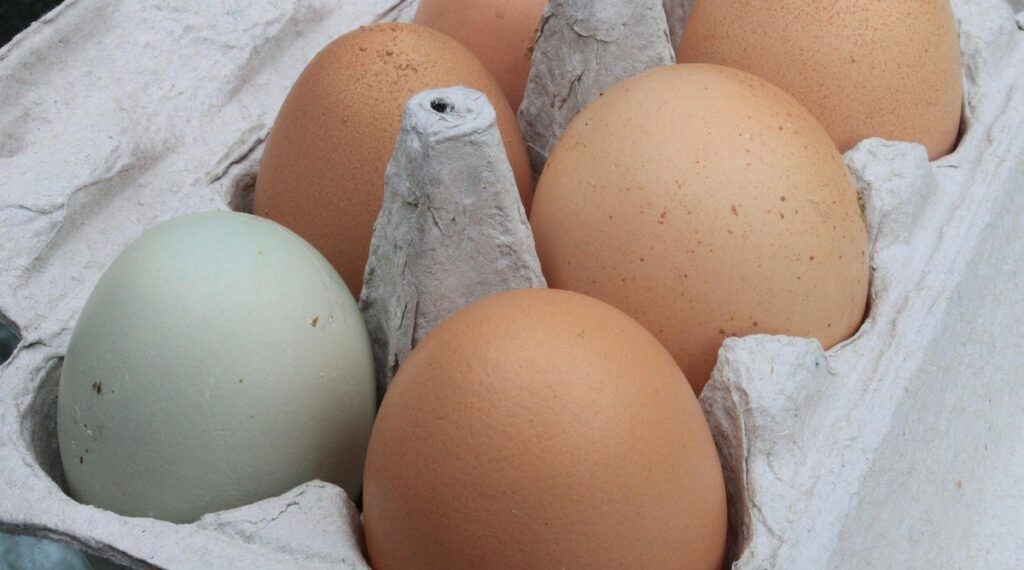
Rhode Island Whites are one of the most distinctive breeds in the world when it comes to their eggs. If you’ve ever cracked open an egg from this breed, you know exactly what we’re talking about: a light brown or pinkish tint that’s as unique as it is beautiful. But have you ever wondered why Rhode Island White eggs turn out this way? The answer lies in a combination of genetics and science, which we’ll explore in detail below.
As it turns out, the color of an eggshell has nothing to do with its nutritional value or taste – but everything to do with breeding and marketing opportunities. In this article, we’ll delve into the fascinating history behind Rhode Island White eggs, including their origins, characteristics, and why they’re so sought after by farmers and consumers alike. Whether you’re a seasoned chicken keeper or just curious about these stunning eggs, keep reading to discover the secrets behind their one-of-a-kind color.
Section 1: Introduction to Rhode Island White Eggs
Welcome to our journey into the world of Rhode Island white eggs, where we’ll explore their unique characteristics and fascinating history. Let’s start by understanding what makes these eggs truly special.
History of Rhode Island White Chickens
Rhode Island White chickens have been around for centuries, with their origins dating back to the early 19th century in Little Compton, Rhode Island. This breed was developed specifically for its exceptional egg-laying abilities and unique characteristics that contribute to the distinctive white egg color. One of the key factors contributing to this breed’s reputation is its ability to produce an impressive number of eggs per year – up to 200 large white eggs annually.
The Rhode Island White chicken‘s genetic makeup plays a crucial role in producing white eggs, thanks to its dominance of the ovotransferrin gene, which controls eggshell color. This characteristic has made them one of the most popular breeds among backyard chicken keepers and commercial farmers alike. Their adaptability and hardiness also make them an excellent choice for various climates and farming settings.
Their history is closely tied to their practical applications in agriculture, where they have been valued for their high-quality eggs and robust build. Today, Rhode Island White chickens continue to be a sought-after breed among chicken enthusiasts due to their impressive egg-laying abilities and rich history.
Importance of Heritage Breeds in Modern Agriculture
Heritage breeds like the Rhode Island Red continue to play a vital role in modern agriculture, despite being overshadowed by commercial varieties. One key reason for their importance lies in their genetic diversity, which is essential for maintaining the health and resilience of poultry populations. With each passing generation, commercial breeds are increasingly bred for specific traits such as rapid growth rates or high egg production, leading to a loss of genetic diversity.
This reduction in genetic variety can make flocks more susceptible to disease and reduce their overall hardiness. In contrast, heritage breeds have adapted over centuries to local conditions and environments, resulting in a unique set of characteristics that are beneficial for sustainable agriculture. By incorporating these breeds into modern farming practices, farmers can reduce reliance on antibiotics and other chemicals while maintaining high levels of productivity. As consumers become increasingly interested in locally sourced, environmentally friendly products, the value of heritage breeds is likely to continue growing.
Brief Overview of Rhode Island White Egg Characteristics
Rhode Island White eggs are distinct from other egg varieties due to their uniform size and shape. On average, they weigh around 2 ounces and measure approximately 1.9 inches long by 1.4 inches wide. This consistency is notable, as many other breeds produce eggs that vary in size and shape.
In terms of color uniformity, Rhode Island White eggs are characterized by a clean, white shell with minimal to no pink undertones. This evenness makes them particularly appealing for decorating purposes. When choosing eggs for crafting or baking, it’s essential to consider their appearance as well as their quality and freshness.
One key aspect to keep in mind when selecting Rhode Island White eggs is that they tend to be larger than those from other breeds, which can sometimes result in a slightly thicker shell. This may affect the balance of some recipes, so it’s crucial to adjust quantities accordingly. When using these eggs in cooking or baking, be mindful of their increased size and adjust your ingredients and cooking times as needed to ensure optimal results.
Section 2: The Science Behind White Egg Color
As we explore the distinctive white egg color of Rhode Island, let’s dive into the fascinating science behind its unique characteristics and how they’re achieved.
Pigmentation and Melanin in Chicken Eggs
When it comes to the unique white egg color of Rhode Island chickens, understanding the science behind pigmentation and melanin is crucial. You see, eggshell colors are determined by the interaction between two types of pigments: eumelanin and pheomelanin. Eumelanin produces brown and black pigments, while pheomelanin produces red and yellow pigments. The combination and concentration of these two pigments decide the final eggshell color.
For white eggs, a specific lack of melanin is responsible. Melanin is an essential protein that plays a vital role in producing pigment in chicken feathers, skin, and beak, but also in the eggshell itself. If there’s no or little melanin present, the eggshell will appear white due to the transparency of the shell membrane. Interestingly, genetics play a significant role in determining how much melanin is produced by an individual bird.
Interestingly, even small variations in melanin production can significantly impact eggshell color. For instance, some breeds may lay eggs with a light brown or pale pink tint, while others will produce pure white eggs due to their specific genetic makeup.
The Role of Diet and Nutrition in Eggshell Coloration
When it comes to eggshell coloration, diet and nutrition play a significant role. The pigmentation of an eggshell is influenced by various nutrients that are present in the hen’s feed. For example, carotenoids such as xanthophylls and canthaxanthin contribute to the yellow, orange, and red hues found in eggshells. However, when it comes to white eggs, the absence of these pigments allows the characteristic pale color to shine through.
In the case of Rhode Island hens, their diet is specifically formulated to promote a white eggshell color. Feed manufacturers often include a combination of nutrient-dense ingredients and supplements that help to minimize the production of yellow and brown pigments. This can be achieved by providing a balanced mix of protein sources, vitamins, and minerals.
Some examples of nutrients that affect pigmentation in eggs include:
* Lutein and zeaxanthin: These carotenoids contribute to egg yolk color but also impact eggshell pigmentation.
* Vitamin A: Essential for maintaining healthy skin and mucous membranes, vitamin A can influence the production of pigment.
* Copper: This essential mineral plays a role in melanin production, which affects eggshell color.
By understanding the relationship between diet and eggshell coloration, farmers and backyard chicken enthusiasts can better manage their flock’s nutrition to promote the desired characteristics.
Factors Affecting Eggshell Color Uniformity
When it comes to the uniformity of white eggshell color, several factors come into play. On one hand, genetics play a significant role in determining an egg’s shell characteristics, including its color and texture. The Rhode Island Red breed, for instance, has been selectively bred over generations to produce eggs with a distinctively creamy white color. However, even within this breed, individual hens may exhibit variations in their eggshell color due to genetic differences.
On the other hand, environmental factors such as diet, stress levels, and health conditions can also impact eggshell uniformity. For example, a poor-quality feed that lacks essential nutrients like calcium or protein can lead to duller, more unevenly colored eggs. Similarly, hens under high stress may produce eggs with irregular shell patterns due to hormonal imbalances.
In addition to these factors, other environmental considerations such as temperature and humidity levels also play a role in determining eggshell color uniformity. For instance, extremely hot or cold temperatures can cause the hen’s body to produce more or less calcium, leading to changes in eggshell color and texture.
By controlling these factors through proper breeding, nutrition, and environmental management, farmers can help ensure that their Rhode Island Red hens produce eggs with consistent, creamy white shells.
Section 3: Rhode Island White Chickens: Breed Characteristics and Traits
Let’s dive into the distinctive breed characteristics of Rhode Island White chickens, a crucial aspect of understanding their unique egg color. These birds boast a few notable traits that set them apart from other breeds.
Physical Characteristics of Rhode Island Whites
Rhode Island Whites are a medium-sized breed, with roosters weighing between 8 and 12 pounds and hens weighing between 6 and 9 pounds. They have a compact, sturdy build that makes them well-suited for backyard flocks.
When it comes to plumage, Rhode Island Whites are known for their crisp, clean white feathers that provide excellent insulation against the elements. Their feathers are also relatively easy to maintain, requiring less upkeep than some other breeds with more elaborate coat patterns. In fact, many breeders and owners appreciate the simplicity of this breed’s appearance, which makes them a great choice for those who want low-maintenance yet attractive chickens.
The feather pattern on Rhode Island Whites is typically clean and smooth, without any distinctive markings or stripes. This helps to create a uniform appearance that adds to their visual appeal. Of course, individual birds may vary in terms of exact weight and plumage characteristics, but overall this breed is prized for its classic, timeless looks that never go out of style.
Temperament and Behavior of Rhode Island Whites
Rhode Island Whites are renowned for their exceptional temperament, making them an ideal choice for backyard chicken keepers. Their docile nature allows children to interact with them safely, and they adapt well to being handled, which is a significant advantage over other breeds. This breed’s calm demeanor also enables them to thrive in smaller spaces, such as urban backyards or small farms.
One of the most notable aspects of Rhode Island Whites’ temperament is their ability to forage effectively, making them relatively low-maintenance pets. They are known to roam freely and eat insects, which can help reduce pests and maintain a healthier environment around your property. However, they do require regular exercise to keep them stimulated, so incorporating activities like free-ranging or providing puzzle toys will ensure their mental well-being.
Their friendly and outgoing personalities also make them an excellent choice for families with multiple children or for those who want to integrate chickens into their social gatherings. Overall, the Rhode Island White’s gentle nature and adaptability have earned it a special place in the hearts of many chicken enthusiasts.
Breeding and Genetics of Rhode Island Whites
The genetics behind the Rhode Island White’s egg-laying prowess is just as fascinating as its appearance. This breed owes its unique traits to a combination of genetic factors that have been carefully selected and refined over centuries. To start with, the Rhode Island White’s egg color is primarily due to a lack of pigmentation in the shell. The absence of melanin, responsible for darkening the eggs, results in their characteristic white hue.
In terms of fertility, breeders have identified specific genetic markers that contribute to the Rhode Island White’s exceptional reproductive abilities. Research has shown that certain genetic variations can lead to improved egg production and reduced embryonic mortality. By selectively breeding for these traits, farmers can optimize the breed’s performance and ensure consistent high-quality eggs.
While genetic selection is crucial in determining a chicken’s fertility and egg color, it also requires careful consideration of other factors such as nutrition, health, and environmental conditions. By striking the right balance between genetics, management, and husbandry practices, poultry enthusiasts can unlock the full potential of this remarkable breed.
Section 4: Raising Rhode Island White Chickens for White Eggs
When it comes to raising Rhode Island White chickens specifically for their white eggs, there are a few key things to keep in mind. Proper management and care will be crucial in achieving consistent egg-laying results.
Starting a Flock: Choosing Healthy Birds and Establishing a Brooder
When starting a flock of Rhode Island White chickens for their prized white eggs, selecting healthy chicks and establishing a brooder is crucial. This will ensure optimal growth and development, setting your birds up for a long and productive laying life.
To choose healthy chicks, look for those that are active, have bright eyes, and no visible deformities or marks on the beak, face, or legs. Check for plumpness, as underweight chicks can struggle to thrive. Breeders often provide information about their birds’ health status, so ask questions if you’re unsure.
A well-designed brooder is essential for keeping your chicks safe and warm. A minimum of 1-2 square feet of space per chick should be provided, with adequate ventilation and heating. Bedding material such as pine shavings or straw can help keep the area clean. The ideal temperature range for a brooder is between 90°F to 100°F (32°C to 38°C) for the first week, gradually decreasing by about 5°F each week.
It’s also vital to ensure proper lighting and nutrition. Chicks need access to a high-quality starter feed as well as fresh water at all times. Avoid overcrowding, which can lead to health issues like respiratory problems or stress-related behavior.
Nutrition and Feed Requirements for Laying Hens
When it comes to raising laying hens, providing the right nutrition is crucial for supporting egg production. Rhode Island White chickens are prolific layers, producing an average of 200-300 large white eggs per year. To ensure they reach their full potential, you’ll want to focus on a balanced feed formula that meets their nutritional needs.
A good starting point is to provide a layer feed with the following components: 16-18% protein, 2-4% calcium, and 1-2% phosphorus. You can also supplement with oyster shells or crushed eggshells to provide an extra boost of calcium. For example, you could try mixing in some sunflower seeds, which are high in protein and rich in fatty acids.
Some popular balanced feed formulas for laying hens include Purina Layena and Manna Pro Layer Feed. These feeds are specifically formulated to meet the nutritional needs of laying hens, promoting healthy egg production and overall well-being. By providing a nutrient-rich diet, you’ll be supporting your Rhode Island White chickens’ ability to produce those beautiful white eggs that make them so special.
Best Practices for Egg Collection and Storage
Regular egg collection is crucial to ensure the health and happiness of your Rhode Island White hens. It’s essential to collect eggs at least once a day, as leaving them in the nesting box for extended periods can cause breakage, contamination, or even predation by other animals. To make this process easier, designate a specific person or task to collect eggs daily.
When it comes to storing your collected eggs, temperature control is vital. Store them in a cool, dry place with consistent temperatures between 39°F and 45°F (4°C and 7°C). Avoid direct sunlight, as it can cause the eggs to degrade quickly. Keep the storage area clean and free of odors, which can affect egg quality.
For long-term storage, you can use specialized egg cartons or containers specifically designed for egg preservation. These containers provide a controlled environment that maintains humidity levels and prevents moisture buildup, ensuring your eggs remain fresh for several weeks. To extend their shelf life even further, consider storing them in the refrigerator at 40°F (4°C) or below.
Section 5: Marketing and Selling White Eggs from Rhode Island Whites
Now that you’ve learned about the characteristics of Rhode Island Whites, let’s discuss how to market and sell their unique eggs successfully in today’s competitive market. We’ll explore strategies for highlighting this specialty egg’s appeal.
Target Market and Niche Opportunities
When it comes to marketing and selling white eggs from Rhode Island Whites, identifying the right target market is crucial. One of the most obvious opportunities lies in farmers’ markets. These events attract customers who are looking for fresh, high-quality products and are often willing to pay a premium for locally sourced items.
Specialty grocery stores also present a promising niche opportunity. These stores typically cater to health-conscious consumers who prioritize the quality and origin of their food. By partnering with these stores, you can tap into this demographic and showcase the unique characteristics of Rhode Island White eggs.
Consider focusing on stores that specialize in organic or locally sourced products, as they are more likely to appreciate the distinctiveness of your eggs. Additionally, don’t underestimate the power of social media and online platforms in reaching potential customers. Utilize platforms like Instagram and Facebook to share stories about your farm, highlight the benefits of Rhode Island White eggs, and connect with consumers who value sustainability and quality.
Ultimately, successful marketing relies on understanding your target audience’s needs and preferences. By identifying and catering to these demands, you can build a loyal customer base and establish a strong reputation for your product.
Pricing and Profitability Strategies
When marketing and selling white eggs from Rhode Island Whites, breeders and producers must consider pricing and profitability strategies to remain competitive. One key aspect is understanding the target market’s willingness to pay for this unique egg color. Research has shown that consumers are willing to pay a premium for high-quality, locally sourced products, which includes specialty eggs like those produced by Rhode Island Whites.
To price these eggs competitively while ensuring profitability, consider the following strategies:
• Determine your costs: Calculate the cost of production, including feed, labor, and overhead expenses.
• Research market prices: Analyze what similar farms or producers are charging for their white eggs.
• Set a premium price: Based on your research, set a price that reflects the value added by your Rhode Island Whites, such as their exceptional egg color, rich flavor, and nutritional profile.
By understanding your costs and pricing these eggs competitively, you can maintain profitability while meeting the growing demand for specialty eggs.
Regulations and Certifications for Marketing Heritage Breeds
When marketing heritage breeds like the Rhode Island White, it’s essential to be aware of the regulations and certifications that can support their promotion. In the United States, for instance, the USDA regulates egg production, but there are specific guidelines for heritage breeds.
To promote Rhode Island Whites, consider obtaining certification through programs such as the American Poultry Association (APA) or the Livestock Conservancy’s Heritage Breeds Program. These certifications can help you differentiate your eggs and connect with consumers who value authenticity and sustainability.
For example, the APA’s Certified Legacy Breed program recognizes breeds like the Rhode Island White for their unique characteristics and historical significance. Similarly, the Livestock Conservancy’s Heritage Breeds Program supports conservation efforts by promoting heritage breeds through various marketing channels.
When navigating regulations, keep in mind that labels like “heritage breed” or “heirloom egg” might require specific documentation and compliance with labeling guidelines. Research local regulations and consult with relevant authorities to ensure you’re meeting all necessary requirements. By understanding these regulations and leveraging certifications, you can effectively promote the unique qualities of Rhode Island White eggs and connect with consumers who appreciate their heritage value.
Section 6: Conclusion and Future Prospects
As we conclude our exploration of Rhode Island’s distinctive white egg color, let’s take a moment to reflect on what we’ve learned and consider future directions for research.
Recap of Key Takeaways
In summary, we’ve explored the fascinating world of Rhode Island White eggs, uncovering their unique characteristics and origins. This breed’s distinctive white egg color is not only aesthetically pleasing but also a result of its genetic makeup. We’ve discussed how the Rhode Island Red’s influence on the breed contributed to this trait, as well as the importance of nutrition and health in determining eggshell color.
When it comes to choosing Rhode Island White chickens for your flock, consider the following key points: look for birds with a strong genetic foundation, provide a balanced diet rich in calcium, and ensure optimal health through regular veterinary check-ups. By doing so, you’ll be well on your way to hatching beautiful white eggs from your very own Rhode Island Whites.
Some final takeaways to keep in mind include the breed’s moderate egg-laying capacity, averaging around 200 brown or white eggs per year, depending on factors like nutrition and living conditions. Additionally, their friendly and docile nature makes them an excellent choice for backyard flocks and small farms. By understanding these characteristics, you can make informed decisions about adding Rhode Island Whites to your poultry collection.
Final Thoughts on Preserving Heritage Breeds
As we conclude our exploration of the unique white egg color of Rhode Island chickens, it’s essential to reflect on the importance of preserving rare breed genetics. These heritage breeds have been carefully cultivated over centuries, and their genetic makeup holds a wealth of knowledge for improving agricultural sustainability.
Preserving heritage breeds is crucial not only for maintaining biodiversity but also for ensuring the long-term health and resilience of our food systems. By saving these unique genetics, we safeguard against the loss of crop diversity and maintain the adaptability that rare breeds possess. This adaptability enables them to thrive in diverse environments, making them an invaluable resource for sustainable agriculture.
One of the key benefits of preserving heritage breeds is their potential to improve agricultural sustainability through cross-breeding programs. By combining the unique genetic traits of these breeds with modern strains, farmers can develop hardier, more resilient crops that require fewer resources and inputs. This approach has already shown promise in various regions, where heritage breed-based crop varieties have outperformed traditional ones under stress conditions.
If you’re considering working with heritage breeds or incorporating them into your farm’s genetic diversity program, start by researching the specific characteristics and needs of the breed(s) you’re interested in. Reach out to local farmers, breeding programs, or organizations dedicated to preserving rare genetics for guidance and support. With careful planning and a commitment to preservation, we can ensure that these incredible breeds continue to contribute to sustainable agriculture for generations to come.
Frequently Asked Questions
Can I hatch my own Rhode Island White chickens to produce white eggs?
Yes, you can hatch your own Rhode Island White chickens, but make sure to purchase fertile eggs from a reputable breeder or supplier that specializes in heritage breeds. This will ensure the highest chance of successfully hatching healthy chicks. It’s essential to research and understand the specific needs of these birds, including their diet, housing, and health requirements.
How do I maintain the unique eggshell coloration of my Rhode Island White chickens?
To preserve the distinctive light brown or pinkish tint of your Rhode Island White eggs, it’s crucial to provide your hens with a balanced diet rich in nutrients. Include plenty of fresh fruits, vegetables, and whole grains in their feed, as well as adequate access to sunlight and fresh water. Avoid over-supplementing with artificial color enhancers, which can damage the birds’ health.
Can I raise Rhode Island White chickens in small backyard flocks or are they best suited for large-scale farming?
Rhode Island Whites can thrive in both small backyard flocks and larger commercial farms. However, their unique characteristics make them more suitable for smaller scale operations where individual bird care is easier to manage. With proper attention to nutrition, health, and housing, these birds can excel in a variety of settings.
How do I determine the nutritional needs of my Rhode Island White chickens?
To ensure your Rhode Island Whites are receiving the nutrients necessary for optimal egg production and shell coloration, consider consulting with a poultry nutritionist or veterinarian. They will help you create a customized feeding plan based on factors such as age, weight, climate, and intended use (e.g., eggs vs. meat production). Keep in mind that heritage breeds often require more attention to their nutritional needs.
What are some common challenges I might face when raising Rhode Island White chickens for white eggs?
Common challenges associated with raising Rhode Island Whites include maintaining a consistent eggshell color, ensuring adequate nutrition and health, and managing bird behavior and temperament. Additionally, you may encounter issues related to breeding and genetics, such as fertility rates or hatchability. Be prepared to adapt your management strategies accordingly based on your specific situation and resources.