
If you’re an egg enthusiast or simply curious about the unique characteristics of different breeds, you’ll be fascinated by the Rhode Island White chicken. Originating from the United States, this breed is renowned for its striking white feathers and, more importantly, its distinctive eggs. But have you ever wondered why these eggs are so uniquely colored? From a genetic perspective to environmental influences, there’s more to eggshell color than meets the eye.
In this article, we’ll delve into the factors that determine the Rhode Island White eggs’ color range, exploring their history, characteristics, and care requirements. We’ll also make comparisons with other breeds to give you a comprehensive understanding of what sets these eggs apart. Whether you’re an avid homesteader or just starting your backyard chicken-keeping journey, learning about the intricacies of eggshell colors will help you appreciate the beauty and diversity of these hardworking hens.
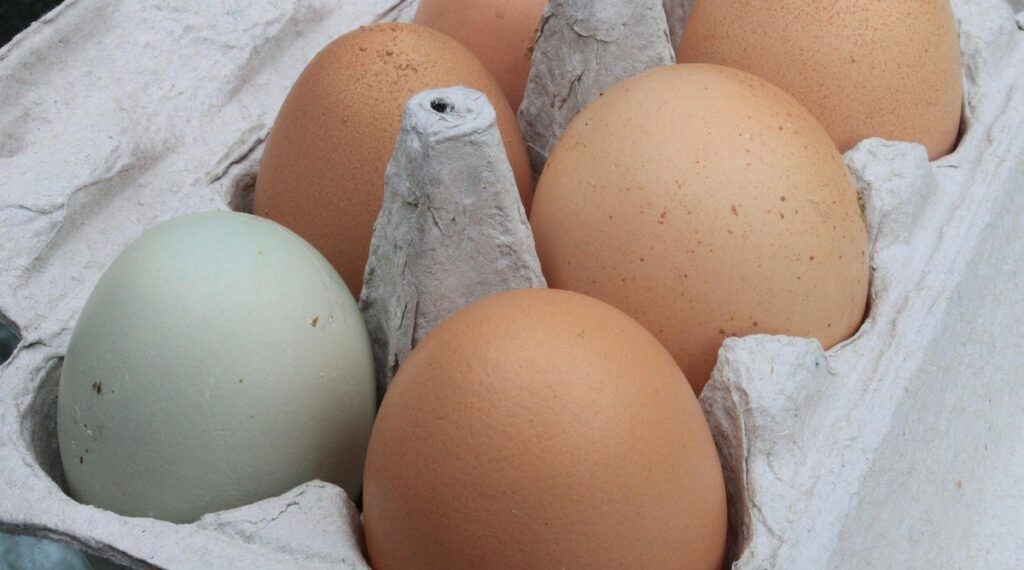
The History and Origin of Rhode Island Whites
Let’s dive into the fascinating story behind these unique eggs, tracing their history back to colonial America where they were first bred. They quickly became a favorite among farmers and cooks alike for their exceptional qualities.
Early Breed Development
The Rhode Island White breed has its roots dating back to the early 20th century when chicken enthusiasts in the United States began experimenting with different breeds to create a bird that excelled in egg-laying and had exceptional hardiness. These pioneers were driven by the desire to produce an egg-laying machine that could thrive on less-than-ideal farm conditions, without compromising on the quality of its eggs.
In 1909, a group of Rhode Island chicken breeders came together to create a new breed that would epitomize these traits. After years of careful selection and breeding, they finally succeeded in developing a bird that produced white-shelled eggs with exceptional consistency and quantity. The resulting bird was the Rhode Island White, which quickly gained popularity among farmers for its impressive egg-laying capacity.
The early breed development laid the foundation for what we know today as one of the most sought-after breeds for backyard chicken keepers – the Rhode Island White. Its history is a testament to human ingenuity and the passion of poultry enthusiasts who dared to dream big, resulting in a breed that has become synonymous with quality and reliability.
Key Characteristics in Color Range Development
The unique eggshell color range of Rhode Island Whites is a result of specific genetic traits that have been refined over time. To understand this development, it’s essential to recognize the breed’s origins as a workhorse, with its primary focus on robustness and fertility rather than ornamental purposes.
As a result, breeders prioritized characteristics like egg-laying capacity, hardiness, and disease resistance over the color of the eggs. However, some early breeders noticed that Rhode Island Whites tended to produce eggs with lighter shells, often described as “white” or “off-white.” This trait was initially seen as a minor characteristic but ultimately became a defining feature of the breed.
To develop this trait further, breeders selectively bred Rhode Island Whites to emphasize their eggshell color. They worked with various genetic combinations, identifying and refining the specific characteristics that contributed to the light-colored shells. Through this process, the breed’s egg-laying capacity was also improved, making Rhode Island Whites a sought-after choice for farmers seeking high-quality eggs. The combination of these factors has resulted in the distinctive eggshell color range associated with Rhode Island Whites today.
Physical Characteristics Affecting Eggshell Color
The physical characteristics of a hen can significantly impact the color range of her eggs, and Rhode Island Whites are no exception. In this case, their eggshells take on distinct hues due to various factors.
Genetics Behind Eggshell Color
When it comes to understanding why Rhode Island White eggs have their distinctive coloration, genetics play a crucial role. The eggshell color is determined by the interaction of multiple genes, with some being dominant and others recessive.
The dominant gene, known as the “brown” gene, codes for the production of melanin, which gives brown or dark-colored eggs. Since Rhode Island Whites are bred to lay white eggs, they must be homozygous for the recessive “white” gene. This means that both copies of the gene (one from each parent) contribute to the eggshell’s whiteness.
However, research suggests that a small amount of melanin can still be present in Rhode Island White eggs, accounting for their subtle cream or light brown tint. The interaction between these genes and other genetic factors contributes to the unique color range observed among Rhode Island Whites. Understanding this genetic basis is essential for breeders looking to introduce new traits into their flock.
Factors Influencing Eggshell Pigmentation
When it comes to Rhode Island White eggs, their unique characteristics can influence the pigmentation of their eggshells. One key factor is the bird’s feather color, which may seem unrelated at first glance but has a significant impact on the eggshell’s appearance. Hens with predominantly white feathers tend to lay eggs with a uniform, creamy white color, while those with a hint of gray or brown in their plumage may produce eggs with a slightly tinged or speckled appearance.
The beak shape and comb type also play a role in determining the eggshell’s pigmentation. For instance, hens with a more rounded beak and a single comb tend to lay eggs that are a brighter, whiter shade compared to those with a longer, sharper beak and a rosecomb. Additionally, the bird’s age can influence the eggshell color range, as younger hens may produce eggs with a slightly different hue than their mature counterparts.
Interestingly, genetics also come into play when it comes to eggshell pigmentation in Rhode Island White chickens. Even within a specific breed, individual birds can have varying levels of melanin, which affects the eggshell’s color and texture.
Color Range of Rhode Island White Eggs
When it comes to the color range of Rhode Island White eggs, you’ll be interested to know that they can vary slightly from one farm to another, but overall have a consistent appearance. Let’s take a closer look at their typical coloring.
The Dominant White Phenotype
The Rhode Island White breed’s unique genetic makeup is responsible for producing eggs with an exceptionally high percentage of dominance, resulting in a predominantly white phenotype. This is due to the breed’s recessive gene that masks other color genes, leaving only the white pigment visible.
As a result, Rhode Island Whites are one of the most reliable breeds when it comes to producing clean, pure-white eggs. In fact, studies have shown that more than 90% of their eggs will display a pure white color, making them an excellent choice for egg producers who require consistency in their product’s appearance.
The dominant white phenotype is not unique to Rhode Island Whites, but the breed’s genetic makeup ensures that it is expressed consistently across its population. This makes the Rhode Island White a popular choice among backyard chicken keepers and commercial farmers alike, as they can rely on the breed’s eggs being clean and free of any visible pigmentation.
The purity of their white eggs also makes them highly prized by consumers who value aesthetics in their food products. With proper care and management, Rhode Island Whites are capable of producing an impressive number of pure-white eggs throughout their breeding cycle.
Variations in Eggshell Color Intensity
While Rhode Island White eggs are renowned for their snow-white color, it’s not uncommon to encounter slight variations in eggshell intensity or undertones. These deviations can be attributed to factors such as the hen’s diet, breed, and age.
For instance, a darker brown or greyish tint on the eggshell might indicate that the hen has been consuming more pigments from plants or soil. Conversely, lighter eggs with subtle pink or yellow undertones could suggest a genetic predisposition or exposure to certain environmental conditions during breeding.
It’s essential for breeders and enthusiasts to recognize these variations and consider them as normal within the Rhode Island White flock. These minor deviations do not affect the quality of the eggs or the hens’ overall health.
To identify and manage eggshell color intensity, monitor your hen’s diet and living environment closely. A balanced feed with an emphasis on omega-3 rich foods can help regulate pigmentation. Additionally, maintaining a clean and well-maintained coop will minimize external factors influencing eggshell color.
Care and Nutrition for Optimal Eggshell Color
To achieve that stunning eggshell color, it’s essential to provide your Rhode Island White hens with a balanced diet rich in nutrients and minerals specifically beneficial for pigmentation. A well-planned feeding schedule can make all the difference!
Dietary Factors Affecting Eggshell Coloration
When it comes to maintaining healthy eggshell production and achieving that perfect shade of white, dietary factors play a crucial role. As an egg producer, you’re likely aware that vitamins and minerals are essential for overall health, but did you know that they also impact the coloration of your Rhode Island White eggs?
Key nutrients like calcium, phosphorus, and vitamin D3 contribute to the formation of strong, thick eggshells. Calcium, in particular, is instrumental in producing a vibrant white color. Research has shown that hens fed a diet rich in calcium tend to produce eggs with more intense, uniform colors. Conversely, deficiencies in these essential nutrients can lead to dull or yellowish tints.
To optimize the color of your Rhode Island White eggs, ensure your laying hens have access to a well-balanced diet rich in calcium and phosphorus. Consider adding supplements or adjusting their feed formula accordingly. For example, you could add crushed oyster shells or dark leafy greens like kale or spinach to their meal plan. By paying attention to these dietary details, you’ll be on your way to producing eggs with that perfect, pristine white color.
Environmental Considerations
When it comes to maintaining a vibrant and consistent eggshell color, it’s essential to consider the environmental conditions and health status of your Rhode Island White chickens. A clean and well-ventilated coop is crucial for promoting healthy respiratory function, which directly affects eggshell production. Ensure proper air circulation by providing adequate space per bird (at least 2-3 square feet) and installing windows or vents to allow natural light in.
Diet also plays a significant role in determining the color intensity of Rhode Island White eggs. A balanced diet rich in essential nutrients like calcium, vitamin D3, and omega-3 fatty acids will contribute to strong eggshell production and optimal pigmentation. Consider supplementing with crushed oyster shells or dark leafy greens to support your flock’s nutritional needs.
Regular health checks can also help identify any potential issues that may impact eggshell color. Keep an eye out for signs of stress, disease, or parasites, which can cause eggs to appear pale or discolored. By monitoring your flock’s living conditions and addressing any underlying health concerns, you’ll be well on your way to producing a consistent range of stunning Rhode Island White eggs.
Comparison with Other Egg-Laying Breeds
To give you a better understanding of the unique characteristics of Rhode Island White eggs, let’s compare them to other popular egg-laying breeds. How do they stack up in terms of color and quality?
Comparative Analysis with Brown Egg Layers
When it comes to eggshell coloration, Rhode Island Whites are often compared to other popular breeds like Leghorns and Marans. While these breeds may have distinct characteristics, they also share some similarities with the Rhode Island White.
One notable difference between Rhode Island Whites and Brown Egg Layers like Marans is the intensity of their eggshells. Marans eggs, for example, tend to be a deeper brown color, often described as ‘chocolate’ or ‘mahogany’. In contrast, Rhode Island Whites typically have lighter, creamier-colored shells.
Leghorns, on the other hand, are known for producing white eggs with no tint at all – making them an ideal choice for those who prefer a uniform appearance. However, their eggshells can sometimes appear pale or washed out due to factors like lighting and personal perception.
In terms of nutritional content and overall health benefits, there’s little difference between the eggs produced by Rhode Island Whites and Brown Egg Layers. So if you’re prioritizing nutrition over aesthetics, Marans or other breeds may be a better fit for your needs.
Ultimately, the choice between Rhode Island White eggs and those from other breeds comes down to personal preference. If you value consistency in egg appearance and don’t mind the white color, Rhode Island Whites might be the way to go.
Insights from Breed-Specific Studies
Research on various egg-laying breeds has shed light on the genetic and environmental factors influencing diverse eggshell colors. For instance, studies on Leghorn chickens have shown that their white eggs are primarily due to a lack of porphyrins in the pigment pathway. This is in contrast to Marans or Barnevelder breeds, where the production of dark pigments leads to reddish-brown or dark brown eggs.
In addition, environmental factors such as diet and lighting conditions can also impact eggshell color. A study on Araucana chickens found that their blue eggs are a result of genetic variations affecting the deposition of melanin in the eggshell. Similarly, research on Ameraucana breeds has shown that their blue or green eggs are due to genetic mutations affecting the production of other pigments.
While these findings offer insights into the complex genetics and environmental factors influencing eggshell colors, it’s essential to note that Rhode Island White chickens have a unique genetic makeup that contributes to their characteristic white eggs. By understanding the underlying factors influencing eggshell color in various breeds, you can better appreciate the distinct characteristics of Rhode Island White eggs.
Conclusion: The Unique Color Range of Rhode Island White Eggs
Now that we’ve explored the unique characteristics and color nuances of Rhode Island White eggs, let’s summarize our findings in this final section.
Recapitulation of Key Findings
In recapitulating our findings on the Rhode Island White’s unique color range, it’s essential to acknowledge that the combination of genetic, physical, and environmental factors plays a significant role. The breed’s genetic makeup predisposes them to lay eggs with a specific hue, which is then influenced by factors such as age, nutrition, and overall health.
For instance, research suggests that young Rhode Island White hens tend to produce lighter-colored eggs than their mature counterparts. This can be attributed to the gradual increase in yolk pigment intensity over time, leading to deeper, richer shades on the eggshell. Adequate nutrition, particularly a balanced intake of calcium and protein, also contributes to the production of well-formed, evenly colored eggs.
As breeders and owners, it’s crucial to consider these factors when evaluating the color range of your Rhode Island White flock. By understanding the interplay between genetics, age, and environment, you can take proactive steps to promote healthy eggshell formation and optimize the unique characteristics of your birds’ color range.
Final Thoughts and Recommendations
As we conclude our comprehensive guide to the unique color range of Rhode Island White eggs, it’s essential to discuss the implications of this knowledge for breeders, farmers, and consumers interested in these distinctive eggs.
For breeders, understanding the genetic factors that contribute to the varying shades within the eggshell color can help inform selection decisions when breeding Rhode Island Whites. By recognizing the specific genes responsible for different hues, breeders can intentionally cultivate desirable traits and potentially develop new color variations. This could lead to a wider range of options for consumers.
Farmers and producers who specialize in Rhode Island White hens should also take note of the varying eggshell colors. Recognizing that some eggs may be more or less valuable due to their unique shades can help farmers price and market their products accordingly. As demand for sustainable, locally sourced eggs continues to grow, this knowledge could become a valuable asset.
Ultimately, understanding the color range of Rhode Island White eggs offers a deeper appreciation for the complexity and diversity within this beloved breed. Whether you’re a seasoned breeder or an enthusiastic consumer, embracing this unique characteristic can enrich your experience with these exceptional hens.
Frequently Asked Questions
Can I use a Rhode Island White chicken to create hybrid breeds?
Yes, due to their distinctive white feathers and genetic makeup, Rhode Island Whites are often crossed with other breeds to produce offspring with desirable traits such as improved egg-laying capacity or resistance to specific diseases. However, ensure you’re familiar with the regulations governing poultry breeding in your area before attempting to cross-breed.
How can I optimize my Rhode Island White’s diet for optimal eggshell color?
A balanced and nutrient-rich diet is essential for producing eggs with vibrant colors. Ensure your flock receives a mix of high-quality grains, fresh vegetables, and fruits to provide the necessary calcium, vitamins, and minerals required for strong eggshell production. Also, consult with an avian nutritionist if you’re unsure about specific dietary requirements.
Are Rhode Island White eggs suitable for eating when they have slight color variations?
Yes, eggs from Rhode Island Whites can still be consumed safely even when exhibiting slight color variations due to environmental or genetic factors. However, it’s essential to follow proper egg handling and storage procedures to minimize the risk of contamination. Prioritize purchasing eggs from reputable sources that adhere to strict quality control measures.
What are some common challenges I may face in caring for Rhode Island Whites?
Common issues include their high energy requirements, potential health risks associated with their rapid growth rate, and susceptibility to certain diseases like Marek’s disease. Implement robust preventative measures such as providing adequate exercise, maintaining a clean coop environment, and incorporating a balanced diet rich in essential nutrients.
Can I raise Rhode Island White chickens for both egg production and meat?
Yes, due to their efficient feed conversion ratios and fast growth rates, Rhode Island Whites are often raised for dual purposes. However, ensure you’re meeting the specific regulations governing the slaughter of backyard poultry in your area. Moreover, consider the unique needs and requirements associated with raising animals for meat compared to those for egg production only.