
Are you an egg enthusiast or a proud owner of Rhode Island White chickens? If so, you’re probably no stranger to the unique characteristics of their eggs. But have you ever wondered about the stunning range of colors that can appear on your RIW hens’ eggshells? From subtle blues and greens to vibrant pinks and browns, each egg is a one-of-a-kind masterpiece. In this article, we’ll delve into the fascinating world of Rhode Island White eggs’ color chart range, exploring the genetic factors at play, nutrition’s impact on shell color, and how to optimize your flock’s egg production and diversity. By the end of this post, you’ll have a better understanding of what influences the colors of your RIW hens’ eggs and be able to make informed decisions about their care.
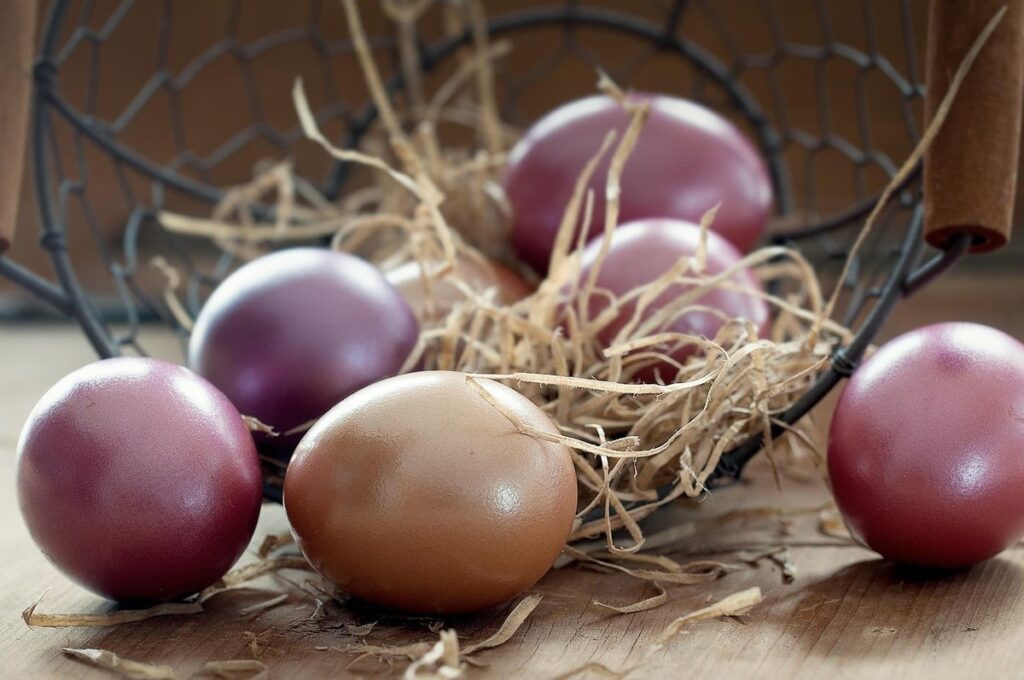
Understanding Rhode Island White Chickens
When it comes to understanding the beautiful eggs laid by your Rhode Island Whites, knowing their color characteristics is crucial for identification and enjoyment. Let’s take a closer look at what to expect from these lovely hens.
Breed Origin and History
The Rhode Island White breed has a rich history that dates back to the late 19th century. Originating from the state of Rhode Island, USA, this breed was developed specifically for its exceptional egg-laying abilities and cold hardiness. The breed’s unique characteristics made it an ideal choice for farmers in the northeastern United States, where winters were harsh and farm productivity was crucial.
In the early 1900s, the Rhode Island White gained popularity as a commercial layer due to its high egg production capacity. According to historical records, these hens were known to lay an average of 280-300 large brown eggs per year. This impressive feat earned them recognition in the American Poultry Association (APA) and cemented their place in the world of poultry farming.
Today, the Rhode Island White is still prized for its egg-laying prowess and remains a sought-after breed among backyard farmers and commercial producers alike. By understanding the breed’s origins and historical significance, you can appreciate the value that these hens bring to your farm or homestead. Whether you’re an experienced farmer or just starting out, knowing the Rhode Island White’s history will help you make informed decisions when selecting breeds for your operation.
Key Characteristics of Rhode Island Whites
The Rhode Island White is a heritage chicken breed known for its exceptional egg-laying abilities and gentle nature. When it comes to their physical characteristics, these birds are easily identifiable by their white plumage, clean legs, and small comb. They typically weigh between 4-7 pounds, making them an ideal choice for backyard flocks.
Temperament-wise, Rhode Island Whites are friendly, docile, and relatively quiet. They’re great with children and make excellent pets due to their calm demeanor. However, they can be wary of strangers, so it’s essential to socialize them from an early age.
When it comes to egg-laying, Rhode Island Whites excel. On average, a healthy hen will produce around 200-220 brown eggs per year. The eggshell color is typically a rich brown, but it’s not uncommon for some hens to lay white or light-brown eggs as well. To encourage optimal egg production, make sure your girls have access to plenty of fresh food, water, and space to roam.
To get the most out of your Rhode Island Whites, provide them with a balanced diet that includes plenty of protein-rich foods like mealworms or crickets. Also, consider supplementing their feed with calcium sources like crushed oyster shells to support strong eggshell production.
Egg Color Variations
As you explore the unique characteristics of Rhode Island White eggs, let’s take a closer look at the different egg color variations that can occur within this breed.
Natural Eggshell Colors
The Rhode Island White chicken is known for its stunning eggshell colors, which vary from pure white to light brown shades. These natural colors are a result of the interaction between genetics and environmental factors.
As you collect eggs from your flock, you may notice that some eggs have a creamier tone than others. This is not due to any external influence but rather the chicken’s inherent characteristics. The Rhode Island White’s eggshell color can range from pure white (#FFFFFF) to light brown (#F5F5DC). In between these two extremes, you’ll find various shades of cream and off-white tones.
The production of eggshell colors is influenced by genetics, with each chicken having its unique genetic makeup. However, environmental factors such as diet and nutrition can also impact the final color of the eggs. For example, a high-quality feed rich in calcium and other essential nutrients will promote the production of strong, healthy eggshells.
When collecting eggs from your Rhode Island White flock, it’s not uncommon to find a mix of white and cream-colored eggs. This variation is completely normal and a testament to the breed’s genetic diversity. To encourage consistent eggshell color, ensure that your chickens are receiving a balanced diet rich in calcium and other essential nutrients.
Genetic Factors Influencing Egg Color
The genetics behind egg color is a fascinating topic that has puzzled many backyard chicken keepers and breeders. When it comes to Rhode Island Whites, the eggshell color is primarily determined by the interaction of two genes: the gene responsible for the white pigment (B) and the gene that controls the production of other pigments, such as brown or yellow (e).
These genes work together to produce varying shades of white in Rhode Island White eggs. For example, a hen with the homozygous recessive genotype for the B gene will lay eggs with a creamy white color, while one with the dominant form of this gene will produce eggs with an even whiter shell.
Interestingly, genetics alone do not determine eggshell color; environmental factors like diet can also influence the final hue. However, when it comes to purebred Rhode Island Whites, genetics play the largest role in determining the range of colors found within this breed.
Rhode Island White Eggs Colors Chart Range
When it comes to eggshell colors, you might be wondering what to expect from Rhode Island White eggs. Here’s a quick rundown of their typical color range.
Standardized Egg Color Grading System
The standardized egg color grading system is a widely accepted method used to evaluate the color of eggs. This system ensures consistency and fairness when judging the quality of eggshells. For Rhode Island White eggs, the chart range is as follows:
* Excellent: Eggs with a white or cream-colored base color, accompanied by no more than 5% blue-green or pale gray tint.
* Very Good: Eggs with a white or cream-colored base color, showing between 6-20% blue-green or pale gray tint.
* Good: Eggs with a predominantly white or cream-colored base color and up to 30% blue-green or pale gray tint.
* Fair: Eggs with a heavily tinted white or cream-colored base color and more than 30% blue-green or pale gray tint.
When evaluating the eggshell color, it’s essential to consider both the base color and any secondary tint. For instance, an egg may have a predominantly white base but display significant blue-green tints, resulting in a lower grade. To determine the grade of your Rhode Island White eggs, compare their color against this chart range.
Visualizing the Chart Range: Examples and Images
The Rhode Island White eggs colors chart range is more than just a list of shades – it’s a visual representation of the various hues you can expect to see. Let’s dive into some examples and images that illustrate these different shades, so you can get a better sense of what to look for.
One example is the light cream color, which is often described as having a “soft” or “warm” tone. You might see this color on eggs that are newly laid or have been stored in a cool, dry place. On the other hand, eggs with a more yellowish tint may be indicative of older age or exposure to heat.
Here’s an example of what the light cream color looks like:
* Light Cream: A pale, creamy white egg with a subtle warmth to it.
* Image: A photograph of a single egg with this exact shade – the one on the left in this image.
As you move through the chart range, you’ll see darker shades emerge. For instance, the “medium cream” color is a step up from light cream and has a more pronounced yellow undertone. The “dark cream” color is even deeper still, with almost no visible undertones at all.
By examining these different shades side-by-side, you can start to get a better sense of what each one looks like in real life.
Factors Affecting Eggshell Color
So, you’re curious about what influences the beautiful colors of Rhode Island White eggs? Let’s explore the various factors that can affect eggshell color.
Nutrition and Diet Influence on Egg Color
The nutrition and diet of Rhode Island White hens play a significant role in determining the color and quality of their eggs. Vitamins and minerals, such as calcium, phosphorus, and vitamin D3, are crucial for the formation of eggshells. A diet rich in these nutrients will result in stronger, more vibrant eggshell colors.
For instance, a study found that hens fed with oyster shells supplemented with calcium and other essential minerals produced eggs with brighter and more consistent shell colors. Conversely, a lack of vitamin D3 can lead to pale or washed-out eggshells.
To achieve the optimal egg color for your Rhode Island Whites, ensure they are receiving a balanced diet that includes a mix of grains, fruits, vegetables, and supplements. Some practical tips include:
* Providing a calcium-rich feed or supplementing their diet with crushed oyster shells
* Ensuring access to fresh water and a varied range of fruits and vegetables daily
* Avoid overfeeding on high-phosphorus foods, as this can lead to weakened eggshell quality
By paying attention to your hens’ nutrition and providing them with the necessary vitamins and minerals, you can influence the color and quality of their eggs, ensuring they meet your expectations for Rhode Island White eggs.
Environmental Factors: Light Exposure and Health
When it comes to eggshell color, you might assume that genetics are the sole determining factor. However, environmental factors like light exposure and health status can indeed influence the color of your Rhode Island White eggs.
Light exposure is a significant environmental factor affecting eggshell color. The amount and quality of light your hens receive can cause variations in eggshell color. For instance, if your coop receives direct sunlight for an extended period, it may increase the yolk’s pigmentation, resulting in darker yolks and potentially lighter or more pale eggshells.
The health status of your hens is also a crucial environmental factor to consider. A nutrient-rich diet and optimal living conditions can lead to healthier hens producing eggs with richer, deeper colors. Conversely, stress or inadequate nutrition can cause a decrease in eggshell color intensity.
Interestingly, research suggests that even small changes in light exposure or hen health can significantly impact the color of your Rhode Island White eggs. By providing optimal living conditions and controlling light exposure, you may be able to minimize these variations and enjoy more consistent eggshell colors.
Caring for Your Rhode Island White Chickens
To keep your beautiful Rhode Island Whites thriving, it’s essential to provide them with proper care and attention tailored to their unique needs. Here are some tips on how to give your flock the best life possible.
Tips for Optimal Egg Production
To maintain a healthy flock and optimize egg production, it’s essential to provide your Rhode Island White chickens with a balanced diet, adequate nutrition, and optimal living conditions. Ensure they have access to fresh water at all times and feed them high-quality layer pellets or crumbles that contain essential vitamins and minerals.
A balanced calcium-to-phosphorus ratio is crucial for maintaining strong eggshell production. Feed your hens a layer feed with around 3% calcium content and 1.2% phosphorus content. This will help promote healthy bone growth and reduce the risk of molting or broken eggs.
Regular vaccinations, parasite control, and health checks can also contribute to maintaining a healthy flock. Aim for at least 12 hours of daylight exposure per day to encourage egg-laying. By implementing these practices, you’ll be able to minimize variations in eggshell color and promote optimal egg production.
Consider implementing a nesting box system to reduce stress and encourage hens to lay their eggs in one specific location. This will also make it easier for you to collect eggs and maintain cleanliness.
Managing Flock Genetics for Consistent Egg Color
When it comes to managing flock genetics for consistent egg colors, selecting the right breeding stock is crucial. You’ll want to choose birds that exhibit the desired egg color characteristics and are free from genetic defects. A good starting point is to acquire hatching eggs or chicks from reputable breeders who have a proven track record of producing Rhode Island Whites with consistent egg colors.
Once you’ve established your flock, it’s essential to monitor their egg-laying performance and identify any inconsistencies in egg color. This will help you determine which birds are contributing to the desired trait and which ones might be affecting the overall quality of the eggs. You can do this by keeping a detailed record of each bird’s egg production and color.
To maintain consistent egg colors, it’s also vital to practice selective breeding. This involves choosing birds with desirable traits and mating them to reinforce those characteristics in their offspring. For example, if you want to increase the percentage of white eggs laid by your flock, you can select birds that consistently lay white eggs and breed them together.
By following these steps, you’ll be well on your way to achieving consistent egg colors from your Rhode Island White flock. Remember to stay vigilant and make adjustments as needed to maintain a high-quality egg-laying performance.
Comparing Rhode Island Whites with Other Breeds
If you’re curious how Rhode Island White eggs compare to others, we’ll explore their unique characteristics alongside other popular breeds in this section. Let’s take a closer look at what sets them apart.
Comparison of Breed Characteristics
When it comes to choosing the right breed for your farm or backyard flock, it’s essential to consider their egg-laying abilities and temperament. The Rhode Island White is a popular choice among chicken enthusiasts, but how does it compare to other breeds? Let’s take a closer look at some of its key characteristics.
The Rhode Island White is known for its exceptional egg-laying ability, producing an average of 200-220 brown eggs per year. In comparison, the Leghorn breed lays around 280-300 white eggs annually, while the Barred Plymouth Rock produces approximately 200-220 brown eggs. The Orpington, on the other hand, lays around 180-200 brown eggs.
In terms of temperament, the Rhode Island White is friendly and docile, making it an excellent choice for families with children. Other breeds, such as the Sussex and the Australorp, are also known for their gentle nature. However, some breeds like the Brahma can be quite aggressive, so it’s essential to research a breed thoroughly before bringing them home.
When choosing a breed, consider your lifestyle, available space, and personal preferences. If you’re looking for a high-egg-laying breed with a friendly temperament, the Rhode Island White may be an excellent choice. However, if you’re after a specific egg color or size, other breeds might be more suitable.
Chart Range Variations Across Different Breeds
When it comes to eggshell colors, different breeds can exhibit varying chart ranges. For instance, the Marans breed is known for its dark, chocolate-brown eggs with a unique “marbled” appearance. In contrast, Leghorn eggs are typically light tan or pinkish-beige in color, showcasing a distinctively pale chart range compared to Rhode Island Whites.
The Chartreuse breed, another popular variety, produces eggs that fall within the yellow-green spectrum, which is quite different from the creamy whites of Rhode Island Whites. Even within the same breed family, variations can occur due to factors like genetics and environmental influences. This is evident in the Easter Egger breed, where eggs can range from pale blue-green to vibrant blue, depending on their mixed heritage.
In understanding these chart range variations, it’s essential for breeders and enthusiasts to recognize that eggshell colors are influenced by multiple genetic traits. By acknowledging these differences, you’ll be better equipped to identify unique characteristics in your flock and potentially even exploit them through selective breeding programs.
Best Practices for Keeping a Colorful Flock
When it comes to raising a flock that showcases vibrant colors, you’ll want to establish habits that promote health and beauty. This includes regular cleaning, parasite control, and nutritious feeding practices.
Tips for Managing Flock Genetics and Nutrition
When it comes to achieving a diverse range of eggshell colors from your Rhode Island White flock, managing genetics and nutrition plays a crucial role. A balanced approach to breeding and feeding will not only enhance the color palette but also ensure overall health and well-being of your birds.
To start, consider the genetic makeup of your flock. Introduce new breeds or bloodlines with desirable traits, such as Marans or Ameraucanas, which can influence eggshell colors. This strategic cross-breeding will increase the likelihood of producing a variety of colored eggs. For instance, you may get dark brown, green-blue, or even pink eggs.
Nutrition also plays a significant part in eggshell coloration. Ensure your birds have access to a balanced diet rich in vitamins and minerals, particularly calcium and protein. A good quality layer feed or supplement can help support the production of pigments responsible for different colors. Maintain a proper feeding schedule, and provide fresh water at all times.
By paying attention to genetics and nutrition, you’ll be well on your way to creating an egg-cellent array of colors from your Rhode Island White flock.
Conclusion: Preserving the Beauty of Rhode Island White Eggs
In conclusion to our exploration of the Rhode Island White eggs colors chart range, it’s essential to acknowledge the importance of preserving the unique characteristics that make these eggs so special. The Rhode Island White breed has been a beloved favorite among chicken keepers for generations due to its exceptional egg-laying abilities and stunning white plumage.
To maintain the beauty and integrity of your flock, consider implementing some best practices:
Regular health checks can help identify any potential issues before they become severe. Keeping an eye out for signs of stress, such as changes in appetite or feather condition, will enable you to take swift action if necessary.
Provide a nutrient-rich diet that includes a balanced mix of grains, fruits, and vegetables to ensure your Rhode Island Whites are getting the fuel they need to thrive. A well-planned feeding schedule can also help minimize waste and reduce the likelihood of overeating.
By prioritizing the health and well-being of your flock, you’ll be able to enjoy those gorgeous white eggs for years to come – a true testament to the enduring appeal of the Rhode Island White breed.
Frequently Asked Questions
Can I use the Rhode Island White eggs’ color chart range to identify individual hens?
Yes, by familiarizing yourself with the unique characteristics of your RIW hens’ eggshells, you can develop a system to identify specific birds and their corresponding egg colors. This process requires regular observation and tracking of each hen’s egg-laying patterns.
How do I ensure my Rhode Island White flock produces eggs with consistent coloration?
Consistency in egg color is influenced by genetic factors, nutrition, and environmental conditions. Regularly monitoring your hens’ diet, providing optimal living conditions, and maintaining a balanced breeding program can help promote consistent eggshell colors.
Can other breeds produce similar colorful eggs to the Rhode Island White?
While some breeds may display unique egg colors, none match the diverse range of colors exhibited by Rhode Island Whites. If you’re looking to introduce new breeds with varied egg colors, research their specific characteristics and genetics before making a decision.
How do I incorporate nutrition and diet into managing my flock’s egg coloration?
Optimizing your hens’ nutrition is crucial for eggshell health and color. Provide a balanced diet rich in calcium, vitamins, and minerals to promote strong, healthy eggs. Also, consider supplementing with specific nutrients that support egg yolk and shell development.
What are some common mistakes beginners make when trying to encourage colorful eggs from their Rhode Island Whites?
Some common pitfalls include neglecting proper nutrition, failing to maintain a balanced breeding program, and not providing adequate light exposure for optimal egg production. By understanding these potential missteps and taking corrective action, you can promote healthier, more colorful eggs from your RIW hens.