
If you’re an avid backyard chicken keeper or just starting your flock, you might be familiar with Rhode Island White chickens. These stunning birds are not only known for their impressive egg-laying abilities but also for producing unique eggs that have become a favorite among many chicken enthusiasts. If you’re curious about the characteristics of Rhode Island White eggs and want to learn how to breed, raise, and care for these special hens, this article is for you. We’ll be diving into the world of Rhode Island White egg color chart, exploring their egg-laying traits, and sharing valuable insights on how to bring home one of these amazing breeds. Whether you’re a seasoned farmer or a beginner in backyard chicken keeping, this guide will equip you with everything you need to know about these incredible chickens.
Characteristics and Origins of Rhode Island Whites
The Rhode Island White chicken is a popular breed known for its striking white eggs, but let’s take a closer look at where these birds come from.
Physical Description
The Rhode Island White breed is one of the most recognizable chicken breeds due to its striking physical characteristics. These chickens have a clean and simple appearance, which has made them a favorite among backyard flock owners for generations.
In terms of plumage, Rhode Island Whites are known for their pure white feathers that cover their entire body, including their face and legs. They do not have any visible markings or patterns on their feathers, giving them a uniform look. Their beak shape is also distinctive, being straight and strong, which makes it easy to crack open seeds and grains.
As you might expect from a breed with such a simple appearance, Rhode Island Whites are relatively low-maintenance when it comes to grooming. They do not require any special care for their feathers, making them an ideal choice for busy chicken owners who want a hassle-free experience. Their overall appearance has also made them a popular choice for commercial egg production in the past.
Their origins date back to the 19th century, when they were developed in New England as a dual-purpose breed. They were prized for their excellent egg-laying abilities and meat production, making them a valuable asset for small-scale farmers.
Temperament and Egg-Laying Traits
Rhode Island Whites are known for their gentle and friendly nature, making them an excellent choice as backyard chickens. They are relatively quiet birds, with a low-pitched clucking sound that is hardly noticeable. This temperament makes them ideal for families with children or for those who live in close proximity to neighbors.
On average, Rhode Island White hens will lay around 200 eggs per year, which may not be the highest egg production compared to other breeds. However, their eggs are large and brown, making up for it in size rather than quantity. To encourage optimal egg-laying, provide your Rhode Island Whites with a balanced diet that includes plenty of calcium to support strong shells.
In terms of noise level, Rhode Island Whites are generally quiet birds that won’t disturb the peace. They are also relatively low-maintenance when it comes to their egg-laying habits, making them a great choice for backyard chicken owners who want a hassle-free experience. By understanding and catering to their temperament and egg-laying traits, you can enjoy the benefits of owning Rhode Island Whites as part of your flock.
Understanding Rhode Island White Eggs
If you’re wondering what colors your Rhode Island Whites will produce, this section breaks down the typical eggshell color chart you can expect from these lovely hens. We’ll explore each shade in detail.
Eggshell Colour Range
The Rhode Island White egg is known for its clean and simple appearance, with an eggshell colour range that’s predominantly white. However, the exact shade can vary depending on several factors.
When it comes to eggshell colour, genetics play a significant role. The Rhode Island White breed has been developed specifically for its ability to produce eggs with a clean, white shell. But even within this breed, you may notice some variation in colour. Factors such as diet, age of the hen, and exposure to sunlight can also influence the final eggshell colour.
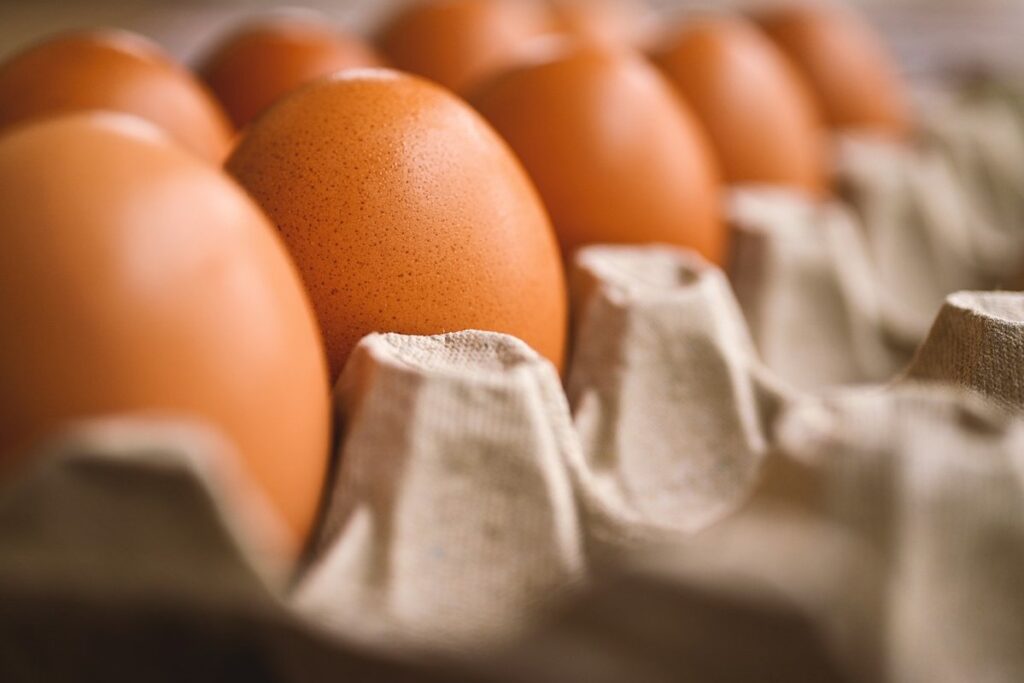
In terms of specific shades, Rhode Island White eggs tend to range from pure white to a very light cream or beige colour. You might occasionally see an egg with a slight pinkish tint, but this is relatively rare.
To give you a better idea of what to expect, consider the following rough guidelines:
• A predominantly white eggshell with no visible undertones
• Light cream or beige eggs that may have a slightly more yellow-tinged colour
Keep in mind that these are general guidelines, and actual colours can vary from bird to bird.
Factors Affecting Egg Yolk and White Colour
When it comes to Rhode Island White eggs, the colour of both the yolks and whites can vary depending on several factors. Let’s start with the egg yolk, which is a deep yellow due to its high concentration of xanthophylls and carotenoids. The diet of your hen plays a significant role in determining the intensity of the yolk colour. For example, if she’s consuming a lot of grass or insects, her yolks will have a richer, more vibrant hue.
On the other hand, the age of your hen can also impact egg yolk colour. Younger hens tend to produce eggs with lighter-coloured yolks as their diet and nutrition levels are not yet optimal. As they mature and reach their prime laying years (around 18-24 months), their yolks will deepen in colour.
In terms of environmental influences, exposure to sunlight can also affect egg yolk colour. Hens that have access to natural light tend to produce eggs with deeper, more intense yolk colours due to the increased production of vitamin D. This is because vitamin D helps regulate calcium levels, which are essential for strong, healthy yolks.
Egg white colour, on the other hand, can be affected by a hen’s diet, health, and genetics. A lack of sufficient protein or biotin in her diet can lead to pale or washed-out egg whites. Similarly, if your hen is stressed or has underlying health issues, this can impact the quality and colour of her eggs.
To give you a better idea, here are some general guidelines for Rhode Island White egg yolk colours based on diet:
• Grass-based diet: Rich, golden yolks
• Grain-based diet: Lighter, creamier yolks
• Omnivorous diet (insects and fruits): Deep, orange-yolks
Keep in mind that these are just general guidelines, and the colour of your hen’s eggs will ultimately depend on her individual characteristics and living conditions.
Breeding and Raising Rhode Island Whites for Optimized Egg Colour
If you’re looking to breed Rhode Island Whites for stunning egg colors, understanding their unique characteristics is crucial. This section explores how to optimize egg color in your flock.
Selective Breeding for Desired Traits
Selective breeding is a powerful tool for enhancing specific traits in Rhode Island Whites. By focusing on desired characteristics, such as eggshell colour, breeders can create birds that excel in these areas. However, this approach also has its drawbacks.
One of the primary advantages of selective breeding is the potential to achieve consistent results. For instance, if you’re looking to produce eggs with a specific shade of blue or green, selective breeding can help you achieve this goal over time. By mating birds with desirable traits, you increase the likelihood that their offspring will inherit these characteristics.
However, selective breeding also carries some risks. Over-emphasizing certain traits can lead to unintended consequences, such as reduced fertility or increased susceptibility to disease. Furthermore, relying too heavily on selective breeding can limit genetic diversity within a breed, making it more vulnerable to external threats.
To implement selective breeding effectively, start by identifying the specific trait you want to enhance. Then, select birds that exhibit this characteristic and mate them with other birds that share similar traits. Be patient, as selective breeding is a gradual process that requires careful planning and attention over multiple generations.
Nutrition and Supplements for Optimal Egg Production
When it comes to achieving optimal egg production and that beautiful white eggshell colour in your Rhode Island Whites, nutrition plays a crucial role. These birds require a balanced diet rich in essential nutrients to produce high-quality eggs.
Adequate protein is vital for eggshell formation, so make sure to include high-protein foods like mealworms, crickets, or commercial layer feed in their diet. Calcium and phosphorus are also essential for strong eggshells, but excessive amounts can lead to kidney problems, so monitor your birds’ intake.
Supplements like oyster shells or crushed eggshells can provide an extra calcium boost without overloading your birds. Avoid giving them high-sugar foods or treats, as these can cause digestive issues and impact their overall health.
To keep things simple, focus on a mix of grains, proteins, and veggies in your flock’s diet. You can also consider adding probiotics to support gut health and immunity. Keep an eye out for signs of nutrient deficiencies like pale yolks or soft-shelled eggs, and adjust their diet accordingly. With the right balance of nutrients, you’ll be well on your way to producing those stunning white eggs with ease.
Health Considerations for Rhode Island White Flocks
When it comes to caring for your flock, there are several health considerations specific to Rhode Island Whites that you should be aware of, such as their susceptibility to certain diseases. By understanding these factors, you can take proactive steps to keep your birds healthy and thriving.
Common Health Issues Affecting Rhode Island Whites
As a Rhode Island White flock owner, it’s essential to be aware of common health issues that can affect your birds. One of the most significant concerns is Marek’s disease, a viral infection that can cause symptoms such as paralysis, blindness, and even death. To prevent this disease, ensure your flock receives regular vaccinations, and maintain strict biosecurity measures, including frequent cleaning and disinfection of coops and runs.
Internal parasites like worms and protozoa can also wreak havoc on your Rhode Island Whites’ health. Regular deworming treatments and fecal exams can help identify and treat infestations before they become severe. Respiratory issues such as bronchitis and pneumonia are another concern, often caused by bacteria like Mycoplasma gallisepticum. Keeping your flock’s living environment clean and well-ventilated, and monitoring for signs of illness, can go a long way in preventing these conditions.
By staying vigilant and taking proactive steps to prevent common health issues, you can keep your Rhode Island White flock thriving and laying eggs consistently. Regular veterinary check-ups, proper nutrition, and a clean living environment are all crucial components of maintaining a healthy flock.
Maintaining a Healthy and Hygienic Coop Environment
A clean and healthy coop environment is crucial for the overall well-being of your Rhode Island Whites. As you know, these birds are prolific egg layers, but their productivity can be affected by the conditions they live in. To ensure your flock stays happy and healthy, let’s dive into some essential tips for maintaining a top-notch coop.
First and foremost, waste management is key. Make sure to clean out the coop regularly, ideally once a week. Remove soiled bedding, disinfect the area with a 1:10 bleach solution, and replace it with fresh, dry material like straw or wood shavings. Don’t forget to check for any hidden nests or egg-laying areas where bacteria can accumulate.
Ventilation is another critical aspect of coop maintenance. Adequate airflow helps prevent ammonia buildup from droppings, which can be toxic to your birds. Ensure proper ventilation by installing windows, vents, or a fan that circulates air without drafts. This will also help regulate temperature and humidity levels.
Predator control is often overlooked but essential for peace of mind. Consider investing in hardware cloth or chicken wire mesh around the coop’s perimeter, ensuring any gaps are securely sealed. You may also want to weigh the benefits of electric fencing for added security.
Tips for Collecting, Storing, and Cooking with Rhode Island White Eggs
Now that you’ve learned how to identify the perfect egg, let’s dive into some practical tips on collecting, storing, and cooking with your beautiful Rhode Island Whites. Proper care will make all the difference in enjoying them at their best!
Handling and Storage Techniques
When handling Rhode Island White eggs, it’s essential to follow proper techniques to prevent damage and maintain their freshness. Start by gently washing the eggs with cold water to remove any dirt or debris from the surface. Use a soft-bristled brush or a clean cloth to avoid scratching the eggshells.
After washing, inspect each egg for any visible cracks or breaks. Sort the eggs into different categories based on their cleanliness and condition. This is known as grading, which helps you prioritize the eggs that are most suitable for consumption. Package the cleaned and graded eggs in cartons specifically designed for storing eggs, with the pointed end facing down to prevent moisture from entering.
To ensure optimal freshness, store the packaged eggs in a cool, dry place, such as a refrigerator set at 40°F (4°C) or below. Avoid direct sunlight and extreme temperatures, which can cause the eggs to spoil faster. By following these simple handling and storage techniques, you’ll be able to enjoy your Rhode Island White eggs for a longer period while maintaining their quality.
Delicious Recipes Using Rhode Island White Eggs
When working with Rhode Island White eggs, you’ll want to take advantage of their unique characteristics in both sweet and savory dishes. For breakfast enthusiasts, try making a classic Eggs Benedict using these eggs. The creamy Hollandaise sauce pairs perfectly with the delicate flavor of the eggs.
For bakers, consider adding Rhode Island White eggs to your favorite muffin or cake recipe for added moisture and a tender crumb. You can also make a delicious quiche Lorraine by mixing grated cheese with diced ham and gently folding in beaten eggs.
When it comes to creative cooking techniques, try making a soft-boiled egg using the steam basket method. Simply place an egg in a steamer lined with cheesecloth, and cook for 6-7 minutes. The result is a perfectly cooked egg with a runny yolk and set white.
In addition to these recipes, Rhode Island White eggs can also be used as a substitute for other types of eggs in most recipes. Their neutral flavor won’t overpower the other ingredients, making them an excellent choice for delicate dishes like mayonnaise or hollandaise sauce.
Conclusion: Celebrating the Unique Qualities of Rhode Island White Eggs
Now that we’ve explored the beautiful colours of Rhode Island White eggs, let’s take a moment to appreciate their unique charm and characteristics as an egg-laying breed. This is where you get to celebrate their special qualities!
Recap of Key Points
Let’s recap the key points from our journey into the world of Rhode Island White eggs. We’ve explored their unique characteristics, including their clean-laid, white eggs with a medium-sized shell and a slight ‘ribbed’ texture at the large end. Their egg-laying traits are impressive too – we discussed how they can produce an average of 200-220 brown or white eggs per year, depending on factors like nutrition and climate.
We also touched on health considerations for breeding Rhode Island Whites. It’s essential to provide them with a balanced diet rich in protein, calcium, and other essential nutrients to promote strong bones, feathers, and overall well-being. We highlighted the importance of choosing disease-resistant strains and maintaining proper flock hygiene practices.
As we’ve celebrated these unique qualities, let’s not forget their significance in our cooking and breeding practices. When it comes to egg collection, regular handling can prevent breakage and reduce waste. By embracing the characteristics that make Rhode Island Whites special, you’ll be better equipped to create happy, healthy flocks that reward you with a bounty of delicious eggs.
Call to Action: Join the Conversation on Social Media
It’s time to take our conversation about Rhode Island White eggs to the next level! We’ve explored the unique qualities of this beloved breed through our colour chart guide, and now we want to hear from you. We invite you to join the conversation on social media using the branded hashtag #RIWhiteEggLove.
Share your own experiences with raising Rhode Island Whites, including tips on egg laying patterns, feather quality, and overall personality traits. Did you notice any differences in eggshell color or pattern? Have you had success with cross-breeding this breed? Your insights will not only enrich our community but also help others make informed decisions when it comes to choosing the perfect chicken breed.
By using #RIWhiteEggLove, we can create a hub of engagement and connection among fellow Rhode Island White enthusiasts. You’ll be able to share photos, ask questions, and learn from one another’s experiences. Who knows? You might even discover new techniques or inspire others with your own egg-cellent adventures!
Frequently Asked Questions
How do I identify a Rhode Island White chicken eggshell among other eggshells?
When collecting eggs from your flock, it’s essential to distinguish between the different breeds’ eggshells. A Rhode Island White eggshell is typically pure white with no visible markings or patterns.
To identify a Rhode Island White eggshell, look for its clean and simple appearance. The shell should be uniform in color and have a smooth texture. If you’re still unsure, consult with other backyard chicken keepers or breed experts to get a better understanding of the eggshells’ characteristics.
Can I use supplements to enhance the color of my Rhode Island White eggs?
While some supplements can improve eggshell quality, their effect on egg color is generally minimal. Focus on providing your flock with a balanced diet rich in calcium and other essential nutrients for optimal egg production.
Some factors that can affect egg yolk and white color include genetics, nutrition, and age. Instead of relying on supplements, focus on breeding for desired traits or selecting hens known to produce eggs with the desired characteristics.
How often should I collect and store my Rhode Island White eggs?
Collecting and storing your Rhode Island White eggs regularly will help maintain their quality and prevent breakage. Aim to collect eggs at least twice a day and store them in a cool, dry place to prolong shelf life.
When handling and storing Rhode Island White eggs, be gentle to avoid cracking the shells. Store them pointed end down to prevent moisture from entering the egg through the small end.
Are there any health considerations specific to Rhode Island Whites?
Like all breeds, Rhode Island Whites are susceptible to certain health issues. Keep a close eye on your flock’s overall health and take prompt action if you notice any signs of illness or stress.
Some common health issues affecting Rhode Island Whites include respiratory problems and parasite infestations. Regular veterinary check-ups, proper nutrition, and a clean coop environment can help prevent these issues and keep your flock healthy.
Can I crossbreed my Rhode Island White hens with other breeds to produce eggs with unique characteristics?
Yes, selective breeding is an effective way to introduce new traits into your flock. However, ensure you understand the genetic implications of crossbreeding and take steps to preserve the desired characteristics.
When crossing different breeds, start by identifying the specific traits you want to enhance or introduce. This will help guide your selection process and minimize the risk of unexpected outcomes. Consult with experienced breeders for guidance on achieving your desired results.