
If you’re a backyard chicken keeper, you know how frustrating it can be to deal with rodents sneaking into your flock’s feed. These pesky critters not only steal food from your chickens but also pose health risks by potentially spreading diseases like salmonella and leptospirosis. Rodent-proof chicken feeders are an essential tool in any backyard coop, but choosing the right one can be overwhelming with all the options available.
In this comprehensive guide, we’ll walk you through the process of selecting a rodent-proof chicken feeder that meets your flock’s needs while keeping those unwanted critters at bay. We’ll explore DIY solutions and expert advice on what to look for in a feeder to ensure a healthy and thriving flock. By the end of this article, you’ll be equipped with the knowledge to keep rodents out of your chicken feed and enjoy a stress-free backyard chicken-keeping experience.
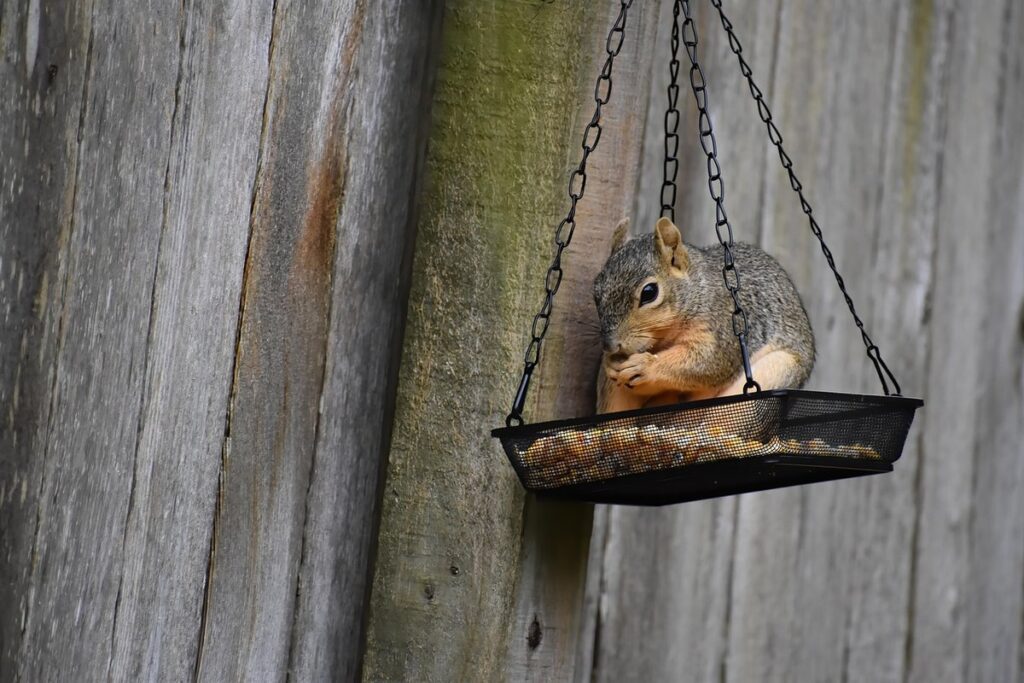
The Problem of Rodents in Backyard Poultry
Rodents can be a significant problem for backyard chicken keepers, causing damage and even spreading disease to your flock. Let’s talk about why this is such a big issue for poultry owners like you.
Why Rodents Are a Threat to Chickens
Rodents pose a significant threat to backyard chicken flocks, not just because they can devour food and eggs but also due to the health risks they present. Mice and rats are carriers of various diseases that can be transmitted to chickens through direct contact or contaminated feed. For instance, leptospirosis is a bacterial infection commonly found in rodents that can cause kidney failure and death in poultry.
Rodents can also cause significant damage to chicken coops and enclosures by gnawing on wires, destroying insulation, and chewing holes through walls and floors. This not only compromises the structural integrity of the coop but also creates an environment conducive to other pests, such as cockroaches and flies.
Moreover, rodents can contaminate feeders and waterers with their droppings and urine, leading to the spread of diseases among chickens. It’s essential for backyard chicken keepers to take proactive measures in controlling rodent populations around their flocks to prevent these risks.
Signs of Rodent Infestation in Chicken Feeders
When it comes to keeping your flock safe and healthy, one of the most critical aspects is protecting them from rodent infestations. Rodents can be sneaky, and they often don’t leave obvious signs until it’s too late. That’s why being vigilant and knowing what to look for is crucial in preventing these unwanted visitors.
One of the telltale signs of a rodent infestation in your chicken feeders is gnaw marks on the feed containers or surrounding areas. Rodents love to chew, and they can cause significant damage to your feeders if left unchecked. You might notice holes, tears, or shredded materials around the feeder area.
Another common sign is droppings – yes, you read that right! Rodent droppings are small, dark pellets that can be scattered around the feeder area. These droppings can carry diseases and parasites, putting your flock at risk. If you notice an unusual number of droppings or see them near the feeder, it’s a clear indication that rodents have taken over.
Lastly, keep an eye out for unusual behavior in your chickens. They might become stressed, stop eating, or even avoid the feeder area altogether if they sense the presence of rodents. This is often a sign that something is amiss and should prompt you to investigate further. By being aware of these signs, you can take action early on and prevent rodent infestations from taking over your chicken feeders.
Types of Rodent-Proof Chicken Feeders
When choosing a rodent-proof chicken feeder, it’s essential to consider different designs and materials that can help keep those pesky critters out of your flock’s food.
Plastic and Metal Feeders with Rodent Guards
If you’re looking for a more robust solution to keep those pesky rodents out of your chicken feed, consider investing in plastic or metal feeders with built-in rodent guards or covers. These feeders take the extra step of providing an additional barrier between your flock and unwanted visitors.
One popular design incorporates a clear plastic or mesh panel that allows you to monitor what’s going on inside the feeder without letting rodents climb up. This panel often slides or swings open for easy cleaning and refilling, while keeping those curious critters at bay.
Some models take this concept even further by incorporating weight-activated feeders that shut off access to food when a certain threshold is exceeded – effectively blocking rodents from getting in. These solutions are especially useful in areas with high rodent populations or if you have a large flock to protect.
When selecting one of these feeders, consider the size of your flock and the type of enclosure you’re using.
Electric Feeders with Deterrents
When it comes to deterring rodents from accessing your chickens’ food, electric feeders are a great option. These feeders use electrical shocks to deter rodents from getting too close. The idea behind these devices is that rodents will associate the shock with the food and learn to avoid it.
Electric feeders typically have metal or plastic components that carry an electrical current when they’re triggered by movement. This can be as simple as a rodent touching the feeder with its whisker or paw, causing a minor shock. The goal is not to harm the rodents but to deter them from coming back for more.
One popular brand of electric feeders uses a low-voltage system that’s completely safe for humans and pets. They claim their device has an 80% success rate in keeping rats out of your chicken coop. Keep in mind, however, that these devices require some setup and maintenance to ensure they’re working correctly.
It’s also worth noting that electric feeders may not be the best option for large farms or areas with high rodent populations. In such cases, it might be more effective to use a combination of deterrents, like physical barriers and repellents.
DIY Rodent-Proof Chicken Feeder Solutions
If you’re not ready to splurge on a commercial rodent-proof feeder, don’t worry – we’ve got some clever DIY solutions up our sleeve to keep your flock safe and fed.
Building a Rodent-Proof Feeder Box
When building a custom feeder box, it’s essential to use rodent-resistant materials and designs to prevent these pesky critters from accessing the feed. Start by selecting materials that are durable and resistant to gnawing, such as plastic or metal containers with heavy-duty lids.
You’ll also want to incorporate features that make it difficult for rodents to climb up to the feeder. One effective design is a hinged lid that opens at an angle, making it hard for rodents to access the feed from underneath. Consider adding a roof or canopy to provide additional protection and keep debris out.
To take your feeder box to the next level, incorporate a few clever features that will keep those unwanted visitors away. These might include:
• Burying the feeder box underground to prevent digging
• Using hardware cloth or chicken wire around the base of the feeder to prevent burrowing
• Installing a weight-activated trigger plate that shuts off access when something tries to climb up
By incorporating these features, you’ll be able to build a rodent-proof feeder box that keeps your flock safe and healthy.
Using Repellents and Deterrents in Feeders
When it comes to keeping rodents away from your chicken feeder, using natural repellents can be an effective and non-toxic solution. One option is to use predator urine, such as coyote or fox urine, which can be found at most hunting supply stores. Spraying this around the perimeter of the feeder can help deter rodents, who have a strong instinct to avoid predators.
Another option is to use hot pepper powder, specifically designed for wildlife control. This powder contains capsaicin, the active ingredient in chili peppers that gives them their heat. Rodents are highly sensitive to capsaicin and will avoid areas where they detect its presence. Sprinkle the powder around the feeder or mix it with water to create a spray.
When using either of these repellents, be sure to follow the instructions carefully and take necessary precautions to avoid exposure. It’s also essential to reapply regularly, as the effectiveness can wear off over time.
Choosing the Right Rodent-Proof Chicken Feeder
When it comes to choosing a rodent-proof chicken feeder, there are several factors to consider to ensure your flock stays safe and healthy. We’ll break down the key considerations in this section.
Key Features to Look for in a Rodent-Proof Feeder
When it comes to selecting a rodent-proof feeder for your flock, there are several key features to look out for. First and foremost, you want to ensure that the feeder is designed with rodent exclusion in mind. This typically means that the feeder has a secure lid or lock to prevent rodents from accessing the feed.
Another essential feature to consider is the material of the feeder. Rodents can easily chew through plastic or flimsy materials, so look for feeders made from durable, rodent-resistant materials such as metal or heavy-duty plastic. You should also ensure that any gaps or openings in the feeder are sealed tightly to prevent rodents from squeezing through.
It’s also worth considering a feeder with an overhang or lip to prevent seed and grain spills, which can attract rodents to your flock. Finally, consider a feeder with a self-cleaning feature or easy cleaning mechanism to reduce the risk of bacterial contamination and pest attraction. By choosing a feeder that incorporates these features, you can help keep your flock safe and healthy from rodent-borne diseases and pests.
Factors Affecting Feeder Performance and Effectiveness
When selecting a rodent-proof chicken feeder, it’s essential to consider factors that impact its performance and effectiveness. A feeder’s size can significantly affect its ability to withstand rodent attacks. For example, a feeder with a large capacity may be more vulnerable to rodents due to the ease of access to the feed. On the other hand, a smaller feeder may not provide enough food for your flock, leading to multiple trips to refill.
The material used in constructing the feeder is also crucial. While metal feeders are durable and resistant to rodent gnawing, they can be prone to rust if not properly maintained. Plastic or resin feeders, while lightweight and easy to clean, may be more susceptible to damage from rodents.
Ease of cleaning is another critical factor that affects a feeder’s performance. A feeder that is difficult to clean can harbor mold and bacteria, posing health risks to your flock. Look for feeders with removable parts and smooth surfaces that make cleaning effortless. By considering these factors, you can choose a rodent-proof chicken feeder that effectively protects your flock from predators while maintaining their overall health and well-being.
Installation and Maintenance Tips
Now that you’ve chosen the perfect rodent-proof chicken feeder, let’s dive into some essential tips on how to install and maintain it for optimal performance.
How to Install a Rodent-Proof Chicken Feeder
Installing a rodent-proof chicken feeder is a straightforward process that requires some basic tools and attention to detail. First, select a location for the feeder that’s at least 3-4 feet off the ground to prevent rodents from jumping up to it. Make sure it’s also away from any walls or fences that may provide a highway for unwanted visitors.
Next, follow these steps:
* Place the feeder on a level surface and ensure it’s secure by tightening all screws or clips.
* Fill the feeder with your flock’s preferred feed, taking care not to spill any on the surrounding area.
* Consider adding a roof or canopy above the feeder to prevent debris from accumulating and attracting rodents.
To prevent rodents from accessing the feeder, ensure that any gaps or holes are sealed around it. Use rodent-resistant materials such as plastic or metal for the feeder’s construction, and keep the surrounding area clean by removing any food debris or clutter.
Regularly inspect your feeder for signs of rodent activity, such as gnaw marks or droppings, and take prompt action to address any issues that arise.
Regular Cleaning and Inspection for Optimal Performance
Regular cleaning and inspection are crucial to maintaining the effectiveness of your rodent-proof chicken feeder. Rodents can be clever, and if they find a way around the feeder’s defenses, it’s often because their favorite food – chicken feed – has attracted them to the area. A clean feeder is not only essential for keeping rodents away but also for ensuring the health and well-being of your flock.
To maintain optimal performance, set aside time each week to inspect and clean your rodent-proof feeder. Start by checking for any signs of rodent activity, such as droppings or gnaw marks on nearby surfaces. If you notice anything suspicious, take immediate action to address the issue. Regularly wipe down the feeder with a mild detergent and dry it thoroughly to prevent moisture buildup. Replace any worn-out parts or accessories promptly.
It’s also essential to clean your feeder after each feeding session to remove any debris and spills. Consider implementing a routine that includes cleaning the feeder on Tuesdays, Fridays, and Sundays for a consistent schedule.
Additional Tips for Managing Rodents Around Your Flock
To further ensure your flock remains safe from rodents, consider implementing these additional tips and strategies for effective rodent management around your chickens. Effective planning is key to a successful strategy.
Removing Attractants and Harborage Points
Removing attractants and harborage points is an essential step in managing rodents around your flock. Rodents are drawn to easy food sources, water, and shelter, so it’s crucial to remove these attractants from your property. Start by securing all trash cans with tight-fitting lids, keeping them clean and free of spills. This may seem obvious, but it’s surprising how often we neglect this simple step.
Rodents also need access to water, so inspect your yard for any sources they might be using. Check under decks, in gardens, and around birdbaths. Fix any leaks or drips, and consider installing a pet-friendly bird bath with a self-filling feature that prevents standing water. Don’t forget to store feed for other pets, like dogs and cats, in rodent-proof containers.
When it comes to shelter, rodents often seek out areas with dense vegetation or debris piles. Regularly clean up your yard by removing weeds, leaves, and branches. Store firewood and lumber in a dry, rodent-free area, and consider using physical barriers to block access to potential nesting sites. By removing these attractants, you’ll make it more difficult for rodents to thrive near your flock.
Encouraging Predator Presence in Your Yard
Encouraging predators to visit your yard can be an effective natural method for managing rodents around your flock. By creating a wildlife-friendly environment, you can attract birds of prey, foxes, and other animals that feed on rodents, thereby reducing the rodent population in your yard.
To start attracting predators to your yard, consider implementing some simple changes to your landscape design. Plant native vegetation, such as shrubs and trees, which provide shelter and food for wildlife. Incorporate rocks or logs into your garden, creating hiding spots for small animals like owls and hawks. A nearby source of water, like a birdbath or shallow dish filled with fresh water, can also attract birds and other predators.
In addition to physical modifications, consider the types of foods that are naturally attractive to wildlife. Suet-filled bird feeders, suet cakes left on a fence post, or even a small bowl of mealworms near your chicken coop can entice birds of prey and other animals to visit your yard.
Frequently Asked Questions
Can I use a rodent-proof chicken feeder with existing coop designs?
No, it’s essential to choose a feeder that fits your coop’s specific design and layout to ensure optimal performance and ease of installation. Consider the feeder’s size, material, and mounting options when selecting one that complements your existing setup.
How often should I clean and inspect my rodent-proof chicken feeder?
Regular cleaning and inspection are crucial for maintaining a healthy flock. We recommend cleaning your feeder every 1-2 weeks, depending on usage, and inspecting it regularly for signs of wear or damage. Make sure to follow the manufacturer’s instructions for cleaning and maintenance.
What if I have a large flock and need multiple feeders?
Rodent-proof chicken feeders come in various sizes, so you can choose one that suits your flock’s needs. Consider the number of chickens, their age, and feeding capacity when selecting a feeder. Some feeders also offer adjustable settings to accommodate different flock sizes.
Can I use rodent-proof feeders with other types of poultry besides chickens?
While rodent-proof chicken feeders are designed specifically for chickens, some models can be adapted for other types of poultry, such as ducks or turkeys. However, ensure the feeder is suitable for your birds’ size and feeding habits before making a purchase.
How do I prevent rodents from accessing my coop’s water supply?
Rodents often target water sources as well as food. To keep them out, consider using rodent-proof waterers or nipples that are specifically designed to prevent access by mice and rats. You can also take measures like sealing any holes or gaps in your coop’s walls or floors to prevent rodents from entering.