
Are you tired of being woken up at the crack of dawn by your loudmouthed rooster? You’re not alone. Many backyard chicken owners struggle with excessive rooster crowing, leading to noise complaints and strained relationships with neighbors. But before you consider rehoming your feathered friend or worse, it’s worth exploring the underlying causes of this behavior. In this article, we’ll delve into common reasons why roosters crow excessively, from hormonal imbalances to social stressors. We’ll also share expert advice on behavioral interventions and practical tips for managing noise levels and ensuring responsible rooster ownership. By the end of this post, you’ll be equipped with the knowledge to tackle your own rooster crow problems and become a more harmonious neighbor.
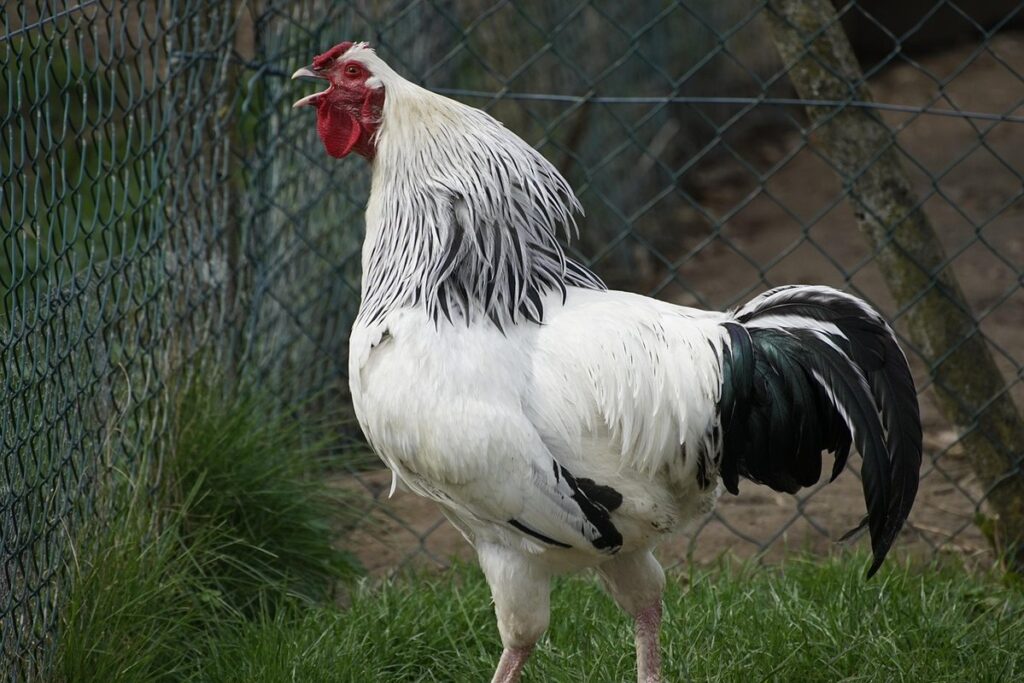
Understanding Rooster Crow Behavior
To fully grasp why your rooster is crowing incessantly, it’s essential to understand the underlying reasons behind his behavior and what motivates him to vocalize at all hours.
What is Normal Rooster Crow?
Normal rooster crow behavior can vary depending on several factors including age, health, and environmental conditions. A healthy rooster typically starts to crow between 4 to 6 months of age, but some may begin as early as 2-3 months or not until they are over a year old.
A rooster’s health status also plays a significant role in determining the frequency and intensity of his crowing. For example, a rooster with an underlying medical condition such as respiratory problems may not be able to crow at all, while one that is experiencing stress due to changes in its environment may become excessively vocal.
Environmental factors such as daylight hours, weather conditions, and social interactions also influence rooster crowing behavior. A rooster exposed to sufficient daylight will typically crow more frequently than one kept indoors with artificial lighting. Similarly, a rooster living with a large flock of hens may not crow as much due to the presence of dominant birds, whereas an isolated rooster may become excessively vocal seeking companionship.
Understanding these factors can help you determine whether your rooster’s crowing behavior is normal or if it indicates an underlying problem that requires attention.
Abnormal Rooster Crow Patterns
If you’re dealing with a rooster that’s crowing irregularly, it can be unsettling and affect the overall dynamics of your farm. Abnormal rooster crow patterns can manifest in various ways, including changes in frequency, timing, or intensity.
Excessive crowing is one such issue where the rooster may start crowing more frequently than usual, often during unusual times of the day or night. This could be a sign that your rooster is feeling stressed or anxious about something within its environment, like a new animal introduction or changes in feeding patterns. Conversely, some owners have reported instances where their roosters ceased crouching altogether. In such cases, it may be worth investigating possible underlying health issues or even checking for parasites.
To address these irregularities, observe your rooster’s behavior closely and identify any potential triggers. Changes in diet, environment, or social dynamics could be contributing factors to the abnormal crowing patterns.
Health-Related Causes of Excessive Crowing
Let’s explore some of the potential health issues that could be behind your rooster’s persistent crowing, from medical conditions to parasites and more. Your rooster’s crow may be a symptom of an underlying problem rather than just a vocal complaint.
Stress-Induced Crowing
Stress-induced crowing is a common phenomenon among roosters, triggered by various stressors such as predators, extreme weather conditions, or changes in their environment. When a rooster perceives danger, it releases stress hormones like cortisol and adrenaline, which can cause an increase in crowing frequency. This behavior is often seen as a warning call to alert other birds of potential threats.
In the wild, this instinctual response helps to ensure the flock’s safety. However, in domestic settings, excessive crowing due to stress can be a nuisance for neighbors and owners alike. To mitigate this issue, it’s essential to identify the underlying causes of stress in your rooster. Check for signs of predator presence, such as scratches on fencing or droppings near the coop.
By addressing these root causes, you can reduce your rooster’s stress levels and potentially decrease excessive crowing. Consider implementing measures like improving coop security, providing shelter from harsh weather conditions, or enriching your rooster’s environment with toys and activities to keep it engaged. By taking proactive steps, you can help minimize the impact of stress-induced crowing on your flock and neighborhood.
Medical Conditions Affecting Crowing
Medical conditions can significantly impact a rooster’s crowing behavior. Respiratory problems are common in older roosters and can cause labored breathing, wheezing, and coughing. These issues may lead to changes in the bird’s vocalization patterns, resulting in abnormal crowing sounds. For instance, a rooster with chronic bronchitis might produce a persistent, raspy crow.
Vision loss, particularly cataracts or glaucoma, can also disrupt a rooster’s normal behavior, including its crowing habits. A blind rooster may become disoriented and exhibit unusual vocalizations as it navigates its surroundings through sound rather than sight. Similarly, neurological disorders such as stroke, encephalitis, or tumors can affect the brain areas responsible for controlling vocalization.
Identifying underlying medical conditions is crucial to addressing excessive crowing in roosters. If you suspect your bird has a respiratory problem or vision loss, consult with a veterinarian experienced in avian care to rule out other potential causes and develop an effective treatment plan.
Environmental Factors Influencing Rooster Crow Behavior
Roosters crow loudly for a variety of reasons, and one key factor is their environment. Let’s examine how factors such as weather, noise pollution, and even neighboring animals can impact your rooster’s crowing behavior.
Light Exposure and Circadian Rhythms
Light exposure plays a significant role in regulating a rooster’s circadian rhythms and influencing his crowing behavior. Just like humans, roosters have an internal biological clock that responds to light and darkness signals from the environment. When exposed to natural daylight, a rooster’s circadian rhythm is set, which in turn affects his sleep-wake cycle, appetite, and most notably, his crowing patterns.
In the absence of sufficient daylight, roosters may experience disruptions in their circadian rhythms, leading to abnormal crowing behavior. For instance, if your rooster is not getting enough morning sunlight, he might start crowing earlier than usual or even at night. On the other hand, an excessive amount of artificial light exposure, such as from LED bulbs, can also throw off his internal clock.
To establish a healthy circadian rhythm in your rooster, ensure he gets around 12-14 hours of daylight each day, including morning sunlight exposure. Avoid using bright lights or lamps close to the coop during the evening, and instead opt for soft, dim red lighting that doesn’t disrupt his natural sleep-wake cycle. By synchronizing your rooster’s light exposure with nature’s rhythms, you can help regulate his crowing behavior and promote overall health and well-being.
Noise Pollution and Disturbances
Noise pollution and other disturbances have a profound impact on rooster crowing behavior. In urban environments, the constant din of traffic, construction, and sirens can disrupt a rooster’s natural instinct to crow at dawn and dusk. This disruption can lead to abnormal crowing patterns, including excessive or nocturnal crowing.
To mitigate this issue in urban settings, consider implementing noise-reducing measures such as sound barriers or acoustic panels around the coop. You can also take steps to minimize external disturbances by placing your flock’s enclosure away from high-traffic areas or sources of noise pollution. Furthermore, establishing a regular routine and providing a stress-free environment through proper care and management can help regulate your rooster’s crowing behavior.
In some cases, introducing environmental enrichment activities like foraging or free-range access can also help reduce the impact of noise pollution on roosters. By understanding the relationship between noise pollution and disturbance, you can take proactive steps to create a more peaceful environment that promotes healthy rooster crowing behavior.
Solutions to Rooster Crow Problems
If you’re tired of being woken up by a loud rooster every morning, don’t worry – we’ve got practical solutions for you. Let’s explore ways to minimize their crowing and create a more peaceful environment.
Behavioral Interventions
If you’re at your wit’s end with a rooster that won’t stop crowing, it may be time to consider behavioral interventions. The good news is that these techniques can be highly effective in modifying a rooster’s crowing patterns.
One such technique is training, which involves associating the behavior of crowing with an undesirable outcome. For instance, you can try withholding treats or attention when your rooster starts crowing. By doing so, you’re creating an association between crowing and not getting what he wants. Consistency is key here; make sure everyone in the household follows this same rule to avoid confusing your rooster.
Another approach is desensitization, which involves gradually exposing your rooster to triggers that normally cause him to crow. This can be particularly useful if you’ve noticed that a specific event or time of day sets off his crowing sprees. Start by exposing him to small doses of the trigger and gradually increase the intensity over time.
A key part of any behavioral intervention is patience. Changing behavior takes time, so it’s essential to set realistic expectations and not expect immediate results. With consistent effort, however, you may be able to teach your rooster that crowing isn’t the most effective way to get what he wants – or at least reduce its frequency to a manageable level.
Environmental Modifications
When dealing with excessive rooster crowing, environmental modifications can be an effective solution to reduce disturbance and stress on your flock. Start by identifying potential sources of noise pollution, such as nearby roads, airports, or other loud noises that may be triggering the roosters’ crowing.
Consider moving the coop to a quieter location, or even just rotating it slightly to face away from the source of the noise. You can also use sound-reducing materials like acoustic panels or thick curtains to block out external sounds.
Another aspect to consider is the internal environment within the coop itself. Ensure proper ventilation to maintain airflow and reduce stress caused by heat buildup. Add perches, nesting boxes, and roosting bars at comfortable heights for your birds, allowing them to move freely without feeling cramped or confined.
By making these simple adjustments, you can significantly alleviate excessive crowing issues in your flock.
Best Practices for Rooster Care and Management
Caring for a rooster requires attention to its specific needs, including a balanced diet, regular health checks, and adequate space to roam. Proper care can significantly reduce crowing problems and stress on your bird.
Breeding and Selection Programs
When selecting breeds for breeding programs, it’s essential to prioritize rooster behavior. By focusing on desirable temperaments, you can reduce aggressive or excessive crowing problems. Some breeders have achieved success by incorporating selection criteria that emphasize calm and docile traits.
For example, the Silkies breed is known for its friendly and gentle nature, making them an excellent choice for backyard flocks where noise concerns are a priority. Similarly, the Polish breed’s quiet and laid-back temperament makes them another popular option for those seeking to minimize rooster crowing issues.
To implement this in your own breeding program, consider the following:
* Evaluate existing flock members and identify breeds that exhibit desirable temperaments
* Research and incorporate new breeds or bloodlines known for their calm nature
* Focus on selective breeding to emphasize quiet and gentle traits
* Continuously monitor and evaluate rooster behavior to refine selection criteria
By prioritizing breed temperament in your program, you can significantly reduce the likelihood of aggressive or excessive crowing issues.
Regulations and Local Ordinances
As you navigate the world of rooster ownership, it’s essential to familiarize yourself with local regulations and ordinances that govern noise levels and animal welfare. These laws can vary significantly from one area to another, so it’s crucial to stay informed to avoid potential issues.
To begin, research your local government’s website or contact your local animal control agency to learn about existing noise ordinances and zoning restrictions. For instance, some municipalities have designated “quiet zones” where excessive noise is not permitted. Similarly, laws governing animal welfare may dictate specific requirements for rooster housing, sanitation, and health checks.
Make sure to also consider neighboring properties and community covenants when evaluating local regulations. For example, if you live in a densely populated area with close proximity to residential units, your neighbors might be more likely to file noise complaints. To mitigate this risk, take proactive steps such as building sound barriers or implementing noise-reducing measures like covering rooster enclosures.
By staying informed and responsible in your rooster management practices, you can avoid conflicts with local authorities and maintain a harmonious coexistence with your community.
Frequently Asked Questions
Can I use light therapy to control my rooster’s crowing pattern?
Yes, adjusting your rooster’s exposure to light can help regulate his circadian rhythms and reduce excessive crowing. By simulating natural daylight hours or using a light therapy lamp specifically designed for poultry, you may be able to reset your rooster’s internal clock and minimize noise disturbances.
What if my neighbors are still complaining about the noise despite making environmental modifications?
Yes, it’s essential to address noise pollution concerns with your neighbors while implementing changes. Consider speaking with them about the efforts you’re making to reduce noise levels and see if there are any compromises that can be reached. This open communication may help alleviate tension and lead to a more harmonious living situation.
How do I determine if my rooster’s crowing is related to stress or an underlying medical condition?
When evaluating whether your rooster’s excessive crowing is due to stress or a health issue, consider both his environment and behavior. Ask yourself: Are there any changes in his surroundings that could be causing stress? Is he displaying other signs of illness, such as lethargy, discharge, or loss of appetite?
Can I use a crate or confinement area to reduce noise levels temporarily?
Yes, using a crate or confinement area can provide temporary relief from excessive crowing. However, ensure your rooster still has access to light, food, and water while confined. This solution should be used sparingly, as prolonged confinement can have negative effects on his health and well-being.
Are there any long-term consequences of ignoring my rooster’s crowing problems?
Yes, neglecting to address excessive crowing can lead to a range of issues. These include strained relationships with neighbors, potential noise ordinances violations, and decreased quality of life for both your rooster and yourself. By addressing the root causes of his behavior through behavioral interventions or environmental modifications, you’ll be taking proactive steps towards creating a more harmonious living situation.