
Are you struggling to get your hens to lay fertile eggs? Do you dream of raising healthy, robust chicks that grow into strong, productive birds? If so, then optimizing rooster fertilization is key. When done correctly, mating techniques can significantly boost hatching rates and improve the overall health of your flock. But what affects fertility, and how do you choose the right breeding strategies for your farm or backyard coop?
In this article, we’ll delve into the world of rooster fertilization, exploring expert insights on mating techniques, factors that impact fertility, and practical breeding strategies to take your poultry operation to the next level. By the end of this post, you’ll be equipped with the knowledge needed to optimize your flock’s fertility and raise healthier, more productive birds. So let’s get started on this journey to rooster fertilization success!
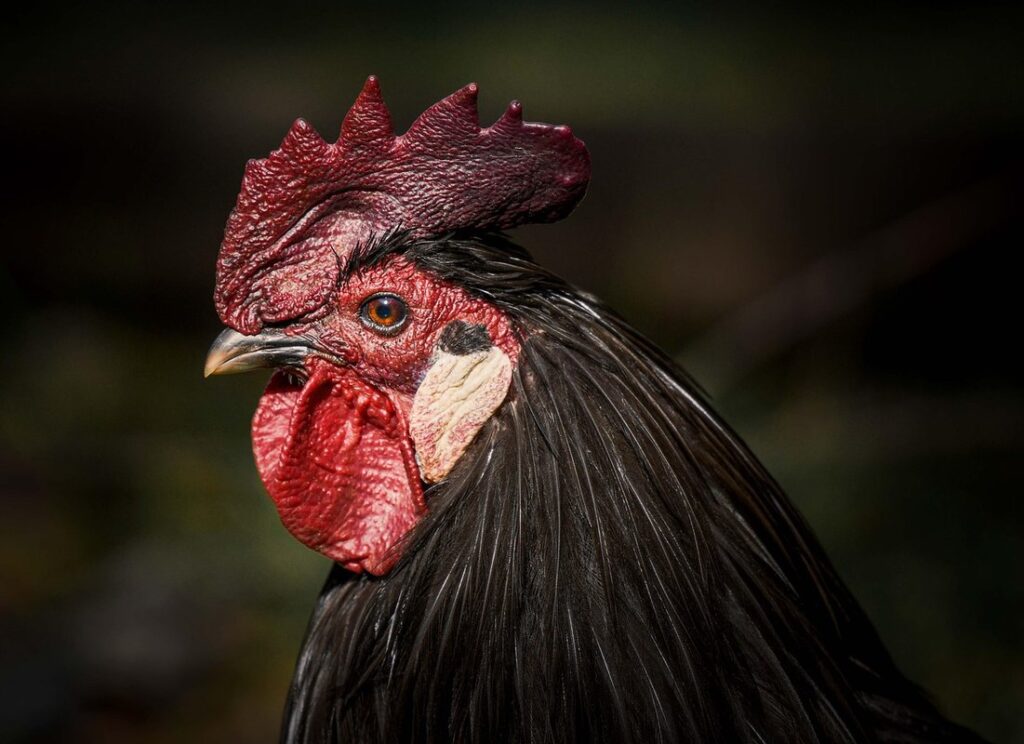
The Role of Roosters in Fertilization
Let’s dive into the fascinating role roosters play in fertilization, where their unique characteristics and behaviors make them crucial to successful breeding. You’ll learn about their essential contributions.
Natural Mating vs. Artificial Insemination
When roosters naturally mate with hens, it’s essential to understand that proper mating techniques play a crucial role in successful fertilization. During natural mating, the rooster will mount the hen and perform a few specific actions to ensure sperm transfer occurs efficiently. He will first place his beak on top of her head, signaling the start of courtship. Next, he will proceed with mounting her, making sure his cloaca is properly aligned with hers.
Artificial insemination (AI) offers an alternative method for achieving fertilization. AI involves collecting a rooster’s semen and inserting it into the hen using specialized equipment. To perform AI, you’ll need a syringe specifically designed for egg collection or a gloved hand to gently guide the semen into the vent. The process typically occurs during breeding season when hens are most receptive.
Proper technique is key when performing AI to avoid causing harm to either bird and ensure successful fertilization.
Factors Affecting Rooster Fertility
A rooster’s fertility is influenced by several factors that can significantly impact its ability to fertilize eggs. One of the most critical factors is age. Younger roosters tend to have higher fertility rates than older ones, with peak fertility typically occurring between 1-3 years old. As roosters mature, their fertility gradually declines due to reduced sperm quality and quantity.
Nutrition also plays a vital role in maintaining a rooster’s fertility. A balanced diet rich in essential nutrients, vitamins, and minerals is crucial for optimal reproductive health. Deficiencies in specific nutrients can lead to decreased fertility, so it’s essential to provide your flock with high-quality feed that meets their nutritional needs.
Genetics also play a significant part in determining a rooster’s fertility. Some breeds are naturally more fertile than others due to selective breeding practices. Health issues, such as parasites or diseases, can further impact fertility rates. Regular health checks and proper management practices can help mitigate these effects and maintain optimal fertility levels.
Understanding the Sperm and Egg
To understand how rooster fertilization works, let’s take a closer look at the sperm and egg cells involved in the process. Both play crucial roles in creating new life.
Rooster Sperm Characteristics and Production
When it comes to rooster fertilization, understanding the characteristics of rooster sperm is crucial. Rooster sperm are tiny, flexible cells that play a vital role in fertilizing eggs. Their structure consists of a head, midpiece, and tail, allowing them to move efficiently through the reproductive tract.
The motility of rooster sperm refers to their ability to move and swim towards the egg. A healthy sperm should have good motility, with most moving forward in a straight line. The morphology of rooster sperm refers to their shape and size. Normally-shaped sperm are essential for successful fertilization. Finally, viability is another critical aspect, referring to the sperm’s ability to fertilize an egg.
The production process of rooster sperm occurs in the testes under the influence of hormones such as testosterone and follicle-stimulating hormone (FSH). These hormones regulate the development and maturation of sperm cells within the seminiferous tubules. Roosters with a balanced diet, adequate water intake, and regular exercise tend to produce healthier sperm. In fact, research suggests that providing roosters with a mix of grains, fruits, and vegetables can improve their fertility by up to 30%.
Chicken Egg Structure and Function
When it comes to rooster fertilization, understanding the structure and function of the chicken egg is crucial. Let’s take a closer look at the anatomy of a chicken egg.
At the center of the egg lies the yolk, which contains most of the nutrients that will sustain the developing embryo. Surrounding the yolk is the albumen, also known as the egg white, which provides additional nourishment and protection to the growing chick. Between the albumen and the shell is the air cell, a small space that allows for expansion during cooking.
The shell itself is made up of two main layers: the outer cuticle (also known as the “bloom”) and the inner membrane. The cuticle helps to prevent moisture loss from the egg, while the inner membrane provides an additional layer of protection against bacteria and other contaminants.
Each component plays a vital role in the fertilization process and subsequent embryo development. For example, the air cell must be present for proper expansion during incubation, ensuring that the chick has enough room to grow. The yolk’s nutrient-rich composition is essential for supporting the developing embryo’s growth and development. Understanding these intricacies can help you better appreciate the complexities of rooster fertilization and the importance of optimal egg conditions for successful hatching.
Fertilization Process: From Mating to Embryo Formation
When it comes to rooster fertilization, understanding the process from mating to embryo formation is crucial for anyone interested in raising healthy chicks. Let’s break down this fascinating journey step by step.
Insemination and Zygote Formation
When a rooster mates with a hen, the fertilization process begins. The journey from mating to zygote formation is complex and involves several critical steps. First, sperm penetration occurs when the rooster’s sperm enters the hen’s oviduct through the cloaca during mating. This usually happens within minutes of mating.
The sperm then travels through the infundibulum, a narrow tube that leads to the ampulla, where fertilization typically takes place. Here, the sperm penetrates the egg white and then the outer layer of the egg yolk, called the zona pellucida.
Next, pronuclear fusion occurs when the sperm’s genetic material combines with the hen’s egg. This creates a single cell, called a zygote, that contains all the necessary genetic information for development. Finally, initial cell division begins as the zygote starts to divide and grow.
Timing is crucial in this process – synchronization between the rooster’s sperm release and the hen’s ovulation is vital for successful fertilization. This ensures that the sperm meets the egg at the right moment, allowing fertilization to occur.
Early Embryonic Development
As we’ve discussed the fertilization process so far, it’s essential to delve into the early stages of embryonic development. This critical period is marked by rapid cell divisions and morphological changes that set the stage for further growth.
Cleavage is the first phase, where the zygote undergoes multiple cell divisions without significant growth, resulting in a cluster of cells called a morula. Around 4-5 days post-fertilization, the morula transforms into a blastocyst, consisting of an inner cell mass and a trophectoderm.
Genetic factors play a crucial role during this period, with the activation of specific genes influencing embryonic development. For instance, the maternal and paternal genomes must synchronize to ensure proper gene expression, which is vital for subsequent stages of growth.
Environmental conditions can significantly impact embryo viability, particularly temperature fluctuations, nutritional deficiencies, or exposure to toxins. For example, a study on chicken embryos showed that extreme temperatures during incubation can lead to developmental abnormalities. To optimize fertility, it’s essential to maintain stable environmental conditions and provide optimal nutrition to support healthy embryonic development.
Challenges in Rooster Fertilization
One of the most significant hurdles facing aspiring breeders is overcoming the challenges that come with rooster fertilization, a process prone to failure due to various factors. Let’s dive into the obstacles you’ll need to conquer.
Male-Female Ratio and Mating Issues
Achieving an optimal male-female ratio is crucial for successful mating, but it’s not always easy. Overcrowding can lead to stress and aggression among the roosters, causing them to fight with each other rather than focusing on breeding. This can result in fewer eggs being fertilized, reducing the chances of successful hatching.
In an ideal scenario, you want about 1 rooster for every 10-12 hens. However, this ratio may need to be adjusted depending on the breed and size of your flock. For example, some breeds are more aggressive than others, so it’s essential to research their specific needs before introducing them to your breeding program.
To mitigate overcrowding and aggression issues, consider separating your roosters at night or providing a separate enclosure for each one. This will give them space to roam and reduce the likelihood of fighting. Additionally, make sure your hens have access to enough food, water, and shelter to minimize stress levels in the flock. By creating a healthy breeding environment, you can promote successful mating and increase the chances of successful fertilization.
Factors Affecting Egg Quality and Fertility
When it comes to rooster fertilization, the quality of eggs from hens plays a crucial role. Factors such as nutrition, health, and genetics can significantly impact egg fertility and overall quality. For instance, a balanced diet rich in essential nutrients like calcium, vitamin D3, and omega-3 fatty acids is vital for maintaining healthy ovaries and ensuring proper egg development.
Proper health management also affects fertility. Hens exposed to stress, diseases, or parasites may experience reduced reproductive efficiency, leading to lower fertilization success rates. Genetics can also influence egg quality, with certain breeds being more prone to fertility issues than others. For example, some research suggests that hens from heritage breeds tend to have higher fertility rates compared to commercial breeds.
By paying attention to these factors and providing a supportive environment for our hens, we can improve fertilization success rates. This includes maintaining optimal living conditions, managing stress levels through regular check-ups and vaccinations, and selecting breeds known for their fertility traits.
Breeding Programs for Improved Rooster Fertility
When it comes to breeding programs, selecting roosters with high fertility rates is crucial. In this next part, we’ll explore how specific programs can improve a flock’s overall fertility.
Selective Breeding Strategies
When it comes to improving rooster fertility through breeding programs, selective breeding techniques play a crucial role. One such technique is artificial selection, where breeders carefully select and breed roosters with desirable traits, such as increased sperm count or motility. This process involves analyzing the genetic makeup of individual roosters and selecting those with the highest potential for successful fertilization.
Another strategy is embryo transfer, which allows breeders to identify and transfer embryos from high-performing roosters into surrogate hens. This technique has shown significant success in improving fertility rates and reducing losses due to embryonic failure. Genomics also plays a key role, as it enables breeders to pinpoint specific genetic markers associated with improved fertility.
The advantages of targeted breeding programs are numerous. By focusing on individual flocks’ unique needs and characteristics, breeders can develop more effective strategies for enhancing fertility. This approach also reduces the risk of introducing undesirable traits or reducing overall reproductive health. By implementing selective breeding techniques, farmers and breeders can significantly improve rooster fertility, leading to increased egg production and reduced costs associated with lost fertilizations.
Integrated Management Practices
Maintaining healthy roosters is crucial for optimal fertility. A well-planned integrated management strategy can significantly reduce stressors that contribute to decreased fertility. Let’s start with nutrition – a balanced diet is essential for rooster health and fertility. Ensure they have access to clean water, adequate protein, and essential minerals like zinc and selenium. These nutrients support testosterone production, which regulates sperm count and motility.
Vaccination programs are also vital in preventing diseases that can impact rooster fertility. Regular deworming and parasite control measures help prevent internal parasites from hindering reproductive health. Maintain a clean environment by removing manure and waste regularly, reducing the risk of bacterial infections.
Adequate lighting and ventilation within the coop are often overlooked but play a significant role in rooster well-being. Aim for at least 14 hours of light per day to promote hormonal balance. Additionally, maintain a temperature range between 50°F to 80°F (10°C to 27°C) to prevent overheating or chilling.
Regular health checks and monitoring can help identify any potential issues early on. This includes checking for signs of stress, such as changes in behavior or appetite. Consult with a veterinarian experienced in poultry care to develop a tailored management plan that addresses specific needs based on breed, age, and environmental conditions.
Frequently Asked Questions
Can I breed roosters from young birds?
Breeding roosters too early can lead to decreased fertility and health issues later on. It’s recommended to wait until they’re at least six months old and have reached physical maturity before introducing them to breeding programs.
How often should I collect rooster sperm for artificial insemination?
Collecting rooster sperm too frequently can reduce their quality and quantity. For optimal results, collect sperm every 5-7 days during the peak breeding season or as needed based on your specific breeding program.
What’s a suitable male-female ratio for optimizing rooster fertility in small backyard flocks?
Achieving the right balance is crucial for maximizing egg production and hatching rates. A general rule of thumb for small flocks is to maintain 1-2 roosters per 8-10 hens, allowing for natural mating and reducing aggression.
Can I improve rooster sperm quality through diet and nutrition?
While maintaining a balanced diet is essential for overall health, specific nutrients can directly impact sperm quality. Include high-quality feed rich in antioxidants, vitamins, and minerals to support optimal reproductive health.
How long does it take for a hen’s egg yolk to mature enough for fertilization after ovulation?
After ovulation, the egg yolk takes about 24-26 hours to mature within the oviduct before being released. This window is critical for successful fertilization and subsequent embryo development during mating.