
If you’re thinking about starting or managing a backyard flock, understanding the differences between chickens and roosters is crucial. While many people believe these birds are essentially the same, there are distinct physical characteristics, behaviors, and roles that set them apart. Roosters, with their vibrant plumage and loud crowing, play a vital role in a flock’s social dynamics. But did you know they also have unique requirements when it comes to nutrition and care? In this article, we’ll delve into the main differences between roosters and chickens, covering everything from physical characteristics and behaviors to roles within the flock and how to care for both effectively. By the end of this post, you’ll be better equipped to manage your flock and provide the best possible life for your birds.
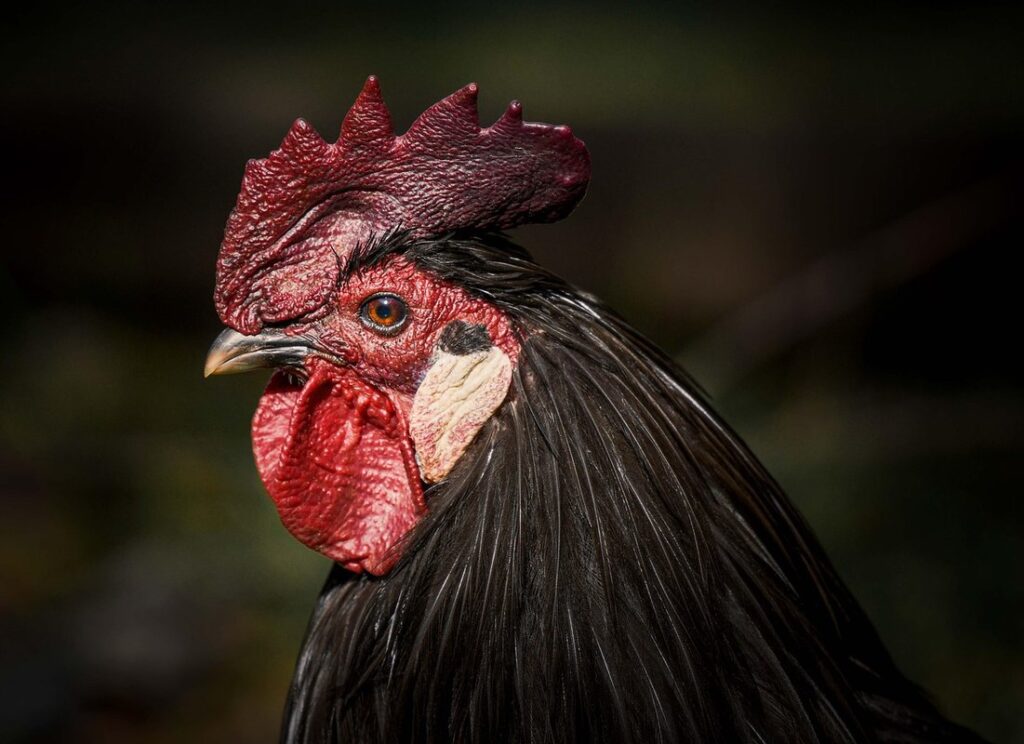
What is a Rooster?
So, you want to know what makes a rooster different from your average backyard chicken? Let’s start by defining exactly what a rooster is and exploring its unique characteristics.
Definition and Role
A rooster is the male counterpart to a hen, playing a vital role in a flock’s social dynamics and reproductive process. Unlike hens, which are egg-laying females, roosters are primarily responsible for fertilizing eggs and producing sound signals to alert the rest of the flock.
One key difference between a rooster and a hen is its size and plumage. Roosters tend to be larger and more vibrantly colored than hens, with distinctive features such as longer tails and brighter feathers. In terms of behavior, roosters are known for their crowing ability, which serves as an alarm call to signal potential threats or alert the flock to important events.
In a typical flock setting, a single dominant rooster will often take on a leadership role, establishing a pecking order among its members. This social hierarchy is essential for maintaining harmony within the group and ensuring that all birds are able to thrive and reproduce successfully.
Physical Characteristics
A rooster’s physical characteristics are one of the most noticeable differences between males and females in the chicken world. When it comes to plumage, roosters tend to have more vibrant and iridescent feathers, especially on their necks and heads. They also typically have longer, more pointed tails than hens. In terms of size, adult roosters are generally larger and heavier than hens, with some breeds weighing up to 20% more.
Beak shape is another distinguishing feature, with roosters having a slightly thicker and stronger beak than hens. This is due in part to their role as the dominant birds in the flock, which requires them to forage more aggressively for food. Finally, combs on roosters are typically larger and more prominent than those on hens, with some breeds sporting massive, globular combs that can make a big impact.
It’s worth noting that while these physical differences can be striking, they’re not always easy to spot – especially if you’re new to chicken-keeping. Take the time to observe your birds closely and pay attention to any changes in their appearance as they mature.
Behavior and Sound
Roosters are known for their distinctive behaviors that set them apart from hens. One of the most recognizable characteristics of a rooster is his crowing. Roosters will typically crow at dawn and dusk, signaling to other birds and even humans that it’s time to wake up or settle in for the night. But why do they crow so loudly? It’s not just to announce their presence – research suggests that crowing helps roosters establish dominance within a flock.
But crowing isn’t the only way roosters communicate with each other. In fact, male chickens are known to engage in fighting and mating displays to assert their dominance or attract mates. These displays can be intense, with birds flapping their wings and puffed out feathers on full display. If you’re considering raising a flock of chickens, it’s essential to understand these behaviors so you can create a harmonious environment for your birds.
When introducing roosters to a new flock, it’s crucial to supervise interactions closely and provide separate areas for males and females to prevent unnecessary fighting. With patience and proper management, you can successfully integrate a rooster into your backyard flock.
What is a Chicken?
Let’s start by defining what we mean by a chicken: it’s a domesticated bird belonging to the species Gallus gallus domesticus. You might be surprised at just how many different types of chickens exist.
Definition and Classification
So, what exactly is a chicken? Let’s start with the basics. A chicken is a domesticated bird that belongs to the order Galliformes and family Phasianidae. Within the poultry industry, chickens are classified as birds, specifically members of the subfamily Gallinae. This classification puts them in the same group as turkeys, quails, and pheasants.
There are over 300 breeds of domesticated chickens worldwide, each with its unique characteristics, size, and plumage. Some popular breeds include Leghorns, Rhode Island Reds, and Plymouth Rock. Chickens can be further divided into categories based on their egg-laying ability, meat production, or feather type.
In terms of physical attributes, adult chickens typically weigh between 3-10 pounds and have a lifespan of around 5-7 years. They come in various sizes, from the small Bantam to the large Brahma. Understanding the different breeds and characteristics of chickens is essential for anyone interested in raising them for eggs, meat, or as pets. Whether you’re a seasoned farmer or a backyard chicken enthusiast, knowing your chickens’ background can help you provide the best care and ensure their optimal health and productivity.
Physical Characteristics
When it comes to physical characteristics, chickens exhibit some distinct features that set them apart from roosters. One of the most noticeable differences is their plumage. Chickens have a more varied and vibrant plumage than roosters, with a range of colors and patterns depending on the breed. In contrast, roosters tend to have more subdued and uniform coloring.
In terms of size, chickens are generally smaller than roosters. While some breeds can grow quite large, roosters typically reach maturity at around 12-18 months, whereas hens (female chickens) may not fully mature until 18-24 months. This size difference is also reflected in their beak shape, with roosters having a slightly larger and more robust beak than hens.
Interestingly, egg-laying abilities are also influenced by physical characteristics. Hens, as they mature, develop a small indentation on the upper part of their cloaca (the area where their reproductive organs meet), which becomes visible when they begin laying eggs. This is not seen in roosters.
Behavior and Lifestyle
Chickens are social creatures that thrive on interaction with their flock members. In a typical household setting, they require attention and care from their owners to maintain a happy and healthy lifestyle. When it comes to foraging, chickens love to scratch and peck at the ground to find tasty bugs, seeds, and grains.
To encourage natural behavior, provide your flock with regular opportunities to forage outdoors in a secure area. You can also supplement their diet with treats like mealworms or sunflower seeds. Chickens are also known to be prolific nesters, and they prefer quiet, secluded spots to lay their eggs.
When it comes to socializing, chickens have a pecking order within the flock. They establish hierarchies based on age, size, and personality. Be prepared for some feather-pulling and squawking during introductions, but with patience and proper supervision, they’ll settle into their roles.
To ensure your chickens’ comfort and well-being, provide them with enough space to roam, adequate nesting boxes, and regular cleaning of their living area. With proper care and attention, you can enjoy the delightful company of these fascinating creatures in your backyard or garden.
Rooster vs. Chicken: Key Differences
When it comes to backyard flocks, understanding the difference between a rooster and a chicken is crucial for maintaining harmony and avoiding unwanted noise complaints from neighbors. Let’s break down their key characteristics.
Morphological Distinctions
When it comes to identifying whether you have a rooster or a chicken on your hands, paying attention to their physical characteristics is essential. One of the most noticeable differences between roosters and chickens lies in their size and weight. Roosters are generally larger than hens, with an average height of 25-30 inches (63-76 cm) compared to a hen’s 20-24 inches (51-61 cm). Additionally, roosters tend to weigh more, ranging from 8-12 pounds (3.6-5.4 kg), whereas hens typically top out at around 6-8 pounds (2.7-3.6 kg).
Their plumage patterns also distinguish the two sexes. Roosters have vibrant, iridescent feathers with distinct coloration on their necks, heads, and tails. These bright colors can range from deep blues to fiery reds, depending on the breed. In contrast, hens tend to sport duller, more subdued plumage, often featuring shades of brown, gray, or white.
By observing these physical traits, you should be able to tell whether your bird is a rooster or a hen. However, keep in mind that some breeds can exhibit variations on this rule, so don’t rely solely on size and coloration.
Behavioral Contrasts
One of the most striking differences between roosters and chickens is their behavior. While both males and females share some common traits, there are distinct behaviors exhibited by each that set them apart.
Roosters, being the dominant sex, display a range of mating behaviors to attract hens. These displays often include intricate dances, strutting around the yard with an impressive spread of feathers, and even symbolic offerings of food or other tokens. You may have seen this in action if you’ve ever kept backyard chickens – it’s not uncommon for roosters to put on a show for potential mates.
In contrast, hens tend to be more laid-back and often prioritize foraging over showing off their plumage. While they’ll certainly respond positively to attention from a suitor, they won’t typically initiate elaborate displays themselves. If you notice your hen seems particularly interested in a rooster’s advances, it might be worth separating them temporarily to avoid any potential stress or conflict.
Roosters also tend to exhibit more aggression than hens, especially when defending their territory or mates. This can sometimes manifest as loud squawking or even physical attacks – so be sure to keep a close eye on your birds if you’re introducing new males to the flock!
Life Cycle and Purpose
When it comes to their life cycle and purpose within a flock, roosters and chickens exhibit distinct differences. The primary purpose of a rooster is for breeding, whereas hens are bred specifically for egg-laying. This fundamental difference affects their behavior, responsibilities, and overall roles in the flock.
Roosters play a crucial part in fertilizing eggs, ensuring the continuation of the flock’s genetic line. They also serve as sentinels, alerting the rest of the flock to potential threats. In contrast, hens focus on laying eggs, with some breeds producing upwards of 300 eggs per year. As such, roosters and hens have different nutritional requirements, making it essential for farmers and backyard chicken enthusiasts to tailor their feeding strategies accordingly.
In terms of responsibilities within a flock, roosters take on a leadership role, establishing dominance hierarchies and maintaining order among the hens. Hens, on the other hand, are responsible for foraging, nesting, and caring for their young. Understanding these differences is vital for creating a harmonious and balanced flock environment.
Rooster Characteristics: Unique Traits and Abilities
When it comes to roosters, there are some distinctive traits that set them apart from hens. Let’s take a closer look at what makes your rooster special.
Comb and Wattle Development
When it comes to roosters, one of their most distinctive and noticeable features is the development of combs and wattles. While chickens have small, rudimentary combs and no wattles, roosters grow larger, more prominent combs and long, dangling wattles. But what’s behind this unique development?
The comb and wattle serve several purposes in a rooster’s life. One of the primary functions is temperature regulation. The comb acts as a radiator, helping to dissipate excess heat from the rooster’s body, particularly during hot summer months. This is especially important for roosters, as they tend to be more active than hens and generate more body heat.
In addition to temperature regulation, combs and wattles play a significant role in mating displays. A rooster with a large, vibrant comb and long wattle will often use these features to attract hens during courtship. In fact, the size and color of a rooster’s comb can be an indicator of his overall health and genetic quality.
If you’re raising roosters for breeding or exhibition purposes, it’s essential to provide them with adequate nutrition and care to promote healthy comb development. A balanced diet rich in vitamins and minerals will help support the growth and maintenance of your rooster’s combs and wattles. By understanding these unique characteristics, you can better appreciate the differences between roosters and chickens, and make informed decisions when selecting breeding stock or evaluating exhibition birds.
Crowing and Vocalization
When it comes to communication, roosters are vocal and expressive birds that use crowing and other sounds to convey important messages. One of their primary uses for vocalization is to establish dominance within the flock. A dominant rooster will let out loud, clear crows to assert his authority over hens and younger roosters.
Crowing serves multiple purposes: it announces the rooster’s presence, signals his mating intentions, and warns potential predators. Roosters also use a range of other vocalizations, such as soft clucks or chirps, to communicate with hens. For example, if a hen is in distress or needs attention, she may make high-pitched sounds that signal her rooster’s need to respond.
To understand what your rooster is communicating through crowing and vocalization, pay attention to the tone, volume, and frequency of his calls. Are they loud and frequent, or soft and sparse? By tuning in to these cues, you can better comprehend your bird’s needs, personality, and even potential health issues.
Mating Displays and Fertilization
When it comes to attracting hens, roosters take center stage with their elaborate mating displays. These complex courtship rituals are a crucial part of the fertilization process and showcase the unique traits that distinguish roosters from hens.
During mating displays, roosters perform a range of behaviors to impress potential mates. They may puff out their chests, spread their tails, or even sing loudly to demonstrate their strength and dominance. In some breeds, such as the Silkie, roosters will also display elaborate courtship dances, complete with twirling, bowing, and strutting.
But what’s behind these impressive displays? Well, it all comes down to fertilization. When a rooster mounts a hen, he deposits sperm into her cloaca, which is a multi-purpose opening used for reproduction, digestion, and excretion. The sperm then fertilizes the yolk of an egg as it passes through the oviduct, resulting in development of the embryo.
To encourage successful mating displays and fertilization, provide your rooster with adequate space, nutritious food, and regular exercise. Ensure that he has access to plenty of hens, and consider introducing them at a young age to promote bonding and reduce aggression. With patience and proper care, you’ll be rewarded with healthy eggs and happy birds!
Chicken Characteristics: Essential Traits and Abilities
To truly appreciate the differences between roosters and hens, it’s essential to understand their unique characteristics, including distinct physical traits and behaviors. Let’s dive into these key features now.
Egg-Laying and Reproduction
When it comes to understanding the difference between a rooster and a chicken, it’s essential to delve into their reproductive biology. Female chickens, also known as hens, are capable of laying eggs continuously throughout their lives, whereas males, or roosters, play a crucial role in fertilization.
Egg-laying cycles in chickens typically occur every 24-26 hours, with an average of 280-300 eggs per year. However, this number can vary depending on factors such as breed, nutrition, and health. Fertility rates are also influenced by the rooster’s presence, with a single rooster able to fertilize around 80% of eggs in a well-bred flock.
Embryonic development is another critical aspect of reproductive biology. After fertilization, the egg white (albumen) provides nutrients for the growing embryo, while the yolk serves as its primary source of energy. The incubation period typically lasts 21 days, after which the chick will pip through the shell and emerge into the world.
Understanding these intricacies can help you make informed decisions about breeding and managing your flock effectively.
Foraging and Nutrition
Chickens are opportunistic foragers, meaning they’ll eat almost anything they can find. In the wild, they scratch and peck at the ground to uncover seeds, insects, and small animals. This behavior is essential for their survival and has been honed over thousands of years of evolution.
In a backyard or farm setting, chickens will still exhibit this foraging instinct, but they may require supplementation with commercial feed to ensure they’re getting all the necessary nutrients. As omnivores, chickens have specific dietary needs that include protein-rich foods like insects, seeds, and grains. They also require access to calcium-rich foods like crushed eggshells or dark leafy greens to maintain strong bones.
When adapting to different environments, chickens are surprisingly resilient. For example, they can thrive in areas with limited vegetation by exploiting alternative food sources like worms or small rodents. However, this adaptability comes at a cost: over-reliance on human-provided feed can lead to health problems and decreased fertility. By understanding your chicken’s foraging behavior and providing a balanced diet that meets their nutritional needs, you can help ensure they stay healthy and happy.
Social Structure and Hierarchy
Within a flock of chickens, social dynamics are just as fascinating as they can be complex. You’ll notice a pecking order at play, where some birds naturally assume leadership roles and others follow suit. This dominance hierarchy is essential for maintaining harmony within the group, but it’s not always clear-cut. Chickens often engage in cooperative behaviors, such as sharing food or warning each other of potential threats.
A dominant rooster will usually hold a higher position in the pecking order, while hens may fight for secondary positions. However, this hierarchy can shift depending on factors like age, size, and even temperament. To maintain social balance within your flock, consider introducing multiple roosters at different stages of maturity to prevent any one bird from becoming too dominant.
When managing your flock’s social dynamics, observe their behavior carefully. You might notice a specific hen taking charge during feeding time or a young rooster trying to assert its dominance. By understanding and respecting these natural behaviors, you can create a more harmonious and stress-free environment for your birds.
Raising Roosters vs. Chickens: Considerations and Challenges
When it comes to adding roosters to your flock, there are important considerations to keep in mind, especially when it comes to noise levels and territorial behavior.
Housing and Enclosures
When it comes to housing and enclosures for roosters versus chickens, there are distinct considerations that need to be taken into account. Roosters require more space than hens due to their energetic and active nature. A minimum of 10-15 square feet per bird is recommended for a single rooster, whereas 5-7 square feet per hen is sufficient.
However, having too much space can lead to mischief, such as damage to fences or property. A good rule of thumb is to provide a secure enclosure with sturdy fencing and netting to prevent escape attempts. Roosters are notorious for their tendency to test boundaries, so it’s essential to prioritize safety and security when designing the coop.
In terms of size, roosters need slightly more vertical space than hens due to their larger size. A height of at least 4-5 feet is recommended to allow them to stretch their necks and wings comfortably. Additionally, a separate enclosure or “rooster-proof” area within the main coop can be beneficial for containing their energetic behavior.
When selecting an enclosure for your roosters, prioritize durability and security over aesthetics. A well-designed coop with adequate ventilation, shade, and protection from predators will ensure a happy and healthy flock.
Nutrition and Diet
When it comes to nutrition and diet for roosters and chickens, there are some key differences to keep in mind. Roosters require a slightly different balance of nutrients than hens due to their higher energy levels and activity.
For both roosters and chickens, a high-quality layer feed or starter/grower feed should be the main staple of their diet. However, it’s essential to supplement with fresh fruits and vegetables daily to ensure they receive essential vitamins and minerals. Leafy greens like kale and spinach are excellent choices, as well as carrots, apples, and berries.
But what about treats? Roosters love protein-rich treats like mealworms or crickets, which can be given in moderation. Hens may enjoy grains like oats or barley. When choosing treats, opt for nutrient-dense options that won’t cause digestive issues. Remember to introduce new foods gradually to prevent stomach upset.
Aim to provide about 1-2% of their daily caloric intake through treats and supplements. This ensures they receive the nutrients they need without overfeeding. By paying attention to these dietary differences, you can help your roosters thrive alongside your chickens.
Health and Hygiene
When it comes to raising roosters versus chickens, one crucial aspect to consider is their unique health concerns and hygiene practices. Roosters are more susceptible to certain diseases due to their aggressive behavior, which can lead to stress-induced illnesses.
To prevent disease transmission between birds, it’s essential to implement proper parasite control measures. Use diatomaceous earth or medicated feed to control internal parasites like worms and coccidia in both roosters and chickens. Regularly clean the coop and remove soiled bedding to reduce the risk of external parasites like mites and lice.
For disease prevention, prioritize good ventilation in the coop, maintain a balanced flock size, and isolate new birds for at least 30 days before introducing them to the main group. Roosters, being more prone to aggression, may require additional precautions such as separate housing or regular breaks from the flock to prevent fighting and stress.
Regular health checks and monitoring of your rooster’s behavior will help you identify potential issues early on. By understanding these unique health concerns and taking proactive steps, you can ensure a healthier and happier flock for both roosters and chickens.
Conclusion: Understanding the Distinctions Between Roosters and Chickens
Now that we’ve explored the key differences, let’s tie everything together by reviewing what you need to know to confidently identify a rooster versus a chicken.
Recap of Key Differences
In reviewing the key points discussed throughout this post, it’s clear that there are several distinct differences between roosters and chickens. Physically, roosters typically have larger, more vibrant plumage, with long tail feathers and a prominent comb on top of their heads. In contrast, hens tend to be smaller in stature and have less dramatic coloring.
Behaviorally, roosters are also more aggressive and dominant, often engaging in loud crowing and defending their territory against other birds. Hens, on the other hand, are generally quieter and more docile, focusing primarily on laying eggs. When it comes to purpose, a key difference lies in their roles within a flock: roosters serve as breeders and guardians, while hens are primary egg-layers.
By understanding these distinctions, backyard chicken keepers can better appreciate the unique characteristics of each bird and make informed decisions about their flocks. For example, if you’re looking to increase your egg production, it may be worth investing in a few more hens or selecting breeds that excel in this area.
Practical Applications and Tips
When it comes to caring for roosters and chickens on your backyard flock, there are some key differences to keep in mind. For one, roosters require more space to roam and exercise, so if you’re planning a large coop or run, make sure to include enough room for them to stretch their wings.
In terms of diet, both roosters and chickens should have access to high-quality feed that’s rich in protein and calcium. However, roosters may benefit from additional supplements like oyster shell or crushed eggshells to support strong bone growth.
When interacting with your flock, it’s essential to establish a pecking order. Roosters can be protective of their hens, so introduce them slowly and under close supervision to avoid any aggression. On the other hand, chickens may require more gentle handling, especially when collecting eggs or performing routine health checks.
Regular health checks are crucial for both roosters and chickens, including vaccinations and parasite control measures. Consider consulting with a local poultry expert or veterinarian for tailored advice on managing your flock’s specific needs.
Frequently Asked Questions
Can roosters be kept in small backyard flocks or do they require special consideration?
Yes, it’s possible to keep roosters in small backyard flocks, but their presence does require some consideration. Roosters can become protective of their hens and territory, so it’s essential to ensure there’s enough space for them to roam and exercise. A general rule of thumb is to provide at least 2-3 square feet of space per bird.
How do I determine the age at which a rooster will crow loudly?
Roosters typically begin crowing around 16 weeks of age, but this can vary depending on breed and individual development. Look for signs such as increased vocalization, strutting behavior, or displaying courtship postures to determine when your rooster is ready to start crowing.
Can I keep a rooster with hens that are not laying eggs?
Yes, you can keep a rooster with hens that are not laying eggs. While the primary purpose of a rooster is to fertilize eggs, his presence in the flock can still provide benefits such as protection and social hierarchy establishment. However, if your goal is solely egg production, it’s essential to consider this when choosing breeding stock or deciding whether to keep a rooster.
How do I handle conflicts between roosters?
In multi-rooster situations, conflicts may arise over dominance, territory, or hens. Monitor the behavior of your birds and separate them if you notice any aggression. Providing enough space, resources, and separate housing areas can help reduce tensions. You can also try introducing the roosters gradually to each other under close supervision.
What are some common health issues specific to roosters?
Roosters can be prone to certain health issues such as crowing-related vocal strain, heat stress due to excessive plumage, and injuries from territorial disputes or courtship displays. Regular monitoring of their behavior, plumage condition, and overall health is crucial to identifying potential problems early on. Consult with a veterinarian experienced in poultry care for guidance on prevention and treatment strategies.