
As a poultry breeder or enthusiast, you’re likely no stranger to the joys and challenges that come with raising chickens. But when it comes to accurately identifying roosters and hens, many people find themselves in a bit of a fowl mess. With so many physical characteristics and behavioral differences to consider, it’s easy to get confused – even among experienced breeders. In this comprehensive guide, we’ll take you through the expert techniques and essential tips for telling your roosters from your hens. From physical identification to behavioral clues, we’ll cover everything you need to know to ensure you’re raising healthy, happy chickens. Whether you’re a seasoned pro or just starting out, this article will provide you with the knowledge and confidence to accurately identify your flock’s roosters and hens.
Understanding Roosters and Hens
When it comes to distinguishing between roosters and hens, understanding their physical characteristics is key to accurate identification. This section will break down the most notable differences in plumage, size, and behavior.
Physical Characteristics of Roosters
When it comes to identifying roosters and hens, physical characteristics play a crucial role. One of the most noticeable differences is the beak shape. Roosters typically have a slightly curved or hooked beak, while hens have a straighter beak. This can be an important distinguishing feature, especially if you’re new to chicken keeping.
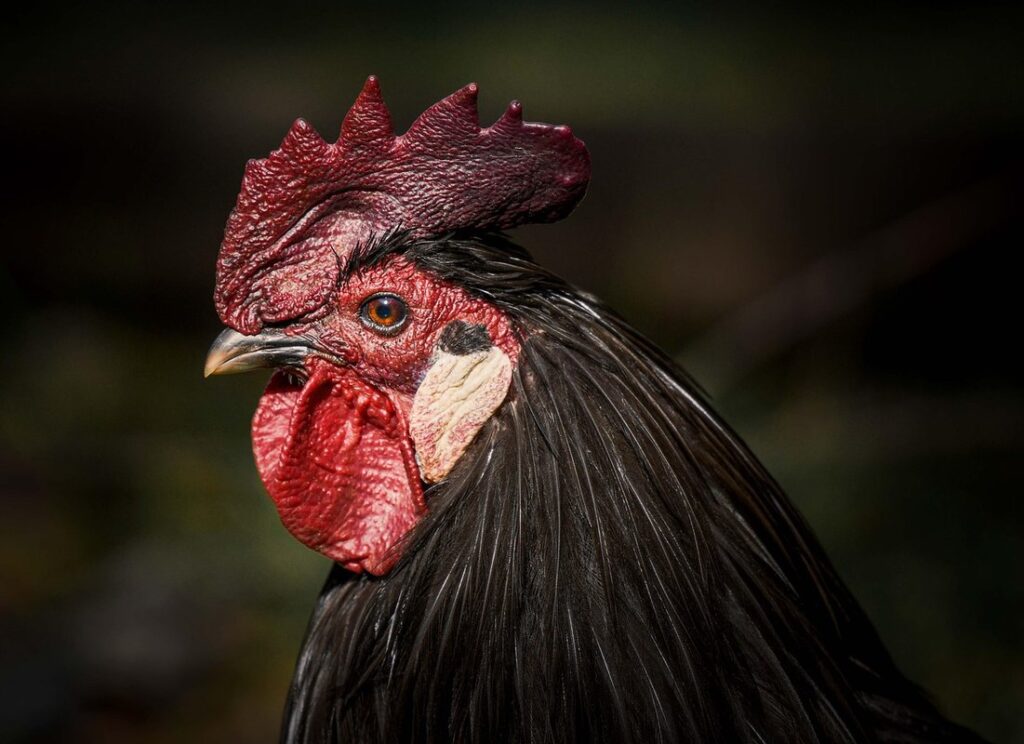
Another key difference is comb size and shape. Roosters tend to have larger, more vibrant combs than hens, often with red or pink tones. Hens usually have smaller combs that may appear pale or even purple in color. When inspecting your flock, pay attention to the comb’s size and color – a large, red comb is a strong indicator of a rooster.
Plumage also varies between males and females. Roosters typically sport shiny, vibrant feathers with a more pronounced saddle shape on their backs. Hens tend to have duller, less vibrant plumage with a flatter back appearance. Keep in mind that some breeds exhibit unique characteristics, so it’s essential to familiarize yourself with your flock’s specific traits.
When examining your chickens, take note of these key physical differences to improve your chances of accurately identifying roosters and hens. With practice, you’ll become more confident in your ability to tell them apart based on their distinctive features.
Behavioral Differences Between Roosters and Hens
When it comes to identifying roosters and hens, understanding their behavioral differences is crucial. One of the most noticeable distinctions lies in their aggression levels. Roosters tend to be more aggressive, especially during mating season or when defending their territory. They may engage in loud crowing, flapping, and even physical attacks on other birds. On the other hand, hens are generally less aggressive and more docile.
In terms of social interactions, roosters often take charge, leading the flock with their dominant behavior. However, this can sometimes be misinterpreted as dominance over the hens themselves. In reality, a well-socialized rooster will respect the hens’ space and work alongside them to maintain order within the flock. Hens, being more inclined towards social bonding, often form close relationships with each other, which is an essential aspect of their behavior.
When observing your birds, pay attention to these behavioral cues: if you notice a bird consistently taking charge or displaying aggressive tendencies, it’s likely a rooster. Conversely, if the birds are interacting harmoniously and not showing aggression towards each other, it could be hens.
Identifying Sex at Hatch
At hatch, distinguishing between roosters and hens can be a challenging task. This section will guide you through the physical characteristics to look for in chicks to identify their sex.
External Sexing Methods for Day-Old Chicks
Determining the sex of day-old chicks using external methods is an essential skill for backyard chicken keepers and breeders. One way to sex newly hatched chicks is by observing their plumage. Roosters tend to have longer, more pointed feathers on their backs, while hens will typically have shorter, rounder feathers.
Another method is to examine the beak shape and size. Rooster chicks often have a slightly larger beak than hen chicks. You can also look for comb development – roosters tend to develop their combs earlier and faster than hens. However, it’s worth noting that some breeds may not exhibit these characteristics as clearly.
To observe plumage, gently pick up the chick and hold it under a light source. Compare the feathers on its back, looking for any visible differences in length or shape. When checking beak size, make sure to handle the chick carefully to avoid causing injury. Keep in mind that external sexing methods are not 100% accurate, especially when dealing with young chicks. Therefore, it’s essential to combine these observations with other methods, such as vent sexing, for more reliable results.
Risks and Limitations of Early Sexing
Early sexing refers to identifying the sex of a chick at hatch. While it may seem convenient, there are potential risks and limitations associated with this practice. Incorrect identification can lead to serious consequences for poultry management.
For instance, if a rooster is mistakenly identified as a hen, it will be kept in the flock, potentially leading to over-breeding and reduced egg production. Conversely, if a hen is mistaken for a rooster, it may be culled prematurely, wasting valuable resources. Moreover, relying on early sexing techniques can also lead to missed opportunities for genetic improvement.
Studies have shown that even with advanced technologies like DNA testing, the accuracy rate of early sexing can range from 70% to 90%. This leaves room for error and potential financial losses. Furthermore, some breeds are more challenging to sex than others due to their physical characteristics or developmental patterns.
It is essential for poultry producers and enthusiasts to be aware of these risks and limitations when considering early sexing techniques.
Rooster Identification in Adult Birds
When it comes to identifying a rooster, adult birds often exhibit distinctive characteristics that set them apart from hens. Let’s take a closer look at these distinguishing features together.
Plumage Patterns and Colors
When it comes to identifying adult roosters, their distinctive plumage patterns and colors play a crucial role. A rooster’s plumage is typically more vibrant and extensive than that of a hen, with a greater display of colorful feathers.
One key characteristic of male chickens is the presence of long, pointed tail feathers. These feathers are usually the longest and most brightly colored on the bird, often extending beyond its body when in full display. Another distinctive feature is the hackle feathers on either side of the neck, which are also longer and more prominent in males.
When inspecting a rooster’s plumage, pay attention to its breast feathers as well. Roosters tend to have larger, more vibrant breast feathers compared to hens. Look for a combination of these features: long tail feathers, extensive hackle feathers, and large, colorful breast feathers. A rooster’s plumage should also be evenly distributed across its body, with no bald patches or uneven coloration.
Keep in mind that individual bird varieties can exhibit unique plumage patterns and colors. However, with practice, you’ll become more adept at identifying the telltale signs of a mature rooster.
Comb Shape and Size
When it comes to identifying mature roosters, one key characteristic to examine is the shape and size of their comb. The comb is a fleshy growth on top of the rooster’s head, and its appearance can be quite distinct from that of hens.
A rooster’s comb tends to be larger and more rounded than a hen’s, with a more vibrant red coloration. In contrast, hens typically have smaller combs that are often closer to their heads. By examining the size and shape of your bird’s comb, you can make an educated guess about its sex.
To get a better sense of what to look for, compare your rooster’s comb to that of a hen from your flock or one that is known to be female. Note the difference in size and coloration – a mature rooster’s comb should be noticeably larger and more vibrant than a hen’s.
Keep in mind that some breeds may exhibit variations on this characteristic, but for most birds, the shape and size of the comb can provide valuable information when identifying roosters versus hens.
Hen Identification in Adult Birds
When it comes to hens, identifying them can be a bit tricky, especially when they’re adults and their distinctive chick characteristics have faded away. Let’s break down what sets hens apart from roosters in this stage of life.
Egg-Laying Characteristics
When it comes to identifying laying hens, there are several key characteristics to look out for. One of the most obvious signs is egg production itself. Hens will typically begin laying eggs at around 18-24 weeks of age and can produce anywhere from 280 to 300 eggs per year. This number can vary depending on factors such as breed, nutrition, and overall health.
In addition to egg production rates, it’s also essential to consider a hen’s reproductive health. Look for physical signs such as a vulva visible through the vent, or a swollen udder (in breeds that are prone to udder development). It’s not uncommon for some hens to develop what’s known as “vent prolapse,” where the contents of the vent become visible outside the body.
When checking for these characteristics, it’s crucial to handle your birds gently and humanely. A good rule of thumb is to inspect a hen when she’s relaxed, rather than in a state of stress or agitation. This will not only make the process easier but also ensure that you’re getting an accurate reading of her reproductive health. By paying attention to these key characteristics, you can confidently identify which birds are laying hens and start enjoying those fresh eggs from your backyard flock.
Physical and Behavioral Cues for Hen Identification
When identifying a hen, it’s not just about visual characteristics; you can also look for physical and behavioral cues that indicate her age, health, and fertility status. For example, older hens may develop a more rounded body shape due to increased fat reserves, which is a natural process as they mature. They might also show signs of wear on their combs, wattles, and feathers.
Observe your hen’s behavior for signs of stress or anxiety, such as excessive pacing, pecking at the ground, or fluffing her wings. These behaviors can be indicative of underlying health issues that may impact fertility. On the other hand, a healthy hen will exhibit normal reproductive behaviors like nesting and egg-laying.
To assess a hen’s fertility status, look for signs of molting, which is a natural process where she sheds old feathers to make way for new ones. A fertile hen will typically have a more frequent and regular molting pattern compared to an infertile one. By paying attention to these physical and behavioral cues, you can gain valuable insights into your hen’s overall health and fertility status.
Common Mistakes in Rooster vs. Hen Identification
Don’t get it wrong: identifying roosters and hens can be tricky, but understanding common mistakes will help you become a pro at distinguishing between the two birds. In this section, we’ll highlight these mistakes to avoid.
Misidentification of Juvenile Birds
Identifying juvenile birds can be particularly challenging due to their similar appearance and lack of distinct characteristics. One common pitfall is misinterpreting early developmental stages as definitive signs of sex. For instance, young roosters may initially appear more sluggish or quiet than hens, but this is often a normal phase of growth rather than an indicator of sex.
Another mistake is attributing physical traits like comb size or feathering to be specific indicators of sex in juvenile birds. However, these characteristics can vary greatly among individuals and are not reliable signs of sex until the bird reaches maturity. It’s also essential to recognize that young roosters may appear more slender or have a longer neck than their female counterparts due to hormonal differences.
To accurately identify juvenile birds, focus on observing behavior rather than physical traits alone. For example, observe the bird’s mating behaviors and aggression levels – these can be indicative of sex even at an early age. It’s also crucial to note that some breeds may exhibit unique characteristics that deviate from standard expectations.
Consequences of Incorrect Sexing
Incorrectly identifying a rooster as a hen can have serious consequences on your flock’s health and productivity. One of the most significant risks is that a misidentified rooster will continue to be integrated into the flock, potentially leading to breeding and the introduction of unwanted traits. This can result in a decrease in egg production and an increase in stress levels among hens.
Additionally, an uncastrated male chicken (rooster) will continue to crow, which can become a significant disturbance if not managed properly. In some areas, excessive crowing may be prohibited by local ordinances, leading to fines or even the removal of your flock.
Furthermore, if you have a rooster that is misidentified as a hen and is integrated into a breeding program, it can lead to genetic issues in future generations. This can result in a decrease in overall health and fertility of your chickens.
If you suspect that one of your chickens is a rooster but has been identified as a hen, take immediate action by separating the bird from the rest of the flock and conducting further sexing to confirm its identity.
Advanced Techniques for Rooster vs. Hen Identification
Now that you’ve mastered the basics, let’s dive into more advanced techniques to help you confidently identify roosters and hens in your flock. We’ll cover expert tips and tricks for spotting subtle differences.
DNA Sexing
DNA sexing has emerged as a reliable method for determining the sex of poultry, offering a more accurate and efficient alternative to traditional methods. This technique involves analyzing DNA samples from a chick’s blood or tissue to identify sex-linked genes. By pinpointing these genes, genetic testing can accurately determine whether a chick is male (XY) or female (ZZ).
The benefits of DNA sexing are multifaceted. It eliminates the risk of human error associated with visual inspections and allows for early identification of sex at hatch or even before hatching. This is particularly valuable for breeders who want to ensure their flock is comprised of the optimal number of males, which can be crucial for breeding purposes.
However, DNA sexing also has its limitations. It’s essential to note that not all chicks will produce enough blood or tissue for accurate testing, and results may be inconclusive in some cases. Additionally, genetic testing requires specialized equipment and trained personnel, making it less accessible to small-scale farmers and backyard enthusiasts. Nonetheless, when executed correctly, DNA sexing can provide a precise determination of sex, giving breeders valuable insights into their flock’s composition.
Behavioral Observations for Experienced Breeders
As an experienced breeder, you’ve likely developed a keen eye for identifying roosters and hens through behavioral observations. To further refine this skill, pay attention to the bird’s overall demeanor and interactions with its flock. Roosters tend to be more assertive and dominant, often engaging in activities like crowing loudly, strutting around the coop, or aggressively chasing other birds.
In contrast, hens are generally more docile and social, preferring to forage and peck at feed near their flockmates. Observe how your birds interact with each other – do you notice a particular bird holding court, or does another seem to be the center of attention? These subtle cues can provide valuable insight into an individual’s sex.
When observing roosters versus hens, also note differences in aggression levels and displays of courtship behavior. For example, roosters may engage in impressive displays of plumage and strutting, while hens tend to focus on nesting and egg-laying activities. By paying attention to these behavioral patterns, you’ll become increasingly skilled at distinguishing between roosters and hens based on their unique personalities.
Best Practices for Rooster vs. Hen Management
Once you’ve identified your roosters and hens, it’s time to consider the best ways to manage them in harmony with each other. Effective cohabitation requires a thoughtful approach.
Separation and Housing Considerations
When it comes to managing roosters and hens separately, one of the most critical considerations is housing. Roosters require more space than hens due to their larger size and energetic nature. A good rule of thumb is to provide at least 10-15 square feet per bird for roosters, while hens can thrive in spaces as small as 5-7 square feet.
Socialization needs also come into play when separating roosters from hens. Roosters are naturally dominant and can be aggressive towards hens if not introduced properly. To minimize conflicts, it’s essential to socialize roosters from an early age with calm, gentle females. This process should occur gradually, starting with visual introductions and progressing to supervised interactions under close supervision.
In some cases, you may need to separate a dominant rooster from the rest of the flock to prevent stress and injury. If this is necessary, provide a secure enclosure or “bachelor pad” for your male bird, complete with adequate food, water, and space to roam.
Health and Vaccination Strategies
Maintaining optimal health in both roosters and hens is crucial to their overall well-being and productivity. A robust vaccination strategy should be implemented from an early age, focusing on common diseases such as Newcastle disease, infectious bronchitis, and Marek’s disease. It’s essential to consult with a veterinarian to determine the specific vaccination needs of your flock based on factors like location, climate, and previous health issues.
In addition to vaccinations, parasite control is also vital in preventing diseases. Regular cleaning and disinfection of coops, runs, and feeding areas can help reduce the risk of internal parasites such as coccidiosis. It’s recommended to administer deworming medication every 4-6 weeks during peak parasite seasons.
Monitoring for signs of illness or stress, such as changes in appetite, droppings, or feather condition, is also crucial. Implementing a regular health check schedule can help identify potential issues early on and prevent them from becoming more severe problems. This proactive approach will not only promote the overall health of your birds but also contribute to higher egg production and reduced mortality rates.
Frequently Asked Questions
Can I accurately identify roosters from hens through observation alone, or is some form of sexing necessary?
While it’s possible to make an educated guess based on physical characteristics and behavior, accurate identification often requires a combination of observation and sexing methods. This can include external sexing for day-old chicks or more advanced techniques like DNA sexing.
What are the consequences of misidentifying a rooster as a hen, and vice versa?
Misidentification can lead to several issues, including improper management, incorrect vaccination strategies, and potential health risks for your flock. Accurate identification is crucial for ensuring the well-being of both roosters and hens in your care.
How do I handle situations where my young chickens exhibit ambiguous characteristics or behaviors that don’t fit typical sexing criteria?
Ambiguous characteristics can be challenging to navigate. In these cases, consider consulting with an experienced breeder or veterinarian who can provide guidance on the best course of action for ensuring accurate identification and proper management.
Can roosters and hens be kept together in a flock without risking aggression towards each other, and if so, under what conditions?
While it’s possible to keep them together, especially if you’re introducing young birds or have a well-established flock with harmonious dynamics, introducing too many roosters to a predominantly female flock can lead to aggression. Monitor their behavior closely and separate as necessary.
What’s the ideal time for separating roosters from hens in terms of age and development?
Separation should occur around 18-24 weeks when most chickens have reached sexual maturity. However, this timeline may vary depending on breed, health, and individual growth rates. Monitor your flock closely for signs of readiness to separate, such as increased aggression or courtship behavior.