
Are you a proud owner of Rouen ducks or thinking of adding these beautiful birds to your backyard flock? Either way, caring for Rouen ducks requires attention to detail and a commitment to providing them with the best possible living conditions. From their housing needs to nutrition and health care, there’s a lot to consider when it comes to keeping your feathered friends happy and healthy. In this ultimate guide to Rouen duck care, we’ll cover everything you need to know about caring for these amazing birds. We’ll dive into the specifics of their living arrangements, dietary requirements, common health issues, and even provide tips on breeding. Whether you’re a seasoned duck keeper or just starting out, this article will give you the knowledge you need to raise happy and thriving Rouen ducks.
Introduction to Rouen Ducks
If you’re new to keeping waterfowl, getting to know Rouen ducks is a great place to start – they’re known for their gentle nature and striking appearance. This section will cover the basics of these beautiful birds.
Brief History and Origin of Rouen Ducks
Rouen ducks have their roots in medieval Europe, specifically in France, where they were bred for their exceptional egg-laying abilities and unique characteristics. The breed’s origins date back to the 16th century when French duck breeders crossed Muscovy ducks with local breeds to create a more robust and hardy bird.
Over time, the Rouen duck became a staple on French farms, prized for its impressive size, striking appearance, and prolific egg production. Today, this heritage breed is highly sought after by waterfowl enthusiasts worldwide due to its rich history and distinctive traits.
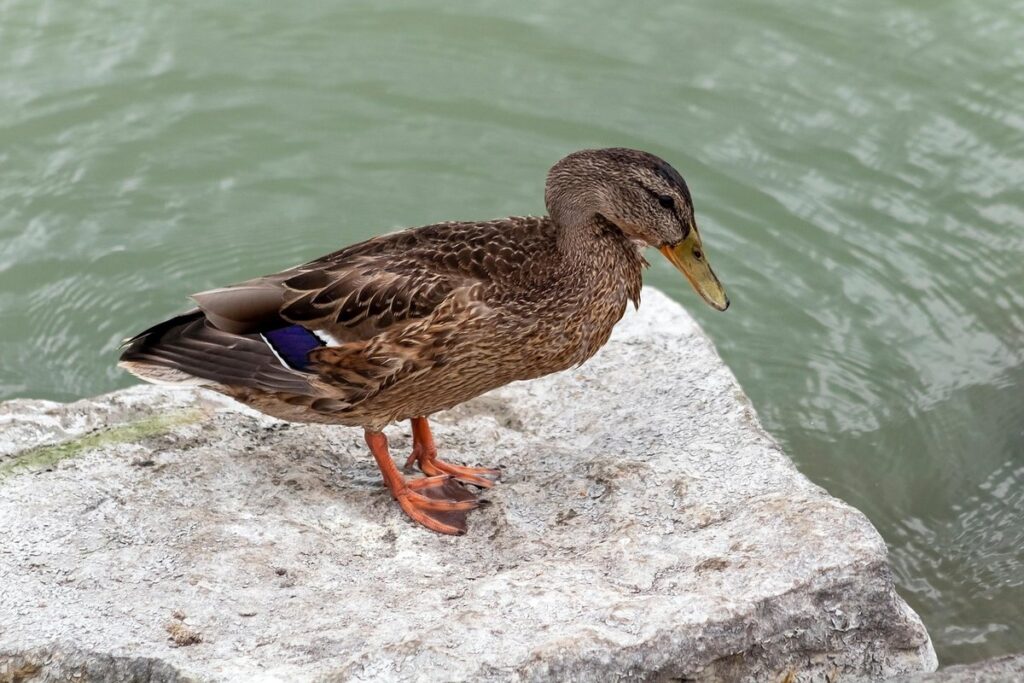
One of the most notable characteristics of Rouen ducks is their remarkable size – both males and females can weigh up to 10 pounds or more. Their broad bodies, long necks, and striking white feathering on the heads make them a standout in any waterfowl collection. To care for these magnificent birds, it’s essential to provide them with adequate space to roam and exercise, as well as a balanced diet that meets their specific nutritional needs.
In terms of temperament, Rouen ducks are known for being friendly, docile, and relatively easy to handle – making them an excellent choice for families or individuals new to duck keeping. With proper care and attention, these magnificent birds can thrive in a variety of settings, from small backyards to larger farm environments.
Benefits of Keeping Rouen Ducks as Pets
Rouen ducks make wonderful pets for many reasons. Their friendly and social nature makes them a joy to have around, as they are often described by owners as “velcro ducks” due to their tendency to stick close by. They thrive on interaction and attention from their owners, which means you’ll likely find yourself spending quality time with your Rouen duck.
Another benefit of keeping Rouen ducks is their impressive egg-laying abilities. On average, a healthy Rouen duck will lay around 300-320 eggs per year, making them a reliable source of fresh eggs for many families. This is especially beneficial for those living in rural areas or looking to reduce their carbon footprint.
Caring for Rouen ducks is also relatively low-maintenance compared to other pets. They are hardy birds that require minimal grooming and can adapt well to most environments. With proper care, including a balanced diet and regular exercise, your Rouen duck will be happy and healthy.
Housing and Environment for Rouen Ducks
When it comes to keeping your Rouen ducks happy and healthy, providing a suitable housing and environment is crucial. Here are some essential tips for creating a comfortable home for these magnificent birds.
Providing a Suitable Enclosure for Your Rouen Ducks
When it comes to housing your Rouen ducks, providing a suitable enclosure is crucial for their health and well-being. The size of the enclosure will depend on the number of ducks you plan to keep, but as a general rule, aim for at least 2-3 square feet per bird inside the coop, and around 8-10 square feet outside in the run. This will give them enough space to move around comfortably.
In terms of fencing, make sure it’s sturdy and at least 3 feet high to prevent escape attempts. You can use chicken wire or netting, but consider adding extra protection such as hardware cloth to deter predators like foxes and coyotes. Also, ensure the fencing is securely anchored to the ground to prevent digging.
For shelter needs, provide a well-ventilated coop with adequate insulation to protect your Rouen ducks from harsh weather conditions. Add some nesting boxes (around 1 per 3 hens) and roosting bars for them to climb onto at night. Consider adding a small pool or shallow dish of water for them to wade in on hot days, as they love to get wet!
Water Quality and Health Considerations
Maintaining clean water is essential for the health and well-being of your Rouen ducks. A general rule of thumb is to change their water completely at least twice a day, as bacteria can quickly accumulate in standing water. You should also ensure that their feeder and waterer are scrubbed daily with soap and warm water to prevent bacterial growth.
Adequate ventilation is equally important to prevent the buildup of ammonia from their droppings. This gas can be toxic to your ducks, especially in confined spaces. To provide good air circulation, make sure their enclosure has adequate windows for natural light and cross-ventilation. You can also install a fan to improve airflow.
Regular health checks are crucial to detect any potential issues early on. Monitor their droppings, appetite, and energy levels regularly. If you notice any unusual behavior or symptoms such as lethargy, diarrhea, or labored breathing, consult with a veterinarian experienced in caring for waterfowl immediately. A healthy Rouen duck is a happy one, so keep an eye out for potential issues and take preventative measures to ensure their overall well-being.
Nutrition and Diet for Rouen Ducks
When it comes to feeding your Rouen duck, providing a balanced diet is crucial for maintaining their overall health. This section will cover the essential nutrition requirements of Rouen ducks and offer dietary tips.
Balanced Diets for Rouen Ducks: What to Feed
When it comes to providing a balanced diet for your Rouen ducks, it’s essential to understand their unique nutritional needs. As a breed, they are known for their fast growth rate and high energy levels, which means they require a nutrient-rich diet that meets their demands.
A well-balanced diet for Rouen ducks should consist of a mix of grains, proteins, and vegetables. You can start by offering a high-quality commercial duck feed as the main staple, supplemented with fresh fruits and vegetables daily. Leafy greens such as kale, spinach, and collard greens are excellent choices, while carrots, apples, and sweet potatoes provide essential vitamins and minerals.
In addition to their regular diet, consider adding a few tablespoons of calcium powder or crushed eggshells to support strong bone growth and development. You can also offer a small amount of protein-rich treats like mealworms or crickets as an occasional indulgence. Remember to provide fresh water at all times, and avoid overfeeding your ducks, as this can lead to health problems and obesity. By following these guidelines, you’ll be well on your way to ensuring a balanced diet for your Rouen ducks.
Water and Grit Requirements
Providing fresh water and grit is crucial for maintaining the health and well-being of your Rouen ducks. Water should be accessible at all times, ideally in a location that’s sheltered from drafts to prevent chilling. It’s essential to change the water frequently to keep it clean and free from bacteria.
Rouen ducks also require access to grit, which aids in digestion by helping them break down food in their gizzards. You can offer crushed oyster shells or granite grit as a suitable substitute. Place the grit in a separate container, so your ducks can pick at it as needed.
Aim to provide about 1/4 cup of grit per duck daily. Monitor their consumption and adjust accordingly based on individual needs. Make sure the grit is fresh by changing it every few weeks or when you notice it’s becoming soggy.
By ensuring a steady supply of clean water and grit, you’ll be helping your Rouen ducks maintain optimal health and support their overall well-being.
Health Care and Common Issues in Rouen Ducks
As a Rouen duck owner, it’s essential to be aware of potential health issues that can arise, such as feather pecking and respiratory problems, which we’ll cover next. Let’s dive into some common concerns you might face with your flock.
Preventative Care: Vaccinations, Parasite Control, and More
As a Rouen duck owner, it’s essential to prioritize preventative care measures to ensure the health and well-being of your feathered friend. Vaccinations are a crucial aspect of preventive care for Rouen ducks. Consult with a veterinarian to determine which vaccinations are necessary for your region, but standard vaccines include Newcastle disease, influenza, and Marek’s disease.
In addition to vaccinations, parasite control is also vital. Regular deworming and mite treatment should be part of your duck’s routine. Monitor your flock regularly for signs of parasites, such as droppings or feathers, and consult a vet if you suspect an infestation.
Other health considerations include providing clean water and living conditions, maintaining a balanced diet, and monitoring for common issues like feather pecking and cannibalism. A well-designed duck enclosure with adequate space, shelter, and ventilation will help prevent many health problems. Be sure to also provide regular foot trimming and nail care to prevent overgrowth.
By following these preventative care measures, you can significantly reduce the risk of illness and maintain your Rouen ducks’ overall health and happiness. Regular check-ups with a veterinarian will also ensure that any potential issues are caught early on.
Identifying and Treating Common Health Issues
As a Rouen duck owner, it’s essential to be aware of common health issues that can affect these beautiful birds. Respiratory problems are one of the most significant concerns for Rouens, particularly during extreme weather conditions. Look out for labored breathing, wheezing, or coughing, which can indicate pneumonia or bronchitis. To treat respiratory issues, provide a warm and dry environment, and consider using a humidifier to maintain optimal air moisture levels.
Mites are another common issue in Rouen ducks, causing intense itching and discomfort. Check for tiny dark spots on your duck’s feathers, particularly around the eyes, beak, or ears. If you suspect mite infestation, use a poultry-safe miticide according to the product instructions. It’s also crucial to keep your flock’s living area clean and disinfected regularly.
Feather pecking is another behavioral issue that can arise in Rouen ducks. This condition often results from stress, boredom, or nutritional deficiencies. Monitor your duck’s behavior and adjust their environment accordingly. Provide a stimulating environment by adding toys, foraging activities, or changing the layout of their enclosure periodically. A balanced diet rich in essential nutrients will also help minimize the risk of feather pecking.
Breeding and Rearing Rouen Ducklings
Breeding and rearing Rouen ducklings requires a delicate balance of nutrition, environment, and handling to ensure they grow strong and healthy. This section will walk you through essential tips for raising thriving young ducks.
Preparing for a Successful Brood
Preparing for a successful brood requires careful planning and preparation. To start, you’ll need to select suitable pairs of adult Rouen ducks that are healthy, well-adjusted, and demonstrate good breeding behavior. Look for birds with desirable traits such as strong egg-laying ability, favorable temperament, and attractive plumage.
When selecting pairs, consider factors like age, size, and sex ratio. Typically, a breeder will choose a mature drake (male) and a mature hen (female). Ensure the pair is compatible by introducing them gradually under close observation. Observe their behavior during courtship to gauge interest and compatibility.
Next, create a conducive environment for breeding. Provide a spacious, well-ventilated enclosure with adequate nesting boxes and perches. Offer a balanced diet rich in protein and calcium to support egg production and reproductive health. Regularly check the pair’s living quarters for cleanliness and safety, removing any potential stressors or hazards.
By following these essential steps, you’ll be well-prepared to support your Rouen ducks’ breeding endeavors and set them up for success.
Caring for Newborn Rouen Ducklings
When it comes to caring for newborn Rouen ducklings, their first few weeks of life are crucial for establishing a strong foundation. One essential requirement is providing an adequate brooding environment. You’ll need a safe and draft-free space with a consistent temperature between 90-95°F (32-35°C) during the first week, gradually decreasing to around 70-80°F (21-27°C) as they grow.
A good rule of thumb for feeding newborn ducklings is to provide 20% protein starter feed mixed with warm water. You can supplement this with crushed eggshells and a small amount of commercial duckling starter. For the first few days, feed them every hour or two, gradually increasing to 4-6 times a day by the end of week one.
To ensure their survival, make sure to check on your newborn Rouen ducklings frequently, keeping an eye out for signs of distress such as labored breathing, lethargy, or refusal to eat. Be prepared to handle any health issues promptly and seek professional advice if you’re unsure about how to proceed.
Keep the brooder draft-free by placing a towel over it at night and consider using a humidifier to maintain a consistent environment. Monitor their growth and adjust feeding schedules accordingly. With proper care, your newborn Rouen ducklings will thrive and grow into healthy, robust ducks.
Conclusion: Enjoying Your Rouen Ducks to the Fullest
Now that you’ve mastered the art of caring for your Rouen ducks, it’s time to sit back and enjoy the fruits of your labor! These majestic birds have brought so much joy into your life, and with proper care, they’ll continue to be a cherished part of your family for years to come. As you watch them waddle around their enclosure or swim in their pond, remember that every moment is an opportunity to bond with these incredible creatures.
Take the time to observe their unique personalities, quirks, and habits – it’s amazing how much character and charm they possess! By doing so, you’ll gain a deeper appreciation for their individuality and develop a stronger connection with them. Don’t be afraid to interact with your Rouen ducks daily, whether it’s through playtime, feeding, or simply spending quiet moments together.
Frequently Asked Questions
Can I raise Rouen ducklings on a small farm or homestead with limited resources?
While it’s possible to raise Rouen ducklings on a small farm or homestead, it’s essential to consider the specific needs of these birds. Ensure you have adequate space for a suitable enclosure and can provide a balanced diet, proper water quality, and regular health checks. Start by assessing your resources and making adjustments as needed to ensure the well-being of your feathered friends.
How often should I clean my Rouen ducks’ living area?
Regular cleaning is crucial to maintaining a healthy environment for your Rouen ducks. Aim to clean their enclosure at least once a week, removing any soiled bedding, scrubbing surfaces with mild detergent, and disinfecting waterers and feeders regularly. This will help prevent the spread of diseases and keep your birds happy and healthy.
Can I breed Rouen ducklings in areas with extreme temperatures or weather conditions?
Breeding Rouen ducklings requires careful consideration of environmental factors. While these ducks can adapt to various climates, extreme temperatures (either hot or cold) can affect their reproductive success. If you live in an area with harsh weather, focus on providing a stable and comfortable environment during the breeding season, including access to shade, shelter, and adequate ventilation.
How do I introduce new Rouen ducks to my existing flock?
Introducing new birds to your flock requires patience and careful planning. Start by separating the new arrivals from your existing flock for a few days to allow them to settle in. Then, gradually reintroduce them under close supervision, monitoring body language and behavior for any signs of aggression or stress. This will help ensure a smooth integration and reduce conflicts within the group.
Can I provide Rouen ducks with access to free-range areas without proper fencing?
While it’s tempting to let your Rouen ducks roam freely, this can be hazardous if not done safely. Without adequate fencing, they may escape or get injured by predators or other hazards. Make sure to provide a secure and well-maintained enclosure that includes any free-range areas, ensuring the safety of both your birds and your property.