
Are you ready to welcome some vibrant and fascinating birds into your backyard? Royal Purple Guinea Fowl Keets are a unique addition to any poultry collection, with their striking plumage and lively personalities. If you’re new to guinea fowl or looking for ways to diversify your flock, these keets are definitely worth considering. In this comprehensive guide, we’ll delve into the characteristics, benefits, and care requirements of Royal Purple Guinea Fowl Keets, so you can decide if they’re the right fit for you. From their rich history and breed-specific traits to tips on housing, feeding, and managing your new feathered friends, we’ve got you covered. Whether you’re a seasoned poultry enthusiast or just starting out, this article will provide everything you need to know about raising these majestic birds.
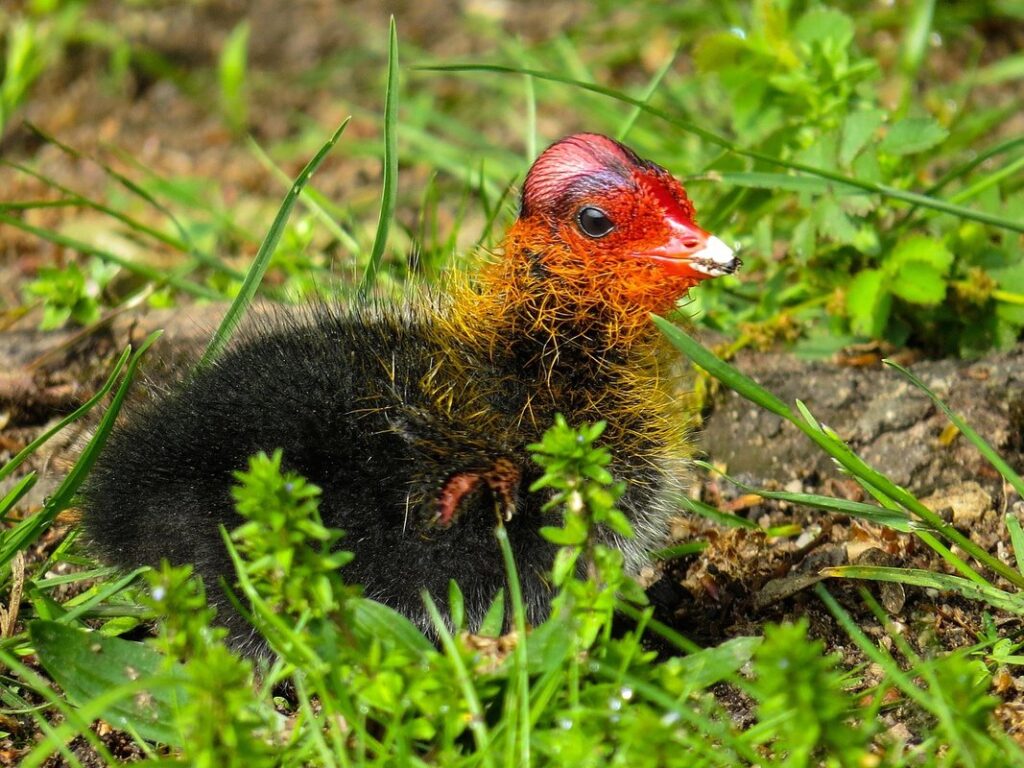
Section 1: Introduction to Royal Purple Guinea Fowl Keets
Welcome to our introduction to royal purple guinea fowl keets, where we’ll cover the basics of these beautiful birds and what makes them so unique. Let’s dive right in!
Characteristics of Royal Purple Guineas
Royal Purple guinea fowl keets are highly sought after by backyard poultry enthusiasts for their unique characteristics. One of the most striking features is their stunning appearance – they have a rich, iridescent plumage that shimmers in shades of deep purple and blue in the right light. This regal coloration sets them apart from other breeds and adds to their charm.
In terms of temperament, Royal Purple guineas are known for being friendly and social birds. They thrive on interaction with humans and will often follow you around the yard in search of treats or attention. However, they can be a bit more skittish than some other breeds, so it’s essential to handle them gently and carefully from an early age.
Their behavior is another notable aspect – Royal Purple guineas are prolific foragers and love to scratch and peck at the ground in search of food. They’re also quite vocal, with a range of fascinating calls that can be both entertaining and informative. With proper care and handling, these birds make excellent additions to any backyard flock.
Benefits of Raising Royal Purple Guinea Fowl Keets
Raising royal purple guinea fowl keets can bring numerous benefits to your farm or backyard flock. One of their most impressive traits is their exceptional foraging abilities. These birds are naturally inclined to scratch and peck at the ground, which makes them an excellent choice for maintaining a healthy lawn or garden. They will happily snack on insects, worms, and other small invertebrates that can be detrimental to your plants.
Another advantage of having royal purple guineas is their relatively low noise level compared to other bird species. While they do make some noise, it’s mostly confined to the morning hours when they’re most active. This makes them an excellent choice for families or individuals living in close proximity to neighbors. Their entertaining personalities also add a unique charm to your flock. Royal purple guineas are known to be friendly and social birds that will often follow you around, making them a great choice for backyard keepers.
In terms of practical advice, make sure to provide your royal purple keets with an adequate diet rich in protein and calcium to support their growth and development. Also, consider introducing them to a flock of established guineas to help them adjust to the new environment.
Section 2: Caring for Your Royal Purple Guinea Fowl Keets
Now that you’ve brought home your adorable royal purple guinea fowl keets, it’s time to learn how to care for these little balls of fluff. This section will walk you through essential tips for their health and well-being.
Nutrition and Diet Requirements
Providing your royal purple guinea fowl keets with a balanced diet is crucial for their growth and development. From day-old chicks to adulthood, they require a nutrient-rich food that meets their specific needs.
As a general rule, guineas are omnivores and require a diet rich in protein, vitamins, and minerals. You can start by offering a high-quality starter feed specifically formulated for game birds or poultry. This type of feed should contain at least 18% protein to support muscle growth and development.
In addition to commercial feeds, you’ll also want to provide your keets with fresh vegetables, fruits, and supplements. Dark leafy greens like kale and spinach are excellent sources of calcium and other essential minerals. You can also offer cooked eggs, mealworms, or crickets as a source of protein.
One special consideration for royal purple guineas is their susceptibility to gout. To prevent this condition, make sure to provide your keets with plenty of clean water and limit their intake of high-protein foods. A balanced diet that includes a mix of grains, vegetables, fruits, and supplements will help keep your keets healthy and thriving throughout their lives.
Housing and Environment Needs
When it comes to housing and environmental needs for your royal purple guinea fowl keets, you’ll want to prioritize their health and well-being by providing a safe and comfortable space. For coop size, aim for at least 2-3 square feet of floor space per bird inside the coop, with adequate ventilation to prevent ammonia buildup from droppings. You can achieve this by installing windows or vents that allow fresh air to circulate.
Predator protection is also crucial, especially if you live in an area with predators such as foxes, coyotes, or hawks. Consider using hardware cloth or chicken wire to cover the coop and run, securing it tightly around any openings. Make sure the coop is well-protected from harsh weather conditions, such as direct sunlight, wind, and rain.
In terms of environmental requirements, royal purple guineas need space to roam and forage. Aim for a minimum of 10 square feet of outdoor space per bird in a secure, predator-proof enclosure. Provide shelter from the elements with a canopy or tarpaulin, and ensure access to clean water at all times. Lastly, consider the climate where you live: royal purple guineas are sensitive to extreme temperatures, so provide shade and ventilation during hot weather, and protection from wind and cold drafts during colder months.
Section 3: Health Considerations for Royal Purple Guinea Fowl Keets
When raising royal purple guinea fowl keets, it’s crucial to be aware of their specific health needs and potential vulnerabilities to diseases. Let’s explore some key considerations for keeping your flock healthy and thriving.
Common Health Issues in Guineas
When it comes to royal purple guineas, there are several common health issues that you should be aware of. One of the most prevalent problems is parasites, particularly mites and lice. These tiny creatures can cause significant discomfort for your birds, leading to feather loss, skin irritation, and even anemia. To identify a parasite infestation, look for signs such as excessive preening, uneven feathers, or visible pests on the bird’s body.
Other health concerns include respiratory diseases like avian cholera and bronchitis, which can be caused by poor ventilation, wet environments, or dirty living conditions. Injuries are also common in guineas, especially during the first few weeks of life when they’re learning to navigate their surroundings. Broken wings, damaged feathers, and internal injuries from fighting or falling can all impact your keets’ well-being.
To identify potential problems early on, monitor your guineas’ behavior and physical condition closely. Keep an eye out for changes in appetite, droppings, or energy levels, as these can be indicative of underlying health issues. Regular veterinary check-ups and maintaining a clean, dry living environment can go a long way in preventing many common health problems.
Vaccinations and Healthcare Requirements
When it comes to vaccinations and healthcare requirements for royal purple guinea fowl keets, there are several key measures to take. First and foremost, consult with a local veterinarian who has experience with poultry to determine the best vaccination schedule for your area.
Typically, young guineas will require a series of vaccinations against diseases such as Marek’s disease, Newcastle disease, and infectious bronchitis. These vaccines should be administered according to the manufacturer’s instructions and typically begin at around 4-6 weeks of age.
In addition to vaccinations, regular healthcare measures are crucial for maintaining the health of your royal purple guineas. Beak trimming is essential to prevent overgrowth, which can lead to a range of problems including difficulty eating and breathing. Wing clipping is also recommended to prevent damage to surrounding objects and reduce stress caused by flapping.
A good rule of thumb is to trim beaks every 6-8 weeks, as needed, and clip wings once per year.
Section 4: Breeding Royal Purple Guinea Fowl Keets
Breeding royal purple guinea fowl keets requires careful planning and attention to detail, from incubation to hatching and rearing. In this section, we’ll walk you through each step of the process.
Selecting Mating Stock
When selecting mating stock for your royal purple guineas, there are several key factors to consider. First and foremost, you’ll want to ensure that both the male and female birds have a strong bloodline and are of high quality. Look for birds with a rich, deep purple coloration and a well-defined pattern.
It’s also essential to consider the temperament of your breeding stock. You’ll want birds that are friendly, docile, and easy to handle, as they will help set the tone for future generations. A good rule of thumb is to choose birds that have been raised in a social environment, such as a flock, rather than isolated individuals.
When choosing males, look for birds with a well-developed comb and wattle, which are indicators of overall health and fertility. Females should be selected based on their egg-laying ability, with a focus on those that consistently produce large, healthy eggs.
In terms of genetic diversity, it’s essential to introduce new bloodlines into your breeding program every few generations to prevent inbreeding and maintain the overall health and vigor of your flock. This can be achieved by purchasing birds from reputable breeders or importing stock from other regions.
Brooding and Rearing Chicks
When you bring home those adorable royal purple guinea keets from hatch, it’s essential to create an ideal environment for them to thrive. Brooding and rearing these tiny birds requires attention to detail, but with the right approach, you can enjoy a high survival rate and healthy growth.
In the first few weeks, provide a consistent temperature of around 90-95°F (32-35°C) in the brooder. Use a heat source that allows for easy adjustments to avoid overheating or chilling. Keep an eye on humidity levels too – guinea keets are sensitive to dry air. Maintain a humidity level between 40-60% by misting with water daily.
Feeding is another critical aspect of rearing royal purple guinea keets. Offer starter feed specifically formulated for game birds, and ensure access to fresh water at all times. Supplement their diet with crushed oyster shells or grit to support strong bone growth.
As the keets grow, gradually transition them to a more balanced diet and introduce fresh veggies and fruits. Monitor their health closely, and be prepared to make adjustments as needed. With proper care and attention, your royal purple guinea fowl will thrive, growing into majestic birds with vibrant plumage and charming personalities.
Section 5: Showing Royal Purple Guinea Fowl Keets
When showing your royal purple guinea fowl keets, it’s essential to know what characteristics make them competitive in the show ring. Here’s a rundown of what you need to consider.
What You Need to Know About Showing Guineas
When it comes to showing royal purple guineas, there are several things you need to know before entering your birds into a competition. First and foremost, it’s essential to understand that showing is not just about showcasing your bird’s unique features but also about presenting them in the best possible condition.
To prepare your royal purple guineas for a show, make sure they’re healthy and well-groomed. This means regular vaccinations, parasite control, and nail trimming. Also, get familiar with the breed standard for Royal Purple Guineas, which includes specific requirements for plumage, size, and temperament.
At a show, you can expect to be judged on your bird’s physical characteristics, as well as their behavior and movement. The judge will assess your guinea’s posture, balance, and overall appearance, so make sure they’re comfortable and confident in the show pen. You’ll also need to fill out an entry form, provide documentation of your bird’s health and vaccination records, and pay any applicable fees.
Some key things to keep in mind when showing royal purple guineas include:
* Ensuring your birds are registered with a reputable association, such as the American Bantam Association (ABA) or the Poultry Club of Great Britain (PCGB).
* Familiarizing yourself with the show schedule and rules.
* Being prepared for a variety of weather conditions and having a plan in place to keep your birds cool or warm, depending on the temperature.
Overall, showing royal purple guineas can be a fun and rewarding experience, but it requires careful preparation and attention to detail. By following these guidelines, you’ll be well on your way to success in the show ring!
Tips for Winning with Your Royal Purple Guineas
When it’s time to showcase your Royal Purple Guinea fowl keets at competitions, remember that presentation is key. Make sure they’re clean and well-groomed before the show. This means giving them a good bath just prior to the competition, as you would with any other poultry breed.
To improve their chances of winning, pay attention to their overall appearance. Trim their nails regularly to prevent overgrowth, which can be unsightly and even painful for the birds. Ensure they’re well-fed and hydrated in the days leading up to the competition, so they look their best.
Another crucial aspect is their behavior. Royal Purple Guinea fowl are naturally docile, but you’ll want to make sure they’re comfortable with being handled and posed. Get them accustomed to being held and examined by gently handling them regularly before the show.
Be mindful of your keets’ temperament when selecting them for competition. If they seem stressed or agitated in certain situations, it’s best not to put them forward. Remember that winning isn’t everything – focus on showcasing these beautiful birds at their best.
Section 6: Uses for Royal Purple Guinea Fowl Keets
Now that you’ve raised these stunning royal purple guinea fowl keets, let’s explore their many uses and benefits on your homestead. From eggs to meat, they’re a versatile addition to any farm or backyard flock.
Meat and Egg Production
Royal Purple guinea fowl keets can be raised for both meat and egg production, making them a versatile addition to small-scale farms or backyard flocks. In terms of growth rates, Royal Purple guineas mature quickly, with males reaching slaughter weight at around 16-18 weeks and females at 20-22 weeks.
When it comes to feed conversion ratios (FCRs), studies have shown that guinea fowl are efficient converters of feed into meat, with an average FCR of 2.5:1 to 3:1. This means that for every kilogram of feed consumed, they produce 0.4-0.6 kilograms of meat. For egg production, Royal Purple hens can lay around 100-120 large, dark-brown eggs per year.
To optimize their performance as meat or egg producers, it’s essential to provide a balanced diet and adequate living conditions. This includes access to clean water, nutritious feed, and sufficient space for exercise and foraging. With proper care, Royal Purple guineas can thrive in both capacities, offering a reliable source of protein for your family or customers.
In terms of meat production, it’s worth noting that guinea fowl have a more intense flavor profile than other game birds, making them well-suited to specialty markets or high-end cuisine.
Landscaping and Weed Control
When it comes to landscaping and weed control, royal purple guineas can be an incredibly valuable asset for your garden or yard. One of the most significant benefits of having these birds is their voracious appetite for weeds and pests. They’ll eagerly peck at unwanted vegetation, leaving your lawn looking tidy and well-manicured.
In fact, a single guinea fowl keet can consume up to 1/4 cup of food per day, which translates to a significant reduction in weed growth. To utilize this benefit, simply release the keets into your garden or yard during peak sun hours when they’re most active. As they forage for food, they’ll naturally gravitate towards areas with high weed concentrations.
To maximize their effectiveness, consider creating a conducive environment by scattering seed mixtures and grains throughout your lawn. This will not only provide sustenance but also encourage the guineas to spread out and cover more ground. With proper care and management, your royal purple guineas can become an integral part of your landscaping strategy, helping you achieve a lush, weed-free garden with minimal effort.
Section 7: Conclusion
As you’ve learned about the delightful Royal Purple Guinea Fowl keets, I hope you’re as charmed by these little feathered friends as I am. Raising guinea fowl is a fun and rewarding experience that can bring a new level of excitement to your backyard or farm. If you’re considering bringing home some Royal Purples, be sure to do plenty of research on their specific needs, including diet, habitat, and health requirements. It’s also essential to ensure that you have the space and equipment necessary to provide them with a happy and healthy environment.
In conclusion, I hope this guide has provided you with the knowledge and inspiration you need to bring some Royal Purple Guinea Fowl keets into your life. With proper care and attention, these beautiful birds will thrive and bring joy to your family for years to come.
Frequently Asked Questions
How Do I Ensure My Royal Purple Guinea Fowl Keets Get Enough Exercise?
Exercise is crucial for guinea fowl, as they are naturally active birds that require space to roam and forage. To ensure your keets get enough exercise, provide them with a secure enclosure or run where they can move freely. A minimum of 2-3 square feet per bird is recommended, and make sure the area is escape-proof and predator-resistant. You can also supplement their exercise by taking them on supervised walks outside of their coop.
What Are Some Common Health Issues to Watch Out for in Royal Purple Guinea Fowl Keets?
Guinea fowl are generally hardy birds, but they can be prone to certain health issues such as respiratory problems, parasites, and tumors. Regular vaccinations and healthcare checks can help prevent these conditions. Additionally, keep an eye out for signs of illness, such as labored breathing, lethargy, or changes in appetite. Consult with a veterinarian experienced in poultry care if you suspect any health issues.
Can I Keep Royal Purple Guinea Fowl Keets Together with Other Poultry?
While guinea fowl are social birds and can get along with other poultry, introducing them to a flock of existing birds requires careful planning. Start by keeping the keets separate from the rest of the flock for a few days before introducing them to ensure they have time to adjust. Also, consider factors like age, size, and temperament when integrating new guinea fowl into your existing flock.
How Often Should I Clean and Disinfect Their Enclosure?
Regular cleaning and disinfection are essential for maintaining a healthy environment for your royal purple guinea fowl keets. Aim to clean their coop at least once a week, removing any droppings or soiled bedding. Disinfect all surfaces with a poultry-safe cleaner, paying particular attention to areas where birds come into contact with the ground.
What Are Some Tips for Breeding Royal Purple Guinea Fowl Keets?
When breeding royal purple guinea fowl keets, it’s essential to select healthy, disease-free stock from reputable breeders. Ensure that your male and female keets are a suitable match in terms of age, size, and temperament before attempting to breed them. Also, provide a spacious breeding area with adequate ventilation and shelter to accommodate the growing chicks.