
Are you considering adding some feathered friends to your backyard flock or looking for a new breed to learn about? Runner ducks are an excellent choice, known for their unique characteristics and charming personalities. But before bringing these birds home, it’s essential to understand what makes them tick – both physically and temperamentally. In this guide, we’ll delve into the world of runner duck characteristics, covering everything from their distinctive physical traits to their health needs, breeding habits, and history. We’ll explore why they make great pets or additions to any farm, and provide you with a comprehensive understanding of what to expect when caring for these lovable birds. Whether you’re a seasoned duck enthusiast or just starting out, this article will give you the lowdown on all things runner ducks.
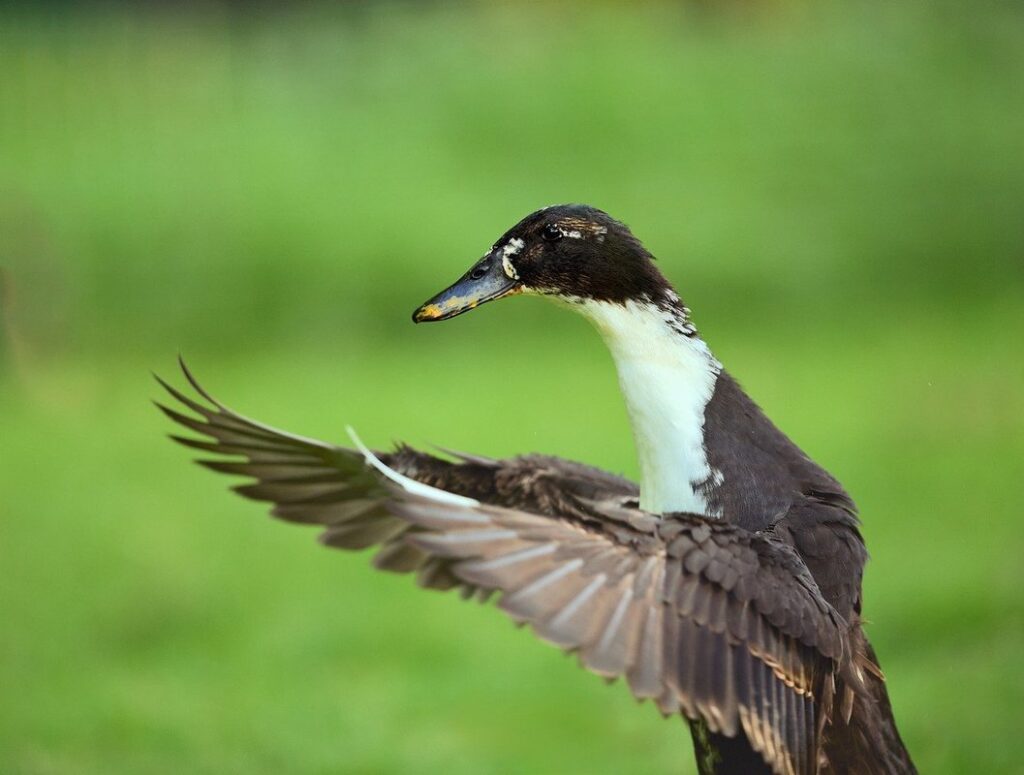
Physical Characteristics of Runner Ducks
Let’s dive into the unique physical characteristics that set runner ducks apart from other breeds, including their plumage and body shape. You’ll be able to identify a runner duck easily once you learn these distinctive traits.
Body Size and Weight
When it comes to physical characteristics, body size and weight are two key factors that distinguish runner ducks from other breeds. On average, a male runner duck can weigh between 3-4 pounds (1.4-1.8 kg) with an average length of about 25 inches (63 cm). Females, on the other hand, typically weigh around 2-3 pounds (0.9-1.4 kg) and reach lengths of approximately 22-24 inches (56-61 cm).
In comparison to other duck species, runner ducks are considered medium-sized. For example, Muscovy ducks can grow up to 5 feet (152 cm) in length, while Khaki Campbells can weigh up to 6 pounds (2.7 kg). However, runner ducks have a more compact and athletic build, which makes them well-suited for running and swimming.
Keep in mind that individual weights and lengths can vary depending on factors such as diet, genetics, and overall health. If you’re planning to raise runner ducks, it’s essential to provide them with a balanced diet and proper care to ensure they reach their optimal size and weight. By understanding the typical body characteristics of runner ducks, you’ll be better equipped to identify potential health issues or breeding opportunities within your flock.
Feather Patterns and Colors
One of the most distinctive and recognizable features of runner ducks is their unique feather patterns and colors. These birds can be found with a variety of plumage combinations, including white, brown, gray, and black. In fact, it’s not uncommon to see runner ducks with intricate patterns featuring multiple colors.
Some common feather patterns among runner ducks include bi-colored, tri-colored, and pied feathers. Bi-colored ducklings often sport white and dark patches, while tri-colored birds display a mix of three different colors. Pied feathers feature large areas of white or light coloration on a solid background.
The exact shade and pattern of a runner duck’s feathers can vary greatly depending on its breeding stock and genetics. For example, some runner ducks may have a predominantly brown or gray coat with scattered black patches, while others may be mostly white with dark accents. When selecting a runner duck for your backyard flock, consider the specific feather characteristics that appeal to you most – whether it’s striking patterns, vibrant colors, or subtle nuances.
Beak Shape and Size
Runner ducks are known for their unique beak shape and size characteristics that set them apart from other breeds. One of the most distinctive features of a runner duck’s beak is its broad, flat shape, which is perfect for foraging in wetlands and eating a variety of foods. This shape allows them to easily scoop up small aquatic plants, grains, and insects.
Their beaks are also relatively short and strong, making it easy for them to eat their favorite foods without having to worry about getting stuck or tangled. In fact, runner ducks can eat almost anything they come across, from aquatic plants to cereal grains, which makes them a great choice for backyard farmers and homesteaders who want to have a low-maintenance but high-yielding duck breed.
To take full advantage of your runner ducks’ beak shape and size characteristics, it’s essential to provide them with a diverse range of foods. This can include fruits, vegetables, grains, and aquatic plants, as well as commercial duck pellets or feed. By doing so, you’ll not only ensure that your ducks are getting the nutrients they need but also promote their overall health and well-being.
Temperament and Personality Traits
When it comes to runner duck temperament, one of their most defining characteristics is their confident and outgoing nature. Let’s take a closer look at what makes them tick in this department.
Docile Nature
One of the most endearing characteristics of runner ducks is their exceptionally docile nature. This trait makes them an ideal choice for families with children, as well as for farmers looking to add a friendly and low-maintenance addition to their farm. Runner ducks are known to be calm, gentle, and even-tempered, which is essential when it comes to interacting with people and other animals.
Their docile nature also means that runner ducks are relatively easy to handle and can become quite tame with proper care and attention. This makes them perfect for children who want a pet that they can interact with and learn from. In fact, many farmers and backyard duck keepers have reported that their runner ducks are some of the most friendly and outgoing birds on their property.
If you’re considering bringing runner ducks into your family or farm, it’s essential to socialize them well from an early age. Spend time with your ducks daily, letting them get used to human interaction and handling. This will help them become confident and trusting of people, making them even more enjoyable as pets or farm companions.
Energy Levels and Exercise Needs
Runner ducks are known for their moderate energy levels, which make them an ideal choice for backyards and small farms. They require regular exercise to stay healthy and happy, but they don’t need as much space as some other breeds.
Providing adequate exercise opportunities is crucial for runner ducks. One of the best ways to do this is by giving them access to a swimming area. Runner ducks are naturally aquatic birds, and they love spending time in the water. A shallow pool or pond with fresh water and plants will keep them entertained for hours. You can also provide a foraging space where your runner ducks can search for insects and small plants.
To ensure your runner ducks get enough exercise, consider the following tips: Provide at least 2-3 square feet of swimming space per duck. Create a foraging area with hiding places and obstacles to keep them engaged. Allow your runner ducks access to the outdoors daily, but ensure their safety by enclosing the area or supervising them closely.
By providing these basic needs, you’ll be able to meet the exercise requirements of your runner ducks and help them live happy and healthy lives.
Health and Grooming Considerations
When keeping a runner duck as a pet, it’s essential to consider their health needs, from regular vaccinations to monitoring their feather growth and molting patterns. Proper grooming is also crucial for their well-being.
Common Health Issues
As you care for your runner ducks, it’s essential to be aware of common health issues that can affect them. Due to their size and energetic nature, runner ducks are prone to respiratory problems, particularly if they’re kept in small spaces or exposed to extreme temperatures.
One common issue is air sac mites, which can cause coughing and difficulty breathing. Regular cleaning and disinfecting of the duck’s environment can help prevent infestations. You should also ensure proper ventilation in their enclosure, especially during hot weather.
Parasitic infections, such as tapeworms and roundworms, are another concern for runner ducks. A balanced diet that includes fresh fruits and vegetables can help support their immune system. Regular deworming treatments, usually administered by a veterinarian, will also keep parasites under control.
Runner ducks’ size and activity level also make them susceptible to injuries, particularly fractures from jumping or collisions with obstacles in their enclosure. Providing adequate space for exercise and ensuring the enclosure is escape-proof can minimize these risks. By staying alert to potential health issues and taking preventative measures, you’ll be able to keep your runner ducks happy and healthy.
Grooming Needs and Best Practices
Regular grooming is essential for maintaining the health and well-being of runner ducks. Neglecting their grooming needs can lead to issues such as overgrown nails, beak deformities, and matted feathers. To prevent these problems, it’s crucial to establish a regular grooming routine.
Start by trimming your runner duck’s nails every 4-6 weeks using a nail clipper specifically designed for birds. Cutting the nails too short can be painful and may lead to bleeding, so take extra care when trimming. Beak maintenance is also vital; trim any sharp edges or points with a beak trimmer to prevent injury to themselves or others.
When it comes to feather cleaning, gently remove any debris or tangles using a soft-bristled brush or your fingers. Avoid pulling on the feathers, as this can cause discomfort and potentially lead to skin irritation. Regular grooming will not only keep your runner duck looking its best but also help prevent health issues associated with poor hygiene. Make it a habit to groom your birds regularly to ensure their overall well-being.
Breeding and Rearing Runner Ducks
When it comes to successfully breeding and rearing runner ducks, understanding their unique needs and characteristics is crucial for a healthy and thriving flock. This section will cover the essentials of runner duck husbandry.
Breeding Habits and Cycle
When it comes to breeding habits and cycle, runner ducks are known for their unique characteristics. The mating ritual of runner ducks is a complex process that involves a series of displays, postures, and vocalizations. Males will typically engage in loud calling to attract females, while displaying their plumage and performing a series of struts and leaps.
Once paired, the female runner duck will lay her eggs in a nest made of grasses, twigs, and other plant material. The average clutch size is around 8-12 eggs, with an incubation period of about 28 days. After laying her eggs, the mother runner duck will diligently guard them until they hatch.
It’s essential for breeders to provide a suitable environment for mating, including adequate space, food, and shelter. They should also ensure that the male and female runner ducks are introduced correctly to avoid any conflicts or stress. With proper care and attention, you can encourage your runner ducks to breed successfully and enjoy a healthy batch of ducklings.
Brooding and Raising Ducklings
When it comes to breeding and rearing runner ducklings, getting them off to a strong start is crucial for their development and long-term health. Brooding, the process of keeping ducklings warm until they’re old enough to regulate their own body temperature, is a critical step in this journey.
To ensure your ducklings stay warm, aim for a temperature range between 90-95°F (32-35°C) during the first week after hatching. You can use a heat lamp or an infrared heat source, but make sure it’s safely secured to avoid any accidents. As they grow, you’ll need to gradually lower the temperature by 5-10°F (3-6°C) every few days until it reaches ambient temperature around six weeks of age.
Feeding your ducklings requires attention to both quantity and quality. Start with a starter feed that’s formulated for ducklings and has a mix of grains, proteins, and vitamins. Make sure they always have access to fresh water, but also provide a shallow dish of clean water for bathing and exploring.
Socialization is equally important as feeding and temperature control. Handle your ducklings gently and regularly to help them become tame and confident in human presence. You can also introduce them to other ducks at an early age to promote healthy social development and reduce aggression later on.
History and Origin of Runner Ducks
Runner ducks have a rich history that dates back centuries, originating from Europe and Asia where they were bred for their exceptional speed and agility. Let’s explore how these unique characteristics evolved over time.
Ancient Origins and Development
The origins of runner ducks date back to ancient times, when they were first developed from wild ducks for their exceptional speed and endurance. These early birds were prized by hunters for their ability to cover long distances with ease, making them a valuable asset in the field.
It’s believed that runner ducks originated in Europe and Asia, where they were bred specifically for their running ability. Over time, breeders selectively bred these ducks for their unique characteristics, resulting in a distinct breed that excelled at speed and agility.
One of the key factors that contributed to the development of runner ducks was their ability to adapt to different environments. They could thrive in a variety of habitats, from grasslands to wetlands, making them an ideal choice for hunters who needed a reliable source of food.
Today, runners are still prized for their speed and endurance, and are often kept on farms and estates where they can be used for both meat and egg production. If you’re considering adding runner ducks to your flock, remember that they require plenty of space to roam and exercise – at least 10 square feet per bird is recommended.
Evolution Over Time
Over time, runner ducks have undergone significant changes through selective breeding for desirable traits. One of the primary goals was to increase egg production, which led breeders to focus on hens with high-yielding capabilities. Today’s runner ducks can lay up to 300 eggs per year, a far cry from their wild ancestors’ average of 100-150 eggs.
Breeders also emphasized size and temperament in developing the modern runner duck. While original runner ducks were prized for their energetic and adventurous nature, breeders aimed to create birds with more docile temperaments, making them suitable as pets or backyard companions. This selective breeding has led to three distinct types of runner ducks: the light, medium, and heavy breeds.
The evolution of these traits wasn’t instantaneous; it took centuries of careful breeding. For example, the development of the modern runner duck’s striking appearance – with its bright feathers and compact body – was achieved through gradual selection over generations.
Frequently Asked Questions
Can runner ducks be kept as pets if they’re not bred specifically for eggs or meat?
Yes, many people keep runner ducks as pets due to their friendly and social nature. While some breeders specialize in egg-laying or meat production, many others focus on maintaining the breed’s unique characteristics. With proper care and attention, a pet runner duck can thrive in a backyard flock or even as a solo companion. Be sure to research local regulations regarding keeping ducks as pets.
How do I care for a duckling’s beak, which may not have developed fully at hatching?
A newly hatched duckling’s beak is soft and sensitive. It will gradually harden within the first few weeks of life. In the meantime, handle it gently to avoid damaging the delicate skin around the beak. You can also help your duckling get accustomed to its growing beak by offering a variety of foods that require pecking, like mealworms or cracked corn.
Can runner ducks adapt to small backyard spaces or are they best suited for large farms?
Runner ducks are adaptable and can thrive in smaller spaces if provided with adequate shelter and exercise. A minimum of 2-3 square feet per duck is recommended for a small flock. However, ensure your yard has enough space for the birds to move around comfortably during exercise time. Regular cleaning and maintenance will also help keep their living area healthy.
What health issues are specific to runner ducks, and how can I prevent them?
Runner ducks are generally hardy, but like all breeds, they’re susceptible to certain health issues. Keep an eye out for signs of respiratory problems or feather plucking due to stress or boredom. Regular grooming sessions will help prevent matted feathers, while providing a balanced diet and fresh water will keep your flock healthy overall.
Can I crossbreed runner ducks with other duck breeds to create a unique hybrid?
While it’s technically possible to crossbreed runner ducks with other breeds, the outcome may not always meet expectations. Runner ducks are known for their distinct characteristics, which can be difficult to combine successfully with those of another breed. If you’re interested in creating a new hybrid, research the specific needs and traits of both parent breeds carefully before attempting to cross them.