
Runner ducks have long been prized by backyard farmers and breeders for their unique characteristics, but one aspect that sets them apart from other poultry is their egg-laying prowess. Not only are runner duck eggs a delicious addition to any meal, but they also boast an impressive array of colors, from the deep blues and greens to the vibrant yellows and earthy browns. But what’s behind this remarkable color diversity? Is it simply a matter of genetics or are other factors at play? In this article, we’ll delve into the fascinating world of runner duck eggs, exploring their history, breeding strategies, and the complex interplay between genetics and environment that gives rise to these stunning colors. We’ll uncover the secrets behind these remarkable eggs and what they can teach us about the art of poultry breeding.
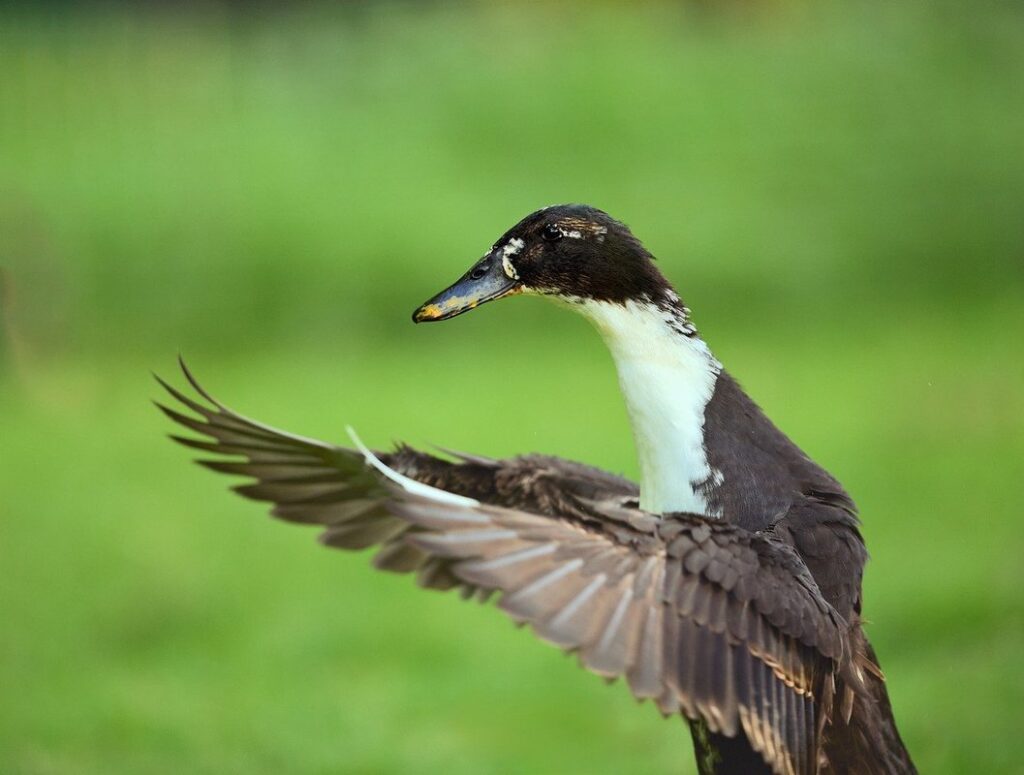
What Are Runner Ducks and Their Purpose
Runner ducks are a beloved breed known for their unique characteristics, which set them apart from other domesticated waterfowl. Let’s take a closer look at what makes runner ducks so special.
Origin and History of Runner Ducks
Runner ducks have a rich and diverse history that spans thousands of years. Their origins date back to ancient China, where they were first bred for their meat, eggs, and feathers. These versatile birds quickly became popular among farmers and traders, who prized them for their unique characteristics.
In the 19th century, runner ducks made their way to Europe, where they were introduced as a breed of domestic duck. They were initially used for their egg-laying abilities, with some farms producing over 300 eggs per year. The popularity of runner ducks continued to grow throughout the early 20th century, and today they remain a popular choice among backyard farmers and homesteaders.
One reason for their enduring appeal lies in their incredible adaptability. Runner ducks are capable of thriving in a wide range of environments, from small backyards to large commercial farms. Their hardiness, combined with their high egg production, made them an attractive option for farmers seeking a reliable source of income.
Breeds and Variations of Runner Ducks
When it comes to runner ducks, you’ll find that there’s no one-size-fits-all solution when it comes to egg-laying. Different breeds and variations have unique characteristics that can affect the color of their eggs.
Let’s start with some of the most common breeds: Khaki Campbell, Golden 300 Hybrid, Welsh Harlequin, Magpie, Indian Runner, and Silver Appleyard. Each of these breeds has its own distinct features when it comes to egg-laying.
The Khaki Campbell, for example, is known for laying a steady supply of white eggs, making them a popular choice for backyard duck keepers. On the other hand, the Magpie runner duck lays blue-green eggs due to their dark plumage and high yolk coloration. The Golden 300 Hybrid is another breed that’s prized for its golden-colored eggs.
Other breeds like the Welsh Harlequin lay green or blue eggs with darker flecks on the shell, while the Indian Runner lays white or pale brown eggs. If you’re looking to add some variety to your egg basket, consider mixing and matching different breeds in your flock. This can help ensure a consistent supply of unique-colored eggs throughout the year.
In terms of choosing the right breed for your needs, it’s essential to research each breed thoroughly. Consider factors like climate tolerance, noise level, and egg production when selecting the perfect breed for you.
Physical Characteristics That Affect Egg Color
Several physical characteristics of a runner duck influence the final color of its eggs, including feather plumage and beak shape. Let’s take a closer look at these factors together.
Plumage and Feather Types
When it comes to determining the color of runner duck eggs, plumage and feather types play a significant role. The color and type of a duck’s feathers can indeed impact the eggshell’s hue, making each egg unique.
For example, Khaki Campbell ducks have brown or tan feathers, which contribute to their light-brown or beige eggshells. On the other hand, Chocolate Runner ducks with their dark brown plumage lay eggs with a deeper, darker brown color. The variation in feather colors is due to genetics and can result in an array of eggshell shades.
Interestingly, some duck breeds have feathers that produce a pigment called porphyrin, which affects the egg’s color. For instance, Khaki Campbell ducks’ eggs are often tinged with a reddish-brown hue due to this pigment. Understanding how feather types and colors interact will help you predict the potential color of your runner duck eggs. By considering these factors, you can better anticipate what to expect when collecting your eggs.
Different feather types, such as fluffy or smooth plumage, also contribute to eggshell appearance.
Sex Link and Its Impact on Eggshell Color
Sex link genetics play a crucial role in determining the eggshell color of runner duck eggs. This genetic phenomenon is essential for breeders to understand as it affects not only the color but also the quality and quantity of eggs produced by their ducks.
When a female runner duck inherits two different versions of the sex-linked gene, one from each parent, it creates a specific combination that influences eggshell color. This means that the genetics of the dam (mother) and sire (father) significantly impact the color of the resulting eggs.
For example, if a breeder wants to produce blue or green eggs, they need to choose parents with specific sex-linked genes that will combine to create these colors. By understanding how sex link works, breeders can make informed decisions about their breeding program and increase their chances of producing desired eggshell colors.
In the case of runner ducks, the sex-linked gene responsible for the blue or green egg color is located on the Z chromosome. This means that females will always inherit two Z chromosomes, one from each parent, which determines the color of their eggs.
Environmental Factors That Influence Egg Color
When it comes to runner duck eggs, their unique color characteristics aren’t just a result of genetics but also influenced by various environmental factors that play a significant role. Let’s explore these external influences in more detail.
Diet and Nutrition
A duck’s diet can have a significant impact on the color and quality of their eggs. When it comes to runner duck eggs, the nutritional content of their diet plays a crucial role in determining the eggshell pigmentation. For instance, a diet rich in beta-carotene, found in leafy greens like kale and spinach, can produce eggs with a darker orange or reddish tint.
On the other hand, a diet lacking in essential nutrients can result in pale or washed-out eggs. This is especially true for runner ducks that are fed commercial feed, which often lacks the nutrient-dense ingredients needed to promote vibrant eggshell colors.
To encourage rich, deep colors in your runner duck’s eggs, consider supplementing their diet with natural sources of beta-carotene and other essential nutrients. Some examples include: crushed red peppers, sweet potatoes, and carrots. These foods can be mixed into their regular feed or given as treats to boost the nutritional content of their diet.
By paying attention to your runner duck’s diet, you can influence the color characteristics of their eggs and potentially even improve their overall health.
Health and Hygiene
When it comes to producing high-quality eggs with vibrant colors, maintaining good health and hygiene practices is crucial. Runner ducks, like all birds, are susceptible to illness and stress, which can significantly impact eggshell color. For instance, a deficiency in certain nutrients or an underlying medical condition can cause changes in the pigment production process, resulting in altered eggshell color.
To minimize the risk of compromised egg quality, it’s essential to provide your runner ducks with a clean and healthy living environment. This includes regular cleaning of their coop and run, as well as access to fresh water and a balanced diet. A stress-free lifestyle is also vital; make sure to reduce stress triggers such as loud noises or overcrowding.
Some common signs of compromised health that can affect eggshell color include dullness, brittleness, or discoloration. If you notice any unusual changes in your runner ducks’ eggs, it’s crucial to consult with a veterinarian to address the underlying issue and implement corrective measures to prevent future problems.
The Science Behind Egg Color
So, you’re curious about why runner duck eggs come in such a stunning array of colors? Let’s dive into the fascinating science behind their unique hue.
Pigment Production and Regulation
When it comes to the unique color characteristics of runner duck eggs, understanding the biology behind pigment production is crucial for breeders looking to improve their flocks’ eggshell colors. The pigments responsible for the color of an eggshell are produced by the hen’s body and deposited into the shell as it forms.
Two main types of pigments contribute to the color of a runner duck egg: porphyrins and melanins. Porphyrins are responsible for the green, blue, and yellow hues found in many bird eggs, while melanins produce brown and black colors. The combination and concentration of these pigments determine the overall color of the eggshell.
Regulatory mechanisms play a vital role in pigment production, with genetics being a primary factor. Breeders can influence pigment production by selecting for desirable traits and breeding programs. For example, to increase the likelihood of green-colored eggs, breeders can select hens with high porphyrin activity. By understanding these biological processes, breeders can make informed decisions about their flocks’ color characteristics and potentially develop new strains with unique eggshell colors.
Environmental Influences on Pigmentation
When it comes to the color of runner duck eggs, environmental influences play a significant role in shaping their unique characteristics. One of the most important factors is exposure to sunlight. When duck eggs are laid, they contain a high concentration of biliverdin, a pigment responsible for their greenish-blue hue. However, as the egg ages and is exposed to light, the biliverdin gradually breaks down, allowing other pigments like protoporphyrin to emerge.
This process can be accelerated by higher temperatures, which can cause the eggs to age faster. For example, if you live in a region with extremely hot summers, your runner duck eggs may develop a more muted color due to increased exposure to light and heat. To minimize this effect, consider storing your eggs in a cooler location or using natural shades to filter out direct sunlight.
Other environmental factors like humidity and diet can also impact eggshell pigmentation. For instance, ducks fed a diet rich in carotenoids may produce eggs with a more vibrant orange tint due to the presence of these pigments in their system.
Breeding for Desired Traits
When breeding runner ducks, you’ll want to understand how to influence the unique color characteristics of their eggs. Let’s dive into the specifics of breeding for desired traits in these fascinating birds.
Selective Breeding Strategies
When breeding for unique eggshell colors like those found in runner duck eggs, breeders must employ selective breeding strategies to achieve their desired traits. This involves carefully selecting ducks with the most desirable characteristics and breeding them together to produce offspring that exhibit the same traits.
To begin, breeders must first identify the genetic factors responsible for the unique eggshell color they’re trying to breed. This may involve studying the genetics of existing breeds or using DNA testing to pinpoint specific genetic markers associated with the desired trait. Once identified, breeders can then select ducks with these genetic markers and breed them together to increase the chances of passing on the desired traits.
A key consideration in selective breeding is the concept of “additive genetics,” which suggests that multiple genes interact to produce a single trait. By selecting for individual components of this additive process, breeders can build upon existing traits to create new ones. For example, if a breeder wants to produce eggs with a specific pattern, they might select ducks with genetic markers associated with the formation of pigment and combine them with those that influence eggshell texture.
As you begin your own selective breeding program, remember to focus on gradual changes over multiple generations. This allows for more precise control over the introduction of new traits and reduces the risk of unintended consequences. By following these strategies and taking a thoughtful, incremental approach, you can successfully breed ducks with unique eggshell colors that meet your specific goals.
Genetic Considerations and Predictions
Understanding genetics is crucial when it comes to breeding runner ducks for desirable traits, particularly when it comes to eggshell color. Genetic knowledge allows breeders to predict and control the expression of these traits, ensuring that their flocks produce eggs with consistent and unique colors.
The genetics behind eggshell color in runner ducks involves multiple genes interacting together. For example, the production of brown pigment depends on a combination of two types of melanin: eumelanin and pheomelanin. By understanding how these genes work, breeders can select parents that will produce offspring with the desired eggshell colors.
To predict the potential outcome of breeding programs, it’s essential to consider the genotype (genetic makeup) of the parents involved. This can be done by testing for specific genetic markers or analyzing the parent’s pedigree and performance data. By doing so, breeders can increase the chances of producing eggs with consistent and unique colors.
Genetic knowledge also allows breeders to identify potential issues such as unwanted color variations or reduced fertility.
Common Misconceptions About Runner Duck Eggs
Many of you may be surprised to learn that some common assumptions about runner duck eggs are simply not true, and we’re here to set the record straight. Let’s debunk a few misconceptions together!
Separating Fact from Fiction
Many people believe that runner duck eggs are only white or brown due to their breeder’s selection process. However, this is not entirely accurate. While it is true that some breeders focus on specific eggshell colors, many others have successfully bred runners with a variety of eggshell colors.
One common misconception is that colored eggs from runaways are the result of contamination or improper nutrition. This could not be further from the truth. The color of an eggshell is determined by the interaction between two proteins found in the hen’s body: ovotransferrin and porphyrins. These pigments are present in all birds, regardless of breed or feed.
To separate fact from fiction, it is essential to look at the science behind eggshell colors. Research has shown that genetics play a significant role in determining an egg’s color, but environmental factors can also influence the final result. For example, a study on Japanese quails found that exposure to copper supplements increased the intensity of their eggs’ colors.
In practice, this means that even if you’re not planning to breed or sell duck eggs, knowing how to care for your runner hens will have an impact on the color and quality of their eggs. If you want to encourage colored eggs from your runners, ensure they receive a balanced diet rich in vitamins and minerals, particularly copper and iron.
Keep in mind that it’s also possible to influence the final eggshell color by providing supplements or changing the breeders’ selection process. However, these changes should be done gradually over time to avoid stressing your hens. With patience and proper care, you can raise runner ducks that produce eggs with a wide range of colors – adding an exciting touch to your backyard poultry endeavors.
Conclusion: Unlocking the Secrets of Runner Duck Eggs
Now that you’ve learned about the fascinating color variations of runner duck eggs, let’s summarize what we’ve discovered and unlock their secrets once and for all.
Recapitulating Key Points
Let’s recap some of the key points covered in this blog post about runner duck eggs’ unique color characteristics.
One of the most significant takeaways is that runner duck eggs come in a variety of colors, including white, brown, blue, green, and even pink. This diversity can be attributed to the bird’s genetic makeup, which has been shaped by centuries of selective breeding for desirable traits. The fact that these ducks can produce such a wide range of eggshell colors is a testament to their remarkable adaptability.
As we discussed earlier, breeders have developed various strategies to emphasize specific color characteristics in runner duck eggs. For instance, some focus on the genetics of certain breeds, while others experiment with different diets and environments to influence egg color. By understanding these factors, enthusiasts can intentionally breed ducks that produce eggs with unique colors, making them ideal for decorative purposes or even scientific research.
Moreover, this blog post has highlighted the importance of preserving traditional duck breeds like the runner duck. These birds offer a fascinating glimpse into our agricultural heritage and remind us of the incredible diversity that exists within the world’s waterfowl population. As we continue to navigate the complexities of modern agriculture, it’s essential to appreciate and learn from the unique characteristics of these remarkable animals.
In conclusion, the study of runner duck eggs’ color characteristics offers a captivating look into the intricate relationships between genetics, environment, and human intervention. By embracing this fascinating subject matter, enthusiasts can gain valuable insights into animal breeding, conservation, and even sustainable food production practices.
Frequently Asked Questions
Can I breed runner ducks for a specific egg color?
Yes, you can breed runner ducks to produce eggs with specific colors by carefully selecting parents with the desired traits and implementing selective breeding strategies. However, it’s essential to understand that genetics play a significant role in determining egg color, so patience and attention to detail are necessary.
How do environmental factors influence the color of runner duck eggs?
Environmental factors such as diet, nutrition, and exposure to sunlight can all impact the color of runner duck eggs. For example, ducks fed a diet rich in beta-carotene may produce yellow or orange eggs due to the presence of this pigment. Understanding these influences can help you optimize your breeding program.
What are some common misconceptions about runner duck eggs?
One common misconception is that all runner duck eggs are blue-green in color. However, as our article highlights, a wide range of colors is possible depending on various genetic and environmental factors. Be aware of these misconceptions to make informed decisions when selecting breeders or developing your breeding program.
How can I ensure the health and hygiene of my runner ducks?
Maintaining proper health and hygiene practices is crucial for producing high-quality eggs. This includes providing a clean and safe living environment, monitoring for signs of illness or disease, and ensuring access to fresh water and nutritious food.
Can I cross-breed runner ducks with other breeds to enhance their egg-laying abilities?
Yes, crossing runner ducks with other breeds can be an effective way to introduce new traits and improve egg production. However, it’s essential to carefully plan and execute cross-breeding programs to avoid unintended consequences or losses in desirable characteristics.