
Are you tired of battling slugs in your garden? These pesky pests can be a major threat to crop yields, forcing many gardeners to rely on chemical controls that harm the very soil they’re trying to protect. But what if there was a natural way to keep slugs at bay without sacrificing your soil’s health? Enter runner ducks – a low-maintenance and eco-friendly solution for slug control that’s gaining popularity among organic farmers and gardeners. By introducing these ducks into your garden, you can significantly reduce the need for chemicals while improving soil structure and fertility. In this article, we’ll delve into the world of runner ducks as a natural slug deterrent, exploring how they work, their benefits, and what you need to know before bringing them onto your farm or in your backyard.
The Problem with Slugs
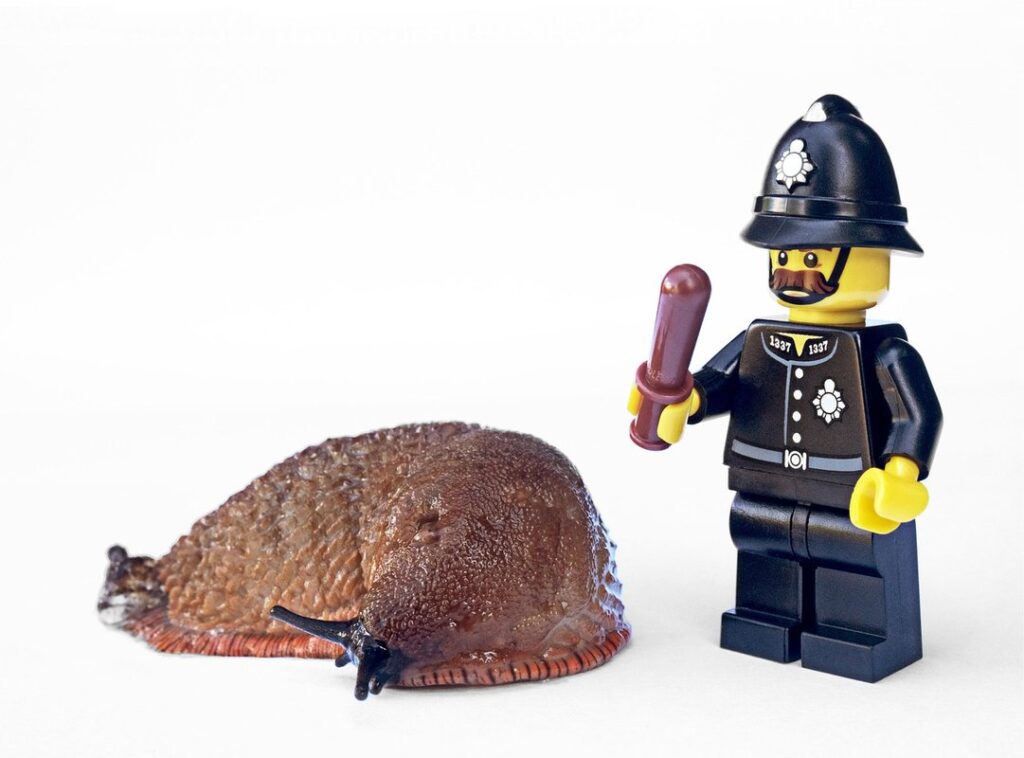
When it comes to gardening, few pests are as notorious and destructive as slugs. They can decimate your prized plants in a single night, leaving you feeling frustrated and defeated.
What are Slugs and Why are They a Problem?
Slugs are one of the most common and destructive garden pests, causing billions of dollars’ worth of damage each year. These slimy creatures belong to the mollusk family, closely related to snails but lacking a shell. Slugs have a unique life cycle: they lay eggs in protected areas like under leaves or debris, which hatch into tiny slugs that feed on vegetation and grow rapidly.
As these pests mature, their appetite increases significantly, allowing them to devour an impressive amount of plant material – often exceeding several times their own body weight in a single night. This voracious feeding behavior makes them particularly destructive to young plants, tender shoots, and sensitive flowers, as well as fruits and vegetables.
In gardens, slugs are considered pests because they have no natural predators to regulate their population, allowing them to thrive unchecked. Furthermore, their ability to adapt to various environments means that they can infest even the most seemingly inhospitable regions.
The Damage Caused by Slugs
Slugs can be a devastating problem for gardeners and farmers alike. These slimy pests may seem harmless, but their impact on plant life is significant. One of the most notable effects of slug damage is the economic loss it causes to crops. Slugs feed on leaves, stems, and flowers, leaving behind a trail of destruction that can lead to reduced yields and lower crop quality. In fact, studies have shown that slugs can reduce yields by up to 50% in severe cases.
But the financial losses aren’t the only concern – decreased crop yields also impact food security and availability. Imagine if your family’s dinner plate relies on a specific crop that’s struggling due to slug infestation. The damage extends beyond the economic realm, affecting not just our pockets but also our plates. Furthermore, slugs can spread diseases from one plant to another, creating a chain reaction of damage.
Runner ducks are an excellent solution for controlling these pests and minimizing the harm they cause. By introducing these birds into your garden or farm, you’ll be able to enjoy healthier plants, higher yields, and reduced economic losses. In our next section, we’ll explore how runner ducks can be effectively used as a natural slug control method.
Introducing Runner Ducks: A Natural Slug Control Method
If you’re looking for a natural and efficient way to control slugs on your garden, look no further than runner ducks! These charming birds are a game-changer when it comes to slug control.
History of Using Ducks for Pest Control
Ducks have been used as a natural pest control method for centuries, with evidence of their effectiveness dating back to ancient civilizations. In medieval Europe, ducks were kept on farms and in gardens to control slugs and snails, which would otherwise devour crops. These early farmers recognized the valuable service that ducks provided, and they became an essential part of many agricultural operations.
In Asia, duck-keeping has been a long-standing tradition for controlling pests. The Chinese, for example, have used ducks on their rice paddies to keep slugs and snails under control. This practice, known as “duck farming,” not only helped to protect crops but also provided a source of protein-rich eggs and meat.
Studies have shown that ducks are highly effective at reducing slug populations. A 2018 study published in the Journal of Pest Science found that ducks reduced slug damage by up to 90% on infested fields. The key to their success lies in their unique feeding behavior: they seek out slugs and snails with ease, devouring them quickly and efficiently.
By incorporating ducks into your garden or farm, you can reap the benefits of this natural pest control method. With proper care and management, runner ducks can become an integral part of your slug control strategy.
How Runner Ducks Hunt Slugs
When it comes to controlling slug populations, runner ducks are incredibly effective due to their unique characteristics. One key aspect of their hunting behavior is foraging, which involves scouring the ground and vegetation for slugs. Runner ducks have an excellent sense of smell and can detect even the faint scent of a slug, allowing them to track down these pests with ease.
Their vision also plays a crucial role in their hunting success. With their wide-set eyes and ability to see almost 360 degrees around them, runner ducks can spot slugs hiding in dark, moist areas that would be impossible for humans to detect. This combination of keen senses enables them to effectively hunt down and consume a significant number of slugs.
To incorporate runner ducks into your slug control strategy, consider the following tips: Provide a suitable environment by offering a pond or pool of water, as well as a mix of vegetation types that will attract both slugs and runner ducks. Introduce one or more runner ducks to your property and let them do their job – with regular monitoring to ensure they’re not overeating other beneficial insects or small animals.
Benefits of Raising Runner Ducks for Slug Control
One of the most exciting perks of raising runner ducks is their ability to help control slugs naturally, and we’re excited to dive into the benefits this can bring to your garden. Let’s explore!
Increased Crop Yields
When you invest time and resources into cultivating your crops, it’s disheartening to see them decimated by slugs. However, integrating runner ducks into your slug control strategy can lead to increased crop yields due to the significant reduction in slug damage.
Runner ducks are natural foragers that feed on slugs and their eggs, providing a targeted solution to this pest problem. By introducing these birds onto your farm or garden, you’ll notice a substantial decrease in slug activity, which translates to reduced damage to your crops. This allows your plants to grow stronger, healthier, and more resilient.
Studies have shown that areas using integrated pest management (IPM) strategies, including the use of wildlife for control, experience significant yield increases compared to conventional farming methods. In one case study, a farm that introduced runner ducks into their slug control routine reported an average increase in crop yields by 15% due to reduced damage from slugs.
By implementing this holistic approach to pest management, you’ll not only see your crops thrive but also reap the rewards of sustainable and eco-friendly farming practices. So why not give it a try?
Reduced Chemical Use
By using runner ducks as a natural pest control method, you’re not only protecting your garden from slugs but also reducing your reliance on chemical pesticides. This is a game-changer for the environment, and your garden’s ecosystem.
Chemical pesticides have been linked to soil contamination, water pollution, and harm to beneficial insects like bees and butterflies. They can also contaminate the air you breathe and the food you eat. In contrast, runner ducks are a chemical-free solution that not only target slugs but also help maintain a balanced garden ecosystem.
When using natural pest control methods, it’s essential to understand the environmental impact of your actions. By choosing runner ducks over pesticides, you’re:
* Reducing soil pollution by eliminating chemical residue
* Preserving beneficial insects and maintaining biodiversity
* Supporting ecosystem services like pollination and nutrient cycling
As a gardener, you have the power to make a positive impact on the environment. Consider incorporating runner ducks into your slug control strategy for a healthier, more sustainable garden.
Improved Soil Health
When runner ducks are introduced to your garden as part of slug control efforts, they don’t just eat slugs – they also contribute significantly to improved soil health. Their foraging behavior plays a crucial role here. As they scratch and peck at the ground, they aerate it, allowing water and air to penetrate more easily. This process reduces soil compaction, making it easier for plants’ roots to grow deep into the earth.
By introducing beneficial organisms through their droppings, runner ducks also improve soil fertility. These small creatures bring with them a mix of nutrients that support a diverse ecosystem in your garden. Beneficial insects like ground beetles and springtails thrive alongside these nutrient-rich waste deposits, creating an environment where plant growth is encouraged.
To maximize the benefits to soil health from your runner duck‘s foraging activities, consider mixing some organic matter like compost into their enclosure. This will provide them with a consistent supply of nutrients that they can then redistribute throughout the garden through their droppings and other natural means.
Preparing Your Garden for Runner Ducks
Before introducing your feathered slug hunters, make sure you’ve got a garden setup that’s perfect for their arrival. This means creating a safe and welcoming space for your new runners.
Creating a Safe Environment for Ducks
When introducing runner ducks to your garden, it’s essential to create a safe and welcoming environment that meets their unique needs. This is especially crucial if you’re planning to use them for slug control, as they’ll be spending more time outdoors.
Firstly, provide a sheltered area where your runner ducks can retreat from the elements. You can set up a coop or a duck house with adequate ventilation and protection from predators. Consider placing it near a water source, like a pond or a pool, to ensure easy access for bathing and swimming. Make sure the shelter is well-ventilated to prevent ammonia buildup from their droppings.
In addition to shelter, runner ducks require nutritious food and clean water. Provide a balanced diet that includes commercial duck pellets, vegetables, fruits, and grains. Ensure access to fresh water at all times, and consider installing a rainwater harvesting system to collect and store rainwater for them.
Training Your Ducks to Forage for Slugs
Training your ducks to effectively hunt slugs requires patience, consistency, and positive reinforcement. Start by introducing them to a small enclosure with a slug-infested area, allowing them to explore and learn at their own pace. As they begin to exhibit interest in the slugs, reward them with treats or praise to associate the behavior with a positive outcome.
To encourage this behavior, create a foraging environment that mimics their natural habitat. Incorporate a mix of shallow water pools, hiding places, and food sources, such as insects or commercial duck feed. This will stimulate their natural foraging instincts and keep them engaged in hunting slugs.
For effective training, it’s essential to recognize the signs of slug-detecting behavior, such as quacking, beak-tapping, or rapid movement towards a specific area. Reward these behaviors promptly to reinforce their learning process. With consistent training and proper environment design, your runner ducks will become proficient slug hunters, reducing the need for pesticides and providing a natural solution for your garden’s slug control needs.
Challenges and Considerations When Using Runner Ducks
While runner ducks can be a valuable addition to your garden, there are some key challenges and considerations you should be aware of before bringing them on board. This includes their specific needs and potential drawbacks.
Space Requirements
When it comes to raising runner ducks for slug control, one of the primary considerations is space requirements. While these birds can thrive in smaller gardens or backyards, they do need adequate space to roam and exercise. A general rule of thumb is to provide at least 2-4 square feet of space per duck inside the coop, with a minimum of 8-10 square feet of outdoor run area.
In reality, however, this can be challenging for smaller spaces. But don’t worry – runner ducks are adaptable! If you have a tiny backyard or a small garden, you can still raise these slug-eating wonders. For instance, consider building a movable coop that can be placed in different areas of your yard to ensure the ducks get enough exercise and fresh air.
When choosing a space for your runner ducks, prioritize the location of their outdoor run area. This should be protected from strong winds, predators, and other potential hazards. Consider using fencing or netting to create a secure perimeter around their enclosure, ensuring they can safely graze on your garden’s pests without escaping or getting into trouble.
Noise and Mess Concerns
One of the most common concerns people have when considering runner ducks for slug control is the potential noise and mess they may create. Living with quacking ducks can be a bit of an adjustment, especially if you’re not used to it. However, this concern is often exaggerated – while runner ducks do make noise, their vocalizations are generally more akin to soft quacks than loud honking.
As for the mess, yes, ducks will produce some droppings and feathers, but these can be easily managed with regular cleaning and maintenance. In fact, many gardeners find that the benefits of having ducks far outweigh any minor drawbacks.
To mitigate noise concerns, consider placing your duck’s enclosure in a location away from living areas or noise-sensitive spaces. You can also take steps to reduce the noise level by providing plenty of toys and activities to keep your ducks occupied and quiet.
Regular cleaning is key when it comes to managing mess – set aside some time each week to clean out their enclosure, refresh bedding materials, and collect eggs (if you’re lucky enough to have a laying duck).
Conclusion: A Sustainable Slug Control Solution
Now that you’ve learned how to harness the power of runner ducks for slug control, let’s summarize the key takeaways and explore their long-term impact on your garden.
Recap of Benefits
Using runner ducks as a natural solution for slug control offers numerous benefits that can transform your gardening experience. By incorporating these birds into your landscape, you’ll not only enjoy increased crop yields but also reduce your reliance on chemicals and improve the overall health of your soil.
One of the most significant advantages is the reduction in chemical use. Slug baits and pesticides can have devastating effects on beneficial insects, microorganisms, and even pets. Runner ducks, on the other hand, are a safe and environmentally friendly solution that eliminates the need for these toxic chemicals. With their keen sense of smell, they can detect slugs and snails efficiently, allowing you to enjoy healthier plants without compromising your family’s or pet’s safety.
In addition to reduced chemical use, runner ducks also contribute to improved soil health. Their droppings act as a natural fertilizer, enriching the soil with essential nutrients that promote healthy plant growth. Moreover, their feeding activities help break down organic matter and improve soil structure, making it easier for plants to absorb water and nutrients.
As your garden flourishes under the watchful eye of runner ducks, you can expect to see noticeable improvements in crop yields. With slugs and snails no longer damaging your plants, you’ll be able to enjoy a more abundant harvest, which can also lead to reduced food waste and cost savings. To maximize these benefits, consider the following tips: provide adequate shelter for your ducks, ensure access to clean water, and rotate their grazing areas regularly to maintain soil fertility.
Final Thoughts on Implementing a Natural Slug Control Method
In conclusion, incorporating runner ducks into your slug control strategy can be an attractive option for gardeners seeking sustainable solutions. Not only do these birds provide a natural form of pest control, but they also offer additional benefits such as manure and eggs.
When deciding to bring runner ducks onto your property, consider the space you have available and the amount of food and water required to support them. A small flock can be an effective deterrent for slugs, but make sure to research local regulations regarding backyard poultry.
Ultimately, adopting a natural slug control method like runner ducks is not only better for the environment but also offers a long-term solution compared to chemical-based pesticides. By integrating these birds into your garden ecosystem, you’ll not only reduce your reliance on chemicals but also create a more balanced and self-sustaining environment.
Frequently Asked Questions
Can I use runner ducks as a slug control method in areas with extreme weather conditions?
Runner ducks are adaptable to various climates, but it’s essential to consider factors like temperature, humidity, and wind when introducing them to your garden. Research specific breed recommendations for your region’s climate, and ensure you provide adequate shelter and protection from extreme weather conditions.
How many runner ducks do I need to effectively control slugs on my farm or in my backyard?
The ideal number of ducks will depend on the size of your garden, slug population, and desired level of slug control. A general rule of thumb is to start with at least 2-3 ducks per acre, but it’s crucial to monitor their performance and adjust the number accordingly.
Can I use runner ducks alongside other natural pest control methods, or will they compete for resources?
Runner ducks can be integrated into existing natural pest control systems. In fact, using them in conjunction with techniques like crop rotation, physical barriers, and beneficial nematodes can create a holistic approach to slug management. Just ensure you’re not over-relying on any single method.
How do I ensure my runner ducks are getting enough food and water while foraging for slugs?
To maintain the health of your ducks, provide supplemental feed during periods of high slug activity or when natural food sources are scarce. Also, make sure they have access to a reliable source of clean water at all times. A 10:1 ratio of water to land is recommended.
Can I use runner ducks in small gardens or container gardens with limited space?
While runner ducks require some space to roam and forage, they can thrive in smaller gardens if properly managed. Consider using a fenced area or enclosure to contain the ducks, ensuring they have enough space to move around while protecting your garden from potential damage.