
Creating nutrient-rich compost from chicken manure can be a game-changer for gardeners, but it requires careful attention to the carbon-to-nitrogen ratio, moisture levels, and pest control measures. If you’ve ever struggled with the pungent smell or uneven decomposition of your compost pile, you’re not alone. The key to successful chicken manure composting lies in striking the right balance between these essential elements. In this article, we’ll delve into the safe ratios for incorporating chicken manure into your compost, providing expert tips on how to avoid common pitfalls and ensure a balanced mix that’s teeming with nutrients. By following our guidelines, you can create high-quality compost that will boost the health of your garden while minimizing potential drawbacks. Let’s explore the ins and outs of safe chicken manure compost ratios together!
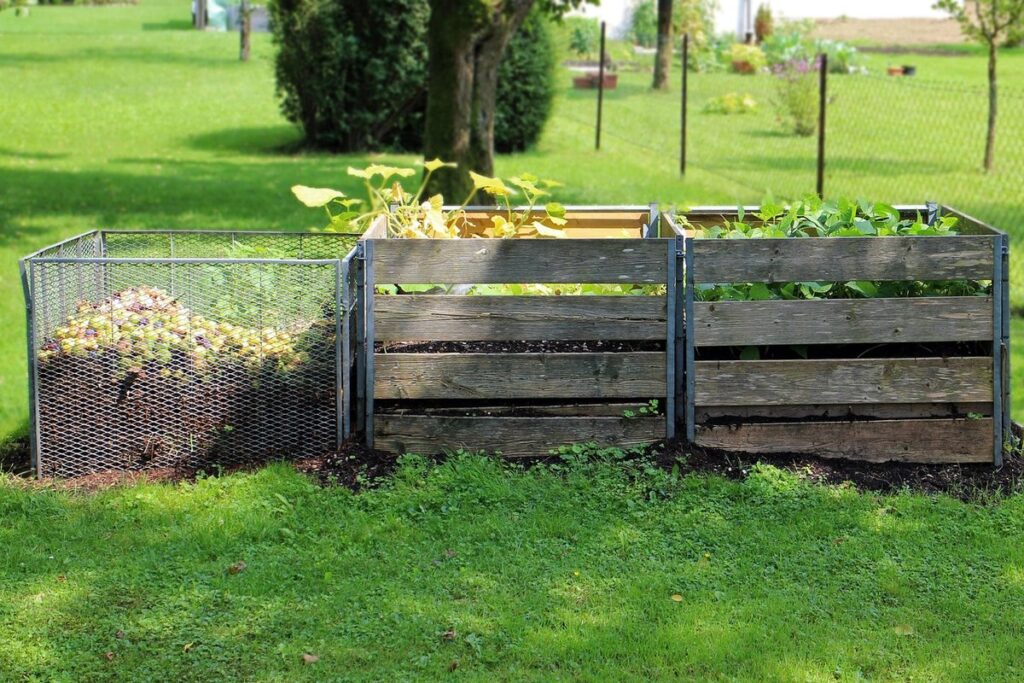
Understanding the Importance of Composting
Composting is a crucial practice for sustainable gardening, and understanding its importance will help you make informed decisions when creating your chicken manure compost mix. By grasping the significance of composting, you’ll be better equipped to manage your garden’s waste effectively.
Benefits of Composting with Chicken Manure
When incorporating chicken manure into your composting routine, you’ll reap numerous benefits that make it an attractive addition to your garden. One of the primary advantages is its high nutrient content, which serves as a potent soil amendment. Rich in nitrogen, phosphorus, and potassium, chicken manure significantly boosts soil fertility, supporting healthy plant growth.
As you compost with chicken manure, you’ll also see a significant reduction in waste. Rather than discarding it, this approach allows for the transformation of what would otherwise be a liability into a valuable resource. This shift not only saves space but also minimizes your ecological footprint. By repurposing chicken manure, gardeners and farmers alike can reduce their reliance on synthetic fertilizers.
Moreover, composting with chicken manure promotes efficient nutrient cycling within the ecosystem. By breaking down waste, it returns essential nutrients back into the soil where they’re needed most. This not only supports plant health but also contributes to a more balanced and resilient agricultural system.
Common Challenges with Chicken Manure Composting
Composting chicken manure can be a rewarding experience, but it’s not without its challenges. One of the most common issues is odor control. Chicken manure is high in ammonia, which can release strong, unpleasant odors. If not managed properly, these smells can attract pests and create an unpleasant environment for nearby residents.
Another challenge is pest management. Chicken manure can attract rodents, raccoons, and other wildlife that may be attracted to the nutrient-rich waste. These pests can carry diseases and contaminate the compost pile, making it unusable.
To manage odors and pests effectively, it’s essential to maintain a balance between carbon-rich “brown” materials (e.g., dried leaves or straw) and nitrogen-rich “green” materials like chicken manure. A general rule of thumb is to keep the brown materials at 2/3 to 3/4 of the total pile, with the green materials making up the remaining 1/3 to 1/4.
Regular turning and monitoring of the compost pile can also help control odors and pests. By aerating the pile, you’ll allow oxygen to penetrate and help break down the materials more efficiently.
Choosing the Right Compost Ratios for Chicken Manure
When it comes to creating a safe and balanced compost using chicken manure, getting the right ratios is crucial. Let’s explore the optimal mix of “green” and “brown” materials for successful composting.
Factors Influencing Compost Ratios
When it comes to choosing the right compost ratios for chicken manure, several key factors come into play. First and foremost is achieving a balance between carbon and nitrogen (C:N) levels. This is crucial because chicken manure is high in nitrogen, which can lead to an imbalance if not paired with sufficient carbon sources.
The ideal C:N ratio for composting chicken manure is between 20:1 and 30:1. To achieve this, you’ll need to combine your chicken manure with materials like straw, hay, or shredded newspaper, which are high in carbon. For example, a 10-gallon bucket of chicken manure could be mixed with 3-4 gallons of straw or other carbon-rich material.
Moisture levels also play a significant role in maintaining a healthy compost pile. The ideal moisture level is between 50% and 60%, which allows for optimal microbial activity. Be sure to monitor your compost pile’s moisture regularly, as both excessive and insufficient water can hinder the composting process.
Typical Compost Ratios for Chicken Manure
When it comes to composting chicken manure, using the right ratios is crucial for creating a safe and effective compost. Here are some common compost ratios used in chicken manure composting:
One popular ratio is the “Green-to-Brown” method, which involves mixing 2-3 parts of brown materials (such as straw or shredded newspaper) with 1 part of green materials (like chicken manure). This ratio helps to balance out the high nitrogen levels in the manure and prevents over-heating. However, it can be challenging to maintain this ratio, especially for small-scale composters.
Another common ratio is the “50/30/20” method, which involves mixing 50% of brown materials, 30% of green materials, and 20% of bulking agents (such as wood chips or coconut coir). This ratio provides a more balanced approach to composting chicken manure, but may require more frequent turning to prevent matting.
When selecting a compost ratio for your chicken manure, it’s essential to consider the specific needs of your project. For example, if you’re composting in a small space or with limited resources, a simpler “2:1” green-to-brown ratio may be more suitable.
Balancing Carbon and Nitrogen in Chicken Manure Compost
Achieving a balanced ratio of carbon and nitrogen is crucial when composting chicken manure, as an imbalance can lead to odors and poor decomposition. Let’s explore how to get it just right for your pile.
The Role of Brown Materials in Composting
When it comes to balancing carbon and nitrogen in chicken manure compost, brown materials play a crucial role. These materials, such as straw or wood chips, contribute significantly to the carbon-rich fraction of the compost mix. By incorporating brown materials into your compost pile, you’re increasing the carbon-to-nitrogen (C:N) ratio.
A general rule of thumb is to aim for a C:N ratio between 20:1 and 30:1 in your compost mix. Brown materials help achieve this balance by providing a slow release of carbon-rich compounds as they break down. For example, adding 2-3 inches of straw on top of your chicken manure pile can significantly boost the carbon content.
When selecting brown materials for your compost, consider their carbon-to-nitrogen ratio as well. Some common options include:
* Straw: 500:1 to 700:1 C:N ratio
* Wood chips: 400:1 to 600:1 C:N ratio
* Shredded newspaper: 200:1 to 400:1 C:N ratio
To get the most out of your brown materials, aim for a mix that includes a combination of these carbon-rich sources. This will help maintain a balanced C:N ratio and ensure optimal decomposition rates in your compost pile.
Green Materials: Adding Nitrogen-Rich Ingredients
When adding nitrogen-rich ingredients to balance out the high carbon content of chicken manure compost, it’s essential to choose materials that are rich in nitrogen. Green materials such as grass clippings and vegetable scraps fit this bill perfectly. These types of materials are often readily available at no cost or low cost, making them an attractive option for gardeners looking to balance their compost ratios.
To get the most out of these green materials, be sure to add them to your compost pile in moderation. A general rule of thumb is to aim for a mix of 2/3 “brown” materials (high in carbon) and 1/3 “green” materials (high in nitrogen). This will ensure that your compost heats up sufficiently and breaks down efficiently.
Some examples of green materials you can use include fresh grass clippings, chopped vegetable scraps, tea bags, and even manure from other animals like rabbits or horses. Just be sure to chop these ingredients into smaller pieces before adding them to your pile, as this will help speed up the decomposition process and prevent any potential odors.
When mixing green materials with chicken manure compost, it’s also essential to keep an eye on moisture levels. Green materials tend to have a higher water content than brown materials, which can lead to an over-saturated pile if not monitored carefully.
Moisture Management in Chicken Manure Compost
To create a well-balanced compost, you need to manage moisture levels effectively in your chicken manure pile. Proper moisture management is essential to prevent anaerobic conditions and pest infestations.
Understanding Optimal Moisture Levels
Maintaining optimal moisture levels is crucial for efficient composting of chicken manure. When it comes to ideal moisture ranges, research suggests that a mix of 40-60% water content is suitable for microbial growth and odor control. This range allows for the breakdown of organic matter while minimizing unpleasant odors.
If the moisture level drops below this range (typically around 30%), microorganisms struggle to break down the manure efficiently, resulting in reduced decomposition rates and potentially hazardous pathogens remaining present. Conversely, excessive moisture (above 60%) can lead to anaerobic conditions, causing volatile organic compounds (VOCs) to be released.
To achieve this optimal balance, ensure that your compost pile is regularly monitored for moisture levels. You can use a stick or probe to test the dampness by inserting it into the pile; if it feels dry, add water accordingly. It’s also essential to balance carbon-to-nitrogen ratios in the manure to maintain an aerobic environment conducive to microbial activity and efficient decomposition.
Techniques for Maintaining Proper Moisture Levels
Monitoring and adjusting moisture levels is crucial to prevent anaerobic conditions and odors in chicken manure compost. To ensure proper moisture management, it’s essential to regularly check the compost pile’s moisture levels.
Start by inserting a probe or stick into the compost pile and feeling for dampness. The ideal moisture level should be like a damp sponge, not dripping wet nor dry as dust. If the pile feels too dry, add water in small increments (about 1/4 cup at a time), mixing well after each addition.
Conversely, if the pile is too wet, turn it to aerate and allow excess moisture to evaporate. A simple rule of thumb is to maintain a moisture level between 40-60% for optimal decomposition.
Regularly checking and adjusting moisture levels will help prevent anaerobic conditions that can lead to unpleasant odors, pathogens, and reduced compost quality. Aim to check the pile’s moisture at least once a day, especially during hot weather or when using high-moisture materials like chicken manure. By maintaining proper moisture levels, you’ll create an environment conducive to safe and effective composting.
Pests, Pathogens, and Other Concerns in Chicken Manure Compost
When composting chicken manure, there are several hidden concerns that can undermine your efforts, including pests, pathogens, and other unwanted visitors. Let’s discuss how to manage these risks effectively in your compost pile.
Identifying Potential Risks and Hazards
When it comes to chicken manure composting, identifying potential risks and hazards is crucial for ensuring both human health and environmental safety. One of the primary concerns associated with chicken manure composting is the presence of pests such as rodents and flies.
Rodents can carry diseases like salmonella and E. coli, which can be transmitted to humans through direct contact or contaminated food. Flies, on the other hand, can spread disease-causing pathogens throughout the compost pile, increasing the risk of human infection.
In addition to pests, pathogenic bacteria like campylobacter, listeria, and clostridium perfringens are also commonly found in chicken manure compost. These microorganisms can cause a range of illnesses, from mild gastroenteritis to life-threatening conditions. Proper management practices, such as maintaining adequate carbon-to-nitrogen ratios, ensuring adequate oxygen supply, and regular turning of the pile, can help minimize these risks.
To mitigate pest and pathogen issues, it’s essential to implement measures like using rodent-proof containers, covering piles to prevent fly infestations, and monitoring temperature levels to ensure that they reach sufficient temperatures to kill pathogens.
Strategies for Mitigating these Concerns
To effectively manage pests and pathogens in chicken manure compost, it’s essential to adopt proper handling, storage, and treatment methods. One crucial step is to segregate materials as soon as they’re collected. This involves separating clean or “green” materials (e.g., food scraps, grass clippings) from soiled or contaminated “brown” materials (e.g., pet waste, weeds with seeds). Storing these segregated materials in well-ventilated areas can help prevent pests like rodents and insects from infesting the compost pile.
When it comes to pathogens, temperature plays a critical role. Maintaining high temperatures within the compost pile – ideally above 131°F (55°C) for at least 15 minutes – is key to killing off disease-causing bacteria like E. coli and Salmonella. Regular turning of the compost pile can also help ensure these lethal temperatures are achieved uniformly throughout.
In addition to temperature control, incorporating bulking agents like straw or shredded newspaper can aid in absorbing excess moisture, reducing the risk of anaerobic conditions where pathogens thrive.
Case Studies and Best Practices in Chicken Manure Composting
Let’s take a closer look at real-world examples of safe chicken manure compost ratios, showcasing effective approaches to minimize risks. These case studies highlight valuable lessons learned from experienced gardeners and farmers.
Successful Composting Projects and Results
Many farmers and composters have successfully implemented chicken manure composting projects, achieving impressive results. For instance, a large-scale farm in California reported a significant reduction in phosphorus runoff into nearby waterways after implementing a composting program for their chicken manure. By maintaining a optimal carbon-to-nitrogen ratio of 20:1 to 30:1, they were able to minimize ammonia emissions and create a stable, pathogen-free compost that enhanced soil fertility.
Another notable example is a small-scale farm in Oregon that achieved a remarkable yield increase by incorporating chicken manure compost into their soil. By following safe composting practices, including proper mixing of “green” (nitrogen-rich) and “brown” (carbon-rich) materials, they were able to increase crop yields by 25% within just one growing season.
To replicate these successes, it’s essential to follow best practices for chicken manure composting. This includes maintaining the optimal carbon-to-nitrogen ratio, monitoring temperature and moisture levels, and ensuring adequate aeration to prevent ammonia buildup. By doing so, you can create a valuable resource that not only reduces waste but also boosts soil health and crop yields. Regularly testing your compost is crucial to ensure it meets safety standards for pathogens and heavy metals.
Takeaways and Recommendations for Readers
When implementing safe and effective chicken manure composting practices, it’s essential to remember that understanding the right ratios is just the starting point. The key takeaways from this article can help you establish a successful composting program.
First and foremost, make sure to maintain a carbon-to-nitrogen (C:N) ratio of 20:1 to 30:1, as we discussed in our section on ideal C:N ratios. To achieve this balance, aim for materials high in carbon like dried leaves, straw, or shredded newspaper, and supplement with nitrogen-rich materials like chicken manure, urine, or blood meal.
When setting up your compost pile, start by layering the materials according to their C:N content. This will ensure that heat builds evenly throughout the pile, reducing odors and the risk of pathogens. Monitor your pile’s temperature regularly and turn it every week or two to maintain optimal oxygen levels.
Remember, safety should always be your top priority when working with chicken manure. Regularly inspect your pile for signs of maturation, such as a uniform color, pleasant earthy smell, and no more odors.
Frequently Asked Questions
Can I use chicken manure from a local farm or pet store as is, without mixing it with other compost materials?
While you can start with raw chicken manure, it’s recommended to mix it with other brown and green materials to achieve the optimal carbon-to-nitrogen ratio. This will help balance out the high nitrogen content in the manure and ensure a healthy decomposition process.
How do I prevent pests like rodents and flies from taking over my compost pile?
To minimize pest problems, make sure your compost pile is well-ventilated, has adequate moisture levels (not too wet or dry), and is regularly turned to maintain airflow. You can also add brown materials like shredded newspaper or cardboard to help absorb excess moisture and reduce attractants for pests.
Can I mix chicken manure with vegetable scraps from my kitchen to create a nutrient-rich compost?
Yes, combining chicken manure with green materials like vegetable scraps will create a high-nitrogen mixture. However, be cautious not to overdo it, as too much nitrogen can lead to unpleasant odors and slow decomposition. Aim for a balance by mixing in brown materials like straw or shredded newspaper.
How do I know if my compost pile is attracting pests or pathogens?
Regularly inspect your compost pile for signs of pests (e.g., rodent droppings, fly infestations) or pathogens (e.g., unpleasant odors, mold growth). If you notice any issues, adjust your composting strategy by adding more brown materials, turning the pile more frequently, or incorporating natural pest control methods like diatomaceous earth.
Can I use chicken manure from my own backyard chickens in a worm composting bin?
While it’s technically possible to use homemade chicken manure in a worm composting bin, be aware that it may contain contaminants like bedding material, seeds, and pathogens. To ensure a healthy worm population, use only finished compost or pasteurize the raw manure before adding it to your worm composter.