
When you’re raising backyard chickens or farming on a larger scale, dealing with dead birds is an inevitable part of the process. It’s not just about disposing of carcasses; it’s also about minimizing waste and creating something valuable from what might otherwise go to waste. Composting dead chickens safely can help reduce your environmental footprint while providing nutrient-rich fertilizer for your garden or farm. In this article, we’ll explore the ins and outs of safe composting practices specifically tailored for chicken manure and carcasses. We’ll cover topics such as creating a suitable compost pile, maintaining optimal temperature and carbon-to-nitrogen ratios, and minimizing risks associated with disease transmission and pests. By following these guidelines, you can turn what might seem like a problem into a valuable resource for your farm or garden.
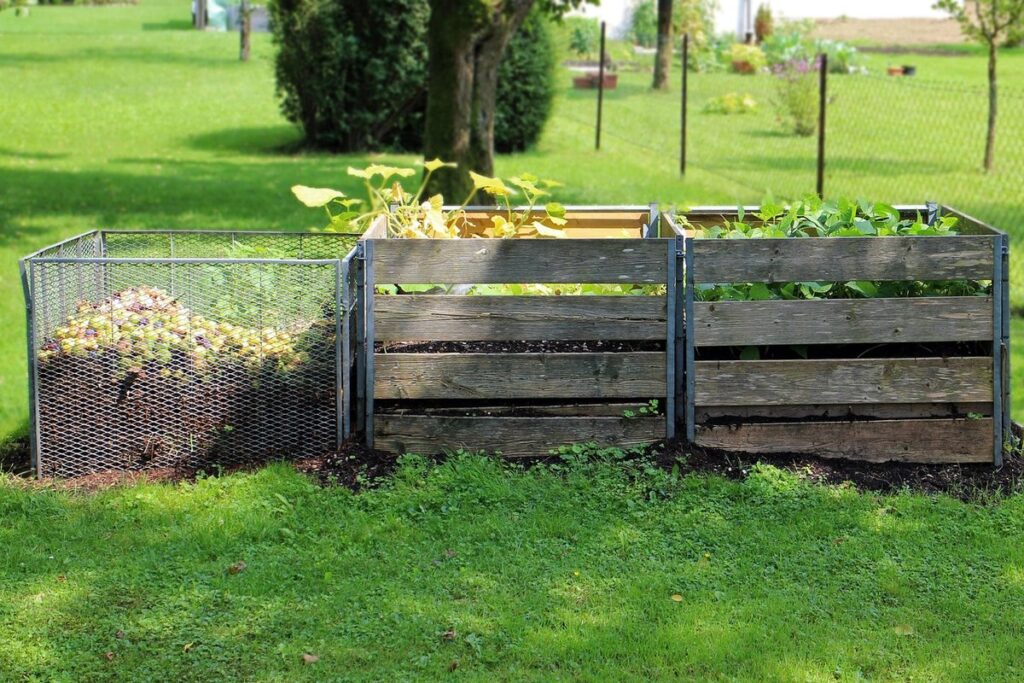
Understanding the Importance of Proper Disposal
When disposing of dead chickens, it’s crucial to understand why proper disposal methods are essential not only for the environment but also for your family’s health and well-being. This section will delve into the importance of responsible disposal practices.
The Risks of Improper Disposal
Improper disposal of dead chickens can have severe consequences for both human health and the environment. One of the primary risks is disease transmission. When dead chickens are not handled and disposed of properly, they can become a breeding ground for pathogens such as Salmonella and Campylobacter, which can then be transmitted to humans through direct contact or contaminated surfaces.
Another significant risk associated with improper disposal is environmental contamination. Dead chickens can attract pests like rodents, flies, and maggots, which can spread disease and create unpleasant odors. If not disposed of correctly, these carcasses can also contaminate nearby water sources, soil, and air quality.
To put this into perspective, a single dead chicken can produce up to 10 pounds of waste, including ammonia-rich urine and feces that can harm local ecosystems. In contrast, composting dead chickens safely involves processing them in a controlled environment where heat and oxygen are applied to break down pathogens and eliminate disease-causing microorganisms. This process reduces the risk of disease transmission and environmental contamination, making it a much safer option for disposing of dead chickens.
Local Regulations and Guidelines
Before you start composting your dead chickens, it’s essential to familiarize yourself with local regulations and guidelines. These laws vary by state, county, and even city, so be sure to check with your local authorities for specific requirements.
In the United States, for example, some states have specific rules regarding the composting of animal remains. In California, you’ll need a permit to dispose of dead animals through composting. Similarly, in New York State, there are restrictions on what can be composted from farms and homes.
When researching local regulations, look for information on:
* Permits or licenses required for composting
* Restrictions on types of materials that can be composted (e.g., meat, bones, feathers)
* Guidelines for handling and storing dead animals before composting
* Requirements for maintaining a record of your composting activities
Take the time to review these regulations carefully, as ignoring them could lead to fines or other penalties. Remember, safe composting practices are crucial not only for protecting public health but also for ensuring that your compost is free from contaminants and pathogens. By understanding local regulations, you’ll be well on your way to creating a safe and effective composting system for your dead chickens.
Assessing Your Composting Setup
Now that you’ve set up your composting bin, it’s essential to evaluate its functionality and determine if any adjustments need to be made for efficient decomposition. Let’s take a closer look at your setup.
Evaluating Your Composting System
When evaluating the effectiveness of your current composting system for dead chickens, it’s essential to monitor several key factors. First and foremost, ensure that you’re maintaining a safe temperature range between 131°F and 140°F (55°C to 60°C). This will help kill any pathogens and pests that may be present in the compost.
Next, check your moisture levels. Compost needs to be kept damp but not soggy. Aim for a mix of 10-20% moisture content. If it’s too dry, it won’t break down efficiently; if it’s too wet, it can create anaerobic conditions that foster odors and pests.
Another critical aspect is your carbon-to-nitrogen (C:N) ratio. A good balance between carbon-rich “brown” materials like straw or shredded newspaper and nitrogen-rich “green” materials like chicken manure will help the composting process along. Aim for a C:N ratio of 20:1 to 30:1.
Regularly inspect your pile, turning it every few days to maintain airflow and speed up decomposition. Keep records of temperature, moisture levels, and any other factors that seem important to you, and adjust as needed.
Identifying Potential Hazards
When composting dead chickens, it’s essential to identify potential hazards that can affect human health and the environment. Pathogen transmission is a significant concern, as dead chickens can carry diseases such as Salmonella and Campylobacter. These pathogens can survive for weeks or even months in the compost pile, posing a risk to humans and animals if not handled properly.
To mitigate this risk, ensure that you follow proper handling procedures when collecting and transporting the dead birds. Wear protective gloves and clothing to prevent skin contact with potential pathogens. When adding the chicken carcasses to the compost pile, mix them thoroughly with other materials like carbon-rich “brown” ingredients (e.g., dried leaves or straw) to reduce pathogen concentrations.
Additionally, be aware of pest attraction. Dead chickens can attract rodents, flies, and other pests that may contaminate your compost and potentially spread disease. To deter these pests, cover the compost pile with a physical barrier, like chicken wire or hardware cloth, and ensure that it’s regularly monitored for signs of infestation.
Keep in mind that if you’re planning to use the finished compost as fertilizer for edible crops, follow strict guidelines to minimize pathogen transfer.
Preparing for Composting
Before you start composting, make sure you have a safe and suitable location, and gather all necessary materials to create an effective and odor-free compost pile. This will set the foundation for successful decomposition.
Removing Valuable Resources
When preparing to compost dead chickens, it’s essential to remove valuable resources from the deceased animal. This process can help reduce waste and make the most of what would otherwise be discarded. Start by separating usable feathers from the carcass. These can be used as a natural pest deterrent in your garden or added to mulch for decorative purposes.
Meat and other edible parts, such as organs and fat, should be removed and disposed of properly. This will prevent contamination of the compost pile and ensure that it remains safe for use on plants. You may choose to donate these items to a local food bank or process them into bone broth or stock.
Remember to also remove any metal or plastic components, such as wing clips or leg bands, as these can interfere with the composting process. Set aside any intact organs, like hearts and livers, for use in making animal feed or stock. Be sure to handle all parts hygienically to maintain a clean environment for your compost pile.
Disinfecting Equipment and Surfaces
When handling dead chickens for composting, it’s essential to take necessary precautions to prevent disease transmission. This involves disinfecting equipment and surfaces that will come into contact with the birds. You’ll need a suitable disinfectant specifically labeled for use on animal tissues.
Some effective options include bleach solutions (1 part bleach to 10 parts water) or quaternary ammonium compounds (quats). Always follow the manufacturer’s instructions, as excessive concentrations can damage surfaces or harm you and your family. To ensure thorough cleaning, scrub all areas with a soft-bristled brush before rinsing with clean water.
For equipment like trowels, gloves, and other utensils, submerge them in a disinfectant solution for 10-15 minutes. This will help kill bacteria, viruses, and fungi that may be present. Regularly cleaning your compost area and equipment can also prevent the spread of disease-causing pathogens.
Keep in mind that disinfection is not a substitute for proper composting practices. Ensure you’re following safe composting guidelines to minimize odors, pests, and nutrient loss during the decomposition process.
Composting Dead Chickens
When dealing with dead chickens, it’s crucial to properly dispose of them to prevent disease and maintain a clean coop environment. This section will guide you through safe composting methods for your deceased flock members.
Creating a Safe Compost Pile
When creating a safe compost pile for dead chickens, it’s essential to follow proper layering techniques and monitor temperature levels. Start by adding a 4-6 inch layer of “brown” materials such as dried leaves, straw, or shredded newspaper at the bottom of the pile. This helps with airflow and carbon-rich content.
Next, add a 2-3 inch layer of “green” materials like food scraps, grass clippings, or manure. Avoid adding too much green material, as it can create anaerobic conditions that lead to pathogens and pests.
Continue alternating between brown and green layers, ending with a layer of brown materials on top. Make sure the pile is at least 3×3 feet in size to maintain adequate temperature and oxygen levels.
Monitor temperature regularly by inserting a compost thermometer. The ideal temperature range for composting dead chickens is between 130-140°F (54-60°C). If temperatures rise above 160°F (71°C), it may indicate an imbalance in the pile, requiring adjustments to layering or aerating.
Keep the pile moist, but not waterlogged, and turn it every 7-10 days to ensure even decomposition. By following these guidelines, you can create a safe compost pile for dead chickens that meets your needs while minimizing potential health risks.
Managing Odors and Pest Control
When composting dead chickens, managing odors and pest control are crucial aspects to consider. As you mix the chicken carcasses with other organic materials, the decomposition process can become a magnet for pests and create unpleasant smells.
To minimize odors, it’s essential to balance the carbon-to-nitrogen ratio in your compost pile. Add more carbon-rich materials like straw or hay to counterbalance the high nitrogen content of chicken waste. This will help speed up the decomposition process and reduce the likelihood of ammonia buildup, which is a primary contributor to unpleasant smells.
Regular turning of the compost pile can also help prevent pest infestations. This aeration process allows oxygen to penetrate deeper into the pile, making it less hospitable for pests like rodents, flies, and scavenging birds. Additionally, introducing beneficial microorganisms through compost teas or worm castings can help break down pathogens and odorous compounds.
Some effective pest control strategies include using physical barriers around the compost area and incorporating natural repellents like hot peppers or garlic into your compost mix. By implementing these measures, you can create a safe and odor-free environment for your compost pile to thrive.
Monitoring and Maintaining the Compost Pile
Now that you’ve created your compost pile, it’s essential to monitor its moisture levels, carbon-to-nitrogen balance, and temperature regularly. Regular checks will ensure a healthy decomposition process.
Checking Temperature and Moisture Levels
When checking temperature and moisture levels in the compost pile, it’s essential to monitor them regularly to ensure optimal decomposition conditions. A healthy compost pile should have a consistent temperature between 130°F to 140°F (54°C to 60°C), which is hot enough to kill off pathogens but not so high that it burns the organic matter.
To check the temperature, insert a compost thermometer into the pile, avoiding any extreme temperatures near the surface or at the bottom. You can also use a simpler method by inserting your hand into the pile and judging the heat. If it feels warm but not unbearably hot, it’s likely within the optimal range.
As for moisture levels, the compost should be kept damp but not soggy, similar to a damp sponge. If the pile is too dry, microorganisms will struggle to decompose the materials efficiently, while excessive moisture can lead to anaerobic conditions and unpleasant odors. Aim for a mix of “damp” and “not soggy,” ensuring adequate moisture to support microbial activity.
Regular temperature and moisture checks help prevent the compost from becoming too hot or cold, ultimately promoting a safe and healthy decomposition process.
Turning the Compost Pile
Turning the compost pile regularly is crucial to ensure it aerates properly, speeds up decomposition, and prevents matting. Matting occurs when materials stick together due to excessive moisture, creating an anaerobic environment that fosters pathogen growth.
To turn the compost pile safely, start by inspecting its structure. Check for a mix of “green” (nitrogen-rich) and “brown” (carbon-rich) materials. Aim for 2/3 brown materials like straw or shredded newspaper, which provide carbon, and 1/3 green materials like chicken manure, which are rich in nitrogen.
Begin by gently loosening the pile’s outer edges with a shovel or pitchfork. Work your way inward, breaking up any clumps or compacted areas. Be careful not to compact the pile further as you turn it. Aim for a mix of old and new materials to maintain a balance of carbon and nitrogen. Turn the pile every 7-10 days during hot weather and every 4-6 weeks in cooler temperatures.
Remember, turning the compost pile is not just about mixing materials; it’s also about maintaining aeration and moisture levels. By following these steps, you’ll create an ideal environment for safe decomposition of dead chickens and other organic waste.
Final Processing and Utilization
Now that you’ve prepared your compost pile, it’s time to finish the job by processing and utilizing the finished compost, which is a nutrient-rich treasure for your garden.
Ensuring Pathogen Destruction
To ensure that your finished compost is free from pathogens, it’s essential to employ methods that destroy these microorganisms. One common approach is cooking or pasteurizing the compost. This process involves heating the compost to a high temperature, usually above 131°F (55°C), for a specified period. The heat kills off any pathogens, including bacteria, viruses, and parasites.
When pasteurizing compost, it’s crucial to maintain consistent temperatures throughout the pile. You can achieve this by adding bulking agents like straw or shredded newspaper, which allow for good airflow and help to distribute heat evenly. For example, if you’re using a compost turner, be sure to mix the material thoroughly after heating to ensure that all areas reach the required temperature.
Regular monitoring of the compost’s temperature is also vital during this process. Use a thermometer to track the temperature daily, aiming for a minimum of 131°F (55°C) for at least 30 minutes. By following these steps and guidelines, you can effectively destroy pathogens in your finished compost, ensuring it’s safe for use in gardens and landscapes.
Using Finished Compost
When you’ve finally reached this stage with your dead chicken composting project, it’s essential to understand how to safely use the finished product as a nutrient-rich fertilizer in gardens and agricultural settings. Finished compost is a potent blend of beneficial microbes, humus, and nutrients that can significantly boost soil health.
To ensure safe utilization, always follow these guidelines: Start by testing your compost for pH levels, heavy metal contaminants, and pathogens like E. coli. This will provide you with an accurate picture of the compost’s quality and safety. Next, mix 2-4 inches of finished compost into the top layer of soil before planting seeds or seedlings. You can also use it as a mulch by applying a 2-inch layer around plants.
Remember to avoid using finished compost on crops that will be consumed raw, like fruits and vegetables intended for human consumption. This is especially crucial if you’re unsure about the quality of your finished compost.
Conclusion and Best Practices
Now that you’ve learned how to safely compost dead chickens, let’s discuss some key takeaways and best practices to ensure a safe and effective composting process.
Recap of Key Takeaways
To safely compost dead chickens, it’s essential to recall the key takeaways from this comprehensive guide. When handling and processing dead chickens, prioritize wearing protective gear such as gloves, a mask, and eye protection to minimize exposure to pathogens.
Composting itself involves several critical steps: choosing the right location for your compost pile, selecting suitable materials to balance carbon and nitrogen levels, and maintaining adequate moisture and turning the pile regularly. This will facilitate decomposition, reducing odors and disease risk.
Another crucial aspect is managing chicken waste safely before composting it. This includes properly disposing of feathers, removing any entrails or offal, and washing the carcass with cold water to prevent bacterial contamination.
When selecting materials for your compost pile, consider incorporating “green” carbon sources such as food scraps and grass clippings to balance out the high nitrogen content of chicken waste. Aim for a mix that’s approximately two-thirds “brown” material (dry leaves, straw) to one-third “green” material.
Regular monitoring is also vital; check your compost pile frequently to ensure it remains moist but not soggy. Avoid overloading with too many chickens at once and keep the area around the pile clear of debris to maintain airflow.
Remember that temperature fluctuations can impact decomposition rates. Keep an eye out for rising heat levels (indicative of active microbial activity) or falling temperatures, which may signal a need to turn the pile.
By adhering to these best practices, you’ll be able to safely compost dead chickens and produce nutrient-rich soil amendment for your garden.
Frequently Asked Questions
Can I compost dead chickens with other animal waste, such as dog or cat feces?
No, it’s not recommended to mix different types of animal waste, especially from non-mammals like birds and carnivorous pets, as their pathogens and nutrient profiles can interact in unpredictable ways. Keep your chicken manure compost pile separate from other organic waste streams.
How long does it take for a compost pile to reach optimal temperature, typically around 130°F (54°C)?
Temperature in a compost pile can rise rapidly, often within 2-3 days of active decomposition. This process is accelerated by adequate moisture, oxygen, and carbon-to-nitrogen balance. Monitor your pile regularly to ensure these conditions are met.
What if I notice unwanted pests like rodents or flies on my compost pile?
Implement Integrated Pest Management (IPM) strategies, which include physical barriers, traps, and natural deterrents like essential oils. Also, maintain a balanced compost pile by ensuring sufficient carbon-to-nitrogen ratio and moisture levels to discourage pest infestations.
Can I use finished compost in containers or bags for garden beds?
Yes, finished compost can be used in containers or bags if you add a layer of mulch or straw on top to prevent nutrient leaching. This helps retain the valuable nutrients within the compost while allowing it to slowly release them as needed by your plants.
How do I handle extreme weather conditions like flooding or droughts during the composting process?
In case of heavy rainfall, ensure that your compost pile remains accessible for aeration and mixing. For prolonged dry spells, maintain adequate moisture levels in the pile by sprinkling water on it regularly.