
Offal disposal is a critical aspect of poultry processing that requires careful attention to ensure food safety and environmental sustainability. As a poultry processor, you’re likely aware of the importance of handling and disposing of offal properly, but navigating the complex regulations can be overwhelming. In this article, we’ll break down the essential guidelines for safe offal disposal in poultry processing, including equipment requirements, facility design, and sustainable disposal options.
We’ll explore the key factors to consider when designing a poultry processing facility, such as adequate storage, handling, and sanitation procedures, as well as regulatory compliance with agencies like OSHA and EPA. By understanding these regulations and implementing effective offal disposal practices, you can minimize waste, reduce environmental impact, and maintain a safe working environment for your staff. Whether you’re an established processor or just starting out, this article will provide you with the knowledge to dispose of offal safely and sustainably.
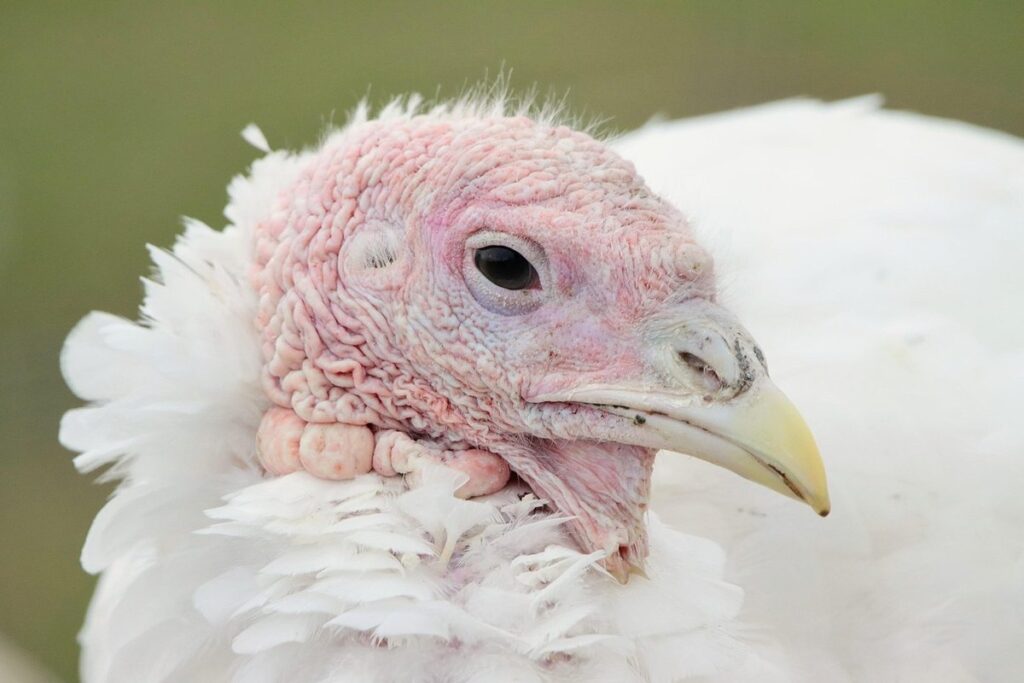
Understanding Offal and Its Importance in Poultry Industry
Offal, also known as organ meat, plays a vital role in the poultry industry’s production processes and contributes to food security on a global scale. Understanding its importance is crucial for safe disposal practices.
Definition and Purpose of Offal in Poultry Processing
Offal is one of the most critical components in poultry processing. It refers to the internal organs and other edible by-products removed from a slaughtered bird, such as hearts, livers, gizzards, and intestines. In terms of composition, offal typically accounts for around 20-25% of the total weight of a processed chicken or turkey.
The significance of offal in poultry processing lies in its high nutritional value. It is rich in protein, vitamins, and minerals, making it an excellent addition to various food products, such as soups, stews, sausages, and even pet food. Proper handling of offal is crucial not only for maintaining the quality of these end-products but also to prevent contamination risks that can compromise human health.
To maintain food safety, poultry processors must adhere to strict guidelines when handling offal. This includes proper storage, transportation, and disposal practices to avoid any potential hazards associated with improper waste management. In the next section, we will delve into best practices for safe offal disposal in the poultry industry.
Types of Offal and Their Uses in Food Products
Offal is a valuable byproduct of poultry processing that can be utilized in various food products. The different types of offal include organs such as the liver, kidneys, and heart, as well as the intestines and other internal organs. These parts are rich in nutrients and protein, making them a sought-after ingredient in many cuisines around the world.
For instance, chicken livers are commonly used in pâtés, sausages, and burgers, while beef or pork liver is often served as a delicacy in Asian cultures. Kidneys from poultry are used to make soups, stews, and sauces, adding flavor and texture to these dishes. Intestines, also known as chitterlings, are commonly consumed in some African and Latin American countries.
Examples of offal utilization can be seen globally: the United States utilizes over 12% of chicken offal in pet food, while China uses a significant portion of its pig offal for traditional medicine. This demonstrates that safe offal disposal in poultry is not only essential but also has economic benefits. When properly handled and disposed of, offal can become a valuable resource in various industries.
Preparing for Safe Offal Disposal: Equipment and Facilities
When it comes to safely disposing of offal, having the right equipment and facilities is crucial. This section will guide you through selecting and setting up a suitable disposal area.
Essential Equipment for Handling and Storing Offal
When handling offal from poultry processing, it’s crucial to have the right equipment in place to ensure sanitation and safety. Start by investing in sturdy, leak-proof containers with tight-fitting lids for storing offal. These containers should be made of durable materials that can withstand regular cleaning and sanitizing.
Next, consider investing in a freezer specifically designed for storing offal at temperatures below 0°F (-18°C). This will prevent bacterial growth and contamination. When selecting a freezer, look for one with a reliable temperature control system and adequate storage capacity to hold all offal generated during processing.
In addition to containers and freezers, conveyor belts can also play a vital role in safely handling offal. These belts should be designed with easy-to-clean surfaces and a smooth finish to prevent the accumulation of debris or waste. Regularly cleaning and sanitizing conveyor belts will help maintain hygiene levels throughout the processing area.
Designing a Suitable Facility for Offal Management
When designing a facility for safe offal disposal, it’s essential to prioritize several key considerations. First and foremost, a well-designed ventilation system is crucial to prevent the spread of diseases and odors. This includes installing air intake systems that can capture airborne pathogens and particulate matter, as well as exhaust systems that remove waste gases.
Waste management is another critical aspect of offal disposal facility design. Facilities should have designated areas for storing offal before processing, as well as secure containers for transporting waste to landfills or other authorized disposal sites. It’s also important to implement a system for tracking and monitoring waste generation, storage, and disposal.
In terms of emergency procedures, facilities should have protocols in place for responding to spills, fires, or equipment failures. This includes having on-site first aid kits, fire extinguishers, and backup power sources. A well-designed facility will also have regular maintenance schedules to ensure that equipment is functioning properly and that potential hazards are identified and addressed promptly.
Examples of successful facilities can be seen in countries like Denmark and the Netherlands, where offal disposal facilities are designed with waste management and public health in mind.
Handling and Storing Offal to Prevent Contamination
To prevent contamination and ensure safe offal disposal, proper handling and storage are crucial steps that must be taken immediately after removing offal from poultry. Let’s dive into these essential practices next.
Safe Transportation and Storage of Offal
When transporting offal from one location to another, it’s crucial to take necessary precautions to prevent contamination and maintain its quality for further processing or disposal. This involves ensuring that the containers used are clean, leak-proof, and specifically designed for carrying offal.
To begin with, properly label the containers indicating their contents as “offal” and include details such as the date, time of collection, and the intended destination. Segregation is also vital; separate offal from other waste materials to prevent cross-contamination.
Transportation should be done in a way that minimizes exposure to environmental elements like rain, direct sunlight, or extreme temperatures. Consider using insulated containers or refrigerated vehicles if transporting over long distances or during hot weather conditions. Ensure the containers are securely closed and sealed throughout transit to prevent leakage or spillage.
Regular cleaning and disinfection of transportation equipment, including trucks and containers, is also essential.
Temperature Control and Hygiene Practices in Offal Handling
Temperature control is crucial to prevent bacterial growth and maintain food safety during offal handling. Refrigeration at a temperature of 40°F (4°C) or below within one hour of evisceration is essential, and this temperature should be maintained throughout the process. Freezing offal at -18°C (0°F) or below can also be used as an alternative for long-term storage.
Good hygiene practices during offal handling are equally important. Handlers must wear clean gloves, aprons, and hairnets to prevent cross-contamination. The area where offal is handled should be well-ventilated, dry, and free from standing water. All equipment and utensils used in the process should be sanitized after each use.
Proper storage of offal in sealed, leak-proof bags or containers can help maintain cleanliness and prevent contamination. Offal should be labeled with its date of evisceration and stored separately from other poultry products to avoid cross-contamination. Regular cleaning and disinfection of the storage area are also necessary to maintain a hygienic environment.
In addition to temperature control and hygiene practices, regular monitoring of offal for signs of spoilage or contamination is essential. Any offal showing signs of spoilage should be discarded immediately.
Disposal Methods for Poultry Offal
Now that we’ve covered offal collection and storage, let’s dive into safe disposal methods to prevent environmental harm and disease transmission in poultry. Proper disposal is crucial for a sustainable operation.
Regulatory Requirements for Offal Disposal
When disposing of poultry offal, understanding regulatory requirements is crucial to avoid non-compliance and potential penalties. Regulatory frameworks for offal disposal vary by country and region, making it essential to familiarize yourself with local laws and regulations.
In the United States, for instance, the Environmental Protection Agency (EPA) sets guidelines for animal waste management, including poultry offal. According to the EPA, animal waste must be disposed of in a manner that prevents groundwater contamination, and facilities handling offal are required to have a permit. Non-compliance can result in fines up to $50,000 per day.
In the European Union (EU), the EU’s Animal By-Product Regulation sets strict guidelines for offal disposal. Offal must be stored, transported, and disposed of in accordance with specific protocols to prevent animal disease transmission. Failure to comply can lead to significant penalties, including fines and even facility closures.
To ensure compliance, poultry farmers and processors should check local regulations and obtain necessary permits before disposing of offal. This may involve consulting with regulatory agencies or industry associations for guidance on meeting specific requirements.
Sustainable Disposal Options: Rendering, Composting, and More
When it comes to safely disposing of poultry offal, sustainable options are not only environmentally friendly but also economically viable. Rendering is one such method that involves heating the offal to extract usable fats and proteins, which can be sold as animal feed or used in food products. This process eliminates pathogens, reducing the risk of contamination.
Composting is another sustainable approach to offal disposal. By mixing offal with other organic materials like carbon-rich bedding or manure, microorganisms break down the waste into a nutrient-rich compost that can be used as fertilizer for crops.
Energy recovery from poultry offal is also gaining traction. Through anaerobic digestion or gasification processes, organic matter in offal can be converted into biogas, which can be harnessed to generate electricity or heat.
Offal Management in Small-Scale Poultry Operations
When managing offal in small-scale poultry operations, proper disposal is crucial to maintaining a safe and healthy environment. This includes understanding storage, transportation, and final disposal methods.
Challenges Faced by Small-Scale Producers
Small-scale poultry producers often face unique challenges when it comes to offal management. One of the primary concerns is resource limitation. With limited resources and equipment, small-scale producers may struggle to effectively manage and dispose of offal, which can lead to a range of issues including contamination and disease transmission.
Regulatory compliance is another challenge that small-scale producers must navigate. In many countries, there are strict regulations surrounding offal disposal, including requirements for proper storage, handling, and disposal. However, these regulations can be difficult for small-scale producers to comply with due to their limited resources and lack of access to specialized equipment and expertise.
To overcome these challenges, small-scale producers should prioritize education and training on offal management best practices. This may involve attending workshops or conferences, seeking guidance from experienced operators, or participating in online forums and discussion groups. By staying informed and up-to-date on the latest regulations and guidelines, small-scale producers can ensure that they are meeting their obligations while also protecting public health and animal welfare.
In addition to education and training, small-scale producers may also benefit from exploring alternative offal disposal options. For example, some farms have successfully implemented composting programs for offal, which not only reduces waste but also produces a valuable nutrient-rich fertilizer. Other options include partnering with larger operations or using third-party waste management services. By thinking creatively and exploring available resources, small-scale producers can develop effective offal management systems that meet their unique needs and circumstances.
Best Practices for Small-Scale Poultry Operations
Small-scale poultry operations face unique challenges when it comes to offal management. One of the key concerns is finding cost-effective solutions that don’t compromise on hygiene and efficiency. Here are some practical tips tailored to the needs of small-scale operators:
When handling offal, it’s essential to have a designated area for storage and disposal. This can be as simple as designating a specific corner in your coop or investing in a small walk-in cooler. For example, many small-scale producers use plastic bins or containers with tight-fitting lids to store offal temporarily before disposing of it.
Another cost-effective solution is to repurpose equipment you already have on hand. For instance, you can modify an old wheelbarrow to serve as a mobile container for offal, making it easier to transport and dispose of in the most sanitary manner possible.
When implementing these modifications, consider your local regulations regarding offal disposal. Familiarize yourself with guidelines on burial depths, distances from water sources, and other critical factors that vary by region. This will ensure you’re meeting all necessary requirements while minimizing waste and promoting a safe working environment for both humans and animals.
Conclusion: Ensuring Compliance with Offal Disposal Regulations
To wrap up safely and effectively, we’ll now cover the essential steps to ensure your offal disposal practices align with current regulations. Let’s review what you need to know.
Recap of Key Findings and Recommendations
As we conclude our discussion on safe offal disposal in poultry, it’s essential to recap the key findings and recommendations. Following local regulations regarding offal disposal is crucial to ensure compliance and maintain a clean environment.
Key takeaways from previous sections emphasize the importance of proper handling and storage of offal, including its segregation from other poultry waste. This separation is critical in preventing contamination and ensuring that offal is disposed of in accordance with local regulations. Regular cleaning and disinfection of equipment and facilities are also crucial to minimize health risks associated with offal disposal.
To ensure compliance, it’s vital for poultry farmers and processors to stay informed about local regulations regarding offal disposal. This can be achieved by checking with local authorities or participating in industry-specific training programs. By following these guidelines and maintaining a focus on safe practices, poultry producers can minimize their environmental impact while ensuring the health and safety of humans and animals alike.
In conclusion, responsible offal disposal is an ongoing process that requires vigilance and dedication to regulations.
Final Tips for Implementing Safe Offal Management Practices
In implementing safe offal management practices, there are several key considerations to keep in mind. Firstly, ensure that you have a thorough understanding of local and national regulations regarding offal disposal. Familiarize yourself with publications such as the USDA’s Guide to Safe Handling and Disposal of Animal By-Products, which provides comprehensive guidance on offal management.
In addition to staying informed about regulatory requirements, it’s also essential to develop a solid waste management plan for your poultry operation. This should include regular training for staff on proper offal handling and disposal procedures, as well as provision for regular cleaning and maintenance of equipment.
To further enhance your knowledge in offal management, consider attending workshops or online courses that focus specifically on this topic. The National Animal Supplement Council (NASC) offers a range of educational resources, including webinars and certification programs, designed to help producers navigate the complexities of offal disposal.
Frequently Asked Questions
What are the most common mistakes to avoid when designing a facility for offal management?
When designing a poultry processing facility, it’s essential to avoid common mistakes like inadequate storage space, poor ventilation, and insufficient sanitation procedures. Ensure that your facility has adequate storage capacity for offal, proper ventilation to prevent odors and moisture buildup, and robust sanitation systems in place to prevent contamination.
How can I ensure compliance with regulatory requirements for offal disposal?
To ensure compliance with regulatory requirements, familiarize yourself with OSHA and EPA guidelines, which cover aspects such as employee training, facility design, and waste management. Conduct regular audits to ensure your practices align with these regulations. Regularly update your knowledge of changing regulations to maintain a safe working environment.
What are some sustainable disposal options for poultry offal?
Rendering, composting, and recycling are viable options for disposing of poultry offal sustainably. Rendering converts fat into biodiesel or soap, while composting breaks down organic matter into nutrient-rich fertilizer. Recycling involves repurposing offal into animal feed or pet food.
Can I use my existing facility to manage offal disposal safely?
Existing facilities can be retrofitted for safe offal management with some adjustments. Conduct an assessment of your current infrastructure and implement necessary upgrades, such as installing adequate storage containers and sanitation systems. Provide employee training on proper handling and disposal practices.
How do I handle offal transportation and storage to prevent contamination?
To prevent contamination during transportation and storage, ensure that offal is stored in sealed, leak-proof containers. Maintain a clean and dry environment for storage, with regular cleaning and disinfection of equipment and facilities. Implement temperature control measures to slow bacterial growth, such as refrigeration or freezing.