
When it comes to choosing the right bedding for your run, you’re likely torn between two popular options: sand and deep litter. Both have their pros and cons when it comes to moisture retention, odor control, and flock health considerations.
As a responsible poultry keeper, you want to make an informed decision that benefits both your birds and the environment. In this article, we’ll delve into the advantages and disadvantages of using sand versus deep litter as run bedding options. We’ll explore how these two choices can impact moisture levels, odors, and the overall health of your flock. By the end of this post, you’ll be well-equipped to decide which option is best for your backyard flock or commercial operation. Let’s weigh the benefits and drawbacks of each, so you can make a decision that keeps both your birds and the environment happy and healthy!
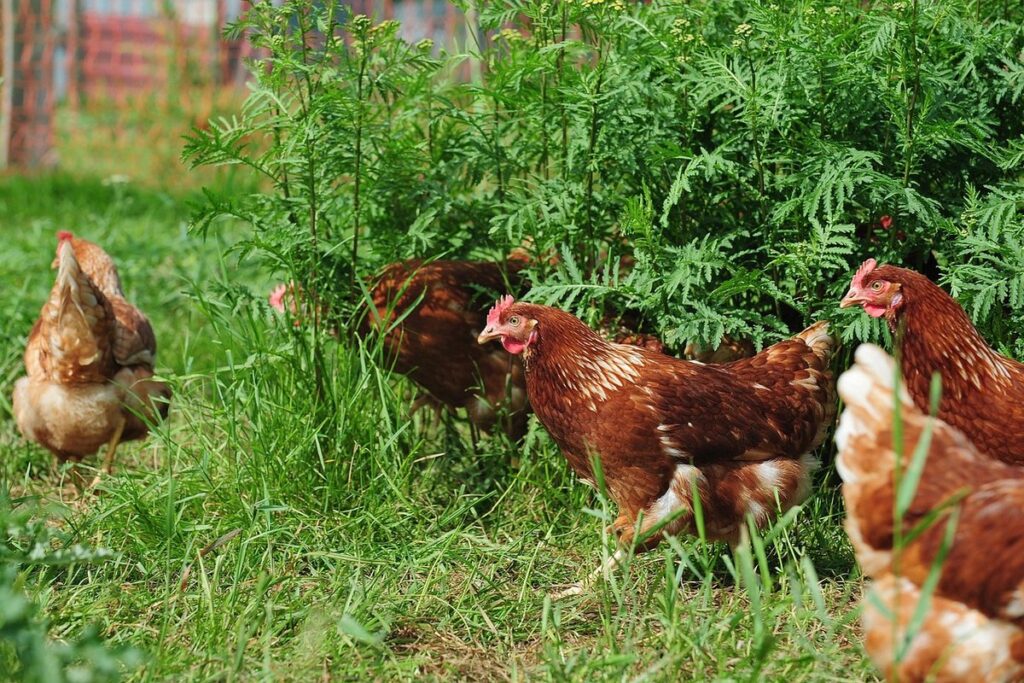
Introduction to Run Bedding Options
When it comes to choosing a bedding option for your chicken run, you’re likely faced with two popular choices: sand and deep litter. Let’s explore the benefits of each.
What is Run Bedding and Why Does it Matter?
Run bedding is an essential component of maintaining a clean and healthy environment for chickens. At its core, run bedding serves as a protective layer that lines the floor of your chicken’s outdoor enclosure, often referred to as the “run”. Its primary purpose is to absorb waste, prevent the buildup of ammonia from uric acid in droppings, and provide comfort for your flock.
When choosing a run bedding option, it’s crucial to consider its durability, ease of maintenance, and impact on the environment. A good quality run bedding will not only keep your chickens’ living space clean but also reduce the risk of health issues associated with ammonia exposure. For example, if you’re using a high-traffic area or housing multiple birds, a more absorbent bedding material like wood shavings or straw may be a better choice.
In addition to these practical considerations, it’s essential to remember that your chickens will also spend time on the run bedding. Opt for materials that provide comfort and won’t cause irritation or discomfort, such as sharp particles or excessive dust.
The Benefits of Proper Run Bedding
When it comes to choosing the right bedding for your run, many people focus on the type of litter itself, but often overlook the importance of proper bedding. However, using the right bedding can make a huge difference in maintaining a clean and healthy environment for your flock.
First and foremost, proper run bedding helps reduce odors. When you use the right amount of dry bedding material, it absorbs moisture and waste from your chickens’ droppings, preventing ammonia buildup. This is especially important if you’re raising chickens indoors, as high levels of ammonia can be toxic to them. For example, using a thick layer of straw or hay in your run can help keep odors at bay.
Proper bedding also makes cleaning easier. When the bedding is deep and absorbent, it allows for easy removal of waste and manure, reducing the risk of disease and parasites spreading through your flock. Regularly replacing the top layer of bedding also helps prevent pests like flies and rodents from taking over your run.
Perhaps most importantly, using proper run bedding can improve your flock’s health. A clean and dry environment is essential for preventing respiratory problems, foot issues, and other diseases that can arise when chickens are exposed to wet or dirty conditions. By choosing the right bedding material and maintaining it regularly, you’ll be creating a healthier living space for your birds.
Sand as a Run Bedding Option
As we continue exploring alternative bedding options for your chicken run, let’s dive into the specifics of using sand as a comfortable and easy-to-maintain choice. This section will cover its benefits and drawbacks.
Pros of Using Sand in Runs
Using sand as a run bedding option has several advantages that make it an attractive choice for many backyard chicken keepers. One of the primary benefits is its ability to absorb waste and reduce moisture levels in the run. Sand is highly effective at soaking up droppings, keeping the area clean and dry. This makes it ideal for hot climates where humidity can be a significant issue.
Another advantage of using sand is that it’s easy to maintain. Unlike deep litter methods, which require regular turning and topping up of materials, sand simply needs to be raked over every now and then to keep it even. Sand also doesn’t harbor ammonia, which can be present in deep litter systems. This creates a healthier environment for your birds.
Sand is also relatively low maintenance when it comes to odor control. Since it’s able to absorb waste so efficiently, the risk of strong odors is significantly reduced. With sand as your run bedding option, you’ll enjoy fewer messes and less cleanup overall.
Cons of Using Sand in Runs (and How to Mitigate Them)
Using sand as a bedding option for your chickens’ run comes with some significant drawbacks. One of the most notable cons is the constant need for replenishment. Sand gets compacted and becomes uneven over time, leading to discomfort for your birds’ feet and potential health issues if they ingest it. This means you’ll be spending money on regular sand replacements, which can add up quickly.
Another con is the potential respiratory problems caused by inhaling fine particles of dust from the sand. Chickens with existing respiratory conditions may be particularly affected, so it’s essential to take precautions. To mitigate this issue, consider adding a layer of pine shavings or straw on top of the sand to help trap dust and prevent it from becoming airborne.
In addition, you’ll also need to think about the impact of using sand on your run’s drainage system. If not properly managed, sand can lead to waterlogged areas that create ideal breeding grounds for bacteria and disease-causing pathogens. Regular cleaning and maintenance are crucial in this case.
Deep Litter as a Run Bedding Option
If you’re considering alternative bedding options for your run, deep litter is definitely worth exploring and can be a game-changer for your flock’s health.
Pros of Using Deep Litter in Runs
Using deep litter as a run bedding option offers several benefits that can improve the health and well-being of your flock. One of the most significant advantages is its ability to recycle nutrients. As droppings accumulate on the surface, they become part of the litter, where beneficial microorganisms break them down into nutrient-rich compost. This process eliminates the need for frequent cleaning and replacement, reducing waste and minimizing the environmental impact.
In a deep litter system, it’s essential to maintain an optimal depth of 6-8 inches to ensure efficient decomposition. This allows the litter to self-regulate temperature, keeping your birds comfortable and healthy. As the litter breaks down, it also absorbs ammonia, creating a safer environment for your flock. With regular maintenance, deep litter can last for several months, making it a cost-effective solution.
By adopting a deep litter system, you’ll reduce waste, conserve resources, and create a healthier environment for your birds to thrive in.
Cons of Using Deep Litter in Runs (and How to Mitigate Them)
While deep litter has its benefits, there are some potential downsides to consider. One of the main concerns is the risk of ammonia buildup, which can be hazardous to both humans and animals. This occurs when bacteria in the litter break down urates and urea, producing ammonia gas. If left unchecked, high levels of ammonia can cause respiratory problems and even eye and skin irritation.
To mitigate this risk, it’s essential to monitor your deep litter closely, especially during warm weather or when you have a large number of birds. You can do this by checking the pH level regularly and adding more litter as needed. Some bird owners also use odor-absorbing products or natural antimicrobial agents like diatomaceous earth or zeolite to help reduce ammonia levels.
Another potential issue with deep litter is fire hazards, particularly when using materials that are highly combustible. Dry pine shavings, for instance, can ignite easily if exposed to heat sources. To minimize this risk, keep your run well-ventilated and make sure you’re using a moisture-resistant litter material. Regularly cleaning out the deep litter and adding new layers also helps to reduce the fire hazard.
Sand vs Deep Litter: Key Differences
When choosing between sand and deep litter for your run, it’s essential to understand their distinct characteristics, which we’ll break down in this section. Let’s dive into the key differences between these two popular bedding options.
Moisture Retention and Absorption
When it comes to managing moisture levels in runs, both sand and deep litter have their own unique characteristics. Sand, being a dry material, has excellent drainage properties but struggles with retaining moisture. This means that if you’re using sand as a run substrate, you may need to top it off frequently or rely on other methods to keep the area dry.
On the other hand, deep litter excels at retaining moisture, which can be beneficial for maintaining a stable temperature and humidity level in the run. However, this also means that deep litter requires regular turning and replenishment to prevent ammonia buildup. If not managed properly, deep litter can become soggy and harbor bacteria, creating an unhealthy environment for your flock.
To mitigate these issues, consider layering sand and deep litter or using a combination of both materials in different areas of the run. This will allow you to take advantage of each material’s strengths while minimizing its weaknesses. Regular maintenance, such as cleaning and inspecting the area daily, is also crucial to preventing moisture-related problems.
Odor Control and Management
When it comes to managing odors and waste in the run environment, both sand and deep litter have their own strengths and weaknesses. Sand is often preferred for its ease of cleaning and minimal odor issues, but this convenience can come at a cost: moisture buildup. With sand, wet droppings can seep below the surface, creating an anaerobic environment that fosters bacterial growth and intensifies odors.
Deep litter systems, on the other hand, handle waste differently. As the litter is allowed to build up over time, it becomes dry and inhospitable to bacteria. This natural process reduces odor-causing pathogens, minimizing their impact on air quality. However, this method requires a commitment to regular maintenance, including daily cleaning of soiled areas and replenishing the litter.
To manage odors in your deep litter system effectively, aim for a balance between cleanliness and dryness. Remove wet spots immediately, and ensure that litter is replenished regularly to maintain its natural absorptive properties. With proper care, you can minimize odor-related issues and create a healthier environment for both your flock and yourself.
Flock Health Considerations
When it comes to choosing between sand and deep litter for your run, one crucial aspect to consider is its impact on flock health. Respiratory issues are a common concern in poultry keeping, and both sand and deep litter can affect the birds’ lungs.
Sand, while easy to clean and maintain, can actually exacerbate respiratory problems by drying out the air and creating a dusty environment. This can lead to conditions like bronchitis and pneumonia, especially in breeds prone to respiratory issues. On the other hand, deep litter can be beneficial for flock health as it allows the birds to engage in natural behaviors like scratching and foraging, which helps keep their lungs healthy.
However, if not managed properly, deep litter can become a breeding ground for parasites like mites, lice, and bacteria. Regular cleaning and maintenance are essential to prevent this from happening. By incorporating features like proper ventilation, adequate space, and regular cleaning schedules, you can minimize the risks associated with both sand and deep litter and create a healthier environment for your flock.
Maintenance and Upkeep for Sand and Deep Litter Runs
To keep your sand or deep litter run clean and hygienic, regular maintenance is crucial to prevent health issues and extend its lifespan effectively. We’ll cover essential upkeep tips in this section.
Daily Tasks and Schedule
When it comes to maintaining a clean and healthy sand or deep litter run, daily tasks are crucial to prevent health issues and maintain a pleasant environment for your flock. For both types of runs, you’ll need to perform daily cleaning tasks to remove waste and maintain cleanliness.
With a sand run, start by removing soiled bedding from the area where your birds access it, ideally twice a day. Use a rake or shovel to collect the waste and replace with fresh sand as needed. Make sure to also clean any accessories like feeders and waterers regularly to prevent bacterial growth.
In a deep litter run, you’ll need to remove waste daily and add more litter material if necessary. This can be done by simply scooping out soiled areas or using a broom to collect the debris. Keep in mind that with deep litter runs, it’s essential to monitor moisture levels to prevent ammonia buildup.
Remember to also check your birds’ access points and ensure they are clean and free from blockages. By sticking to these daily tasks, you’ll be able to maintain a healthy and clean environment for your flock, regardless of whether you’re using sand or deep litter in their run. Regular schedule maintenance is key to preventing health issues and ensuring the overall well-being of your birds.
Seasonal Considerations and Adjustments
As you navigate the world of sand and deep litter runs, it’s essential to consider the seasonal changes that impact your flock’s needs. Temperature fluctuations, humidity levels, and behavioral shifts can significantly alter maintenance routines. During the summer months, for instance, your flock will likely generate more waste due to increased egg production and heat stress. To adapt, you may need to increase litter depth or frequency of cleaning to maintain a healthy environment.
In contrast, winter conditions often lead to reduced activity levels, resulting in less waste generation. However, colder temperatures can also cause litter materials to become compacted, making it essential to aerate the area more frequently. Be sure to monitor temperature and humidity levels to adjust your maintenance schedule accordingly. For example, if you notice an increase in moisture due to high humidity, take steps to dry out the litter or sand to prevent mold growth.
As a general rule of thumb, consider increasing litter depth by 1-2 inches during the winter months to provide extra insulation for your flock’s feet and maintain warmth. Conversely, reduce litter depth in the summer to prevent overheating and moisture buildup. By being mindful of these seasonal adjustments, you can create a comfortable and healthy living space for your birds year-round.
Cost Comparison and DIY Options
When considering whether to use sand or deep litter in your run, understanding the costs involved can be a crucial factor in making a decision that suits your budget. Let’s break down some cost comparison options for you to consider.
Initial Investment Costs
When it comes to setting up a new coop, one of the first considerations is the initial investment costs. Let’s break down the upfront expenses for both sand and deep litter runs.
For a sand run, you’ll need to purchase a large quantity of play sand or industrial sand specifically designed for use in animal enclosures. The cost can vary depending on the quality and quantity needed, but expect to spend around $200-$500 for a standard-sized coop. Additionally, you may also need to invest in a drainage system, which can add another $50-$100 to your overall expense.
On the other hand, deep litter runs rely on a thick layer of organic material such as straw or wood shavings. While this method requires more maintenance and replenishment over time, the initial investment is relatively low – around $50-$100 for an initial load. However, you’ll need to factor in regular replacement costs, which can range from $20-$50 per month.
It’s essential to consider both the upfront cost and ongoing expenses when deciding between a sand or deep litter run. As you weigh your options, keep in mind that a well-maintained deep litter system can be just as effective as a sand-based one, with some coop owners even reporting better health outcomes for their birds.
Ongoing Expenses and Replacement Needs
When it comes to ongoing expenses and replacement needs, both sand and deep litter options have their differences. Let’s dive into the details.
With a sand-based run, you’ll need to regularly top up and replace the sand completely every 6-12 months due to wear and tear. This can be a significant expense, especially if you have a large flock or a lot of birds that produce droppings. Additionally, sand may become uneven over time, creating areas where water can collect and become stagnant.
In contrast, deep litter systems require less frequent top-ups but still need regular maintenance to control odors and prevent pest infestations. You’ll need to add new bedding material (such as straw or pine shavings) every 2-3 months, which can be a cost-effective option in the long run. However, you may need to replace some of the existing litter completely every 6-12 months if it becomes severely soiled.
To give you a better idea, consider this: for a flock of 10 birds, sand replacement costs around $50-$100 per year, while deep litter bedding material can cost between $20-$50 annually.
DIY Sand and Deep Litter Solutions
If you’re looking for affordable and low-maintenance options, consider creating your own DIY sand and deep litter solutions. A 50-pound bag of play sand can cost between $2 to $5, making it a cost-effective alternative to store-bought sand. To create your own sand, simply collect used kitty litter or wood shavings from a local pet store, which is often given away for free.
For a DIY deep litter solution, start by collecting shredded newspaper, cardboard, or hay from your local grocery store’s recycling bin. You can also repurpose old towels, t-shirts, or socks to add depth and comfort to your run. A 4×8 foot area of the run can be covered with about 2-3 inches of deep litter, depending on the material used.
When creating your DIY solutions, remember to add a layer of absorbent materials like paper-based products or coconut coir to help keep odors under control. Regularly clean and refresh your sand or deep litter by removing soiled areas and replacing them with fresh materials. With proper maintenance, your DIY solutions can save you money while providing a comfortable and healthy environment for your birds.
Conclusion and Recommendations
Now that we’ve weighed the pros and cons of sand and deep litter, it’s time to summarize our findings and provide some practical recommendations for your run.
Summary of Key Points
When considering what to use as bedding for your rabbit’s run, it can be overwhelming with all the options available. To help you make an informed decision between sand and deep litter, let’s recap the main points discussed.
Sand is a popular choice among rabbit owners due to its ease of cleaning and ability to prevent moisture buildup. However, it has some drawbacks – it can be harsh on paws if ingested, and may not provide adequate insulation for colder climates. Deep litter systems, on the other hand, offer excellent insulation and can help regulate temperature in your run.
Some key considerations when choosing between these two options include your rabbit’s individual needs and preferences, as well as your personal preferences and maintenance schedule. If you live in an area with extreme temperatures or have rabbits that are prone to ingesting bedding, deep litter may be the better choice for you.
Final Tips and Best Practices
When transitioning to either sand or deep litter, it’s essential to establish a routine that prioritizes maintenance and cleanliness. For example, make sure to scoop out solid waste daily and change the entire layer (whether it’s sand or litter) every 7-10 days.
Another key aspect of run management is providing adequate ventilation. Consider installing windows, vents, or using fans to ensure air circulation, which will help minimize ammonia buildup and odors associated with both deep litter and sand runs.
In addition to regular cleaning, consider implementing a rotation schedule for changing bedding materials. This can be as simple as swapping out the sand or litter every few months or replacing it completely after 6-12 months of use.
Frequently Asked Questions
Can I mix sand and deep litter to create a hybrid bedding solution?
No, mixing sand and deep litter can be counterproductive as it may lead to inconsistent moisture retention and odor control. Both materials have different properties that work well independently but not together. It’s best to choose one option and stick with it for optimal results.
How often should I replace the bedding in my chicken run, regardless of whether I’m using sand or deep litter?
The frequency of replacing bedding depends on several factors such as weather conditions, flock size, and individual bird characteristics. As a general rule, aim to change the bedding completely every 2-4 weeks to maintain cleanliness and prevent health issues.
Can I use recycled materials like compost or wood shavings for deep litter instead of traditional options?
Yes, you can experiment with alternative materials for deep litter, but ensure they’re safe for your flock and don’t introduce new risks such as mold growth or ammonia buildup. Start by introducing a small amount to observe how it affects moisture retention and odor control.
How do I manage excess moisture in my sand-based run during periods of heavy rain?
When dealing with excessive water from heavy rainfall, use tarps or waterproof covers to protect the sand surface. You can also install drainage systems like French drains or sloped surfaces to facilitate water flow away from the area.
Can I use sand or deep litter in a partially enclosed run where some areas are shaded and others are exposed?
Yes, both materials can work well in partially enclosed runs, but be aware of potential hotspots. In sunny areas, consider adding extra shade or using UV-resistant sand to reduce heat buildup. In shaded sections, ensure adequate ventilation to prevent moisture accumulation.