
Are you ready to discover one of the most nutritious and delicious egg sources available? Let me introduce you to Saxony duck eggs, a superior protein powerhouse with unique characteristics that set it apart from regular chicken eggs. These exceptional eggs are not only packed with nutrients but also boast an impressive nutritional profile, making them a game-changer for health-conscious foodies.
In this article, we’ll delve into the origins of Saxony duck eggs and explore their remarkable health benefits. We’ll cover cooking methods, recipe ideas, and provide you with everything you need to know about incorporating these super-eggs into your diet. Whether you’re looking for a new protein source or simply want to upgrade your egg game, this article will give you the inside scoop on Saxony duck eggs – get ready to crack open the possibilities!
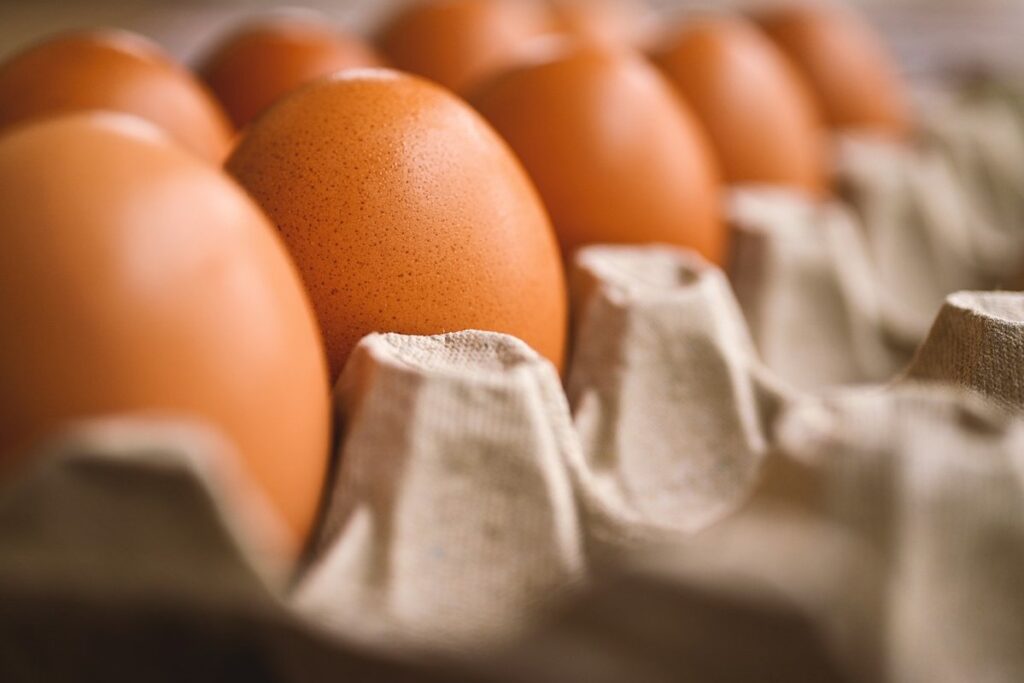
What are Saxony Duck Eggs?
Saxony duck eggs are a type of egg prized for their rich flavor and velvety texture, but what makes them truly unique is their unusual size. Let’s take a closer look!
Origins and History
Saxony duck eggs have a rich and fascinating history that spans centuries. Originating from the Saxony region of Germany, these eggs were highly prized for their unique characteristics and versatility. One of the earliest recorded mentions of Saxony duck eggs dates back to the 16th century, where they were considered a delicacy among European nobility.
In various cultures, Saxony duck eggs have been used in different ways. For example, in traditional German cuisine, they are often pickled or boiled and served as a side dish. In some parts of Eastern Europe, they are used to make a variety of dishes, including soups, stews, and even desserts.
The historical significance of Saxony duck eggs cannot be overstated. Not only were they a valuable source of protein for many communities, but they also played an important role in cultural and social traditions. Today, these eggs continue to be sought after by chefs, food enthusiasts, and collectors alike, who appreciate their unique flavor profile and rich history.
Some breeds of ducks are specifically raised to produce Saxony duck eggs, which have been bred over the centuries for their desirable traits. When selecting Saxony duck eggs, look for those from reputable breeders or farmers who adhere to traditional methods. This ensures that you get the highest-quality eggs with the best flavor and texture.
Characteristics and Unique Features
Saxony duck eggs are renowned for their distinctive characteristics and superior quality. One of the most notable features is their size – typically larger than regular chicken eggs, but smaller than Muscovy duck eggs. On average, a Saxony duck egg weighs around 2.5 ounces (70g) and measures approximately 1.75 inches (4.5 cm) in length.
The shell quality is another aspect that sets Saxony duck eggs apart from their counterparts. The shells are often thicker and more robust, making them more resistant to cracking during handling. The color of the shell can range from creamy whites to light browns, but it’s not uncommon to find eggs with subtle speckles or markings.
When it comes to storage, Saxony duck eggs require a slightly different approach due to their unique characteristics. To maintain their freshness and quality, store them pointed end down in the refrigerator at a consistent temperature below 40°F (4°C). This will help prevent moisture from seeping into the egg and causing spoilage. By following these guidelines, you can ensure your Saxony duck eggs remain fresh for an extended period.
Nutrition and Health Benefits
Saxony duck eggs offer a wealth of nutritional benefits, from high-quality protein to essential vitamins and minerals. Let’s dive into the details on how these unique eggs can boost your health.
Protein Content and Amino Acid Profile
Saxony duck eggs are an excellent source of protein, making them an ideal choice for health-conscious individuals and athletes alike. A single large Saxony duck egg contains approximately 6-7 grams of protein, which is significantly higher than the 5-6 grams found in a large chicken egg.
The amino acid profile of Saxony duck eggs is also noteworthy. They are an excellent source of essential amino acids (EAAs) such as leucine, isoleucine, and valine, which are crucial for muscle growth and repair. The eggs also contain branched-chain amino acids (BCAAs), including phenylalanine, tryptophan, and lysine.
The high protein content and balanced amino acid profile of Saxony duck eggs make them an excellent addition to a fitness enthusiast’s diet. They can be easily incorporated into omelets, frittatas, or as a topping for salads. For instance, try mixing scrambled eggs with spinach, mushrooms, and whole wheat toast for a nutritious breakfast that will keep you energized throughout the morning.
When cooking Saxony duck eggs, consider adding them to your stir-fry recipes or using them in place of chicken eggs in your favorite baked goods. This will not only boost the protein content but also add a unique flavor profile to your dishes.
Cholesterol and Fat Content
Saxony duck eggs are often misunderstood due to their rich nutrient profile, which includes high levels of cholesterol and fat. However, this is where the benefits truly lie. One large Saxony duck egg contains around 200 milligrams of cholesterol, whereas a similar-sized chicken egg contains about 180 milligrams. This difference may seem insignificant at first glance; however, it highlights that these eggs are more nutrient-dense than their chicken counterparts.
Research indicates that dietary cholesterol has little to no impact on blood lipid levels in most people. The real concern lies with saturated fats, which can contribute to increased levels of LDL (bad) cholesterol when consumed excessively. Fortunately, Saxony duck eggs contain a high proportion of unsaturated fats, which are beneficial for heart health and overall well-being.
When incorporating Saxony duck eggs into your diet, it’s essential to maintain balance. A moderate approach is key: eat them 2-3 times a week as part of a balanced meal, and remember that portion control applies here as with any food high in fat and cholesterol. Consider replacing butter or oil with the egg yolks for added nutrition and flavor in cooking.
Cooking and Preparation Methods
When it comes to cooking and preparing Saxony duck eggs, you’ll want to know the best methods to bring out their rich flavor and firm texture. We’ll cover common cooking techniques and prep tips in this section.
Boiling, Scrambling, and Poaching
When cooking Saxony duck eggs, mastering various preparation methods can elevate their rich flavor and texture. Boiling is a straightforward method for hard-boiling eggs, ideal for salads or as a snack. To do this, place the eggs in a single layer at the bottom of a saucepan, cover them with cold water, bring to a boil, then remove from heat and let sit for 12-15 minutes.
For scrambled eggs, gently crack the Saxony duck egg into a bowl and whisk it together with a fork until the whites and yolks are fully incorporated. Heat a non-stick pan over medium heat, add a small amount of oil or butter, and pour in the egg mixture. Stir constantly until the eggs are set.
Poaching is another popular method for cooking Saxony duck eggs. To poach an egg, fill a saucepan with water, bring to a simmer, then crack an egg into the water. Cook for 3-5 minutes, or until the whites are set and the yolks reach your desired doneness. Use a slotted spoon to remove the egg from the water.
When cooking Saxony duck eggs using any of these methods, remember that their larger size may require slightly longer cooking times than chicken eggs. Be patient, as it’s easier to overcook them than undercook.
Baking and Making Deviled Eggs
When it comes to cooking with Saxony duck eggs, incorporating them into dishes like deviled eggs and baked goods is a great way to showcase their unique flavor profile. One of the most popular ways to use Saxony duck eggs is by making deviled eggs. The rich, creamy yolk of these eggs pairs perfectly with the tangy flavors often found in deviled egg fillings.
For a simple recipe, hard-boil 4-6 Saxony duck eggs and slice them in half lengthwise. Scoop out the yolks and mix with mayonnaise, mustard, and chopped herbs like parsley or chives. Season to taste, then spoon the mixture back into the egg white halves. Garnish with additional chopped herbs for a visually appealing dish.
If you prefer to bake Saxony duck eggs, try incorporating them into muffin tin frittatas or quiches. These versatile dishes can be customized with various fillings like vegetables, cheese, and meats. To make a basic baked egg mixture, beat 2-3 eggs per serving along with some shredded cheese and diced herbs, then pour the mixture into greased muffin tins. Bake at 375°F (190°C) for about 15-20 minutes or until set.
When using Saxony duck eggs in baked goods, remember to adjust cooking times accordingly due to their larger size compared to chicken eggs. For example, a batch of quiche might take an additional 5-10 minutes to cook through.
Recipe Ideas and Inspiration
Now that you’re familiar with these remarkable eggs, let’s dive into some exciting recipe ideas to bring out their unique flavor and texture. We’ll share our favorite ways to use Saxony duck eggs in your kitchen!
Breakfast Dishes and Omelets
Start your day off right with a delicious breakfast dish made with Saxony duck eggs. These versatile eggs can be used to create mouth-watering frittatas and quiches that are perfect for brunch or a quick morning meal.
When making a frittata, crack 4-6 Saxony duck eggs into a bowl and whisk them together with some salt and pepper. Add in your choice of diced vegetables such as bell peppers, onions, and mushrooms, along with shredded cheese like cheddar or parmesan. Pour the egg mixture into a greased skillet and cook over medium heat until the edges start to set.
To make a quiche, preheat your oven to 375°F (190°C). Roll out a pie crust and place it in a tart pan. In a separate bowl, whisk together 4-6 Saxony duck eggs with heavy cream or milk, salt, and pepper. Add in diced ham or bacon and shredded cheese. Pour the egg mixture into the pie crust and bake for 35-40 minutes, or until the edges are golden brown.
These recipes showcase the rich, creamy flavor of Saxony duck eggs and are sure to become a staple in your kitchen.
Main Course and Side Dish Recipes
One of the most exciting aspects of cooking with Saxony duck eggs is experimenting with new main course and side dish recipes. These versatile eggs are a game-changer for pasta and rice bowl enthusiasts alike. To get you started, let’s dive into some mouth-watering ideas.
For a satisfying pasta main course, try whipping up a creamy Saxony duck egg carbonara: toss cooked spaghetti with sautéed mushrooms, crispy prosciutto, and a rich sauce made from the eggs’ yolks and grated Parmesan. This indulgent dish is sure to become a favorite. Another great option is a spicy Saxony duck egg stir-fry served over rice – simply scramble the eggs with your choice of vegetables (such as bell peppers, onions, and snow peas), then season with soy sauce, chili flakes, and serve over steaming hot basmati.
For side dishes, consider pairing your main course with a simple yet elegant Saxony duck egg salad: mix diced hard-boiled eggs with chopped herbs like parsley or chives, then top with a dollop of creme fraiche. Alternatively, try a more substantial roasted vegetable dish – such as Brussels sprouts tossed with olive oil, salt, and pepper – using the eggs to create a silky sauce by whisking them with water and pouring over the vegetables before serving.
Where to Buy and Storage Tips
Now that you’ve fallen in love with Saxony duck eggs, let’s talk about where to get your hands on them and how to store them safely at home.
Sources and Online Retailers
If you’re eager to get your hands on some delicious Saxony duck eggs but can’t find them at your local market, don’t worry – we’ve got you covered. There are several online retailers that carry high-quality Saxony duck eggs and ship them right to your doorstep.
Some popular online sources include Amazon, Walmart, and specialty food stores like ButcherBox and Crowd Cow. When shopping online, be sure to check the seller’s ratings and reviews to ensure you’re getting fresh, healthy eggs from reputable farms.
If you prefer to buy in-store, look for local farmers’ markets or health food stores that carry Saxony duck eggs. You can also try visiting specialty butcher shops or gourmet grocery stores, which may carry these eggs as part of their selection.
When purchasing Saxony duck eggs, make sure to check the packaging for any visible cracks or damage, and always store them in a cool, dry place to maintain their freshness.
Storage and Handling Guidelines
When storing and handling Saxony duck eggs, it’s essential to maintain their quality and freshness. To do this, you should store them in a cool, dry place away from direct sunlight. A temperature range of 40°F to 50°F (4°C to 10°C) is ideal for keeping the eggs fresh.
When storing the eggs, lay them pointed end down to prevent moisture from entering through the small opening at the large end. You can also store them in a carton or container specifically designed for egg storage. If you live in an area with high humidity, consider using a dehumidifier to maintain a stable environment.
To extend the shelf life of your Saxony duck eggs, use the “first-in, first-out” rule when storing them. This means that older eggs should be used before newer ones to prevent waste and ensure freshness. By following these simple guidelines, you can enjoy your Saxony duck eggs for several weeks without compromising their quality.
It’s also crucial to handle the eggs gently to avoid cracking or breaking. Always wash your hands before handling the eggs, and make sure your storage area is clean and sanitized.
Conclusion and Future Developments
As we conclude our comprehensive guide to Saxony duck eggs, let’s take a look at what the future holds for these unique and nutritious eggs. We’ll explore emerging trends and developments in the market.
Recap of Key Points
As we conclude our comprehensive overview of Saxony duck eggs, let’s recap the key points that make them stand out from other egg varieties. These unique birds are prized for their high-quality eggs, which boast a rich, buttery yolk and delicate white. The Saxony duck’s ability to thrive in diverse environments is another notable aspect, making them an excellent choice for small-scale farmers or backyard enthusiasts.
Some of the key takeaways include the importance of providing a balanced diet rich in protein and calcium to support strong eggshell production. Regular exercise and adequate space for foraging also contribute to the overall health and well-being of these birds. Additionally, Saxony duck eggs are known for their versatility in cooking, from poaching and boiling to baking and frying.
We’ve also explored the unique characteristics that make Saxony duck eggs a popular choice among chefs and home cooks alike, including their rich flavor profile and firm texture. Whether you’re looking to incorporate more sustainable practices into your daily life or simply seeking a new culinary adventure, Saxony duck eggs are an excellent choice.
Emerging Trends and Research
As we bring this comprehensive guide to a close, let’s take a look at some of the exciting emerging trends and research related to Saxony duck eggs. One area that’s gaining attention is their potential use as a sustainable alternative to chicken eggs. With growing concerns about environmental impact and animal welfare, many farmers are turning to ducks like Saxonys as a more eco-friendly option.
Research suggests that duck eggs can have lower carbon footprints than chicken eggs due to the unique way Saxony ducks forage for food in ponds and wetlands, reducing the need for fertilizers and pesticides. Additionally, some studies indicate that duck eggs may contain higher levels of omega-3 fatty acids and other nutrients compared to their chicken counterparts.
As a result, we can expect to see more producers experimenting with integrating Saxony ducks into their operations, incorporating them into rotational grazing practices, or using them as part of integrated pest management systems. For small-scale farmers or backyard enthusiasts looking to get in on the trend, now’s an excellent time to start exploring how these amazing birds can enhance your farm’s productivity and sustainability.
Frequently Asked Questions
Can I use Saxony duck eggs for baking, or are they best suited for cooking methods like boiling or poaching?
Yes! Saxony duck eggs can be used for a variety of recipes, including baked goods like cakes and quiches. Their rich flavor and moist texture make them an excellent choice for adding depth to sweet and savory dishes.
How do I store Saxony duck eggs properly to maintain their freshness and quality?
To keep your Saxony duck eggs fresh, store them in the refrigerator at a consistent temperature below 40°F (4°C). It’s essential to handle them gently to avoid cracking. You can also consider freezing them for up to 12 months.
What if I’m new to cooking with Saxony duck eggs and want some beginner-friendly recipe ideas?
Start by experimenting with simple recipes like omelets, scrambled eggs, or boiled eggs. These methods will help you get familiar with the texture and flavor of Saxony duck eggs. Gradually move on to more complex dishes once you gain confidence in your cooking skills.
Can I feed Saxony duck eggs to my children or pets?
While Saxony duck eggs are generally safe for human consumption, it’s essential to consult a healthcare professional before feeding them to infants, pregnant women, or individuals with specific dietary needs. As for pets, check with your veterinarian first to ensure these eggs won’t cause any adverse reactions.
How do the nutritional benefits of Saxony duck eggs compare to other egg sources?
Saxony duck eggs offer an impressive nutritional profile compared to chicken eggs. They have higher levels of protein, vitamin A, and iron, making them a great choice for health-conscious individuals looking to boost their nutrition.