
If you’re like many backyard chicken keepers, you’re always on the lookout for ways to save money on feed while keeping your flock happy and healthy. A scavenging diet can be just the thing – not only does it reduce your reliance on commercial feeds, but it also gives your chickens the freedom to forage and hunt naturally. By incorporating a scavenging diet into their routine, you can boost their immune systems, reduce stress, and promote natural behavior that’s essential to their well-being. But where do you start? In this article, we’ll explore the ins and outs of implementing a scavenging diet for your chickens, including how to set up a safe foraging area, what types of foods are suitable, and tips for minimizing waste and maximizing benefits – all while reducing your feed costs and promoting optimal health.
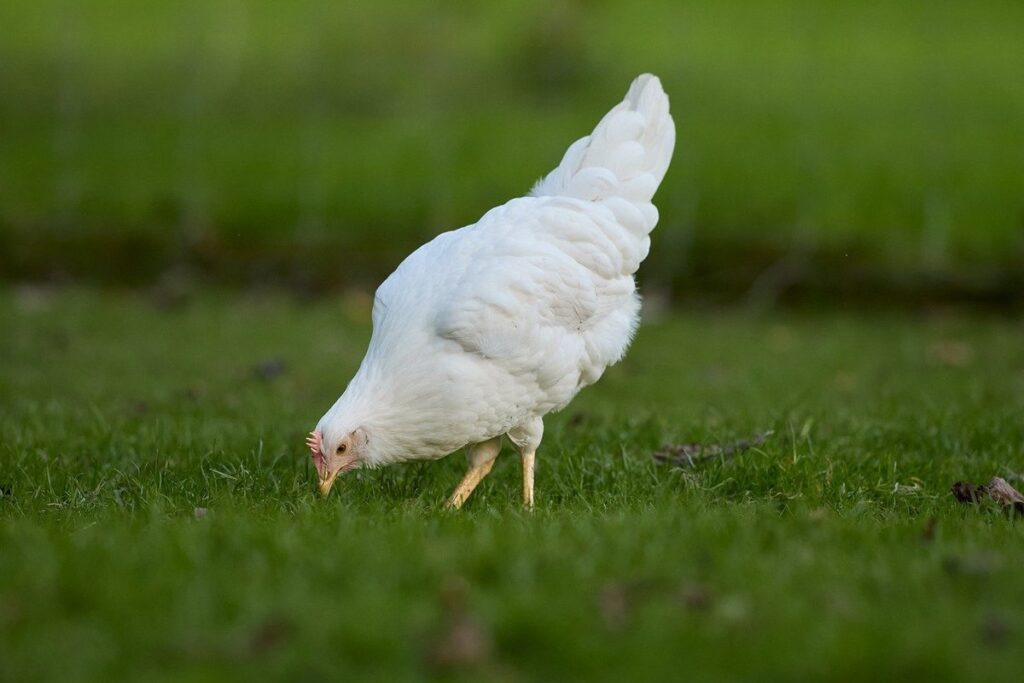
Understanding the Importance of a Scavenging Diet
A scavenging diet is essential for your chickens’ overall health, and understanding its importance will help you make informed decisions about their nutrition. Let’s break down why this type of diet matters.
Benefits of Scavenging
When it comes to maintaining a healthy flock, incorporating scavenging into their diet can have a multitude of benefits. By allowing your chickens to forage and search for food on their own, you’re not only reducing the cost of commercial feed but also promoting overall well-being.
Scavenging helps to reduce stress in chickens by giving them mental stimulation and exercise. Instead of being cooped up indoors all day, they get to explore their surroundings, scratch at the ground, and engage in natural behavior like pecking and searching for seeds. This physical activity also helps to keep their beaks and teeth strong and healthy – a key aspect of overall health.
In fact, chickens who are allowed to scavenge regularly tend to develop more robust beaks that are better equipped to handle the rigors of scratching and foraging. By doing so, you’ll notice your flock’s overall health improve as they become more resilient and capable of defending themselves against predators.
By incorporating scavenging into their diet, you’re giving your chickens a chance to thrive on every level – physically, mentally, and emotionally. It’s a win-win situation that will have your flock living longer, healthier lives while also saving you money on feed costs.
Preparing Chickens for Scavenging
When introducing scavenging to your chickens, it’s essential to start at a young age. Chickens as young as 6-8 weeks old can begin exploring their surroundings and learning what to forage for. This early introduction helps them develop the skills they’ll need to thrive on a scavenging diet later in life.
To ensure a balanced diet, provide your chickens with a mix of grains, fruits, vegetables, and insects. A good rule of thumb is to allocate 50-60% of their diet to foraging, while supplementing with commercial feed as needed. Consider the individual needs of each chicken, too – some may require more protein or calcium than others, depending on breed, age, and health.
For example, if you have a flock of laying hens, they’ll need more calcium to support eggshell production. On the other hand, chickens with certain health conditions may require more protein-rich foods. By paying attention to these needs and providing a balanced mix of foraged and supplemented feed, you can ensure your flock stays healthy and happy on their scavenging diet.
Best Food Sources for a Scavenging Diet
When it comes to creating a scavenging diet for your chickens, knowing where to find nutritious food sources is crucial. Here are some of the best places to look around your backyard and farm.
Foraging for Insects and Worms
Foraging for insects and worms is an essential aspect of a scavenging diet for chickens. Not only do these protein-rich foods provide vital nutrients, but they also stimulate the chicken’s natural hunting instinct. To encourage your flock to forage for insects and worms, create an environment that fosters their presence.
Start by eliminating any chemicals or pesticides from your yard, as these can harm both humans and animals. Instead, adopt organic gardening practices and incorporate plants that attract beneficial insects, such as marigolds, nasturtiums, and dill. Leave some areas of your lawn unmanicured, with long grasses and weeds, which provide shelter for worms.
Tips for creating an insect-friendly environment include:
• Avoid using broad-spectrum pesticides or herbicides
• Incorporate compost piles, which attract earthworms and other beneficial insects
• Provide rocks and logs as hiding spots for insects to take refuge in
• Create a mud puddle area, where chickens can engage in dust bathing and also find insects
By creating an environment that supports the presence of insects and worms, you’ll encourage your flock to forage naturally, reducing their reliance on commercial feed.
Fruit and Vegetable Scraps
Chickens love to snack on fruits and vegetables, and incorporating scraps into their diet can be a great way to provide them with essential nutrients while reducing feed costs. When it comes to safe options, it’s essential to focus on non-acidic produce that won’t upset their digestive system.
Some of the best fruit and vegetable scraps for chickens include:
* Carrot tops
* Celery leaves
* Apple cores (minus seeds and pits)
* Banana peels
* Leafy greens like kale, spinach, and collard greens
To incorporate these into your chicken’s diet, try mixing them with their regular feed or using them as treats. For example, you can blend cooked carrots with apple puree and serve it as a nutritious treat.
Some creative ways to use fruit and vegetable scraps include making a “chicken soup” by simmering carrots, celery, and other scraps in water, then serving the broth as a hydrating treat. You can also dry or freeze excess produce for later use. Just be sure to remove any seeds, pits, or stems that might cause harm.
Safety Precautions for Scavenging
When scavenging for your chickens, it’s essential to take certain precautions to avoid potential hazards and ensure a safe and healthy environment for them. This section highlights critical safety measures to keep in mind.
Toxic Plants and Foods to Avoid
When it comes to scavenging for your chickens, there’s more to consider than just what’s edible. While exploring new foods can be exciting, introducing toxic plants and foods can be disastrous. That’s why it’s essential to research thoroughly before offering anything new.
Some common plants that are toxic to chickens include rhododendron, azalea, and castor bean. Even small amounts of these plants can cause vomiting, diarrhea, and lethargy in your flock. Others like onion, garlic, and chives belong to the Allium family, which contain compounds that can damage a chicken’s red blood cells.
Onions and their relatives are particularly problematic because they’re often used as flavorings or additives in various human foods. However, even small amounts of cooked or raw onions can be toxic to chickens. Corn on the cob is also a common offender, especially if it’s moldy or rotting.
When introducing new foods, it’s not just about avoiding toxic plants – you should also be aware of spoiled or contaminated food. Moldy grains, fermented fruits, and rotten vegetables can cause serious health issues in your flock. Always inspect potential forage carefully before offering it to your chickens.
Food Preparation and Handling
When it comes to scavenging diet for chickens, food preparation and handling are crucial steps that can’t be overlooked. Proper handling of food can prevent contamination, disease, and even death among your flock. To ensure you’re providing the best possible nutrition for your chickens, follow these guidelines.
Always wash your hands before and after handling food, and make sure any utensils or equipment used in preparation are clean and sanitized. Store scavenged foods in airtight containers to prevent pests and contamination. Cook meats thoroughly to an internal temperature of at least 165°F (74°C) to kill bacteria like Salmonella and E. coli.
When introducing new food sources, observe your chickens’ behavior and adjust their diet accordingly. For example, if you’re adding a new batch of insects, start with small amounts to prevent digestive issues. Be mindful of moldy or spoiled foods, as they can be toxic to chickens. Keep raw meat, fruits, and vegetables separate from each other and from processed foods to prevent cross-contamination.
Regularly inspect your flock’s droppings for signs of disease or nutritional deficiencies, adjusting their diet accordingly. With proper food preparation and handling, you’ll not only reduce the risk of contamination but also provide a balanced and nutritious scavenging diet that will boost their overall health and well-being.
Tips for Implementing a Scavenging Diet in Your Flock
When implementing a scavenging diet, it’s essential to consider factors such as fencing, predator protection, and providing adequate space for your flock to forage freely. Effective planning will ensure a successful transition.
Gradual Introduction to Scavenging
When introducing scavenging to your flock for the first time, it’s essential to do so gradually. This will help their digestive systems adjust to new foods and minimize the risk of illness. Start by offering small amounts of fresh fruits or vegetables alongside their regular feed. For example, you can mix in a handful of leafy greens like kale or spinach into their main meal.
As they become accustomed to these new foods, you can gradually increase the quantity and variety. Try introducing different types of produce, such as carrots, berries, or squash, on alternate days. This will not only broaden their nutritional intake but also encourage foraging behavior. Be cautious when introducing new foods, especially if your chickens are already eating a commercial layer feed. Some scavenged items can be high in fiber and may cause digestive upset if consumed in excess.
Monitor your flock’s response closely, adjusting the amount and type of food accordingly.
Monitoring Health and Adjusting as Needed
Monitoring chicken health is crucial when transitioning to a scavenging diet. Keep a close eye on their behavior, appetite, and overall well-being. Look for signs of nutrient deficiencies, such as pale combs, lethargy, or poor feather condition. If you notice any adverse effects, it may be necessary to supplement their diet with additional nutrients.
Regularly inspect the flock’s living environment to ensure they have access to a balanced mix of insects, plants, and other forage. A diverse scavenging area can provide essential nutrients and minerals. For example, bugs like crickets and mealworms are rich in protein, while leafy greens offer vital vitamins and fiber.
Be prepared to make adjustments as needed based on seasonal changes or variations in the flock’s health. You may need to tweak their diet by introducing new food sources or limiting access to certain items. This flexibility is key to a successful scavenging diet. Keep detailed records of your flock’s progress, including dietary changes and any related outcomes, to refine your approach over time.
Creating an Environment That Encourages Scavenging
To create a thriving scavenging environment, you’ll want to consider factors such as enclosure size, layout, and access to natural foraging areas. This will get your flock off to a great start.
Enrichment Activities and Toys
When it comes to creating an environment that encourages scavenging, enrichment activities and toys are essential. These play a crucial role in keeping your chickens stimulated, engaged, and motivated to forage for food. Here are some ideas to get you started:
Offer a variety of toys that mimic natural foraging behaviors, such as scratching posts or shallow containers filled with treats like mealworms or sunflower seeds. You can also try hiding treats around the coop or run to encourage your chickens to search and problem-solve.
Consider adding puzzle feeders that require your chickens to work for their food. These not only challenge them mentally but also provide a fun way to slow down eating, reducing waste and competition at feeding time.
Some popular enrichment activities include providing rocks or logs for scratching, creating a dust bath area with wood ash or diatomaceous earth, and even planting a small herb garden that your chickens can explore and snack on.
Access to Outdoor Areas
Providing access to outdoor areas is one of the most effective ways to boost your chickens’ scavenging diet and overall health. Chickens are naturally foraging birds, designed to search for food on their own. By giving them a safe and healthy environment to do so, you’re providing them with essential nutrients, mental stimulation, and exercise.
When creating an outdoor area for your chickens, ensure it’s free from predators, toxic plants, and standing water. A well-draining surface like gravel or sand is ideal, as it allows for easy cleaning and prevents mud buildup. Also, consider adding a roof or canopy to protect them from the elements, such as rain and direct sunlight.
To encourage foraging behavior, scatter food items like fruits, vegetables, and grains throughout the outdoor area. This will help your chickens develop their natural foraging instincts and reduce reliance on commercial feed. By allowing your flock to roam freely and scavenge for food, you’ll be amazed at how much healthier and happier they become!
Troubleshooting Common Issues with Scavenging Diets
As you start implementing a scavenging diet for your flock, you may encounter some unexpected issues that can throw off their feeding routine and overall health. This section will help you identify common problems and find practical solutions to get back on track.
Managing Pests and Predators
When it comes to implementing a scavenging diet for your chickens, there are several common issues that can arise. One of the most significant concerns is attracting pests and predators to your backyard flock. Rodents, raccoons, and hawks are just a few examples of unwanted visitors that may be drawn to chicken feed or scavenged food.
To manage these pests and predators, it’s essential to take proactive measures. Start by securing your coop and run with sturdy fencing that extends at least 3 feet underground to prevent burrowing animals from getting underneath. Also, remove any debris or hiding spots around the perimeter of your property. Consider using repellents such as predator urine or hot pepper spray to deter unwanted visitors.
Another crucial step is to manage food waste effectively. Store feed and scraps in rodent-proof containers, and consider implementing a first-in-first-out system to avoid over-accumulation. Regularly inspect your coop and surrounding areas for signs of pest activity, and address any issues promptly.
Addressing Health Concerns
Addressing health concerns is an essential aspect of implementing a scavenging diet for your chickens. Even with careful planning and management, issues can arise. When you notice changes in your flock’s behavior, appetite, or overall well-being, it’s crucial to address these concerns promptly.
Some common health concerns related to scavenging diets include gastrointestinal problems, parasites, and nutritional deficiencies. To identify potential issues early on, keep a close eye on your birds’ droppings, feathers, and overall appearance. Changes in color, consistency, or frequency of droppings can signal underlying health issues.
If you suspect that your flock is experiencing health problems related to their scavenging diet, consult with a veterinarian specializing in poultry care. They will help you identify the root cause and recommend suitable treatments or adjustments to the diet. In some cases, your vet may suggest specific supplements or medications to address nutritional deficiencies or parasites.
When working with a veterinarian, be prepared to provide detailed information about your flock’s diet, living conditions, and any observed health changes. This collaborative approach will enable you to develop a tailored plan to ensure the continued health and well-being of your birds.
To minimize the risk of health issues related to scavenging diets, focus on providing a balanced and varied diet that includes fresh fruits and vegetables. Also, ensure access to clean water at all times, maintain a clean living environment, and implement regular parasite control measures.
Frequently Asked Questions
Can I introduce a scavenging diet to my flock if they’re already eating commercial feed?
Yes, it’s possible to transition your chickens from commercial feed to a scavenging diet, but it’s essential to do so gradually to prevent digestive upset. Start by offering fresh fruits and vegetables as treats, then gradually replace commercial feed with more foraging opportunities.
How can I ensure my flock is getting enough nutrients on a scavenging diet?
To guarantee your chickens receive adequate nutrition, provide a balanced mix of food sources, including leafy greens, protein-rich foods like mealworms, and fresh fruits. Consider consulting with a poultry expert or conducting a soil test to determine the nutritional value of your foraging area.
What if my backyard doesn’t have a large open space for chickens to forage?
You can still create a scavenging-friendly environment even in small spaces. Consider installing a chicken coop with attached runs or using vertical gardening techniques to grow fruits and vegetables near their living areas. This will provide them with easy access to foraging opportunities.
Are there any specific health concerns I should watch out for when implementing a scavenging diet?
Yes, be aware of potential health issues related to scavenging, such as parasite infestations or vitamin deficiencies. Regularly monitor your flock’s health and adjust their diet accordingly. Keep an eye out for signs of illness, like lethargy or diarrhea, and seek veterinary advice if necessary.
Can I use a combination of commercial feed and a scavenging diet?
Yes, incorporating both commercial feed and a scavenging diet can be beneficial for your flock’s health and well-being. This approach is often referred to as a “hybrid” feeding system. By combining the two methods, you can provide your chickens with a balanced nutrition while also encouraging natural behavior and reducing reliance on commercial feeds.