
When it comes to feeding your furry friends, there are numerous options available in the market. Two popular choices that often leave pet owners puzzled are scratch feed and pellets. Both have their own set of benefits and drawbacks, making it essential for you to understand what each offers. By choosing between scratch feed and pellets, you’re not just deciding on a food type – you’re making a decision about your pet’s overall health and well-being. In this article, we’ll delve into the nutritional benefits and limitations of both options. We’ll explore how they compare in terms of convenience, cost, and impact on your pet’s lifestyle. By the end of this post, you’ll be equipped to make an informed decision that suits your furry friend’s needs and your family’s lifestyle.
Understanding the Basics
Let’s start from the beginning and explore what scratch feed and pellets are, including their composition and nutritional value for your furry friend.
What is a Scratch Feed?
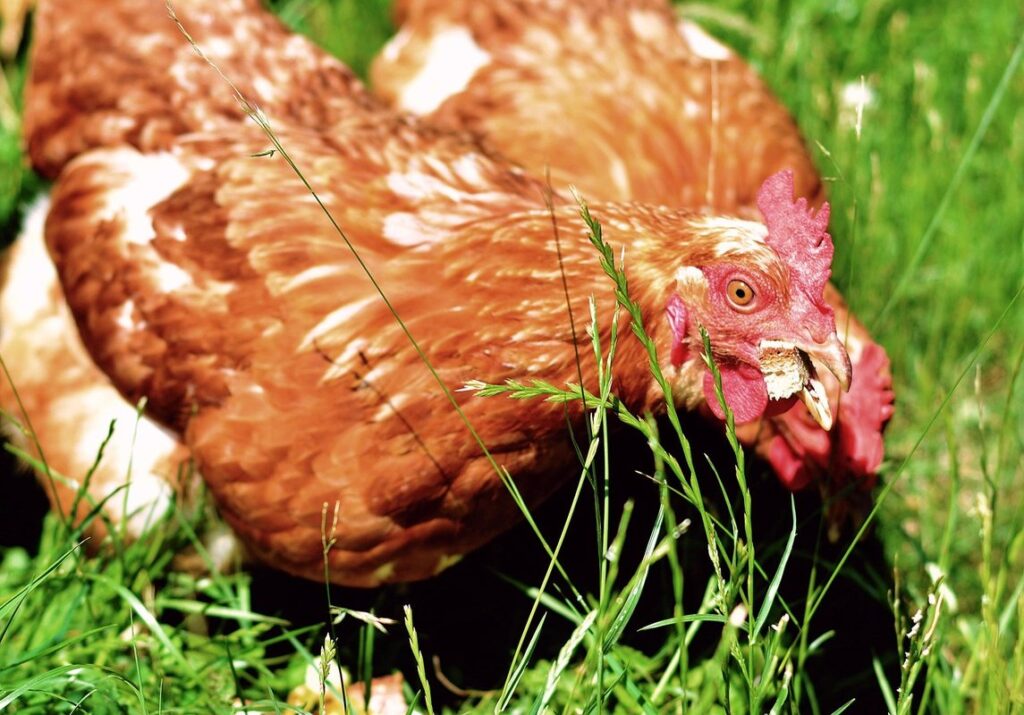
A scratch feed is essentially a mixture of various ingredients, including grains, proteins, and fruits or vegetables, that’s designed to replicate the natural diet of a specific animal. The concept of scratch feeding originated from backyard chicken enthusiasts who wanted to provide their birds with a more varied and nutritious diet than what was available in commercial pellets.
Scratch feeds have traditionally been used by breeders as a way to meet the unique nutritional needs of their animals, particularly those that require a balanced mix of protein, fiber, and vitamins. By mixing together different ingredients, breeders can create a customized feed that addresses specific health concerns or optimizes growth rates. For pet owners who are interested in scratch feeding at home, it’s essential to start with a good understanding of the nutritional requirements of their animals. This might involve working with a veterinarian or animal nutritionist to develop a tailored diet plan that meets your pet’s individual needs. By doing so, you can provide your pets with a more natural and healthy alternative to commercial pellets.
What are Pellets?
Pellets are a type of dry dog food that has gained popularity in recent years due to their convenience and nutritional benefits. But what exactly are pellets? Simply put, pellets are compressed forms of dry dog food that are made by combining ingredients such as meat, grains, and vegetables into a single mass.
The history of pellets dates back to the 1960s when they were first introduced as a way to make dry dog food more efficient and cost-effective. Over time, the technology behind pellet production has improved significantly, allowing manufacturers to create high-quality pellets that are both nutritious and palatable for dogs.
One of the main benefits of pellets is their convenience. They’re easy to store, transport, and serve, making them a popular choice among pet owners who want a hassle-free feeding experience. Additionally, pellets can help reduce waste by minimizing spills and messes during mealtime.
However, some pet owners may be concerned about the potential drawbacks of pellets. For example, some dogs may not adjust well to the compressed texture or flavor profile of pellets, which can lead to digestive issues or finicky eating habits.
Nutritional Comparison
Now that we’ve covered the benefits and drawbacks of scratch feed and pellets, let’s dive into a nutritional comparison to help you make an informed decision. We’ll break down the key differences in macronutrients and micronutrients between these two feeding options.
Macronutrient Breakdown
When it comes to the macronutrient profile of scratch feed and pellets, there are some notable differences that can impact your pet’s nutritional needs. Scratch feed typically contains a higher proportion of protein compared to fat, whereas pellets often have a more balanced ratio between the two.
Protein content is a crucial aspect to consider when choosing between scratch feed and pellets. Cats require a diet rich in protein from animal sources, such as chicken or salmon, to maintain their muscle mass and overall health. A study published by the American Animal Hospital Association found that cats fed with diets containing 35-40% protein had improved kidney function compared to those on lower-protein diets.
In contrast, many commercial pellets contain fillers like corn or wheat, which provide little nutritional value for your cat. These fillers can lead to weight gain and may cause digestive issues in some pets. On the other hand, scratch feed allows you to control the ingredients and ensure that your cat is receiving a balanced diet rich in protein from high-quality sources.
When selecting a scratch feed or choosing between different pellet options, be sure to check the ingredient list for the following:
* High-quality protein sources like chicken, salmon, or beef
* Moderate levels of fat (around 20-25% of daily calories)
* Limited or no fillers like corn or wheat
* A balanced carbohydrate content (less than 10% of daily calories)
Micronutrients and Vitamins
When it comes to essential micronutrients like vitamins and minerals, scratch feed and pellets have their differences. Vitamins A, D, E, and K are crucial for maintaining healthy skin, vision, and immune function in pets.
Scratch feed typically contains higher amounts of these fat-soluble vitamins due to the inclusion of meaty ingredients, such as organs and bones. For instance, a study published in the Journal of Animal Science found that scratch-fed dogs had significantly higher levels of vitamin A compared to pellet-fed dogs.
On the other hand, pellets often contain synthetic versions of these vitamins, which may not be as easily absorbed by pets. However, some high-end pellet brands have made efforts to include natural sources of these vitamins, such as fish oil and sweet potatoes.
Calcium and phosphorus are also important minerals found in both scratch feed and pellets. A balanced ratio between these two elements is necessary for maintaining strong bones and teeth. Generally, scratch feed tends to be higher in calcium, while pellets may have a more uniform calcium-to-phosphorus ratio due to their standardized manufacturing process.
When choosing between scratch feed and pellets, consider consulting with your veterinarian to determine the optimal nutrient profile for your pet’s specific needs.
Benefits and Drawbacks
Now that we’ve weighed the pros of scratch feed, it’s time to consider its downsides, as well as those associated with pellets. Let’s dive into the potential drawbacks together.
Pros of Scratch Feed
Feeding your pet a scratch feed diet can have numerous benefits, particularly when it comes to their digestive health. By allowing your pet to forage and eat like they would in the wild, you’re giving them the opportunity to self-regulate their food intake and make healthier choices. This can lead to improved digestion, reduced bloating, and a lower risk of developing gastrointestinal issues.
In addition to these physical benefits, scratch feed diets have also been shown to reduce allergies and sensitivities in pets. By exposing your pet to a variety of fresh foods and ingredients, you’re helping to build up their tolerance and immune system. This can be particularly beneficial for pets that suffer from skin problems or chronic itching.
One of the key advantages of scratch feed is its ability to mimic a natural diet. In the wild, animals don’t eat a single, processed food; instead, they forage and scavenge for a variety of fresh foods. By replicating this process in your home, you’re providing your pet with a more balanced and nutritious diet that’s tailored to their individual needs.
Cons of Scratch Feed
While scratch feed offers numerous benefits, there are some potential drawbacks to consider. One of the main concerns is cost – scratch feeding can be more expensive than using pellets, especially if you’re planning to feed a large dog or multiple pets at once. This may not be a significant issue for pet owners who prioritize their furry friends’ health and are willing to invest in high-quality ingredients. However, it’s essential to weigh the costs against the benefits and consider your budget before making a decision.
Another potential drawback of scratch feeding is the risk of over-supplementation. When you’re mixing your own feed, it’s easy to add too much of a particular nutrient or ingredient, which can be detrimental to your pet’s health. This highlights the importance of proper research and measurement when preparing your pet’s meals. It’s crucial to follow a well-balanced recipe and consult with a veterinarian or canine nutritionist to ensure you’re providing the optimal blend of nutrients for your pet.
To avoid over-supplementation, it’s vital to follow a tried-and-tested recipe and stick to it. You can also consider consulting with a professional to create a custom meal plan tailored to your pet’s specific needs and preferences.
Advantages of Pellets
Using pellets as a pet food option offers numerous advantages that make it an attractive choice for many pet owners. For one, pellets are incredibly convenient to use. Simply scoop the recommended amount into your pet’s bowl and serve. No measuring or sorting through grains is required, making mealtime a breeze.
Another significant benefit of pellets is their controlled nutrient profiles. Unlike scratch feed, which can be inconsistent in its nutritional content, pellets are formulated to meet specific dietary needs. This ensures that your pet is getting the right balance of vitamins, minerals, and macronutrients with every bite. Many pellet manufacturers also offer specialized formulas for different life stages (e.g., puppy, adult, senior) or dietary requirements (e.g., grain-free, high-protein).
This controlled nutrient profile is particularly important for pets with specific needs or health conditions. For example, a cat with kidney disease may require a diet low in phosphorus. A pellet specifically formulated for this condition can provide the necessary nutrients while minimizing those that exacerbate the issue.
By choosing pellets, you can be confident that your pet is receiving a consistent and balanced diet every day.
Practical Considerations
Now that we’ve explored the benefits and drawbacks of scratch feed, let’s talk about what you need to consider when switching your pet to a pellet-based diet. We’ll cover some practical considerations to keep in mind.
Feeding Your Pet at Home
Transitioning to a scratch feed or pellet diet at home requires careful planning and attention to detail. When switching from commercial pellets, introduce your pet to the new food gradually to prevent digestive upset. Start by mixing a small amount of scratch feed or pellets with their current diet and gradually increase the proportion over 7-10 days.
Monitor your pet’s stool quality, energy levels, and overall health during this transition period. If you notice any signs of digestive issues, such as diarrhea or vomiting, slow down the introduction process or seek veterinary advice. A common mistake is to switch completely to scratch feed overnight, which can cause a significant shift in nutrient intake.
To ensure a smooth transition, keep an emergency food stash on hand and be prepared for your pet’s unique needs. For example, some pets may require additional supplements or probiotics during the transition period. Be patient and observe your pet’s response to the new diet before making any adjustments. With careful planning and attention to detail, you can successfully transition your pet to a scratch feed or pellet diet at home.
Choosing Between Scratch Feed and Pellets
When deciding between scratch feed and pellets for your pet, consider factors like lifestyle, budget, and individual needs. Start by evaluating your daily routine: if you’re away from home for extended periods or have a busy schedule, pellets might be more convenient as they can be fed at set times without the need for daily meal preparation.
On the other hand, scratch feed is ideal for pet owners who enjoy preparing meals for their pets and can commit to regular feeding sessions. Assess your budget: high-quality scratch feed can be expensive, while premium pellets may also come with a higher price tag.
Consider your pet’s specific needs as well – for example, if they have food allergies or sensitivities, you may need to choose a specific type of feed that accommodates these requirements. Ultimately, weigh the pros and cons of each option based on your lifestyle and budget before making an informed decision about what works best for your pet.
Health Considerations
When it comes to choosing between scratch feed and pellets, understanding the potential health implications is crucial for your furry friend’s well-being. This section will explore key considerations to keep in mind.
Potential Risks Associated with Scratch Feed
When using scratch feed as an alternative to pellets, pet owners should be aware of several potential health risks associated with this feeding method. One major concern is contamination. Scratch feed often comes in bulk and can be more susceptible to spoilage or contamination from external sources such as pests, mold, or bacteria. If not handled properly, this can lead to the presence of harmful pathogens in the feed.
Another risk is an imbalanced nutrient profile. Unlike pellets, which are formulated to provide a complete and balanced diet for pets, scratch feed can be more difficult to balance. Pets may develop nutrient deficiencies if their owners fail to ensure that they receive all necessary nutrients through other means such as supplements or table scraps. This is particularly concerning for pets with specific dietary needs or restrictions.
To mitigate these risks, it’s essential to source high-quality scratch feed from reputable suppliers and follow proper storage and handling procedures to minimize the risk of contamination.
The Role of Pellets in Pet Nutrition
Pellets can play a crucial role in preventing certain nutritional deficiencies and promoting overall health in pets. One of the primary benefits of pellets is their ability to provide a balanced and complete diet. Unlike scratch feed, which can be prone to contamination and spoilage, pellets are processed in a controlled environment to ensure consistency and quality.
This consistency helps to minimize the risk of nutritional deficiencies, such as those caused by vitamin or mineral imbalances. For example, a well-formulated pellet can help prevent conditions like osteodystrophy, which is often linked to inadequate calcium and phosphorus intake. Additionally, pellets can be specifically designed to meet the unique needs of different life stages and breeds, providing pets with the essential nutrients they require for optimal health.
When selecting a pellet for your pet, look for one that meets the standards set by organizations like the Association of American Feed Control Officials (AAFCO) or the National Research Council (NRC). These organizations provide guidelines for nutritional adequacy, ensuring that pellets meet the minimum requirements for essential nutrients.
Frequently Asked Questions
Can I mix scratch feed with pellets, or should I choose one over the other?
Mixing scratch feed with pellets can be a good option for pet owners who want to provide their pets with variety and flexibility in their diet. However, it’s essential to ensure that both the scratch feed and pellet are nutritionally balanced and complementary. Start by consulting with your veterinarian to determine the best combination for your pet’s specific needs.
How do I store scratch feed safely to maintain its nutritional value?
Proper storage is crucial to maintaining the nutritional value of scratch feed. Store it in a cool, dry place away from direct sunlight and moisture. Consider using airtight containers or bins with secure lids to keep pests out. Also, always follow the manufacturer’s instructions for storing specific ingredients.
What if I’m new to scratch feeding and don’t know where to start?
Starting scratch feeding can be overwhelming, but it doesn’t have to be. Begin by researching different recipes and consulting with your veterinarian or a qualified animal nutritionist. Consider starting small, with just one or two animals, to gain experience and confidence before scaling up.
Can I feed my pet scratch feed if they’re prone to food allergies?
While scratch feeding offers many benefits, it’s not suitable for pets with severe food allergies. If your pet has allergies, consult with your veterinarian to determine the best course of action. They may recommend a specific recipe or ingredient that can help alleviate symptoms.
How often should I rotate my pet’s diet between scratch feed and pellets?
Rotating your pet’s diet can be beneficial for their nutritional health. Consider alternating between scratch feed and pellets every 2-3 weeks to provide variety and prevent boredom. However, this will depend on your pet’s individual needs and the specific recipes you’re using. Always consult with your veterinarian before making significant changes to your pet’s diet.