
As a chicken owner, you know how crucial nutrition is to your flock’s health and happiness. But have you ever wondered about the best way to feed them? Specifically, should you opt for scratch grains or layer feed? While both types of feed have their benefits and drawbacks, it can be overwhelming to navigate the pros and cons. In this article, we’ll break down the key differences between scratch and layer feeds, exploring their nutritional content, health benefits, and cost considerations. We’ll also provide guidance on how to choose the best feed for your flock based on their individual needs. Whether you’re a seasoned chicken owner or just starting out, this article will help you make an informed decision about what’s best for your chickens. Let’s dive into the details!
Understanding the Basics
Let’s get started by understanding the fundamental differences between scratch and layer feed, which will help you make an informed decision for your flock.
What are Scratches and Layer Feeds?
When it comes to feeding your chickens, you’ll often come across two types of feed: scratches and layer feeds. Understanding what these feeds are made of and their purposes is crucial for providing your flock with a balanced diet.
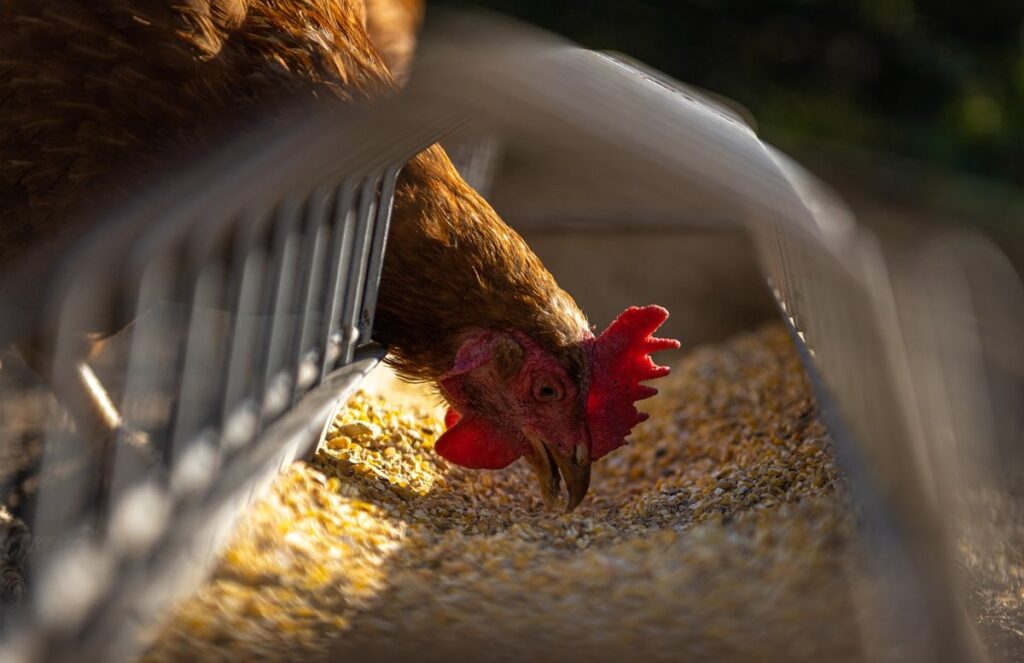
Scratch grains, also known as scratch mixes or free-choice grains, are a combination of various grains such as oats, barley, wheat, and corn. These ingredients provide energy, fiber, and essential nutrients like vitamins and minerals. The primary purpose of scratch feed is to supplement your chickens’ main diet, offering a treat or snack that’s high in calories and carbohydrates. You can offer scratch grains as a topping for their regular layer feed or as a separate feeding option.
Layer feeds, on the other hand, are specifically formulated to meet the nutritional needs of laying hens. These feeds contain a balanced mix of ingredients like protein sources (e.g., soybean meal), calcium supplements, and vitamins that support egg production, bone growth, and overall health. Layer feed is designed to be fed as the primary source of nutrition for your chickens, with scratch grains served as an additional treat or supplement.
When choosing between scratch and layer feeds, consider your flock’s age, breed, and purpose (e.g., egg production). Always follow the manufacturer’s guidelines for feeding amounts and ratios.
Types of Scratches and Layer Feeds
When it comes to providing your chickens with the right feed, you’ll encounter various types of scratches and layer feeds on the market. Let’s break down some common options.
Scratches can be broadly classified into two categories: organic and non-GMO. Organic scratches are made from natural ingredients without pesticides or synthetic fertilizers. These are a popular choice for backyard chicken keepers who prioritize their flock’s health and well-being. Non-GMO scratches, on the other hand, exclude genetically modified organisms but may still contain additives.
Medicated scratches, often used in commercial settings, contain antibiotics to control disease. However, many experts caution against these due to antibiotic resistance concerns. Layer feeds are another essential category, providing hens with the necessary nutrients for egg production. These come in various forms, including medicated and non-medicated options. Some layer feeds also include supplements like omega-3 fatty acids or probiotics.
When selecting a scratch or layer feed, consider your flock’s specific needs. If you’re raising heritage breeds or have concerns about additives, opt for an organic or non-GMO option. Always follow the manufacturer’s instructions and ensure your chickens’ access to fresh water.
Benefits of Scratch vs Layer Feed for Chickens
When it comes to feeding your chickens, you’re likely wondering which type of feed is best: scratch grains or layer feed. Let’s weigh the benefits of each option.
Health Benefits of Scratches
Providing essential nutrients and promoting healthy digestion are just two of the many benefits of incorporating scratches into your chickens’ diet. When chickens scratch in the ground, they uncover a treasure trove of beneficial insects, worms, and other microorganisms that are rich in protein and fiber.
These underground treats are like nature’s fertilizer for your chickens. As they dig and peck at the soil, they ingest these nutrient-dense morsels, which help to supplement their diet. The insects and worms, in particular, are high in calcium, which is essential for strong eggshell production and overall skeletal health.
In addition to providing a much-needed boost of nutrients, scratching also promotes healthy digestion in chickens. The physical act of digging and pecking helps to stimulate the gut and promote regular bowel movements. This, in turn, can help reduce the risk of digestive problems such as constipation and coccidiosis.
To make the most of scratches for your flock, be sure to provide them with a mix of coarse and fine-grained soils that will allow them to dig and scratch comfortably. You can also supplement their diet with fresh vegetables and fruits to ensure they’re getting all the nutrients they need. By doing so, you’ll not only be improving their overall health but also reducing your reliance on commercial layer feed.
Nutritional Comparison between Scratches and Layer Feeds
When it comes to nutritional content, scratches and layer feeds have distinct differences that can impact the health of your chickens. Let’s dive into a comparison of these two types of feed.
Scratch grains, such as oats, barley, and wheat, are high in carbohydrates but relatively low in protein (around 10-12%). While they provide essential energy for your chickens, they may not be sufficient as a standalone source of protein. On the other hand, layer feeds are formulated to meet the nutritional needs of laying hens, with higher levels of calcium (around 3.5%) and phosphorus (around 1.2%).
Other key nutrients, such as vitamin D3 and omega-3 fatty acids, may also be present in different concentrations depending on the type of feed. For example, layer feeds often contain added vitamins and minerals specifically designed to promote strong eggshell production. If you’re considering supplementing your chickens’ diet with scratch grains, it’s essential to balance their intake with a more comprehensive feed or consider adding protein-rich ingredients like mealworms or sunflower seeds. By understanding the nutritional differences between scratches and layer feeds, you can make informed decisions about what works best for your flock.
Considerations when Choosing Between Scratch and Layer Feed
When deciding between scratch and layer feed for your chickens, there are several key factors to consider that will impact their health and happiness. Let’s weigh the pros and cons of each option together.
Factors to Consider: Age, Breed, and Climate
When it comes to deciding between scratch and layer feed for your flock, age, breed, and climate are all important factors to consider. Chickens at different life stages have varying nutritional needs. For example, young chicks require a higher protein diet to support growth and development. As they mature into pullets, their dietary needs shift towards more calcium and other essential nutrients.
The breed of your chicken also plays a significant role in determining the type of feed they need. Some breeds, like Leghorns, are bred for egg production and will thrive on layer feed. However, other breeds like Orpingtons may require a higher energy diet to maintain their weight and health.
Climate is another critical factor to consider when choosing between scratch and layer feed. Chickens in hot climates require more moisture-rich feed to stay hydrated, while those in cold climates need more calories to keep warm. Consider the specific climate where your flock resides and adjust their feed accordingly. For instance, if you live in a region with scorching summers, you may want to opt for a scratch feed that is more easily digestible.
Cost and Availability of Scratches vs Layer Feeds
When it comes to choosing between scratch and layer feeds for your flock, cost and availability are crucial factors to consider. The prices of these two types of feed can vary significantly depending on the region you’re in and where you purchase them from.
In many regions, scratch feed is cheaper than layer feed due to its simpler formulation and lower protein content. However, prices can fluctuate depending on local demand and supply chains. For instance, a 50-pound bag of scratch feed might cost between $15-$30, while the same size of layer feed could range from $25-$45.
Availability also plays a significant role in your decision-making process. Online marketplaces like Amazon or Chewy often carry a wide selection of both scratch and layer feeds, but prices may be higher than those found at local farm supply stores or co-ops. When shopping online, make sure to factor in shipping costs and check the seller’s ratings before making a purchase.
To save money on feed, consider buying in bulk from a local supplier or splitting orders with fellow backyard chicken keepers. You can also explore more affordable options like purchasing smaller quantities of layer feed for hens under 18 weeks old, which often has lower protein content.
Feeding Your Flock: Tips and Best Practices
When it comes to providing a balanced diet for your flock, choosing the right feed is crucial. In this next part of our guide, we’ll cover essential tips for feeding scratch and layer feed to your chickens effectively.
Introduction to Scratch-Based Diets
If you’re considering making the switch from commercial layer feed to scratch-based diets for your flock, it’s essential to do so gradually to avoid shocking their systems. This transition process can take anywhere from a few weeks to a month, depending on the age and health of your chickens.
Begin by introducing small amounts of scratch grains into their existing layer feed over a period of 7-10 days. Monitor their behavior, egg production, and overall health closely during this time. For example, if you start with 25% scratch and 75% layer feed, gradually increase the proportion of scratch to 50%, then 75%, and finally 100%.
It’s also crucial to introduce new foods in a consistent manner to prevent overindulgence or undernourishment. Be aware of potential adverse reactions such as digestive issues or changes in egg production. If you notice any negative effects, consult with your veterinarian for guidance on adjusting the transition schedule.
As you make this change, remember that scratch-based diets require more attention to nutrient balance and supplementation, especially during times of high demand like molting or breeding.
Layer Feed Options for Laying Hens
Providing layer feeds specifically designed for laying hens is essential to ensure they get the right nutrients for egg production. Laying hens have unique nutritional requirements that differ from other chickens, and using general-purpose scratch feed may not meet these needs.
Layer feeds are formulated with higher levels of calcium and phosphorus to support strong bone development and eggshell production. These nutrients also promote overall health and well-being in laying hens. In fact, a study by the National Egg Board found that layer diets containing 3.5-4% calcium and 1.2-1.5% phosphorus resulted in improved eggshell quality and stronger leg bones.
When selecting a layer feed for your flock, look for feeds with these key ingredients: oyster shell flour or grit to aid digestion and eggshell formation; vitamin D3 and omega-3 fatty acids to support overall health and egg production; and essential amino acids like methionine and lysine to promote protein synthesis. Choose a feed that aligns with your flock’s age, breed, and individual needs, as some layer feeds may be formulated for specific life stages or production levels.
Common Misconceptions and Controversies
Let’s debunk some common misconceptions and controversies surrounding scratch vs layer feed for chickens, which can be misleading and impact your flock’s health. We’ll tackle these myths head-on in this section.
Debunking Myths about Scratches vs Layer Feeds
When it comes to feeding our feathered friends, scratch vs layer feed is often a topic of debate among chicken keepers. However, several common misconceptions have been circulating online and in backyard flocks, claiming that scratches are less nutritious or more expensive than layer feeds.
The truth is, scratch grains are not necessarily less nutritious than layer feeds. In fact, many reputable companies offer high-quality scratch mixes that contain essential vitamins and minerals for healthy chicken growth. These mixtures often include a balanced blend of grains like oats, wheat, and barley, as well as added supplements to support egg production and overall health.
Another myth is that scratch feeds are more expensive than layer feeds. However, scratch feeds can be a cost-effective option when purchased in bulk or sourced from local farms. By incorporating scratch grains into your flock’s diet, you can also encourage foraging behavior and provide mental stimulation, which can lead to reduced stress and improved overall health.
It’s essential to note that not all scratch feeds are created equal. When selecting a scratch mix, look for products with transparent labeling and minimal additives. This will ensure that your chickens receive the nutrients they need without any unnecessary fillers or preservatives.
Regulatory Compliance and Industry Standards
Regulatory bodies such as the US Department of Agriculture (USDA) and industry standards organizations like the Association of American Feed Control Officials (AAFCO) play a crucial role in shaping the production and marketing of scratch and layer feeds. These regulations ensure that feed manufacturers adhere to minimum nutritional requirements, ingredient labeling, and safety guidelines.
For instance, AAFCO sets standards for protein content, calcium levels, and vitamin supplements in layer feeds. Feed manufacturers must also comply with USDA’s Good Manufacturing Practice (GMP) regulations, which cover aspects like sanitation, storage, and handling of feed ingredients. These regulations not only protect consumers but also promote confidence in the quality of poultry feed.
When selecting a scratch or layer feed for your flock, look for products certified by reputable third-party organizations such as the National Science Foundation (NSF) International or the American Association of Laboratory Animal Science (AALAS). These certifications indicate adherence to rigorous testing and manufacturing standards. Always check labels for AAFCO or USDA compliance and ensure that the feed meets your birds’ specific nutritional needs.
Frequently Asked Questions
Can I still give my chickens layer feed if they don’t lay eggs?
No, layer feeds are specifically formulated for hens that are laying eggs, as they contain a higher calcium content to support eggshell production. If your flock doesn’t include any laying hens, you’re better off opting for scratch grains or a starter-grower feed.
How long does it take for my chickens to adjust to a new feed type?
The transition period can vary depending on the age and health of your flock. Generally, it’s recommended to introduce a new feed gradually over 7-10 days to prevent digestive upset. Monitor your chickens’ behavior and adjust feeding accordingly to ensure a smooth transition.
Can I mix scratch grains with layer feed for my laying hens?
Yes, mixing scratch grains with layer feed can provide additional benefits like improved digestion and egg yolk color. However, be cautious not to overdo it, as excessive scratch grains may lead to nutrient imbalances or reduced fertility in your flock. Aim for a balanced ratio of 20-30% scratch grains to 70-80% layer feed.
What about my chickens that are sick or have health issues – can they still eat scratch grains?
While scratch grains can provide some benefits, it’s essential to consult with a veterinarian before making any changes to your flock’s diet. In cases where your chickens have specific nutritional needs or health concerns, layer feeds may be more suitable due to their formulated blend of vitamins and minerals.
How do I determine the ideal protein content for my flock based on their age and breed?
Protein requirements vary depending on factors like breed, age, and production level. Generally, starter-grower feeds contain 16-18% protein, while layer feeds range from 15-17%. For breeds with specific needs (e.g., meat chickens), you may need to adjust the protein content accordingly. Consult with a veterinarian or poultry expert to determine the best protein content for your flock.