
As a backyard chicken keeper, you know how much joy your feathered friends bring to your life. But with great flock comes great responsibility – keeping those chickens safe and secure is top priority! One crucial aspect of coop security is locking down that door. Foxes, coyotes, hawks, and other predators are always on the lookout for an easy meal, and a flimsy latch or weak lock can be all it takes to give them access to your flock. In this article, we’ll explore expert tips and tricks for securing your chicken coop doors, from foolproof latches to clever fencing solutions that will keep those pesky predators at bay. You’ll learn how to fortify your coop and protect your chickens with confidence, so you can focus on what really matters – collecting fresh eggs and enjoying the company of your happy hens!
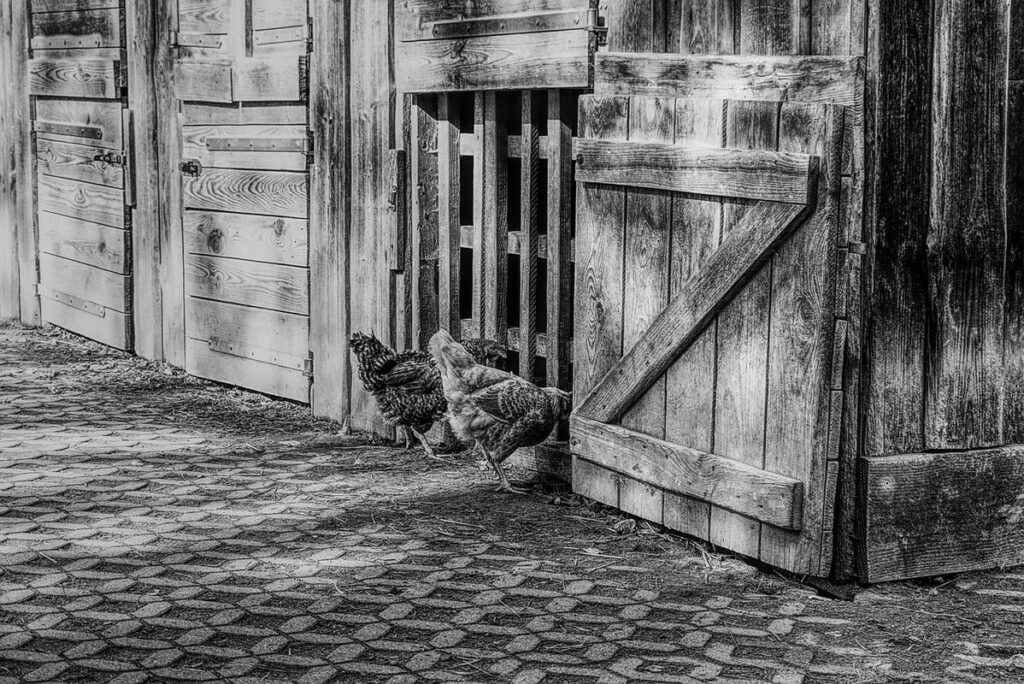
Why Secure Your Chicken Coop Door?
Securing your chicken coop door is crucial to protecting your flock from predators and preventing escape, which can be a costly mistake for backyard chicken keepers.
Importance of a Secure Coop
Securing the coop door is crucial for protecting your chickens from predators, disease, and other risks. When it comes to predator control, a secure coop door can be the difference between life and death for your flock. Foxes, coyotes, raccoons, and snakes are just a few of the common predators that see your chickens as an easy meal.
Disease is another significant threat to your flock’s health. Securing the coop door helps prevent the entry of external diseases such as mites, lice, and flies, which can decimate your flock in no time. Moreover, by keeping external pests at bay, you also reduce the risk of internal parasites, such as worms.
A secure coop door also protects your chickens from extreme weather conditions like harsh winds, heavy rain, or scorching sun. You can prevent damage to your coop and reduce energy costs by ensuring that the door is properly sealed. To achieve this, consider installing a self-closing latch or a magnetic catch on your coop door.
Common Threats to Chickens
Chickens can be susceptible to various predators that threaten their safety. Foxes, coyotes, and raccoons are some of the most common nocturnal predators that prey on chickens. These cunning animals often target vulnerable areas like the coop door, which is usually left open during cleaning or feeding.
Hawks and owls are also major threats to backyard flocks, especially at dawn and dusk when they are most active. These birds of prey can swoop down and grab a chicken in a matter of seconds, making them a formidable predator.
Domestic dogs, even those with good intentions, can also pose a threat to chickens. Their natural instinct to chase or kill small animals can lead to injury or death of your flock members. Ensure that your coop door is securely locked when you’re not supervising your dog’s interaction with the chickens.
When securing your coop door, consider using hardware cloth or chicken wire mesh around the entire structure to prevent predators from accessing the enclosure.
Choosing the Right Coop Door Hardware
When selecting hardware for your chicken coop door, you’ll want to consider durability, security features, and ease of use to ensure your birds stay safe and secure. Let’s discuss some top options for coop door hardware.
Types of Latches and Hinges
When it comes to securing chicken coop doors, choosing the right latch and hinge is crucial. There are several types of latches available, each with its own set of pros and cons.
Spring-loaded latches are a popular choice for chicken coop doors. They’re easy to use and provide a secure closure. However, they can be prone to jamming if not properly maintained. Cam-style latches, on the other hand, offer a more durable option. They require a bit more effort to open and close but provide added security against predators.
Hinges also come in different types, including ball-bearing, roller, and friction hinges. Ball-bearing hinges are known for their smooth operation and long lifespan. Roller hinges are ideal for heavy doors, while friction hinges provide a secure closure without the need for locks.
When selecting latches and hinges for your chicken coop door, consider factors such as ease of use, durability, and security. You may also want to consult with other backyard chicken keepers or check online reviews to find the best option for your specific needs.
Locking Mechanisms
When it comes to securing chicken coop doors, locking mechanisms are an essential consideration. One popular option is the deadbolt lock. A deadbolt lock consists of a metal rod that extends into the door frame when locked, providing added security against forced entry attempts. This type of lock is particularly effective because it’s difficult for predators to pry open or push through.
Another locking mechanism worth considering is the padlock. Padlocks are versatile and can be attached to a variety of surfaces, including chain links, gates, and doors. They’re also relatively easy to install and require minimal maintenance. However, keep in mind that padlocks can be vulnerable to cutting or drilling if not made of high-quality material.
Combination locks offer an additional layer of security by requiring a unique code to unlock the door. These locks are ideal for backyards with multiple users who need to access the coop regularly. When choosing a combination lock, look for one with a durable design and secure coding mechanism to minimize the risk of unauthorized access.
When selecting a locking mechanism for your chicken coop door, consider factors like durability, ease of use, and level of security required.
Installing a Secure Coop Door
Installing a secure coop door is one of the most crucial steps in protecting your flock from predators. In this section, we’ll walk you through some essential tips to ensure your coop’s entrance is safe and secure.
Preparing the Coop Frame
Before installing a new or upgraded coop door, it’s essential to prepare the coop frame properly. This step will ensure that your coop door installation is secure and functional.
Start by removing any existing door hardware, including hinges and latches, if applicable. Clean the area where the new door will be installed to prevent any debris from interfering with the installation process. Inspect the coop frame for any signs of damage or wear and tear, particularly around the door opening. Make any necessary repairs before proceeding.
You may need to modify the coop frame to accommodate a new door size or type. For example, if you’re upgrading from a small, removable door to a larger, secured door, you’ll need to adjust the coop frame accordingly. Use a measuring tape and calculator to determine the correct size and material requirements for your project. Don’t forget to check local building codes and regulations before making any significant modifications.
It’s also crucial to consider the type of hardware and accessories required for your new door. Choose materials that match the coop’s construction, such as metal or wood, to ensure a seamless look and finish. With these preparatory steps complete, you’ll be ready to install your secure coop door with confidence.
Installation Tips and Tricks
When installing the coop door hardware, latches, and locking mechanisms, it’s essential to ensure a secure fit to prevent predators from getting inside. Start by carefully reading through the manufacturer’s instructions for each component to understand their specific installation requirements.
To begin, attach the hinges to the coop door frame using screws that are long enough to penetrate at least 1 inch into the wood for added stability. Next, install the latch and locking mechanism according to the manufacturer’s guidelines, typically by attaching them to the coop door and a separate piece of hardware attached to the surrounding fence or wall.
When choosing a location for the locking mechanism, consider placing it at least 4 feet off the ground to prevent predators from reaching it with their paws. Additionally, ensure that the latch is sturdy enough to withstand tampering attempts by predators like raccoons or foxes. Regularly inspecting and maintaining your coop door hardware will help prevent issues and keep your flock safe.
Additional Security Measures
In addition to a strong lock, you’ll also want to consider other security measures to prevent unwanted visitors and protect your flock. This includes door guards and secure fasteners.
Fencing Around the Coop
When it comes to securing your chicken coop doors, fencing around the coop is an essential measure to prevent predators from accessing your flock. Even if a predator manages to open the coop door, a well-designed fence will deter them from getting inside.
A sturdy fence around the coop can be made of various materials such as chicken wire, hardware cloth, or even electric netting. The key is to choose a material that’s durable enough to withstand attempts by predators like raccoons, coyotes, and hawks. For example, if you live in an area with frequent visits from raccoons, consider using hardware cloth, which they can’t easily chew through.
To set up an effective fence around the coop:
* Bury the fencing material 12-18 inches underground to prevent digging predators.
* Extend the fence at least 3 feet beyond the coop on all sides to provide a secure perimeter.
* Make sure the fence is tall enough to prevent jumping predators – at least 6 feet high for most species.
By incorporating a well-designed fence around your chicken coop, you’ll have an added layer of protection against those unwanted visitors.
Motion-Activated Lights
Motion-activated lights are an effective addition to your chicken coop’s security arsenal. These lights are designed to turn on when they detect movement within a certain range, making it impossible for nocturnal predators like raccoons, opossums, and coyotes to approach the coop undetected.
By installing motion-activated lights around the perimeter of the coop, you’ll create an unwelcome environment for these nighttime visitors. The sudden burst of light will startle them, giving your flock a much-needed head start in escaping potential threats. It’s not just about scaring off predators; it also serves as an added layer of visibility, allowing you to monitor the area and respond quickly if needed.
When choosing motion-activated lights, consider their sensitivity and coverage range. Some models can detect movement up to 30 feet away, while others might have a shorter range. Be sure to position them strategically around the coop’s entry points to maximize their effectiveness. By combining these lights with other security measures like coop doors and hardware, you’ll create an impenetrable barrier for your flock.
Maintenance and Upkeep
Now that you’ve secured your coop doors, it’s time to think about keeping them that way. Regular maintenance is key to ensuring your coops stay safe and secure for years to come.
Regular Inspections
Regular inspections of your chicken coop door and hardware are crucial to ensuring they remain secure and functional. As you go about your daily routine, it’s easy to overlook small issues that can compromise the integrity of your coop’s doors. However, neglecting these tasks can have serious consequences, such as predator attacks or escape attempts.
To maintain a safe and secure environment for your flock, set aside time each week to inspect your coop door hardware. Check the latches, hinges, and locks for signs of wear and tear. Look out for loose screws, rust spots, or worn-out parts that can compromise security. You should also examine the coop’s overall condition, paying attention to any gaps or holes that predators might exploit.
By incorporating regular inspections into your maintenance routine, you’ll be able to identify potential issues before they become major problems. This proactive approach will give you peace of mind and ensure your flock remains safe and secure within their coop.
Repairing or Replacing Parts
As your chicken coop’s doors are subject to constant opening and closing, it’s not uncommon for parts like latches and hinges to wear out over time. A worn-out latch or hinge can compromise the security of your coop door, putting your flock at risk. If you notice any issues with these essential components, don’t hesitate to take action.
First, inspect the damaged part carefully to determine if it’s beyond repair or if a simple fix will do. For example, if the hinge pin has rusted and come loose, you can try cleaning and lubricating it. However, if the damage is more extensive, such as a broken latch or worn-out bushing, replacement might be necessary.
When replacing parts, choose high-quality materials that match or exceed the original specifications. For instance, consider upgrading to stainless steel hinges for added durability and resistance to rust. Follow the manufacturer’s instructions for installation, and make sure all parts are properly secured before reassembling the door. Regular maintenance, including lubrication and tightening loose screws, can also help prevent wear and tear on these critical components.
Best Practices for Securing Your Coop Door
When it comes to protecting your flock, securing your coop door is one of the most crucial steps you can take. In this next part, we’ll cover essential best practices for locking down your coop’s main entry point.
Seasonal Adjustments
As a backyard chicken keeper, you’re likely aware that weather conditions can be quite unpredictable. But did you know that seasonal adjustments to your coop door security measures are crucial to protecting your flock from potential threats? Winter brings cold temperatures and harsh winds that can weaken doors and make them more susceptible to forced entry. In contrast, summer’s sweltering heat can cause doors to warp or become loose.
To account for these changing conditions, take a closer look at your coop door security measures during each season:
* Winter: Consider reinforcing your coop door with weatherstripping or adding a lock that can withstand harsh winds and cold temperatures.
* Spring and Fall: As the seasons transition, inspect your coop door for any damage caused by changing weather patterns. Tighten loose screws and replace damaged parts to ensure a secure seal.
* Summer: Keep an eye on your coop door’s condition, as the heat can cause it to warp or become dislodged.
By making these seasonal adjustments, you’ll be better equipped to protect your flock from potential threats and keep them safe and secure.
Community Feedback and Resources
We’d love to hear from you! Have you encountered any unique challenges when securing your chicken coop door? Perhaps you’ve developed a clever solution that’s worked wonders for your flock. We invite you to share your experiences, tips, and tricks with our community.
Not only will this help others who may be struggling with the same issues, but it’ll also give us valuable insights on what works best in different climates and environments. You can comment below or join our social media groups to share your stories and advice.
For those looking for more information, here are some excellent resources to get you started:
* The National Poultry Board’s guidelines on coop security
* A comprehensive guide to predator-proofing your coop by Backyard Chickens Magazine
* Our own blog series on chicken coop design and maintenance
Take a few minutes to explore these resources, and feel free to reach out if you have any questions or need further guidance. Your fellow backyard chicken keepers are here to help!
Frequently Asked Questions
What if I’m not handy with tools or DIY projects? Can I still secure my chicken coop door effectively?
If you’re not comfortable with DIY projects, consider enlisting the help of a friend or family member who’s handy, or hiring a professional to install your new locking mechanism. You can also explore simpler, pre-assembled options that require minimal installation.
How often should I inspect and maintain my coop door locks and latches?
Regular inspections are crucial for coop security. Check your doors and locks at least once a month, and after any extreme weather conditions or predator sightings in your area. Make adjustments or repairs as needed to ensure maximum protection.
Can I use the same locking mechanism for both my coop door and run gate?
While it might be tempting to use a single locking system, consider using separate mechanisms for each entry point. This ensures that even if one lock is compromised, the other remains secure, giving you an extra layer of protection for your flock.
What’s the difference between a latch and a lock? Should I use both or choose one?
A latch typically provides a barrier against predators but can be easily opened with a bit of force. A lock offers more security, as it requires a key or combination to open. Consider using both for added protection – a latch on the coop door and a lock on any external gates or areas.
Are there any seasonal adjustments I should make to my coop door security?
Yes! As temperatures fluctuate throughout the year, predators may adapt their tactics accordingly. Be aware of changes in local wildlife behavior during different seasons and adjust your coop door security measures as needed to stay one step ahead of potential threats.