
Are you a backyard chicken enthusiast looking to create a safe haven for your feathered friends? If so, you’re not alone. But did you know that a secure roof on your chicken run is crucial to protect your flock from predators, damage, and harm? A well-designed roof can make all the difference in keeping your chickens happy and healthy.
In this article, we’ll walk you through the process of choosing the right materials for your chicken run roof, installing it correctly, and maintaining its integrity. We’ll also cover expert tips on design, construction, and local regulations to ensure your chicken coop meets building codes and keeps your birds safe from potential threats. Whether you’re a seasoned chicken keeper or just starting out, this guide will provide you with the knowledge you need to create a secure and happy home for your flock.
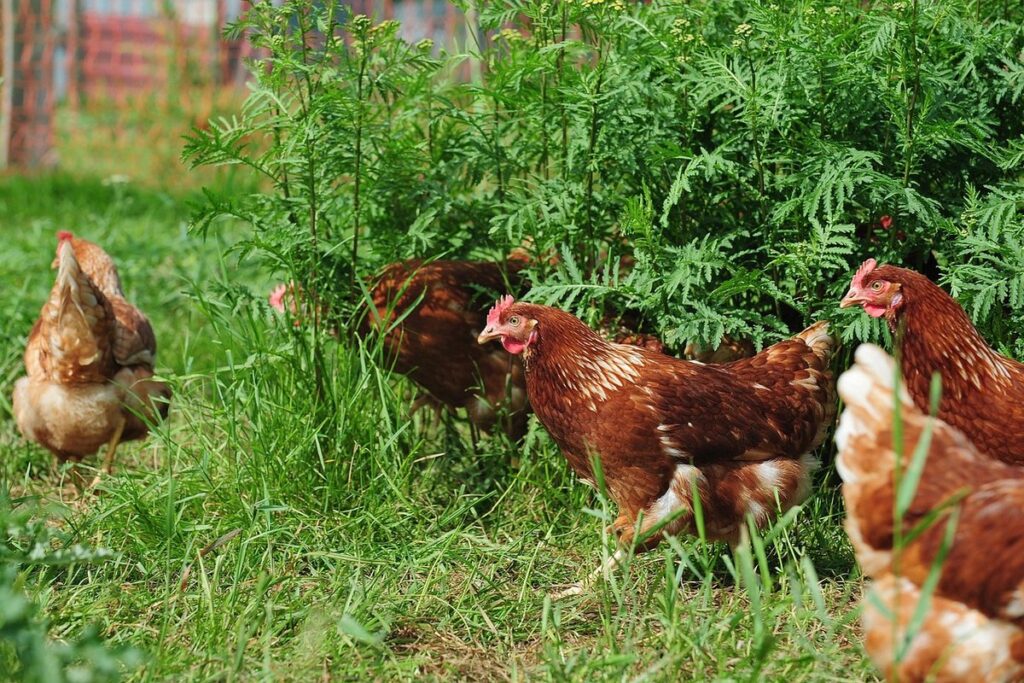
Understanding the Importance of a Secure Chicken Run Roof
A secure chicken run roof is crucial to protecting your flock from harsh weather conditions, predators, and unwanted visitors. In this section, we’ll explore why a solid roof is essential for their well-being and happiness.
Identifying Potential Risks and Dangers
An insecure chicken run roof can expose your flock to numerous risks and dangers. One of the most significant threats is predator attacks. Foxes, coyotes, and raccoons are common predators that target chickens, and a weak roof can provide them with easy access to your birds. If you live in an area with high predator activity, it’s essential to take measures to secure your chicken run roof.
In addition to predator attacks, an insecure roof can also cause damage to your property. Heavy rain or snowfall can seep into the coop and damage electrical equipment, insulation, and even walls. This not only leads to costly repairs but also creates a hazardous environment for you and your family.
Harm to humans is another potential risk associated with an insecure chicken run roof. If the structure collapses or weakens under weather conditions, it can cause injury to anyone nearby, including children who may be playing in the area. To mitigate these risks, inspect your chicken run roof regularly, repair any damage promptly, and consider installing durable roofing materials that can withstand harsh weather conditions.
Assessing Existing Roof Conditions
When it comes to securing your chicken run roof, it’s essential to start by assessing its current state. Check for signs of wear, rot, or other damage that could compromise the integrity of the structure and put your chickens at risk.
Begin by inspecting the roof for any cracks, gaps, or holes, no matter how small they may seem. Look for soft spots, spongy areas, or signs of sagging, which can indicate rot or water damage. Check the roof’s surface for any loose or missing shingles, tiles, or panels, and make a note to replace them as soon as possible.
Also, pay attention to the edges and corners of the roof, where damage is more likely to occur due to weather exposure. Look for signs of rust, corrosion, or wear on metal roofs, and check for any signs of mold or mildew growth. Take photos or notes of any areas that require attention, so you can prioritize repairs when planning your renovation.
Regular inspections will help you catch potential issues before they become major problems, ensuring a safe and secure roof for your flock.
Choosing the Right Materials for Your Chicken Run Roof
When it comes to constructing a chicken run roof, selecting the right materials is crucial for durability and long-term performance. Let’s explore the key factors to consider when making your choice.
Selecting Durable and Weather-Resistant Options
When it comes to choosing materials for your chicken run roof, durability and weather resistance are top priorities. You want a material that can withstand harsh weather conditions, such as heavy rain, scorching sun, and strong winds.
Metal roofs are an excellent option, as they’re highly durable and resistant to weathering. Aluminum or galvanized steel sheets are popular choices, offering excellent strength-to-weight ratios. However, be aware that metal roofs can be noisy during rainfall, and may require additional insulation for temperature regulation.
Plastic roofs, on the other hand, are lightweight and easy to install. They’re also water-resistant and come in a range of colors. However, their durability is limited compared to metal or wood options. Look for high-density polyethylene (HDPE) or polypropylene materials for better performance.
Wooden roofs offer a more natural look and can be sustainable if sourced from reclaimed or FSC-certified materials. However, they may require more maintenance than other options, as they’re prone to rotting and insect damage. Consider using pressure-treated wood or cedar for added durability.
Ultimately, the right material choice will depend on your climate, budget, and personal preferences. Research each option thoroughly and weigh their pros and cons before making a decision.
Considering Budget-Friendly Alternatives
When it comes to building or renovating a chicken run roof, cost can be a significant concern. However, that doesn’t mean you have to break the bank to secure your chickens’ safe enclosure. There are plenty of budget-friendly alternatives worth considering.
One option is to repurpose existing structures like old pallets, fencing materials, or even an old shed. Not only will this save you money on new materials, but it also reduces waste and gets creative juices flowing. For instance, you can use wooden pallets as a base for your roof, securing them together with screws and then covering with chicken wire or netting.
Another cost-effective option is to utilize recycled materials like reclaimed wood, corrugated metal sheets, or even plastic bottles. These alternatives not only reduce waste but also provide a unique aesthetic touch to your chicken run. Just be sure to clean and disinfect any reused material before placing it in the enclosure.
When repurposing materials, make sure to assess their structural integrity and durability to ensure they can withstand harsh weather conditions. Also, consider consulting local building codes or regulations regarding reusing materials for building purposes. By getting creative with existing materials, you can save a significant amount on your chicken run roof while still providing a safe and secure space for your feathered friends.
Installation and Construction Techniques
To secure your chicken run roof effectively, you’ll need to follow specific installation and construction techniques that we’ll outline below for a sturdy result. Let’s dive into these essential details together.
Preparing the Site and Foundation
Before installing your chicken run roof, it’s essential to prepare the site and lay a suitable foundation. This will ensure that your roofing solution is stable, durable, and able to withstand various weather conditions.
To start, clear the area of any debris, weeds, or obstacles that may interfere with the installation process. Check the terrain for any slopes or unevenness that could affect water run-off. If necessary, level the ground using a shovel or a self-leveling compound. Next, mark out the area where your roof will be installed, taking into account the size and shape of your chicken run.
Lay down a compacted base material such as gravel or crushed stone to provide drainage and prevent waterlogging. This is crucial for preventing rot and ensuring the structural integrity of your roofing solution. For example, a 1-2 inch layer of compacted gravel can help redirect water flow away from the roof’s edges.
Installing Roof Trusses and Supports
Installing roof trusses and supports is a crucial step in securing your chicken run roof. To ensure stability and structural integrity, you’ll want to start by determining the right size and spacing for your trusses. A good rule of thumb is to space them 16-24 inches apart, depending on the type of roofing material you’re using.
When installing trusses, begin at one end of the coop or run and work your way down. Make sure each truss is level and securely attached to the wall studs using galvanized screws or nails. It’s also essential to ensure that the trusses are properly aligned with the roof slope, taking into account any local building codes or regulations.
Supports should be installed every 4-6 feet along the length of the coop or run, depending on the weight and size of your roofing material. Use a level to ensure they’re plumb and securely fastened to the wall studs or trusses. Remember to check the manufacturer’s instructions for specific recommendations on roof support spacing.
Proper installation of trusses and supports will provide a sturdy base for your chicken run roof, keeping your flock safe and dry.
Securing the Roof with Fencing and Netting
Now that we’ve covered how to secure your chicken run walls, let’s focus on protecting those overhead perches and nesting areas with fencing and netting.
Choosing the Right Type of Fencing
When it comes to securing the roof of your chicken run, choosing the right type of fencing is crucial. Different types of fencing offer varying levels of effectiveness, and selecting the right one can make all the difference in protecting your flock from predators.
Wire mesh fencing is a popular choice for chicken runs due to its affordability and ease of installation. It comes in various gauges (thicknesses), with 1 inch x 1 inch wire mesh being a good starting point. However, it may not be effective against large or determined predators like foxes or coyotes. To boost security, consider adding hardware cloth, which has smaller openings and is more resistant to digging.
Plastic panels are another option for securing your chicken run roof. They come in various styles, including solid sheets and grid designs. While they can be more expensive than wire mesh, plastic panels offer superior protection against predators and harsh weather conditions. When selecting plastic panels, look for those with a sturdy frame and durable materials to ensure they withstand the elements.
Some chicken keepers also opt for a combination of both wire mesh and plastic panels, which can provide an added layer of security.
Installing Netting to Prevent Predator Access
Installing netting around the perimeter of the chicken run is an effective way to prevent predators from reaching the birds. To start, you’ll need to choose a durable and predator-resistant netting material that’s specifically designed for outdoor use. Consider options like polypropylene or nylon mesh with openings as small as 1 inch.
When installing the netting, begin by stretching it tightly over the chicken run’s perimeter frame, ensuring there are no sagging areas where predators can exploit them. Secure the netting using wire or twine, making sure to overlap each section by at least 6 inches to prevent gaps. Use a sturdy material like metal or PVC clips to attach the netting to the coop and any surrounding structures.
Make sure to extend the netting several feet beyond the chicken run’s boundaries to prevent predators from jumping onto it. This will also give you some extra room for adjustments during installation. Finally, inspect your netting regularly for signs of damage or wear, replacing it as needed to maintain its effectiveness.
Maintaining and Inspecting Your Chicken Run Roof
Regular inspections are crucial to identify potential weaknesses, while routine cleaning and maintenance will prevent pest infestations and extend your chicken run roof’s lifespan.
Regular Cleaning and Inspection Schedule
Regular cleaning and inspection of your chicken run roof are essential to ensure its longevity and security. A dirty or damaged roof can compromise the safety of your chickens, and potentially lead to costly repairs. Schedule a regular cleaning session every 2-3 months, depending on weather conditions and local debris accumulation. Remove any loose material, such as twigs or leaves, that may have accumulated on the roof.
Inspect the roof at least once a week for signs of damage, wear, or sagging. Check for gaps between roofing materials, rusted nails, or damaged flashing around vents. If you notice any issues, address them immediately to prevent further deterioration. Regular inspections will also help identify potential problems before they become major issues.
To make cleaning and inspection easier, divide the roof into sections and assign a specific day each month to clean one section. This way, you’ll maintain a consistent schedule without feeling overwhelmed by the task. Remember, a well-maintained chicken run roof is essential for protecting your flock’s health and happiness.
Addressing Common Issues and Repairs
Leaks and damage to your chicken run roof can be frustrating and costly if not addressed promptly. Regular inspections are key to identifying potential issues before they escalate into major problems. Keep an eye out for missing or damaged shingles, sagging structures, and signs of wear around joints and seams.
If you notice a leak, don’t panic! Most leaks can be fixed with basic DIY skills and materials. Check the roof’s slope and make sure it’s not clogged with debris, which can cause water to pool and seep into the coop. Clean out any blockages, then inspect for damaged or missing shingles.
For more serious repairs, such as replacing entire sections of roofing material, consider consulting a professional. They’ll be able to assess the damage and provide a quote for the work. In some cases, it may be more cost-effective to replace the entire roof rather than patching up individual problems.
Remember to also inspect your chicken run’s gutter system, ensuring water flows freely away from the coop. This will help prevent water accumulation around the base of the structure. By staying on top of maintenance and repairs, you’ll keep your flock safe and dry under their secure and weather-tight roof.
Additional Tips and Considerations
You’ve made it through the main steps of securing your chicken run roof, but don’t stop there! This final section offers additional advice on common pitfalls to watch out for.
Integrating Chicken Run Roof Design with Existing Structures
When designing your chicken run roof, it’s likely that you’ll be working with existing structures such as sheds or coops. Integrating the design of your roof with these structures can be a challenge, but there are several ways to approach this.
One option is to extend the roof of your coop over the surrounding area, creating a covered walkway for your chickens to access their run. This not only provides protection from the elements but also helps to keep predators out. For example, you could attach a sloping roof to the side of your coop and have it meet with a flat roof in the run. This would create a seamless transition between the two areas.
Another consideration is how to secure the connection points between the chicken run roof and existing structures. Make sure to use strong fasteners such as screws or nails, and consider adding weatherproof seals around any gaps or joints. This will prevent water from seeping in and causing damage. By taking these steps, you can create a cohesive and functional space for your chickens that meets their needs while also protecting the surrounding area.
Ensuring Compliance with Local Regulations and Zoning Laws
Before you start securing that chicken run roof, it’s essential to ensure that your backyard chicken-keeping venture complies with local regulations and zoning laws. The last thing you want is a costly fine or even worse, having to shut down your entire coop operation.
Firstly, check if your city or town has any ordinances governing the keeping of backyard chickens. Some areas may have specific rules about the number of chickens allowed per household, while others might restrict the size and type of coops. For example, you might need a special permit to keep more than three hens in certain jurisdictions.
To ensure compliance, familiarize yourself with your local zoning laws and ordinances. You can start by checking your city or town’s website, contacting your local government office, or attending community meetings where such discussions often take place. Make sure to note down any relevant information and regulations that apply to your situation. This will help you avoid potential issues and provide peace of mind as you secure your chicken run roof.
Frequently Asked Questions
What are the most common mistakes to avoid when designing a chicken run roof?
When designing your chicken run roof, it’s essential to consider factors like slope, pitch, and material choice to ensure water runoff and prevent pooling. Avoiding mistakes such as inadequate drainage, insufficient support for heavy loads, or using materials prone to damage from harsh weather conditions can make all the difference in maintaining a secure and safe environment for your flock.
Can I use recycled materials for my chicken run roof?
Yes, using recycled materials for your chicken run roof is not only eco-friendly but also budget-friendly. Consider repurposing old pallets, fencing, or roofing materials to create a unique and sustainable solution. When reusing materials, ensure they are sturdy enough to withstand harsh weather conditions and predators.
How often should I inspect my chicken run roof for signs of wear and tear?
Regular inspections are crucial in maintaining your chicken run roof’s integrity. Schedule quarterly checks during peak weather seasons (spring and fall) to identify potential issues like loose screws, gaps between panels, or damage from predator access. Addressing these problems promptly will prevent costly repairs and ensure your flock remains safe.
Can I install a chicken run roof on my own, or do I need professional help?
While installing a chicken run roof can be a DIY project, consider seeking professional help if you’re not confident in your abilities or lack experience with roofing materials. A secure chicken run roof requires careful planning and execution to ensure the safety of your flock.
What local regulations should I familiarize myself with when building my chicken coop?
Familiarize yourself with local zoning laws, building codes, and health department regulations governing backyard chickens. Research requirements for coop size, material types, and predator-proofing measures to ensure compliance and avoid potential fines or penalties.