
Are you getting ready to welcome a new batch of poults into your backyard flock, but unsure about setting up their brooder? Providing an optimal poults brooder temperature is crucial for healthy development and growth. Chicks need to feel comfortable in their environment to thrive, which means keeping them within the ideal thermal comfort zone.
As you prepare their home, it’s essential to consider various factors that affect their thermal comfort, including age, breed, and humidity levels. But what are the recommended temperature ranges for poults? And how can you effectively manage the temperature in their brooder to prevent health issues? In this article, we’ll cover all these aspects and provide you with actionable tips to create a healthy and happy environment for your chicks to grow strong and healthy.
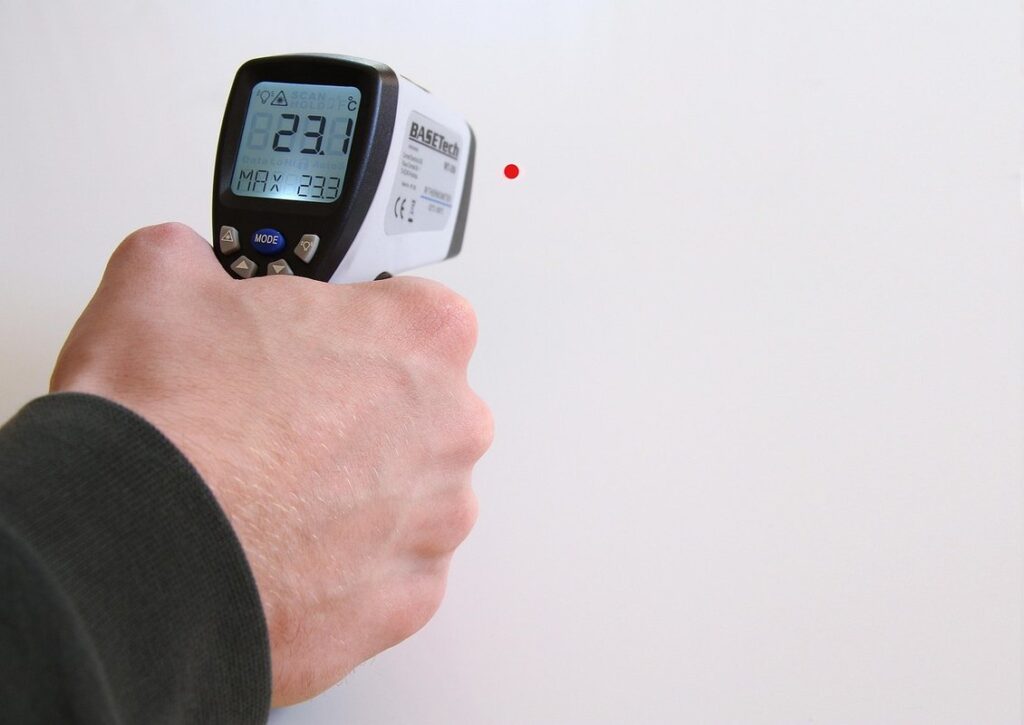
Understanding the Importance of Temperature Control
Temperature control is crucial for poults’ growth and development, ensuring they thrive under optimal conditions without health risks. Let’s break down its importance in a brooder setting.
Factors Affecting Chicks’ Thermal Comfort Zone
Chicks’ thermal comfort zone plays a crucial role in their growth, health, and behavior. Their natural thermal comfort zone is between 90°F to 100°F (32°C to 38°C), with the optimal temperature being around 95°F (35°C). This range allows them to expend energy efficiently on growth rather than maintaining body heat.
Prolonged exposure to temperatures outside this range can have adverse effects. For instance, temperatures above 102°F (39°C) can lead to increased mortality rates due to hyperthermia. On the other hand, temperatures below 80°F (27°C) can cause stunted growth and reduced weight gain due to hypothermia.
It’s essential to maintain a consistent temperature within this range to ensure optimal growth and health. This can be achieved by using a thermostatically controlled heat source or by utilizing natural ventilation techniques. Additionally, providing adequate bedding material can help regulate the temperature within the brooder. A good rule of thumb is to aim for a 1-2°F (0.5-1°C) increase in temperature every week until the chicks are about six weeks old.
Recommended Temperature Ranges for Different Ages of Chicks
When it comes to setting up a proper poult brooder temperature, one of the most critical factors is ensuring that you’re providing the right environment for your chicks at each stage of their development. Poultry experts recommend specific temperature ranges for different ages of chicks, and understanding these guidelines will help you provide optimal care.
For newly hatched chicks (0-4 days old), a temperature range of 90-95°F (32-35°C) is ideal. This helps them conserve energy and stay warm after leaving the eggshell. As they grow, the temperature can be gradually reduced to around 88-92°F (31-33°C) for chicks between 5-7 days old.
For broody hens or those who may experience heat stress, it’s essential to keep the temperature in check. For example, by day 10, you can drop the temperature to around 85-88°F (29-31°C), and by day 14, you should be aiming for a range of 82-85°F (28-29°C).
By following these temperature guidelines, you’ll help your chicks develop strong immune systems and reduce the risk of stress-related health issues.
Factors Influencing Brooder Temperature Requirements
You’ll want to consider several key factors that can impact the ideal brooder temperature for your poults, including age, breed, and climate. This will help ensure you’re providing a safe and comfortable environment.
Ventilation, Insulation, and Climate Control
When it comes to maintaining a suitable brooder temperature, proper ventilation, insulation, and climate control are crucial factors that often get overlooked. However, they play a significant role in regulating the temperature fluctuations within the brooder.
Proper ventilation is essential to prevent overheating or overcooling of the brooder. It helps to maintain airflow, which allows for more efficient heat dissipation. If ventilation is inadequate, it can lead to a buildup of ammonia from the droppings, causing respiratory issues in the poults. On average, a minimum air exchange rate of 10-15 times per hour is recommended.
Insulation also plays a critical role in maintaining brooder temperature. It helps to retain heat during cold weather and prevents heat loss when it’s warm outside. A good quality insulation material can help to maintain a consistent temperature range by reducing heat transfer between the environment and the brooder. In addition, climate control systems such as thermostats and humidistats should be installed to regulate temperature and humidity levels.
Remember, even with proper ventilation and insulation, temperature fluctuations can still occur due to external weather conditions. Therefore, it’s essential to monitor the brooder temperature regularly and adjust the climate control system accordingly.
Brooder Design and Layout Considerations
When designing and setting up your poults brooder, it’s essential to consider the layout and features that can impact temperature regulation. A well-designed brooder can help maintain a stable and optimal temperature for your young birds.
The size of the brooder is critical, as it affects air circulation and heat retention. A good rule of thumb is to provide about 0.5 square feet per bird inside the brooder. This allows for adequate space between birds and promotes airflow, which helps regulate temperature.
Materials used in the construction of your brooder can also impact temperature control. For example, if you’re using metal or plastic, it’s essential to ensure good ventilation to prevent overheating. On the other hand, wooden brooders with a smooth finish can help maintain a stable temperature by minimizing heat transfer.
Orientation and placement of windows are also crucial considerations. Windows should be positioned on opposite sides of the brooder to allow for cross-ventilation and reduce the risk of drafts. This helps maintain a consistent temperature throughout the brooder, promoting healthy growth in your poults.
Measuring and Monitoring Temperature in the Brooder
Accurate temperature measurement is crucial for a healthy poults brooder, which is why we’ll be diving into the best ways to measure and monitor temperature levels inside the brooder. This includes essential tools and techniques you need to know.
Types of Thermometers and Hygrometers for Accurate Readings
When it comes to monitoring temperature and humidity levels in the brooder, having the right tools is crucial. There are various types of thermometers and hygrometers available for this purpose, each with its unique features and benefits.
Digital thermometers are a popular choice among poultry keepers due to their accuracy, ease of use, and affordability. These thermometers typically have a probe that can be placed inside the brooder or on the surface, providing quick and precise temperature readings. Some digital thermometers even come with additional features such as alarm settings, data logging, and wireless connectivity.
Analog thermometers, on the other hand, are more traditional and often less expensive than their digital counterparts. They usually consist of a mercury-filled glass tube that expands or contracts in response to changes in temperature, providing a visual reading on a dial. While analog thermometers can be effective, they may not be as accurate as digital thermometers.
Hygrometers come in various forms, including digital and analog versions, similar to thermometers. They measure humidity levels in the brooder, which is essential for maintaining optimal conditions for poults growth. Look for hygrometers that are specifically designed for poultry applications and have a wide range of accuracy (ideally between 0-99% relative humidity). Some popular options include wireless hygrometers with smartphone app connectivity, making it easy to monitor humidity levels remotely.
When choosing thermometers and hygrometers, consider factors such as accuracy, durability, ease of use, and additional features. It’s also essential to follow the manufacturer’s instructions for calibration and maintenance to ensure reliable readings. Remember, accurate temperature and humidity monitoring is crucial for maintaining a healthy brooder environment.
Strategies for Maintaining a Consistent Temperature
Maintaining a consistent temperature is crucial for poults’ growth and development. A slight fluctuation can lead to stunted growth, increased mortality rates, or even respiratory problems.
To achieve consistency, it’s essential to use thermometers effectively. Place multiple thermometers throughout the brooder, ensuring they’re not too close to heat sources or drafts. This helps identify temperature pockets, where some areas may be warmer or cooler than others. Take readings regularly, ideally every hour during peak temperatures, and record them to track any changes.
Hygrometers are also vital for monitoring humidity levels, as poults require a specific range of 40-60%. Use hygrometers that can handle the temperature conditions in your brooder and ensure they’re calibrated correctly. Regularly check the readings and adjust ventilation accordingly.
Adjusting ventilation is critical to maintaining temperature consistency. Monitor airflow rates and adjust them based on temperature fluctuations, humidity levels, and poults’ age. Typically, you’ll need to increase ventilation when temperatures rise above 90°F (32°C) or during humid weather conditions. Conversely, reduce ventilation during colder temperatures.
Understanding Thermoregulation in Chicks
Let’s dive into how chicks regulate their body temperature, a crucial concept for ensuring a comfortable brooder environment. We’ll explore what thermoregulation means and its importance for poults development.
How Chicks Regulate Their Body Temperature
Chicks have an impressive ability to regulate their body temperature, especially during the first few weeks of life when they are most vulnerable to environmental conditions. This thermoregulation is crucial for their growth and development, as even small fluctuations in temperature can affect their metabolism, energy expenditure, and overall health.
In normal circumstances, a chick’s body temperature ranges from 98°F to 100°F (36°C to 38°C), which is slightly lower than the ambient temperature. To maintain this optimal range, chicks rely on several mechanisms, including shivering, panting, and vasodilation. When they feel cold, they will tuck their beaks into their feathers, puff out their neck feathers, or even stand on one leg to conserve heat.
As brooder temperature is a critical factor in poults development, it’s essential to understand how chicks naturally regulate their body temperature. By mimicking natural conditions and providing the right environment, you can help your chicks thrive during this critical period. For example, maintaining a consistent brooder temperature between 90°F to 95°F (32°C to 35°C) will encourage healthy growth and development in your poults.
Impact of Temperature Stress on Chick Health
When it comes to setting up a proper poults brooder temperature, understanding its impact on chick health is crucial. Prolonged exposure to inappropriate temperatures can lead to a range of issues that affect not only their growth rates but also their overall well-being.
One of the most significant concerns is reduced growth rates. Chicks that are too hot or too cold may experience stunted growth, resulting in smaller-than-average weights and potentially impacting their future reproductive capabilities. For instance, research has shown that chicks raised at temperatures above 90°F (32°C) can experience up to a 10% reduction in weight gain compared to those raised at optimal temperatures.
Furthermore, temperature stress can also lead to increased mortality rates among chicks. When the ambient temperature is not within their comfort zone, chicks may exhibit behaviors such as excessive panting or lethargy, which can be indicative of underlying health issues. In extreme cases, prolonged exposure to heat or cold can even cause cardiac arrest in young chicks.
In addition to these physical effects, temperature stress can also impair a chick’s immune system, making them more susceptible to disease and infection. When their natural defenses are weakened, they may be more vulnerable to common brooder diseases such as coccidiosis or respiratory infections. As a result, it is essential to ensure the poults brooder is maintained at optimal temperatures between 90°F (32°C) and 95°F (35°C), with a gradual reduction in temperature over time to allow for a smooth transition to outdoor conditions.
Tips for Setting Up an Optimal Poults Brooder
When setting up your poults brooder, ensuring a safe and healthy environment is crucial to their growth and development. Here are some essential tips to achieve optimal conditions.
Common Mistakes to Avoid
When setting up a poults brooder, it’s easy to fall into common mistakes that can affect the optimal temperature control. One of the most critical errors is not providing enough ventilation in the brooder. Poults produce heat and moisture as they grow, which can quickly lead to ammonia buildup and heat stress if proper ventilation is not provided.
Another mistake is overcrowding the brooder, leading to a lack of space for individual poults to move around comfortably. This can cause them to huddle together, increasing the risk of health issues due to poor air circulation.
It’s also essential to avoid using subpar heating elements that may not provide consistent heat or may even produce toxic fumes. For example, an old or damaged heat lamp can be hazardous to your poults’ health.
To correct these mistakes, ensure you have adequate ventilation by installing windows, vents, or fans in the brooder. Keep a minimum of 1-2 square feet of space per poult, and avoid overcrowding the area. Additionally, invest in high-quality heating elements that are specifically designed for poultry use, such as infrared heat emitters or ceramic heat mats.
Best Practices for Temperature Management in the First Weeks
Effective temperature management is crucial during the first weeks after hatching. Poults require a precise environment to grow and develop properly. It’s essential to monitor temperature daily, making adjustments as necessary.
Start by checking the brooder’s thermometer, usually located near the feeding area or in the ventilation system. Compare this reading with your target temperature range (usually 90-100°F for the first week). If it’s too high, reduce heat output; if too low, increase it. Keep in mind that poults can’t adjust to sudden changes quickly.
Consider using a thermometer probe specifically designed for brooder temperatures. These probes are more accurate than traditional thermometers and often come with alarms to alert you when the temperature deviates from set points.
Daily checks should also include observing your poults’ behavior. They should be comfortable, moving around, and drinking water without hesitation. If they appear stressed or lethargic, reassess your temperature settings immediately.
Troubleshooting Common Brooder Temperature Issues
If you’re experiencing issues with your poults’ brooder temperature, don’t worry – we’ve got solutions to help you get back on track and ensure a healthy start for your chicks. Common problems and their fixes are covered here.
Identifying and Addressing Temperature Fluctuations
Temperature fluctuations in the brooder can be detrimental to your poults’ health and development. Detecting these issues early on is crucial to prevent damage. Monitor the temperature readings closely, and pay attention to any sudden drops or spikes.
If you notice a consistent drop in temperature, it may indicate inadequate ventilation. Check that the air exchange system is functioning correctly and that there are no blockages in the airflow paths. If this doesn’t resolve the issue, consider increasing ventilation rates to ensure sufficient oxygen flow.
On the other hand, high temperatures can be caused by overcrowding or malfunctioning heating systems. Make sure there’s enough space for your poults to move around comfortably, and inspect the heating elements for any signs of wear or damage.
If you’re unsure about resolving temperature fluctuations or if they persist despite adjustments, don’t hesitate to seek professional advice from a poultry expert. They can help identify underlying issues and provide customized guidance on maintaining optimal brooder temperatures.
Improving Brooder Design for Better Temperature Control
When designing a brooder for poults, it’s essential to consider materials and layouts that can maintain a stable temperature. One effective way to achieve this is by using insulated panels or walls made from materials like foam board, fiberglass, or even straw bale construction. These materials have high thermal mass, meaning they can absorb and release heat slowly, reducing temperature fluctuations.
A more innovative approach is to incorporate radiant heating elements, such as infrared heat lamps or ceramic heaters, which warm objects rather than the air itself. This type of heating is gentler on poults and reduces the risk of overheating. Consider installing a thermostat-controlled ventilation system that allows for precise control over airflow and temperature exchange.
Additionally, careful placement of feeders, waterers, and nesting areas can help distribute heat evenly throughout the brooder. By designing your brooder with these considerations in mind, you’ll be able to maintain a more stable environment for your poults, reducing stress and promoting healthy growth.
Frequently Asked Questions
What’s the ideal humidity level for poults’ brooder, considering their thermal comfort zone?
It’s essential to maintain a balanced humidity level (around 50-60%) while ensuring optimal temperature control. High humidity can lead to respiratory issues and discomfort in poults. However, it’s crucial not to let the environment get too dry, which may cause dehydration.
How do I regulate brooder temperature for large flocks or when dealing with varying temperatures indoors?
Managing a consistent temperature becomes more complex as the flock size increases. To mitigate this challenge, you can use zone heating systems, which allow you to warm specific areas without overheating the entire space. Additionally, consider natural ventilation strategies and climate control techniques to balance temperature fluctuations.
Can I use radiant heaters for poults’ brooder, or are they more suitable for older chicks?
Radiant heaters can be effective for maintaining a consistent heat gradient within the brooder, but their suitability may vary depending on your specific setup. Ensure proper spacing between the heater and the birds to avoid burns and other safety risks.
How often should I monitor temperature in the brooder, especially during extreme weather conditions or power outages?
Frequent monitoring of temperature fluctuations is crucial for maintaining a healthy environment. You can use digital thermometers that send alerts when temperatures fall outside the ideal range. Additionally, consider using battery-powered backup systems to ensure continuous temperature monitoring during power outages.
What’s the best way to transition poults from their brooder to an outdoor coop without stressing them with sudden temperature changes?
Gradual temperature acclimation is key to reducing stress during this transition. You can start by opening windows or providing access to a temperature-controlled area, allowing the birds to adjust gradually to the outdoor environment before fully transferring them out of the brooder.