
Are you tired of being woken up by your rooster’s loud crowing every morning? Do you dream of enjoying a peaceful morning without the harsh sounds piercing through the air? If so, you’re not alone. Many backyard chicken keepers struggle with excessive rooster crowing, which can be a source of frustration and stress. The good news is that there are effective solutions to reduce this problem. In this article, we’ll explore proven methods for reducing rooster crowing, from simple environmental modifications to humane deterrents. We’ll also share practical tips on how to establish a peaceful coexistence with your feathered friends, ensuring you can enjoy the benefits of backyard chicken keeping while maintaining a serene living environment.
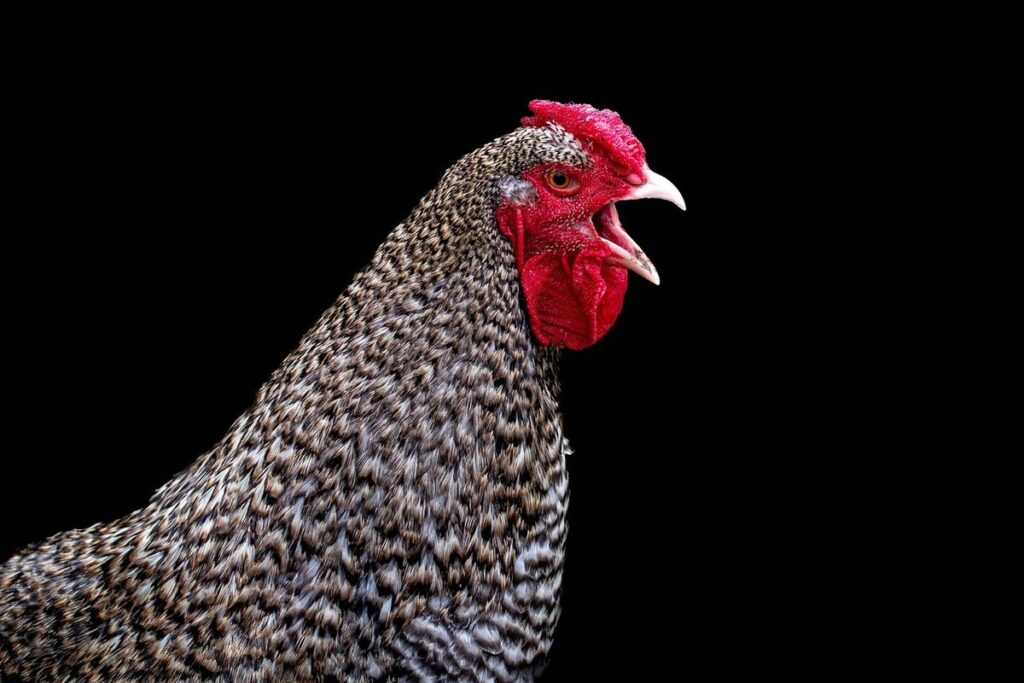
Understanding Rooster Crowing Behaviors
When it comes to understanding why your rooster is crowing, identifying the underlying motivations and triggers can be a crucial step towards finding a solution. Let’s explore some common behaviors that drive this noisy behavior.
The Role of Light and Dark in Rooster Crowning
Light exposure plays a significant role in regulating a rooster’s crowing habits. Daylight hours have a direct impact on a rooster’s circadian rhythms, which control the timing of his crowings. In general, roosters tend to crow more frequently during daylight hours, especially around dawn and dusk when light is changing.
Interestingly, research suggests that exposure to natural light can actually stimulate a rooster’s vocal cords, making him more likely to crow loudly in the morning. Conversely, artificial lighting can disrupt this natural rhythm, leading to excessive or persistent crowing.
To manage your rooster’s crowing habits related to light exposure, consider these tips:
- Gradually adjust his exposure to natural daylight by opening curtains or doors during dawn and dusk.
- Limit use of artificial lighting in the coop until nighttime.
- Install timers on lights to simulate a natural day-night cycle.
Factors Contributing to Excessive Crowing
Excessive crowing can be caused by various factors, and understanding these is crucial to finding effective solutions. For instance, stress can significantly contribute to roosters crowing excessively. This could be due to changes in their environment, such as moving to a new coop or introduction of new animals. To alleviate this, you can try providing your rooster with a calm and stable living space.
Age is also another factor that may lead to excessive crowing. Younger roosters tend to be more vocal than older ones, but some breeds remain loud throughout their lives. If age is the issue, consider rehoming your rooster or mixing it with birds of different ages.
Health issues can also cause excessive crowing in roosters. Pain or discomfort can lead them to vocalize more than usual. So, if you suspect health problems, consult a veterinarian for proper diagnosis and treatment.
Genetics play a significant role too. Some breeds are naturally louder than others, while certain individuals within those breeds may inherit the trait.
Identifying Patterns in Rooster Crow Behavior
To effectively address rooster crowing issues, it’s crucial to first identify patterns in their behavior. Start by observing and recording the timing of crows throughout a 24-hour period. Pay attention to whether there are specific times of day when crows are more frequent or intense.
Next, track the frequency of crows over a set period, noting how many times your rooster crows within an hour or a fixed interval. This can help you determine if there’s a consistent rhythm or trigger for crowing. For instance, some roosters might crow more often in response to certain events like dawn, dusk, or specific environmental changes.
Another important aspect of pattern recognition is volume. Some roosters tend to crow loudly only during the early morning hours, while others may maintain a steady low-level chatter throughout the day. By understanding the unique patterns of your rooster’s behavior, you can better tailor solutions to address its crowing needs and minimize disruptions for neighbors or family members.
Environmental Modifications for Reduced Crowing
Let’s explore some creative ways to modify your rooster’s environment, reducing the likelihood of loud crowing and helping you get a good night’s sleep. We’ll dive into practical tips for soundproofing and redesigning their coop.
Creating a Quiet Environment for Roosters
Creating a quiet environment for roosters is often overlooked but can be an effective way to reduce noise pollution. One of the most straightforward ways to modify the surroundings is by soundproofing the coop itself. This involves adding insulation, such as foam panels or acoustic blankets, to absorb and dampen sound waves. Consider using materials specifically designed for soundproofing, like mass-loaded vinyl, to minimize vibrations.
Alternatively, you can relocate the coop to a quieter area of your property. For instance, if you live in a residential neighborhood, consider moving it further away from neighboring houses or buildings. Even small changes can make a difference – for example, placing a rooster’s coop near a natural barrier like trees or a fence can help block sound.
If relocation is not feasible, another option is to create a buffer zone between the rooster and nearby living spaces. This can be achieved by adding additional vegetation or plants that absorb noise, such as bamboo or lavender.
Minimizing Visual Stimulation for Roosters
When it comes to reducing crowing in roosters, many people focus on sound-related solutions. However, visual stimulation can also play a significant role in triggering morning calls. By minimizing visual stimulation, you can help decrease the frequency and intensity of crowing.
One simple yet effective strategy is to remove mirrors or reflective surfaces from your rooster’s enclosure. You might be wondering how this could possibly affect his crowing. Think about it: when a rooster sees its reflection in a mirror, it believes there are other roosters present, which can trigger territorial behavior and, subsequently, more frequent crowing.
To take it a step further, consider rearranging the layout of your rooster’s enclosure to reduce visual stimulation from external sources. For example, you could position his coop or pen so that he doesn’t face directly towards the street or neighboring homes where other animals might be living. By reducing the number of potential threats or competitors in his visual field, you may find that your rooster becomes less prone to crowing at dawn and during the day.
Managing Rooster Crowing in Shared Spaces
When keeping roosters in close proximity to humans, managing their crowing can be a significant challenge. If you live in a shared space with neighbors nearby or have a small yard, excessive crowing can become a noise nuisance. To mitigate this issue, consider implementing some environmental modifications that help reduce the sound of rooster crowing.
One effective solution is to use noise-reducing materials around your coop and run. For instance, you can line the walls and ceiling with sound-absorbing panels or cover them with a thick layer of insulation. This will help absorb some of the sound energy before it radiates into the surrounding area. Another option is to plant noise-barrier plants like tall hedges, bushes, or trees around your coop’s perimeter. These can create a physical barrier that blocks the sound waves.
In addition to these measures, zoning regulations can play a crucial role in addressing rooster crowing issues. Familiarize yourself with local ordinances and ensure you’re not violating any noise restrictions. If necessary, consider relocating your coop or implementing additional noise-reducing strategies.
Alternative Solutions for Addressing Rooster Crowing
If you’ve tried everything and still can’t get your rooster to quiet down, it’s time to think outside the box. Here are some unconventional yet effective solutions for addressing persistent crowing problems.
Behavior Modification Techniques for Roosters
When it comes to addressing excessive rooster crowing, behavior modification techniques can be an effective solution. Clicker training is one such technique that involves associating a specific sound with a reward, encouraging the rooster to quiet down at the designated time. Start by setting a consistent schedule and making a distinct sound every morning, followed by treats or praise when the rooster ceases crowing.
Positive reinforcement is another valuable tool in reducing excessive crowing. Reward your rooster for calm behavior by providing treats or attention during periods of silence. This encourages the bird to associate quiet with positive outcomes, rather than relying solely on loud vocalizations. Desensitization can also be achieved by gradually exposing the rooster to the trigger that prompts its crowing, whether it’s a specific time of day or external stimuli.
By implementing these behavior modification techniques, you can encourage your rooster to reduce its excessive crowing and create a more peaceful environment for everyone involved.
Medications and Supplements to Quiet Roosters
Some roosters can be incredibly vocal, and in such cases, medications or supplements may seem like an attractive solution to quiet them down. However, it’s essential to weigh the potential benefits against the risks before considering this approach.
Medications like anti-anxiety or sedatives are sometimes prescribed by veterinarians to calm agitated roosters. For instance, melatonin, a hormone that regulates sleep-wake cycles, can help reduce crowing in some cases. However, it’s crucial to follow veterinary advice and use these medications under strict supervision. Improper use can lead to side effects such as drowsiness, lethargy, or even organ damage.
Some natural supplements like L-theanine, an amino acid found in green tea, may also help reduce rooster crowing by promoting relaxation without the risk of addiction. Herbal supplements like valerian root and passionflower have also been used to calm nervous birds. When using any supplement, always ensure you’re purchasing from a reputable source, as quality can vary widely.
It’s vital to consult with an avian veterinarian before introducing medications or supplements into your rooster’s routine, as the risks may outweigh the benefits for some individuals. By carefully weighing the pros and cons, you can make informed decisions about using these tools to manage excessive crowing in your flock.
Understanding the Feasibility of Debeaking
Debeaking is one of those words that makes many people shudder. It’s an invasive surgical procedure that raises concerns about animal welfare and ethics. While some might consider it as a solution to excessive rooster crowing, we must weigh its effectiveness against the potential consequences.
The primary goal of debeaking is to remove the upper beak’s tip or part, which supposedly eliminates the rooster’s ability to crow. However, this approach doesn’t address the underlying cause of the problem – stress, boredom, or competition for mates. Without addressing these issues, roosters might continue to find other ways to express themselves, such as vocalizations or aggressive behavior.
Research suggests that debeaking can reduce crowing in some cases, but it’s not a foolproof solution. Some roosters may develop alternative methods of communication, and others might experience significant stress due to their altered anatomy. Furthermore,Debeaking is a permanent procedure with potential long-term consequences for the bird’s quality of life.
Before considering debeaking as a solution, you should evaluate whether it aligns with your values and priorities regarding animal welfare.
Humane and Non-Invasive Approaches to Silencing Roosters
When it comes to silencing roosters, you don’t have to resort to drastic measures. This approach focuses on humane methods that prioritize your bird’s well-being and safety above all else.
Acoustic Deterrents to Reduce Crowing
If you’re looking for humane and non-invasive ways to reduce rooster crowing, acoustic deterrents are definitely worth considering. These devices work by emitting a range of frequencies that are unpleasant for roosters but not disturbing to humans.
One popular option is ultrasonic technology. These devices emit high-frequency sounds inaudible to humans (typically above 20 kHz) that are uncomfortable for roosters, causing them to associate the area with negative experiences and thus reduce or eliminate crowing. Place these units around the perimeter of your property or near areas where roosters congregate.
Another approach is using noise-cancelling technology. This can be achieved through specialized speakers that emit white noise, which effectively masks the sounds that trigger a rooster’s crowing instinct. Alternatively, you can also consider using apps on your smartphone to generate similar frequencies and play them through an external speaker near the roosters.
It’s essential to experiment with different devices and placement strategies to find what works best for your specific situation. Some people report excellent results with ultrasonic devices placed 10-15 feet away from the rooster’s enclosure, while others have seen success by combining multiple noise-cancelling units strategically positioned around their property.
Reducing Stress in Rooster Flocks
Reducing stress in rooster flocks is crucial to minimizing their loud crowing. When roosters feel anxious or stressed, they’re more likely to vocalize loudly, making it essential to address the root causes of their distress. Proper ventilation is key – a well-ventilated coop can significantly reduce ammonia levels and alleviate respiratory issues that may contribute to stress.
A balanced diet also plays a vital role in maintaining rooster health and reducing stress. Ensure your flock receives high-quality feed rich in nutrients, and provide supplements if necessary. Aiming for 1-2% of body weight in treats daily can help maintain a healthy metabolism and reduce energy-based crowing.
Socialization is another essential aspect to consider. Roosters are social animals that thrive on interaction with their flock members. Ensure they’re exposed to a mix of hens, allowing them to establish a pecking order naturally. Provide ample space for the flock to roam freely, which can help reduce aggression and territorial behaviors that may trigger loud crowing.
Incorporating these strategies into your rooster management plan can have a significant impact on minimizing stress in your flock and reducing their tendency to vocalize loudly at dawn.
Implementing Crowing-Free Zones
Establishing crowing-free zones is an effective way to minimize disturbance caused by rooster noise. These areas can be designated as residential zones, quiet communities, or even specific neighborhoods where roosters are not permitted.
When creating a crowing-free zone, it’s essential to involve local authorities and residents in the decision-making process. This ensures that everyone understands and adheres to the rules. For instance, if you’re planning to establish a quiet community, consider drafting a bylaw or ordinance that prohibits keeping roosters within the area.
To make this work smoothly, consider designating specific areas where roosters can be kept instead of banning them entirely. This way, owners can still keep their pets while minimizing noise pollution in residential zones. In some cities, local governments have implemented zoning regulations to mitigate excessive noise from domestic animals, including roosters.
Some examples of crowing-free zones include:
• Residential areas with bylaws prohibiting rooster keeping
• Quiet communities where residents have opted out of allowing roosters
• Urban neighborhoods where high population density requires stricter noise controls
By working together with local authorities and residents, it’s possible to create a harmonious coexistence between humans and animals, minimizing the disturbance caused by rooster crowing.
Case Studies: Successful Implementation of Rooster Crow Solutions
Let’s take a look at some real-life examples where rooster crowing solutions were successfully implemented, and how they achieved peace and quiet in their neighborhoods. We’ll dive into these success stories together.
Real-Life Examples of Quiet Coops
When it comes to effectively reducing excessive rooster crowing, looking at real-life examples of coops that have successfully implemented solutions can be incredibly insightful. Take, for instance, the story of a California-based farm that implemented a “crow-free” zone within their coop. By creating a separate area with reduced noise levels and plenty of space for the birds to roam freely, the owners were able to significantly minimize the crowing.
Another notable example is a UK-based urban farm that incorporated a “crow-silencing” system into their coop design. This consisted of a specially designed roof with sound-absorbing materials, which helped to muffle the noise of the roosters’ crows. As a result, the owners were able to keep their neighbors happy and maintain a peaceful environment.
In both cases, these coops showcase effective solutions that can be replicated by others looking to reduce excessive rooster crowing. Key takeaways include creating designated quiet areas within the coop and incorporating sound-absorbing materials into the design.
Lessons Learned from Implementing Crowing Solutions
When tackling the challenge of rooster crowing, it’s essential to be aware of the obstacles and triumphs that others have faced. One common hurdle is finding a solution that suits both the homeowner and their neighbors – after all, not everyone may share the same enthusiasm for early morning wake-up calls.
In many cases, simply relocating the rooster or removing it altogether has proven ineffective, as new birds often take its place. This highlights the importance of addressing the root cause of the problem: usually an underlying issue such as boredom, loneliness, or stress in the flock.
To mitigate this, some pet owners have successfully employed enrichment strategies like providing additional space for exercise and social interaction. Others have opted for noise-reducing solutions like rooster-deterrent balloons or white noise machines – these can be particularly effective for those living in close proximity to neighbors who value a quiet morning routine.
The most critical takeaway from these experiences is the need for patience, persistence, and creativity when tackling rooster crowing issues.
Conclusion: Effective Rooster Crowing Solutions for a Peaceful Environment
In conclusion, finding effective rooster crowing solutions can be a daunting task, but with the right approach, you can create a peaceful environment for yourself and your community. By implementing some of the strategies outlined in this post, such as noise-reducing earplugs or strategically placing the coop to minimize sound disturbance, you can significantly reduce the noise level caused by rooster crowing. Remember, patience and persistence are key – it may take some trial and error to find what works best for your specific situation. Don’t be discouraged if initial attempts don’t yield results; keep experimenting until you find a solution that brings you and your neighbors peace of mind.
Frequently Asked Questions
How can I apply the principles of environmental modifications to a shared coop with multiple roosters?
When applying environmental modifications in a shared coop, consider the needs of each individual rooster. Provide separate areas for feeding, watering, and roosting to reduce competition and stress. Also, install windows or skylights to increase natural light exposure during the day. This can help regulate their circadian rhythms and reduce excessive crowing.
What’s the best approach to managing rooster crowing when it’s a neighborhood issue?
When dealing with rooster crowing that affects neighbors, consider implementing acoustic deterrents like noise-reducing materials or sound-masking systems. You may also need to consult local ordinances regarding backyard chickens and loud noises. Be prepared to collaborate with your neighbors and explore solutions that work for everyone involved.
Can I use behavior modification techniques on a rooster that’s already been debeaked?
While behavior modification techniques can be effective, their success depends on the individual rooster’s personality and motivation. If a rooster has already undergone debeaking surgery, it may require additional considerations or more aggressive approaches to address crowing issues.
How do I determine if my rooster’s crowing is stress-related or related to other factors?
To identify the root cause of your rooster’s crowing, observe their behavior and environment closely. Look for signs of stress like excessive pacing, feather plucking, or aggression. Also, consider factors like lighting, temperature, and access to food and water. Consult with a veterinarian if you suspect underlying medical issues contributing to crowing.
Can I silence my rooster permanently using humane deterrents?
Humane deterrents are designed to discourage unwanted behaviors rather than eliminate them entirely. While they can significantly reduce or even stop crowing in some cases, they may not guarantee permanent results. Be prepared for ongoing monitoring and adjustments as your rooster’s needs and circumstances change over time.