
Silkies have stolen the hearts of many with their fluffy, soft feathers and charming personalities. If you’re considering bringing one of these adorable bantam hens into your life, you’re probably wondering what to expect from owning a Silkie chicken as a pet or show bird. With their gentle nature and relatively low maintenance care, Silkies can make wonderful companions for backyard enthusiasts and seasoned poultry keepers alike.
In this article, we’ll delve into the joys and challenges of keeping Silkie bantam hens, covering essential topics such as breeding, health, showing, and day-to-day care. Whether you’re a seasoned breeder or just starting your chicken-keeping journey, our expert advice will help you navigate the world of Silkies and ensure these beautiful birds thrive in their new home.
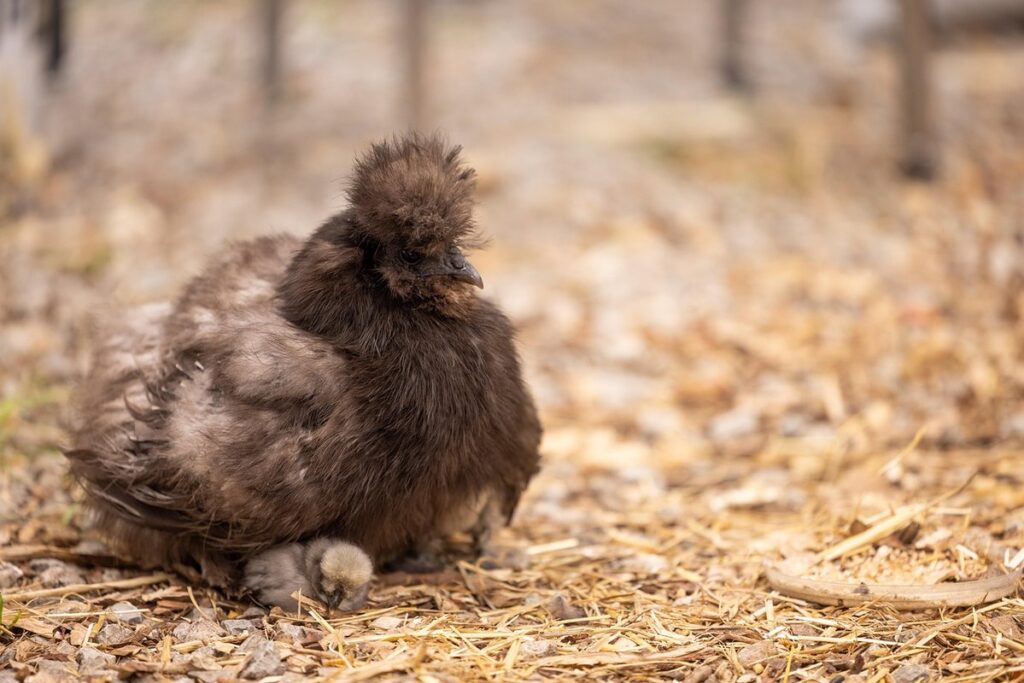
What is a Silkie Bantam Hen?
The Silkie Bantam hen is a miniature version of the popular Silkie chicken breed, characterized by its fluffy, soft feathers and small size. Let’s dive into the details that make this little hen so unique.
Origin and History of Silkie Chickens
Silkies have a rich and fascinating history that spans centuries. The breed’s origins can be traced back to Asia and Europe, where they were highly prized for their unique appearance and gentle nature. In China, Silkies were considered a sacred animal and were often given as gifts to royalty.
The breed was later introduced to Europe by Italian traders in the 13th century, where they became popular among the nobility. They were highly sought after for their soft, fluffy plumage and affectionate personalities. The Silkie’s distinctive look, with its fur-like feathers and crested topknot, made them a favorite among breeders.
Interestingly, Silkies were initially bred as companions rather than for egg-laying or meat production. Their gentle nature and adaptability to living conditions made them an ideal choice for household pets. Today, the Silkie remains one of the most popular breeds worldwide, cherished for its unique appearance and loving personality.
Physical Characteristics of Silkie Bantams
One of the most striking features of Silkie Bantams is their unique physical characteristics. Their fluffy plumage, also known as “feathered skin,” gives them a soft and velvety appearance. This distinctive feature is due to the lack of down feathers underneath their outer layer of feathers, making it feel like silk to the touch.
Their faces are also adorned with impressive beards and crests, adding to their endearing charm. Males have larger crests than females, and both sexes can boast equally majestic beard growth. The beards come in a variety of lengths and styles, ranging from short and neat to long and flowing.
To properly care for your Silkie Bantam’s unique features, ensure they stay clean by gently wiping their faces with a damp cloth daily. This helps prevent dirt and debris from accumulating around their crests and beards. Also, keep an eye out for matting or tangling of their feathers, particularly in areas prone to moisture such as the vent area.
Their compact size, weighing between 1-2 pounds, makes them perfect for backyards with limited space. With proper care, your Silkie Bantam can thrive and bring joy with its charming appearance and loving nature.
Caring for Your Silkie Bantam Hen
Proper care and attention are essential to keeping your silkie bantam hen happy and healthy, so let’s dive into the details of what you need to know. With the right care, she’ll thrive in her new home.
Housing Requirements for Silkie Chickens
When it comes to providing a comfortable living space for your Silkie bantam hen, understanding their housing requirements is crucial. These small but delightful birds require more room than you might think to stay healthy and happy.
Firstly, consider the minimum square footage required per bird. A general rule of thumb is to provide at least 2-3 square feet (0.1-0.2 square meters) of floor space per Silkie bantam. However, it’s essential to remember that this tiny breed needs ample room for stretching, exercising, and flapping their wings.
In addition to sufficient space, ventilation also plays a vital role in maintaining the health and well-being of your Silkie bantams. Ensure that their coop has adequate airflow by installing windows or vents to allow fresh air to circulate. A temperature range between 40°F (4°C) and 80°F (27°C) is suitable for these birds, so avoid placing them near drafty areas or extreme temperatures.
Remember, Silkie bantams are sensitive to cold drafts and heat stress. Provide a well-ventilated coop with adequate bedding materials like wood shavings or straw to maintain a comfortable living environment for your feathered friend.
Nutrition and Diet for Silkie Bantams
Silkies are renowned for their unique appearance and affectionate nature, but they also require careful consideration when it comes to nutrition. A well-balanced diet is essential for maintaining the health and vibrancy of your Silkie Bantam hen.
As a general rule, Silkies benefit from a high-quality commercial layer feed as their main staple, supplemented with fresh fruits and vegetables. However, you should note that they have specific requirements when it comes to protein sources. A good quality commercial layer feed typically contains around 16-18% protein content. This meets the nutritional needs of your Silkie Bantam hen.
In addition to a balanced commercial feed, consider adding some nutrient-rich supplements like mealworms or sunflower seeds. These provide essential vitamins and minerals that contribute to maintaining healthy plumage and overall well-being. Fresh water must always be available to ensure proper hydration.
A calcium supplement is particularly important for Silkies as they age, especially during egg-laying season. You can add crushed oyster shells or dark leafy greens like kale or spinach to their diet to provide the necessary calcium content.
Health Considerations for Silkie Bantam Hens
When keeping Silkie Bantams as pets, it’s essential to consider their specific health needs, including susceptibility to frostbite and feather mites. Proper care can help prevent these issues.
Common Health Issues in Silkies
Silkies are prone to several health issues that can be detrimental if not addressed promptly. One common problem is feather pecking, a behavior where hens peck at their own feathers or those of other birds, leading to stress and skin irritation. This condition often arises due to boredom, lack of stimulation, or improper nutrition.
Respiratory problems are another concern in Silkies, particularly those with long beards. The excessive growth can obstruct airflow, causing difficulty breathing and exacerbating conditions such as bronchitis or pneumonia. To mitigate this issue, it’s essential to trim the feathers around the beak area regularly.
Moreover, Silkies are susceptible to hypothyroidism, a condition where the thyroid gland doesn’t produce enough hormones. This can lead to weight gain, lethargy, and decreased egg production. Regular veterinary check-ups and maintaining a balanced diet can help prevent this condition.
By recognizing these potential health issues early on, you can take proactive steps to ensure your Silkie hens live long, healthy lives.
Preventative Measures for Silkie Chickens
To keep your silkie bantams healthy and thriving, it’s essential to implement preventative measures that protect them from common health issues. Vaccination protocols are crucial in preventing diseases such as Newcastle disease, Marek’s disease, and infectious bronchitis.
Firstly, ensure your birds receive core vaccinations at 6-8 weeks of age. These typically include Newcastle disease and infectious bronchitis vaccines. Consult with a veterinarian to determine the best vaccination schedule for your flock.
Parasite control is also vital in maintaining good health. Regularly inspect your birds for signs of mites, lice, or fleas, and treat promptly if necessary. Use safe and effective medications specifically designed for poultry, and follow instructions carefully.
Additionally, provide a clean and well-ventilated coop, and maintain proper hygiene practices. This includes disinfecting feeders, waterers, and the coop regularly. Keep your flock’s living space free from debris, clutter, and standing water to prevent pest infestations.
Breeding and Raising Silkie Bantam Hens
Breeding Silkie Bantams can be a rewarding experience, but it requires careful planning and attention to detail. Let’s dive into the essential tips for successfully raising these adorable hens from chick to adulthood.
Raising Silkie Chicks from Hatch
Raising silkie chicks from hatch requires attention to detail and a proper setup. When you receive your shipment of chicks, it’s essential to have a brooder ready. This is a safe space for the chicks to grow and thrive until they’re old enough for outdoor exposure.
A good brooder should provide adequate ventilation, heat, and protection from drafts. A heat source such as a heat lamp or ceramic heat emitters should be placed carefully to avoid burns. The temperature in the brooder should be around 90-95°F (32-35°C) on the first day, dropping by about 5 degrees each week.
Monitor your chicks’ water and food intake closely, ensuring they always have access to fresh supplies. Keep an eye out for signs of stress or illness, such as labored breathing, lethargy, or diarrhea. Clean the brooder regularly to prevent disease and maintain a healthy environment.
It’s also crucial to provide your silkie chicks with a balanced starter feed that includes essential nutrients for growth. Make sure to follow the manufacturer’s instructions for feeding amounts and schedules. With proper care, your silkie chicks will develop into strong and healthy birds.
Tips for Successful Breeding Programs
When establishing a breeding program for Silkie Bantam Hens, it’s essential to have a clear understanding of your goals and selection criteria. The primary objective is to produce healthy, high-quality birds that meet the breed standards while maintaining genetic diversity.
To achieve this, you should prioritize selecting hens with desirable traits such as soft, fluffy plumage, good egg-laying capacity, and friendly temperament. It’s also crucial to assess their overall health, including robustness and resistance to diseases. Consider factors like egg size, shell quality, and fertility when evaluating breeding stock.
Maintaining genetic diversity is vital to prevent inbreeding depression, which can lead to reduced fertility, increased susceptibility to disease, and lower hatch rates. To achieve this, incorporate birds from different bloodlines or introduce new genetics through outcrossing with unrelated breeders. Regularly monitor your flock’s health and make adjustments as needed to ensure the long-term success of your breeding program.
Start by identifying a small group of exceptional hens that excel in multiple areas and use them as foundation stock for your program. Monitor their offspring closely, selecting only those that meet your standards while maintaining genetic diversity. This approach will help you build a robust and healthy breeding program over time.
Showing Your Silkie Bantam Hen
When showing off your beautiful Silkie Bantam hen, make sure she looks her absolute best by following a few simple grooming tips. A well-groomed bird is always a crowd-pleaser!
Breed Standards for Silkie Chickens
When showing your Silkie chicken bantam hen, it’s essential to be familiar with the breed standards that govern this charming breed. The American Bantam Association (ABA) and the American Poultry Association (APA) are two prominent organizations that establish guidelines for Silkie chickens.
According to these organizations, Silkies must meet specific requirements in terms of plumage, size, and behavior. For instance, their feathers should be soft, fluffy, and lack any harsh or wiry texture. The breed standard also calls for a well-rounded body, with males weighing between 10-13 ounces (280-370 grams) and females weighing between 8-11 ounces (225-310 grams).
In terms of behavior, Silkies are known for their calm demeanor and docility. They should be friendly, outgoing, and willing to interact with judges during the show. If your Silkie is exhibiting aggressive or fearful behavior, it may impact its chances of winning in a competition.
To prepare your Silkie for showing, focus on maintaining its plumage, weight, and temperament. Regular grooming sessions will help keep their feathers in top condition, while providing a balanced diet and plenty of exercise will ensure they reach the desired weight range.
Tips for Success in the Show Ring
When it’s time to show off your Silkie bantam hen’s best features, confidence and correct handling are key. To make a great impression in the show ring, start by getting familiar with your bird’s temperament and personality. This will help you understand how she’ll react to being handled and presented.
To handle your Silkie correctly, focus on supporting her body rather than picking her up, which can be stressful for both you and the hen. Hold her gently but firmly around the wings, making sure not to constrict or pinch her feathers.
Presentation is just as important as handling when it comes to showing your Silkie bantam hen. Pay attention to grooming: fluff out her plumage to showcase its unique texture and appearance. Make sure her beak and claws are clean, and that she has a clear path to move around in the show ring.
Conclusion: The Joy of Keeping Silkie Bantam Hens
As we come to the end of our comprehensive guide, it’s time to reflect on what makes keeping silkie bantam hens such a delightful experience for backyard farmers like you. Here, we’ll share some final thoughts and highlights from your Silkie Bantam Hen journey so far.
Summary of Key Takeaways
If you’ve made it this far through our comprehensive guide to Silkie Bantam Hens, you’re likely eager to bring these delightful birds into your life. Before we conclude, let’s recap the key takeaways from our journey together.
First and foremost, Silkie Bantams are a unique breed known for their fluffy silken feathers and docile nature. They thrive in small spaces, making them perfect for backyard chicken keepers or those with limited space. However, it’s essential to consider their specific needs when choosing the right coop and run design.
When selecting Silkie Bantam eggs, be aware that they are relatively low-producers, averaging 120-150 eggs per year. Yet, their small size makes them ideal for small-scale egg production or as pets in their own right.
To ensure your Silkie Bantams stay happy and healthy, prioritize a balanced diet rich in protein and calcium, along with plenty of fresh water and regular health checks. Regular grooming is also crucial to prevent matting and tangling of their signature feathers.
By following these guidelines and considering the special needs of Silkie Bantam Hens, you’ll be well on your way to creating a joyful and rewarding experience for both you and your new feathered friends.
Final Thoughts on the Charms of Silkies
As we conclude our comprehensive guide to Silkie chicken bantam hens, it’s hard not to be charmed by their unique qualities. These little balls of fluff have captured the hearts of many backyard chicken enthusiasts with their soft, fluffy feathers and gentle nature. But beyond their physical appearance, Silkies possess a special something that sets them apart from other breeds.
Their curious and playful personalities make them an absolute joy to watch, as they explore their surroundings and interact with their human caregivers. And let’s not forget their incredible intelligence – Silkies are known to figure out how to open doors, escape enclosures, and even solve simple puzzles! It’s no wonder that many Silkie owners report a deep bond forming between themselves and their feathered friends.
If you’re considering adding a Silkie to your flock, remember that these little ladies require patience, understanding, and a commitment to providing the special care they need. But trust us – it’s well worth the effort. With proper attention and love, Silkies will reward you with affection, entertainment, and years of happy companionship.
Frequently Asked Questions
Can I keep a Silkie Bantam Hen as a pet if I have other chickens with different breeds?
Yes, Silkies can be integrated into your flock, but it’s essential to introduce them slowly and under close supervision. Start by keeping the Silkie separate from the rest of the flock for a few days before introducing her to prevent any stress or fighting.
How often should I clean my Silkie Bantam Hen’s coop?
Regular cleaning is crucial for maintaining your Silkie’s health. Remove soiled bedding, droppings, and debris at least once a week, and disinfect the coop thoroughly. This will help reduce the risk of diseases and parasites.
Can Silkies be shown in poultry competitions if they don’t meet breed standards?
While it’s possible to show a Silkie that doesn’t meet breed standards, it may not be as competitive. However, many judges appreciate unique characteristics and personalities. Research local competition rules and consider consulting with an experienced breeder or judge for guidance.
What are some common health issues in Silkies, and how can I prevent them?
Silkies are prone to conditions like frostbite, respiratory problems, and mites. Keep your Silkie’s feathers clean and dry, provide a warm and draft-free environment, and regularly inspect her for signs of mites or other parasites.
Can I raise Silkie Bantam Hens from hatch on my own, or do I need professional help?
You can raise Silkies from hatch on your own, but it requires careful planning and attention to their specific needs. Research reputable breeders or online resources for guidance on proper care and feeding during this critical period.