
If you’re lucky enough to have Silkie chickens in your life, you know how lovable and entertaining they can be. But caring for these fluffy friends requires more than just their adorable appearance – it demands attention to detail and a commitment to providing the best possible care. From housing and nutrition to health considerations and more, there’s a lot to consider when it comes to Silkie chicken care. As a responsible owner, you want to ensure your flock is happy, healthy, and thriving. That’s why we’ve put together this comprehensive guide to help you navigate the ins and outs of caring for your Silkie chickens. In this article, we’ll cover everything from setting up their coop to monitoring their health and nutrition needs, so you can enjoy the joys of owning these amazing birds with confidence.
Introduction to Silkie Chickens
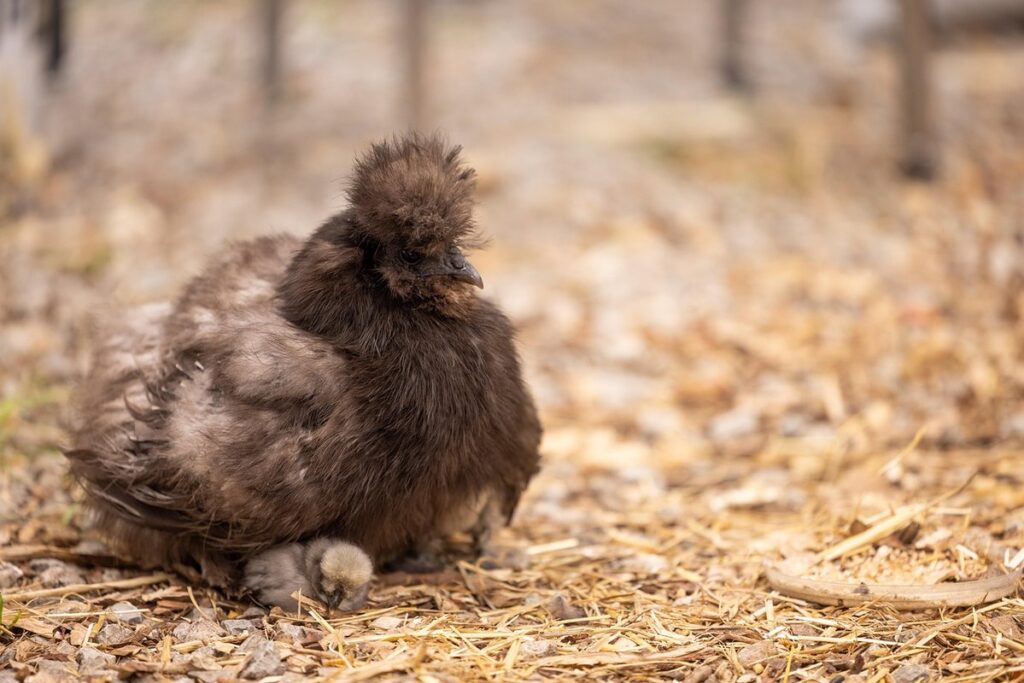
Silkie chickens are known for their fluffy, gentle nature and soft feathers, making them a popular choice among backyard chicken keepers. But what makes these birds so unique?
Characteristics and Temperament
Silkies are known for their endearing appearance and affectionate nature. Their fluffy feathers set them apart from other breeds, with some owners describing their plumage as looking more like cotton candy than traditional chicken feathers. In addition to their distinctive looks, Silkies possess a gentle disposition that makes them a delight to be around. This amiable temperament is one of the reasons why they’re often recommended for families or as pets.
Their friendly personality also means that Silkies are quick to form close bonds with their owners and other chickens in the flock. However, this social nature can sometimes make them a bit too curious for their own good – Silkies have been known to wander off if left unattended, so it’s essential to keep an eye on them.
Silkies also tend to be relatively quiet compared to some other breeds, which makes them an excellent choice for backyard chicken keepers living in urban areas. With proper care and attention, these lovable birds will reward you with their playful antics and endearing presence.
History and Origin
Silkie chickens have been delighting backyard farmers and poultry enthusiasts for centuries. Their unique appearance and endearing personalities make them a popular choice among chicken keepers. But where did this beloved breed come from?
The history of Silkie chickens dates back to ancient China, where they were highly valued for their soft, fluffy plumage and gentle nature. In fact, Silkies were considered sacred animals in Chinese culture and were often kept as pets by royalty and nobility. They were also used for breeding purposes to create other unique breeds.
From China, Silkie chickens spread to other parts of Asia, including Japan and the Philippines, where they were further developed and refined. It’s believed that Silkies were introduced to Europe in the 13th century through trade routes with Asia. Today, Silkie chickens are found on farms and backyards all over the world.
Understanding the origins of Silkie chickens can help you appreciate their unique characteristics and traits. By knowing where they came from, you’ll be better equipped to provide them with the care and attention they need to thrive.
Housing and Equipment for Silkies
When it comes to caring for Silkie chickens, providing a suitable environment is crucial. This includes setting up the perfect coop and choosing essential equipment that meet their unique needs.
Coop Requirements
When it comes to providing a suitable coop for your Silkie chickens, there are several key considerations to keep in mind. First and foremost, size is crucial – Silkies require a minimum of 2-3 square feet of space per bird inside the coop, not including any outdoor run or enclosure. This means that for even a small flock of two or three birds, you’ll need a coop with at least 6-9 square feet of interior space.
Ventilation is also essential to prevent respiratory issues in your Silkies. A well-designed coop will have adequate windows and vents to allow fresh air to circulate while keeping predators out. Consider using wire mesh for any ventilation openings to keep unwanted visitors at bay.
Insulation is another critical factor, as it helps regulate the internal temperature of the coop and protect against extreme weather conditions. You can use a combination of materials such as straw, hay, or even foam board insulation to keep your Silkies cozy year-round. When building or purchasing a coop, be sure to prioritize these essential considerations for optimal Silkie health and happiness.
Perches and Nesting Boxes
Silkies need regular perches to exercise their legs and stretch their wings. A good rule of thumb is to provide at least 12 inches of roosting space for every three chickens. You can either build custom perches or repurpose old wooden planks, but make sure they’re sturdy enough to support your birds’ weight.
When it comes to nesting boxes, Silkies have a unique preference. They prefer enclosed spaces with a small entrance, allowing them to easily enter and exit without feeling threatened. A good nesting box should be around 12 inches wide, 12 inches deep, and 18 inches tall, with a sloping roof for easy egg-laying.
Consider placing the nesting boxes at a comfortable height, about 2-3 feet off the ground, and make sure they’re easily accessible from the perches. You can also add soft bedding material like straw or hay to make them more inviting for your Silkies. By providing these essential amenities, you’ll encourage your birds to live comfortably and healthily in their coop.
Nutrition and Diet for Silkie Chickens
When it comes to caring for your silkie chickens, providing a balanced diet is crucial. We’ll cover everything you need to know about feeding your silkies a healthy and nutritious menu.
Balanced Feed
When it comes to providing the best possible care for your Silkie chickens, their diet is one of the most critical aspects. A balanced feed is essential to ensure they remain healthy, happy, and productive. Commercial feeds are widely available and offer a convenient option for many backyard chicken keepers.
However, some commercial feeds may contain fillers and by-products that can be detrimental to your Silkie’s health in the long run. If you’re concerned about the ingredients in store-bought feed, consider creating a DIY mix using locally sourced grains and supplements. This approach allows you to have complete control over what goes into your birds’ meals.
A well-balanced Silkie feed should include a mix of protein sources (such as soybeans or oats), calcium-rich ingredients (like oyster shells), and vitamins and minerals. To create your own blend, aim for the following rough guidelines: 16-18% protein, 1-2% calcium, and 0.5-1% phosphorus. Consult with a veterinarian or poultry expert to ensure you’re meeting your Silkie’s nutritional needs.
Supplementing with Fresh Fruits and Vegetables
When it comes to supplementing your Silkie’s diet with fresh fruits and vegetables, it’s essential to do so in moderation. Silkies are prone to obesity, so overfeeding can lead to serious health issues. Start by introducing small amounts of treats into their regular meals, such as finely chopped apples or leafy greens like kale.
For healthy treats, consider the following options:
• Berries: Blueberries, strawberries, and raspberries are all great choices for Silkies.
• Leafy Greens: Spinach, collard greens, and mustard greens are rich in vitamins and minerals.
• Citrus Fruits: Orange slices or grapefruit pieces can provide a burst of flavor.
When introducing new fruits and vegetables, be sure to observe your Silkie’s behavior and reaction. If they seem hesitant or show signs of digestive issues, discontinue the particular treat immediately. Also, remember that Silkies have sensitive digestive systems, so avoid giving them too much fiber-rich food, which can cause stomach upset. By incorporating fresh fruits and vegetables into their diet in moderation, you’ll be providing your Silkie with a nutrient-rich supplement to support overall health and well-being.
Health Considerations for Silkie Chickens
When it comes to keeping your Silkies healthy and happy, understanding their unique health considerations is crucial. This section will explore common health issues specific to this breed.
Common Health Issues
Silkies are prone to certain health issues due to their unique characteristics and living conditions. One of the most common problems they face is frostbite. Their soft feathers provide little insulation against cold temperatures, making them susceptible to frostbite on their combs, toes, and other extremities. To prevent this, ensure your Silkie’s coop has adequate ventilation and protection from harsh winds.
Heat stroke is another significant concern for Silkies, particularly in warm climates or during heatwaves. Their heavy feathering makes it difficult for them to regulate their body temperature, leading to life-threatening conditions if not addressed promptly. Keep an eye on the weather forecast and provide extra care during hot spells by offering plenty of fresh water and shaded areas.
Respiratory problems are also common among Silkies due to their brachycephalic (flat-faced) skull structure, which can lead to breathing difficulties. Regular vaccinations and maintaining good air quality within the coop will help minimize this risk.
Preventative Measures
As a Silkie chicken owner, it’s essential to take preventative measures to ensure their health and well-being. Regular vaccinations are crucial in protecting your flock from diseases such as Marek’s disease, infectious bronchitis, and Newcastle disease. Consult with a veterinarian to determine the best vaccination schedule for your Silkie chickens.
Parasite control is also vital, particularly against external parasites like mites, lice, and fleas. Regularly inspect your birds’ feathers, legs, and vents for signs of infestation. Use a gentle, poultry-specific shampoo or powder to treat any issues promptly. Keep in mind that prevention is key – use diatomaceous earth or other non-toxic powders to repel external parasites.
Another critical preventative measure is maintaining a clean living environment. Ensure your coop and run are free from debris, manure, and standing water, which can attract pests and create an ideal breeding ground for disease. Regularly disinfect surfaces with a pet-safe sanitizer and keep fresh food and water readily available to promote overall health. By taking these measures, you’ll significantly reduce the risk of illness and parasites in your Silkie flock.
Grooming and Hygiene for Silkie Chickens
Keeping your Silkies clean and well-groomed is crucial to their health and happiness, so let’s dive into some essential tips. Regular grooming will also help strengthen the bond between you and your flock.
Feathers and Fluff
When it comes to the majestic feathers and fluff of Silkie chickens, proper care and maintenance are crucial to prevent matting, tangling, and other problems. Start by gently detangling your Silkie’s feathers with a wide-tooth comb or a slicker brush specifically designed for birds. Be patient and work slowly, as rough handling can cause damage and discomfort.
For particularly knotted areas, try using a detangling spray or conditioner to help lubricate the feathers. Regular grooming sessions should also include daily brushing to remove loose fluff and prevent matting. Pay special attention to areas around the vent, neck, and base of the tail, where feathers tend to accumulate.
To keep your Silkie’s coat looking its best, consider using a specialized chicken shampoo once or twice a month, depending on environmental conditions and individual needs. Be sure to rinse thoroughly to avoid irritating the skin. Regular grooming and attention will not only promote healthy feathers but also strengthen the bond between you and your beloved Silkie.
Coop Cleaning Schedule
Maintaining a clean coop is essential for the health and well-being of your Silkie chickens. It’s not just about aesthetics; a dirty coop can harbor diseases and parasites that can spread quickly among your flock. To keep your Silkie chickens safe, it’s crucial to establish a regular cleaning schedule.
We recommend cleaning the coop every 1-2 weeks, depending on the size of your flock and the number of chickens per square foot. Start by removing soiled bedding material, such as droppings and uneaten food, and dispose of it properly in a designated area or compost pile. Scrub the walls, floors, and nesting boxes with a mild detergent and water solution to remove any stains or odors.
Don’t forget to clean the feeders and waterers regularly to prevent bacterial growth and contamination. For a more thorough cleaning, consider disinfecting the coop every 6-8 weeks using a veterinary-approved disinfectant. This will help kill bacteria, viruses, and fungi that can cause illness in your Silkie chickens.
Some additional tips for effective coop cleaning include:
• Removing soiled bedding material regularly to prevent moisture buildup
• Checking for signs of pests, such as mites or lice, and taking action promptly if necessary
• Allowing adequate ventilation in the coop to reduce ammonia levels and odors
Breeding and Showing Silkies
Breeding Silkie chickens requires a deep understanding of genetics and temperament, while showing them at events demands attention to detail and presentation. In this part, we’ll explore both aspects in more detail.
Breeding Principles
When it comes to breeding Silkies, understanding the underlying principles of genetics and selection is crucial for producing healthy, high-quality offspring. Genetics play a significant role in determining a chicken’s characteristics, such as its plumage, temperament, and egg-laying abilities. To breed successful Silkies, you need to focus on selecting parents with desirable traits.
Start by identifying the characteristics you want to pass down to your next generation of Silkies. Is it their stunning feathering, gentle nature, or impressive egg production? Once you have a clear idea of what you’re looking for, begin evaluating potential breeding stock based on these criteria. Look for birds with excellent conformation, good health, and desirable traits.
To improve the chances of successful breeding, it’s essential to work with birds that have been bred for their specific characteristics. Research reputable breeders who specialize in Silkies and learn from their experiences. By understanding genetics and selection principles, you’ll be better equipped to produce healthy, high-quality Silkies that meet your standards.
Showing Basics
Preparing to show your Silkies requires attention to detail and a clear understanding of what judges look for in these birds. Before entering a show, make sure your Silkie is healthy and well-groomed. This includes regular nail trimming, beak maintenance, and careful attention to feather quality.
At the show ring, you’ll typically find yourself standing alongside other breeders and owners vying for top honors. Be prepared to answer questions about your bird’s ancestry, temperament, and overall health. Judges will evaluate your Silkie based on breed standard, with particular attention paid to its unique characteristics – soft feathers, gentle demeanor, and adorable “mug” face.
Some essential tips to keep in mind when showing Silkies include:
* Familiarize yourself with the breed standard and the specific requirements for judging
* Choose a bird that meets these standards and is well-suited for competition
* Practice handling your Silkie to help it become comfortable and confident around new people and environments
* Learn how to properly present your bird in the show ring, including standing positions and visual displays
Frequently Asked Questions
Can I keep Silkies as pets if I live in a small apartment?
You can, but consider their exercise needs and social requirements. Provide regular outside time for them to roam and interact with other birds. Ensure their coop is spacious enough to accommodate their unique needs.
How often should I clean the coop and run to prevent disease and pests?
Clean the coop at least every 1-2 weeks, removing soiled bedding and droppings. Disinfect all surfaces and provide fresh bedding material. Regularly inspect for signs of mites, lice, or other parasites.
What is the ideal temperature range for Silkies in their coop?
Silkies prefer temperatures between 40°F (4°C) and 80°F (27°C). In extreme heat or cold, provide shade or supplemental heating to maintain a comfortable environment. Avoid placing them in drafty areas or near drafts.
Can I mix Silkies with other chicken breeds in the same coop?
Yes, but introduce them slowly to prevent stress. Choose compatible breeds that have similar temperaments and needs. Ensure enough space and resources for all birds, including food, water, and perches.
How can I handle health issues specific to Silkies, such as their tendency towards obesity?
Monitor your flock’s weight closely, providing a balanced diet with regular exercise. Limit treats and ensure they have access to fresh fruits and vegetables daily. Regularly inspect them for signs of obesity or related health issues.