
If you’re one of the many poultry enthusiasts who can’t resist the charm of silkies, you’re probably aware that these lovable birds require special care to thrive. But where do you start when it comes to providing top-notch housing, nutrition, and health for your silkie flock? With their gentle nature and stunning plumage, it’s no wonder why many chicken keepers fall head over heels in love with silkies – but it’s essential to understand their unique needs if you want to raise happy, healthy birds. In this comprehensive guide, we’ll cover everything from breeding and nutrition to health checks and grooming tips, so you can confidently care for your silkie chickens and enjoy the rewards of raising these remarkable birds.
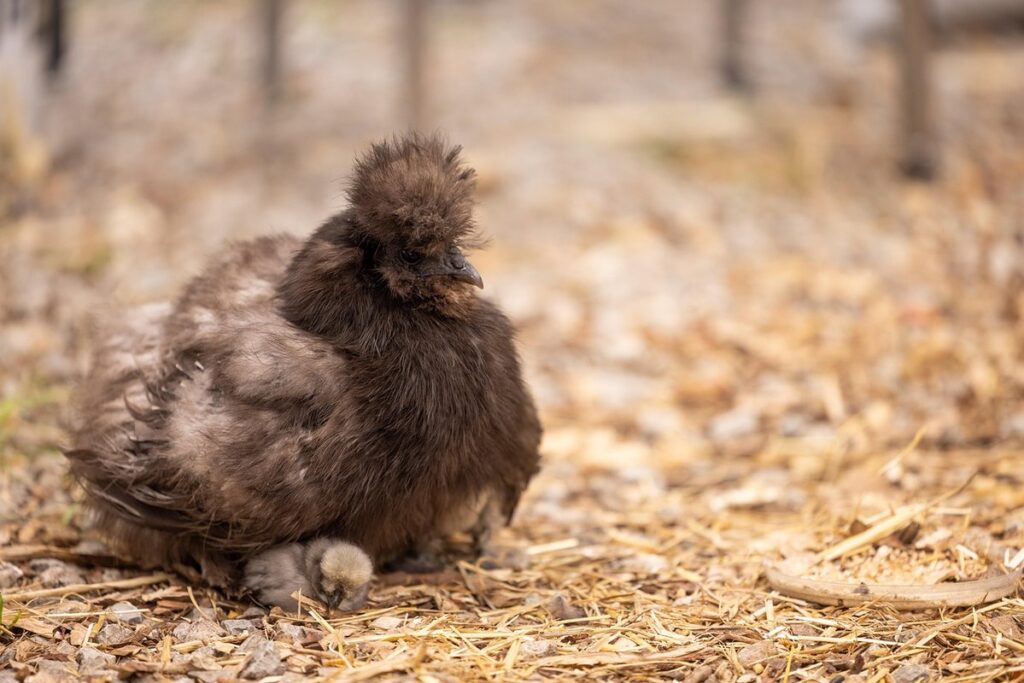
Introduction to Silkie Chickens
Silkies are a beloved breed known for their fluffy feathers and affectionate nature, but what exactly makes them so special and how do you care for one? Let’s start at the beginning.
Origin and History of Silkies
Silkies have been delighting chicken enthusiasts for centuries with their fluffy feathers and charming personalities. Originating from China, this breed is believed to have descended from the Langshan and Cochin breeds. The exact date of their emergence is unclear, but it’s thought to be around the 13th century.
One theory suggests that Silkies were bred as a mutation from other chicken breeds, with their unique feathers resulting from a genetic variation. Their popularity soon spread throughout Asia, where they were prized for their soft plumage and friendly nature. In the late 19th century, Silkies were introduced to Europe, where they quickly gained a following among poultry enthusiasts.
Today, Silkies are one of the most beloved breeds globally, sought after by backyard chicken keepers and professional breeders alike. Their gentle disposition, combined with their striking appearance, makes them an ideal choice for many chicken owners. If you’re considering adding Silkies to your flock, be prepared for a lifetime of joy and companionship from these charming birds.
Characteristics of Silky Chickens
Silky chickens are truly one-of-a-kind birds that capture the hearts of many backyard chicken keepers. Their unique characteristics make them a joy to have around the farm or homestead. For starters, their fluffy feathers are a sight to behold! The soft, silken plumage is not only adorable but also provides excellent insulation against cold temperatures.
But it’s not just their appearance that makes silkies so endearing – their gentle nature is another key characteristic that sets them apart from other breeds. Silkies are known for being friendly and docile, making them an excellent choice for families with children or for those who want a low-maintenance pet. They’re also relatively small in size, weighing between 2-4 pounds (0.9-1.8 kg), which makes them perfect for smaller spaces.
If you’re considering adding silkies to your flock, be prepared for their affectionate nature – they love human interaction and will often follow you around the yard! With proper care and attention, silkies can thrive in a variety of environments, making them an excellent addition to any backyard chicken keeping setup.
Housing and Environment for Silkies
When it comes to keeping your Silkies happy and healthy, their housing and environment play a crucial role. In this section, we’ll dive into creating the perfect space for your feathered friends.
Creating an Ideal Coop
When it comes to creating an ideal coop for your silkie chickens, there are several essential features to consider. First and foremost, ventilation is crucial to prevent ammonia buildup and moisture accumulation. You’ll want to ensure that your coop has adequate airflow through windows, vents, or automatic doors that can be opened during the day.
Lighting is also vital for silkies’ well-being. They require around 14 hours of daylight, so consider installing skylights, solar tubes, or LED lights specifically designed for chicken coops. A 12V light timer will help simulate natural day-night cycles and prevent your silkies from becoming stressed due to unusual lighting schedules.
In terms of space, silkies need about 3-4 square feet per bird inside the coop, considering their compact size and tendency to roost together. Add a little extra space for egg-laying hens or if you plan on introducing more birds in the future. Plan ahead by including nesting boxes, feeders, waterers, and easy cleaning areas within your design.
Outdoor Runs and Enclosures
When it comes to providing a safe and healthy environment for your silkies, a secure outdoor area is just as crucial as their coop. Silkies are social birds that thrive on freedom and exercise, which makes it essential to give them ample space to roam outside.
Provide an enclosure that’s specifically designed for silkies, with sturdy fencing or netting to prevent escape attempts. Aim for a minimum of 2×4 feet of outdoor space per bird, but ideally more if possible. You can also consider creating a “walk-in” run or a large fenced area in your backyard where your silkie can exercise and explore safely.
To keep predators out and your birds safe, make sure the fencing is at least 3 feet high and buried 12 inches underground to prevent digging. Consider adding a roof or canopy to provide shade and protection from harsh weather conditions.
Remember to supervise your silkies when they’re in their outdoor enclosure, especially if there are any potential hazards such as loose wire, toxic plants, or other small animals that might harm them. With the right setup, your silkie will thank you for the freedom to roam and exercise safely outside!
Tips for Integrating Silkies into Your Flock
When introducing Silkies to an existing flock or creating a harmonious multi-breed flock, it’s essential to consider their unique personalities and needs. Silkies are known for their friendly and docile nature, but they can also be quite curious and energetic. To ensure a smooth integration, start by introducing them to a small group of calm and gentle birds from the existing flock.
This allows the Silkies to get accustomed to the new environment and social dynamics without feeling overwhelmed. Gradually increase their exposure to the rest of the flock over time, monitoring their behavior and adjusting as needed. Provide multiple roosting bars and nesting boxes to accommodate different preferences and needs within your multi-breed flock.
When introducing a new Silkie to an existing flock, try the following: introduce them at night when the birds are most relaxed, keep them separated for a few days before merging them, and ensure adequate space per bird (at least 2-3 square feet) to prevent stress and competition. By taking these steps, you can create a harmonious environment where all your flock members thrive.
Nutrition and Diet for Silkie Chickens
When it comes to keeping your Silkies happy and healthy, a well-planned diet is crucial. This section will explore the nutritional needs of Silkies and provide guidance on feeding them a balanced and nutritious diet.
Dietary Needs of Silkies
When it comes to providing optimal care for your Silkies, their dietary needs are a top priority. These adorable birds require a balanced diet that meets their specific nutritional requirements.
Silkies need a moderate amount of protein in their diet, around 16-18% of their daily calorie intake. A high-quality layer feed or starter feed can provide this necessary protein. You can also supplement with foods rich in protein such as mealworms, sunflower seeds, and hard-boiled eggs. However, it’s essential to avoid overfeeding protein, as this can lead to health issues.
Calcium is another critical component of a Silkie’s diet. These birds require a calcium-rich feed or supplements to support strong bone growth and prevent metabolic disorders. You can provide crushed oyster shells or dark leafy greens like kale and spinach to meet their calcium needs. It’s also crucial to ensure fresh water at all times, as Silkies are prone to kidney stones if dehydrated.
A balanced diet that includes a mix of grains, proteins, and vegetables will keep your Silkies healthy and thriving.
Feeding Methods and Tips
When it comes to feeding your silkie chickens, there are several methods you can choose from depending on your lifestyle and preferences. Free-ranging is a popular option that allows your birds to forage for food freely, providing them with essential exercise and mental stimulation. However, this method requires careful planning to ensure they have access to nutritious food sources.
Confinement feeding, on the other hand, involves providing a balanced diet in a coop or run. This method is more manageable for busy owners but may lead to boredom and obesity if not done correctly. Supplementing with treats can add variety to their diet, but make sure to choose healthy options that complement their main feed.
It’s essential to note that silkie chickens are prone to obesity due to their fluffy coats, so monitor their food intake closely. Offer a mix of grains, proteins, and fruits to ensure they get the necessary nutrients. Avoid overfeeding, as this can lead to health issues down the line. Consider consulting with a veterinarian or poultry expert for personalized advice on feeding your silkie flock.
Health Implications of a Poor Diet
Silkies require a nutrient-rich diet to maintain their unique appearance and overall health. However, an inadequate diet can lead to various health issues that compromise the well-being of these birds.
A poor diet can cause malnutrition, resulting in feather loss, skin problems, and weakened immune systems. For instance, silkies may develop conditions like scaly leg syndrome or soft, brittle feathers due to a lack of essential vitamins and minerals. Moreover, an imbalance of proteins and carbohydrates can lead to digestive issues such as diarrhea or constipation.
Overfeeding is another common mistake that can have serious health implications for silkies. Consuming excessive amounts of calories can cause obesity, increasing the risk of conditions like diabetes and heart disease. In extreme cases, overeating can even lead to organ failure.
To prevent these health problems, provide your silkie with a balanced diet consisting of high-quality commercial feed supplemented with fresh fruits and vegetables daily. Limit treats, and avoid overfeeding to maintain an ideal weight for your bird. Regular health checks and monitoring of your silkie’s condition will also help detect any potential issues early on.
Health Considerations for Silkie Chickens
When it comes to keeping your Silkies happy and healthy, there are some key health considerations to be aware of to prevent common issues that can arise in these lovable birds. Let’s take a closer look at what you need to know.
Common Health Issues in Silkies
Silkies are prone to certain health issues due to their unique characteristics and genetic makeup. Respiratory problems are a common concern, as their flat faces can cause breathing difficulties, especially during hot weather. Monitor your silkie’s breathing closely, and ensure they have access to plenty of fresh air and ventilation in their coop.
Obesity is another issue that affects silkies. Their fluffy coats can make them appear healthy even when they’re overweight, but excess weight can lead to a range of health problems, including heart disease and diabetes. Feed your silkie a balanced diet and limit treats to prevent obesity. Regular exercise is also essential for maintaining a healthy weight.
Feather pecking is another behavior that silkies may exhibit due to boredom or stress. This habit can be detrimental to their overall health as it leads to feather loss, skin irritation, and even cannibalism. Provide your silkie with plenty of toys and stimulation to keep them occupied, and consider introducing other birds to the flock for social interaction.
Keep a close eye on these potential issues, and consult a veterinarian if you notice any unusual behavior or signs of illness in your silkie. Regular check-ups can also help identify any underlying health problems early on.
Preventative Measures for Common Health Issues
As a responsible silkie chicken owner, it’s essential to take preventative measures to mitigate common health issues. Silkies are prone to respiratory problems due to their flat face and compact body, making them more susceptible to heat stress and pneumonia. To prevent these issues, ensure proper ventilation in your coop by installing windows or vents to provide fresh air circulation.
Feed a balanced diet that includes high-quality protein sources, such as crickets or mealworms, to support immune function. Avoid overfeeding, as obesity can exacerbate respiratory problems. A clean and well-maintained coop is also crucial; remove soiled bedding regularly, disinfect feeders and waterers daily, and provide a dust bath area for your silkies.
Regular health checks are vital to detect potential issues early on. Monitor your birds’ behavior, appetite, and stool quality daily. Keep an eye out for signs of respiratory problems, such as labored breathing or wheezing. Consult a veterinarian experienced in poultry care if you notice any unusual symptoms. By following these preventative measures, you can help ensure the overall health and well-being of your silkie flock.
Handling and Grooming Silkie Chickens
When it comes to caring for your silky flock, understanding how to handle and groom them properly is crucial for their comfort and well-being. We’ll walk you through essential tips for gentle handling and meticulous grooming.
Gentle Handling Techniques
When it comes to handling silkie chickens, it’s essential to be gentle and patient. Their delicate nature requires special care to avoid stressing them out. To pick up a silkie safely, start by approaching them slowly and calmly. Gently scoop up the chicken under its wings, making sure to support their body. Hold the bird securely but not too tightly, as this can cause discomfort.
When holding a silkie, it’s crucial to support their weight evenly across your arms. This will help prevent straining their delicate bones. You should also be mindful of their wings and tail feathers, which can easily get tangled or damaged. If you need to restrain a silkie for any reason, such as nail trimming or vaccinations, do so carefully and briefly.
It’s also essential to let the chickens come to you, rather than trying to pick them up. This will help reduce stress levels and make handling easier for both you and the bird. By being gentle and patient when handling your silkies, you can build trust and create a more positive experience for everyone involved.
Trimming Silkies’ Feathers
Trimming Silkies’ Feathers requires some skill and patience, but with the right tools and techniques, you can keep their beautiful plumage looking its best. To start, gather a few essential items: sharp scissors specifically designed for cutting feathers (dull scissors can lead to uneven cuts and potentially harm your Silkie), a comb or rake for gently detangling any mats or tangles, and some treats to reward your bird for staying calm during the process.
Begin by gently sweeping the comb through the feathers, working from the bottom up. This will help prevent matting and make it easier to cut. Next, use the scissors to carefully trim any overgrown areas, following the natural shape of the feather. Start with small snips and gradually work your way up to larger cuts as needed.
Be cautious not to cut too much at once, as Silkies’ feathers grow quickly, and you’ll need to trim them regularly to maintain their appearance. It’s also essential to be mindful of any matted or tangled areas, as these can cause discomfort for your bird if left unaddressed. By following these steps and taking your time, you’ll be able to keep your Silkie looking its absolute best.
Breeding and Raising Silkie Chicks
When it comes to raising silkie chicks, you’ll want to know the ins and outs of breeding and raising these adorable birds from day one. This section covers essential tips for successful hatching and rearing.
Choosing the Right Parent Stock
When selecting parent stock for breeding purposes, it’s essential to choose healthy and genetically diverse individuals. This ensures that your Silkie chicks will inherit desirable traits such as plumage quality, temperament, and fertility.
To achieve genetic diversity, look for parents with different coat patterns or colors. For instance, breeding a white Silkie with a black one can introduce new genes and reduce the risk of inherited diseases. Consider sourcing parent stock from reputable breeders who prioritize health and genetics.
Evaluate the overall health of potential parent birds by checking for signs of stress, disease, or parasites. A healthy bird should have a shiny coat, bright eyes, and a robust appetite. Avoid breeding from individuals with known genetic issues or those that are too closely related (i.e., siblings or parents).
When possible, select parent stock that reflects the diversity you’re aiming to achieve in your flock. This might involve introducing new bloodlines or incorporating heritage birds into your breeding program.
Hatching and Raising Silkies from Day One
When you hatch silkie chicks from fertile eggs, it’s essential to provide them with proper care and attention right from day one. On the 21st day of incubation, the eggs typically start hatching, and this is where the real fun begins! Silkie chicks are born without their downy feathers, so they rely heavily on their mother for warmth and protection.
Initially, silkie chicks need a brooder with a temperature range of around 90-100°F (32-38°C) to simulate the warmth of their mother’s feathers. The humidity level should be kept high, around 50-60%, to prevent dehydration. You’ll also want to ensure adequate ventilation to maintain air quality.
To promote proper development and health, silkie chicks need a balanced diet that includes starter feed specifically formulated for young chickens. Provide fresh water at all times, and ensure they have access to grit to help with digestion. Monitor their growth closely, and adjust the temperature in the brooder gradually as they mature. By following these guidelines, you’ll set your silkie chicks up for a healthy start in life.
Conclusion and Final Tips
Now that you’ve learned everything you need to know about caring for your Silkie chickens, let’s summarize the key takeaways and offer some final tips for a happy flock.
Recap of Silkie Chicken Care Essentials
To ensure you’re providing the best possible care for your silkie chickens, let’s recap some essential points covered in this comprehensive guide. Proper nutrition is key – offer a balanced diet that includes high-quality pellets, fresh fruits and vegetables, and supplements as needed.
Regular health checks are also crucial: keep an eye out for signs of illness or stress and consult with a veterinarian if you notice any unusual behavior or physical changes. Housing requirements include providing ample space for exercise and dust baths, as well as adequate ventilation to prevent ammonia buildup in the coop.
Other essential aspects of silkie chicken care include regular grooming to maintain their unique coat, socialization and interaction to keep them happy and healthy, and proper protection from predators and extreme weather conditions. Don’t forget about providing a safe and clean living environment by regularly cleaning the coop and runs.
By following these guidelines and being attentive to your silkie chickens’ specific needs, you’ll be well on your way to creating a happy and thriving flock.
Additional Advice and Resources
For those who are new to raising silkie chickens or need extra guidance, there are several resources and communities available that can provide valuable support. The Silkie Chicken Club is a great place to connect with other owners, share experiences, and learn from experts. You can also join online forums like Backyard Chickens or Chickens Forum to ask questions and get advice on caring for your silkies.
In addition, there are many books and guides available that focus specifically on silkie chicken care. “The Silkie Chicken: A Comprehensive Guide” by [Author] is an excellent resource that covers topics such as breeding, health issues, and nutrition. You can also find online courses or workshops that teach specific skills like raising silkies from hatch to maturity.
Don’t be afraid to reach out to local breeders or veterinarians for advice on caring for your silkie flock. They often have valuable insights and experience that can help you navigate any challenges that arise. By connecting with other owners, learning from experts, and accessing reliable resources, you’ll be well-equipped to provide the best possible care for your beloved silkies.
Frequently Asked Questions
What is the ideal temperature range for silkies, and how can I ensure they stay comfortable?
Silkies are sensitive to extreme temperatures and require a moderate climate between 40°F to 80°F (4°C to 27°C). To maintain a comfortable environment, provide adequate ventilation in their coop and run. Consider using a thermometer to monitor the temperature and take measures to regulate it during hot or cold spells.
How often should I clean my silkie’s living space, and what are some essential cleaning supplies?
Maintain cleanliness by cleaning your silkie’s coop and run regularly. Aim for a weekly deep clean with a gentle detergent and scrub brush. Also, disinfect feeding and watering equipment daily to prevent bacterial growth.
Can silkies be kept with other breeds, or do they require separate housing?
Silkies can coexist with calm and peaceful breeds, but introducing them to a new flock requires patience and caution. Start by separating the birds initially and gradually introduce them under close supervision. This will help minimize stress and ensure a harmonious flock.
How do I determine if my silkie is sick or injured, and what are some common signs of illness?
Regular health checks can help identify potential issues early on. Monitor your silkies’ behavior, appetite, droppings, and overall condition. Watch for signs like lethargy, changes in droppings, labored breathing, or unusual feathers. Consult with a veterinarian experienced in poultry care if you suspect any health problems.
Can I breed my silkie with another breed to create hybrid offspring?
Breeding silkies with other breeds can result in unique characteristics and traits. However, it’s essential to research the compatibility of the two breeds and consider factors like egg-laying capacity, growth rate, and overall temperament. Consult with an experienced breeder or poultry expert to ensure a successful crossbreeding program.