
Silkie chickens are known for their stunning appearance, but have you ever stopped to think about all the amazing colors they come in? From soft, fluffy whites to rich, dark blacks and everything in between, Silkie chicken colors are a true marvel. But did you know that each color variation is the result of complex genetics? Understanding these intricacies can help you care for your Silkies like a pro.
If you’re a seasoned backyard farmer or just starting out with these adorable birds, learning about Silkie chicken colors is essential to their health and happiness. In this article, we’ll delve into the fascinating world of Silkie color genetics, explore the unique characteristics of each breed, and provide expert tips on how to care for your stunning Silkies. Whether you’re a seasoned breeder or just starting out, get ready to be amazed by the incredible diversity of Silkie chicken colors!
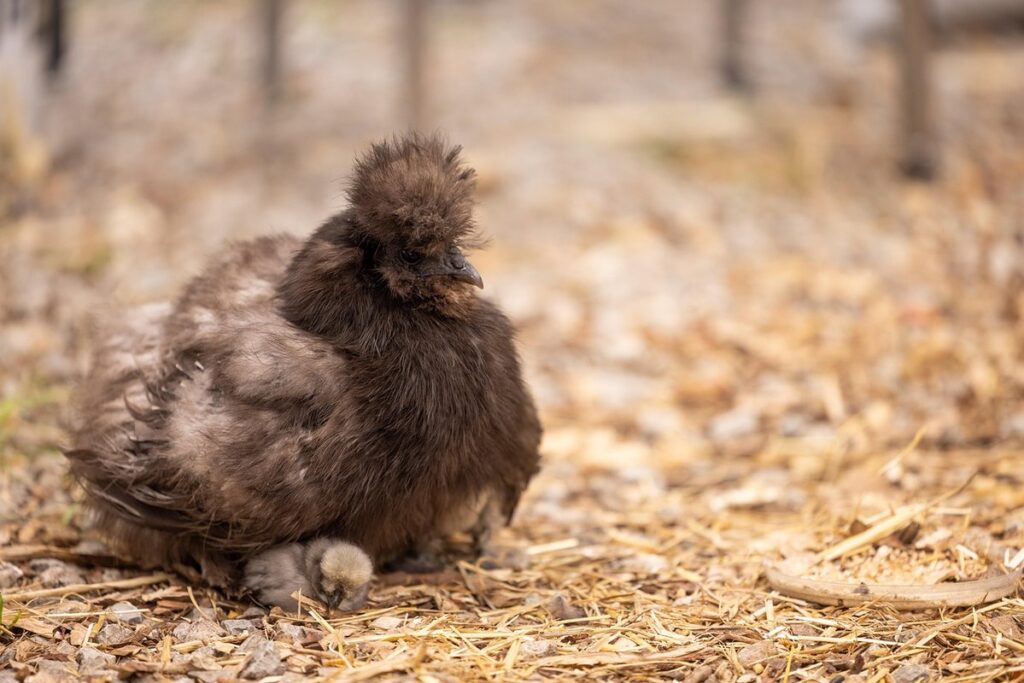
Introduction to Silkie Chickens
If you’re new to Silkies, let’s start at the beginning and explore what makes these fluffy friends so unique and special. In this next part of our guide, we’ll delve into their characteristics.
History and Origin of Silkies
The Silkie chicken breed has its roots in Asia, specifically in China and Japan, dating back to the 13th century. These birds were highly prized for their soft, fluffy plumage and gentle nature. The Silkies’ unique appearance was likely a result of natural mutations that occurred over time.
Legend has it that Silkies were brought to Europe by Marco Polo during his travels along the Silk Road trade route. However, this theory is not entirely accurate as it’s now believed that Silkies may have been introduced to Europe through other means.
It wasn’t until the 19th century that Silkie chickens gained popularity among chicken enthusiasts in England and France. Breeders were captivated by their adorable appearance and began to develop new colors, including the classic white, black, blue, and buff varieties.
Today, Silkies are one of the most popular backyard breeds due to their gentle nature, unique appearance, and relatively low-maintenance care requirements.
Characteristics of Silkies
Silkies are truly one of a kind when it comes to backyard chickens. It’s their unique characteristics that make them such a beloved breed among chicken enthusiasts. One of the most distinctive features of silkies is their fluffy feathers, which give them a soft and cuddly appearance. Unlike other breeds, silkies have a crest of fur on top of their heads, as well as long, flowing feathers on their necks, backs, and tails.
In addition to their physical characteristics, silkies are also known for their friendly nature. They are often described as gentle giants, and they love human interaction. Silkies are great with children and make wonderful pets for families who want a low-maintenance but high-reward companion. They are also relatively easy to care for, requiring less space and exercise than some other breeds.
Overall, the combination of silkies’ unique appearance, friendly personality, and low-maintenance requirements makes them an ideal choice for many backyard chicken keepers. Whether you’re a seasoned breeder or just starting out with your first flock, silkies are definitely worth considering.
Understanding Silkie Chicken Colors
Now that you’ve learned about the different types of silkie chickens, let’s dive into the wonderful world of their colors, exploring how breeders achieve these beautiful hues.
The Genetics Behind Silkie Colors
The genetics behind Silkie chicken colors is a complex but fascinating topic. It’s what makes each bird unique and gives us such a wide range of color patterns to choose from. To understand the genetics behind Silkie colors, let’s break down how different genes interact with one another.
Firstly, we have the E locus, which controls the production of the pigment melanin. This gene determines whether your Silkie will be black or non-black (white, brown, red, etc.). Next, we have the B and C loci, which influence the intensity and distribution of melanin in the feathers.
The interaction between these genes is where it gets really interesting. For example, a bird with one copy of the E gene will produce moderate amounts of melanin, while a bird with two copies (one from each parent) will produce higher levels of melanin. This leads to variations in color shades and patterns. Take blue silkie chickens for instance – they owe their color to the B locus, which codes for the production of eumelanin.
Understanding the genetics behind Silkie colors can help you predict potential color combinations when breeding your birds. For example, a bird with the genotype EE will always produce black chicks regardless of what its mate’s genotype is. Knowing this information allows you to make informed decisions about pairing your silkies for specific color outcomes, making the process more efficient and enjoyable.
Recognized Silkie Colors
The Silkie breed is available in eight recognized colors, each with its unique characteristics and specific breed standards. Among these colors are:
* Black Silkies have a glossy black plumage with no white feathers visible on their beak or legs. They are often considered one of the most striking varieties due to their uniform coloration.
* Blue Silkies showcase a beautiful slate-blue coat, which can range from light to dark depending on individual birds. Their beaks and legs may display slight feathering or tipping but should remain predominantly blue.
* Buff Silkies have a warm golden-brown plumage with no underlying white feathers visible. They often sport a lighter-colored face and beak.
* Chamois Silkies possess a unique color, featuring a mottled mix of brown, buff, and silver. Their feathers may display subtle gradations in tone.
* Lavender Silkies boast a stunning pale lavender coat, with some birds showing slight tipping on their beaks or legs.
* Porcelain Silkies are characterized by their lustrous white plumage, often exhibiting delicate feathering or sheen around the face and beak. They should never display any hint of yellow or pink undertones.
* Wheaten Silkies have a soft golden-brown coat with a lighter-colored face and beak.
Black Silkies
If you’re a fan of sleek and shiny feathers, you’ll love learning about the beautiful Black Silkie chickens, one of the most striking varieties. Let’s dive into their unique characteristics!
History and Breeding of Black Silkies
The Black Silkies have their roots in ancient China, where Silkie chickens were first bred over 1,000 years ago. This breed was highly valued for its fluffy feathers and unique appearance. The development of the Black Silkie color is a result of selective breeding by Chinese farmers who wanted to create a bird with a sleeker, more dramatic look.
To achieve this, breeders crossed Black Cochin chickens with Silkies to create the first Black Silkies. This new breed quickly gained popularity among backyard chicken keepers due to its striking appearance and gentle nature. What sets the Black Silkie apart from other colors is its deep, glossy black plumage that’s almost iridescent in the right light.
One key characteristic of Black Silkies is their ‘bearding’ – long feathers that grow around the neck area, giving them a dignified look. If you’re looking to breed your own Black Silkies, be prepared for some trial and error as this color can be more challenging to achieve than others. However, with patience and dedication, you can successfully breed beautiful Black Silkies that will add a touch of elegance to any backyard flock.
Characteristics of Black Silkies
Black Silkies are indeed a stunning sight to behold. One of their most distinctive features is their sleek black plumage, which is often described as having a blue or purplish sheen. Their feathers are soft and fluffy, with a unique texture that’s more like silk than regular chicken down.
In terms of physical characteristics, Black Silkies typically have a beak shape that’s slightly curved upwards, giving them a distinctive look. Their eyes are a bright, piercing brown that seems to gleam with intelligence. And while they’re not as big as some other breeds, they have a sturdy build and can weigh anywhere from 8-12 pounds.
When it comes to egg-laying abilities, Black Silkies are known for being prolific producers, laying an average of 100-120 eggs per year. Their eggs are typically medium-sized and white in color, but can sometimes have a slight tint of brown or gray around the edges. If you’re looking to raise Black Silkies for their eggs, be prepared for a steady supply throughout the year – just make sure to provide them with plenty of space to roam and exercise!
Blue Silkie Chickens
Blue Silkie chickens are a stunning variation of the silkie breed, known for their pale blue-gray feathers and soft, fluffy plumage that’s a delight to behold. Let’s take a closer look at what makes this color variant so unique.
The Origin of Blue Silkie Colors
The origin of Blue Silkie colors is a fascinating story that involves careful breeding and selection over several decades. Breeders aimed to create a silkie chicken with the characteristic black plumage but with a bluish tint. To achieve this, they crossed Black Silkies with other breeds known for their dark blue or slate-colored feathers, such as the Ayam Cemani.
However, breeders faced significant challenges in developing the Blue Silkie color pattern. The difficulty lay in achieving a uniform blue-gray color without introducing white flecks or patches, which are characteristic of some other silkie varieties. Furthermore, breeding for the Blue Silkie trait required meticulous attention to genetics, as even slight variations in feather color could result in offspring with undesirable characteristics.
Through patient selection and crossbreeding, breeders were eventually able to isolate the genes responsible for the Blue Silkie color pattern. Today, this striking coloration is highly prized among silkie enthusiasts and collectors worldwide.
Characteristics of Blue Silkies
Blue Silkies are a striking addition to any backyard flock, boasting a unique blend of physical characteristics that set them apart from other silkie varieties. Their feathers display a beautiful blue-gray hue, often with subtle silver or lavender undertones. The feathering on Blue Silkies is typically fluffy and soft, with a gentle curl at the edges – a hallmark of the Silkie breed.
In terms of beak shape, Blue Silkies exhibit a small, rounded beak that’s perfectly suited for pecking at grain and insects. This unique beak shape allows them to forage efficiently in their environment.
When it comes to egg-laying abilities, Blue Silkies are moderate producers, typically laying around 100-120 eggs per year. Their eggs are usually a pale blue or blue-green color, adding to the bird’s charm. If you’re considering bringing home a Blue Silkie, be prepared for a laid-back companion that’s as beautiful as it is affectionate.
Buff Silkie Chickens
Silkies are a versatile breed, and when it comes to their plumage, they come in various shades of beautiful coloration. Let’s take a closer look at the stunning Buff variety.
The Development of Buff Silkie Colors
The development of Buff Silkie colors is a fascinating story that involves careful breeding and attention to detail. Breeders have been working tirelessly to create this stunning warm, golden color that has become so iconic among Silkie enthusiasts.
In the early days of Silkies, breeders experimented with various crossbreeding techniques to achieve the desired color. They started by introducing golden-based genes into their flocks, hoping to introduce a warm tone to the breed’s plumage. However, this process was not without its challenges. Many breeders faced difficulties in stabilizing the new color, as it tended to fade or disappear over time.
To overcome these issues, breeders had to be patient and persistent. They spent countless hours selecting and refining their birds, gradually building up a flock with consistent Buff Silkie colors. It’s estimated that it took around 10-15 years of selective breeding for the first stable Buff Silkies to emerge.
Today, the Buff Silkie color is one of the most sought-after varieties among enthusiasts. Its rich, golden hue adds a touch of warmth and character to any flock. By understanding how this beautiful color was developed, we can appreciate the dedication and expertise that goes into creating these stunning birds.
Characteristics of Buff Silkies
Buff Silkies are one of the most recognizable and sought-after varieties within the Silkie breed. Their physical characteristics make them stand out from other chickens. Buff Silkies have a soft, fluffy plumage that is a warm golden color, often referred to as “buff.” This coat color is caused by a combination of genetic traits that dilute the intensity of the original gene for black feathers.
In terms of feathering, Buff Silkies are known for their exceptional density and fluffiness. Their feathers can be quite long in some areas, particularly around the neck, which gives them a somewhat “pom-pom” appearance. The beak shape of Buff Silkies is also notable – they have a small, short beak that’s usually black or dark brown.
Buff Silkies are not prolific egg layers, but they do produce small to medium-sized eggs with a light brown color. While this may not be as appealing for some backyard chicken keepers, their gentle nature and affectionate personalities more than make up for it.
Other Recognized Silkie Colors
While many Silkie enthusiasts are familiar with the classic varieties, there are several other recognized colors that are just as stunning and worth exploring. Let’s take a closer look at some of these beautiful breeds.
White and Wheaten Silkie Chickens
White and wheaten silkie chickens are two of the most popular varieties within the Silkie breed. These stunning birds owe their origins to the development of the breed in the 13th century China. The White Silkie, also known as the “white fluffy” or “white silkie,” boasts a solid white coat with no markings, while the Wheaten Silkie features a warm golden-brown color.
Breed standards dictate that both varieties should have a profuse, soft plumage with five toes on each foot. In terms of temperament, these birds are known for their gentle nature and make excellent family pets. According to many breeders, the key to developing exceptional White or Wheaten Silkies is providing them with a stress-free environment from an early age.
Interestingly, some farmers have noted that the Wheaten Silkie tends to retain more heat than its white counterpart due to its warm coloration. This could potentially make it a better choice for colder climates. However, both varieties excel in laying eggs – around 100-120 brown or tan-colored eggs per year. Overall, White and Wheaten Silkies remain beloved choices among backyard chicken keepers and breeders alike, prized for their enchanting appearance and endearing personalities.
Splash and Millefleur Silkies
Splash and Millefleur Silkies are two of the most striking color variations within the Silkie breed. If you’re looking to add a touch of elegance to your flock, these birds are definitely worth considering.
A Splash Silkie has a predominantly white coat with splashes of another color – typically black, blue, or red – on its face, wings, and tail feathers. The pattern can vary from subtle to vibrant, making each bird unique. Keep in mind that the amount of contrasting coloration required for a Splash Silkie is breed-specific: they must have visible markings on their neck, cheeks, and wing tips.
Millefleur Silkies, on the other hand, display intricate, multi-colored patterns reminiscent of French lace. They can come in various combinations of colors, but the most common are blue millefleur (with a blue base coat) and red millefleur (with a reddish-brown base coat). When breeding for Millefleur Silkies, it’s essential to have birds with good color intensity and pattern quality. The goal is to create a symmetrical design with well-defined borders between the different colors.
When selecting Splash or Millefleur Silkies, look for birds with even, balanced patterns and vivid coloration. Consider breeding stock from reputable suppliers, as their genetics will play a significant role in determining your flock’s overall quality.
Caring for Silkie Chickens with Unique Colors
If you’ve recently welcomed a rare-colored Silkie into your flock, it’s essential to learn how to provide extra care and attention to their unique feathers. We’ll cover the special needs of these beautiful birds in this section.
Tips for Raising Rare-Breed Silkies
Raising rare-breed Silkies requires special attention to their unique coloration and potential health concerns. When it comes to feeding these birds, owners should prioritize high-quality feed that caters to their specific dietary needs. For example, Silkies with golden or chocolate-colored plumage may require more calories to maintain their vibrant hue.
Proper nutrition can also help prevent conditions like angel wing, a common issue in Silkie breeds. This condition is often caused by inadequate calcium intake, which can lead to softening of the bones and deformation of the wings. To avoid this, owners should supplement their flock’s diet with crushed eggshells or oyster shells.
Regular grooming is also essential for Silkies with unique colors, as excess oil on their feathers can dull their appearance. Owners should gently brush their birds’ coats 2-3 times a week to remove loose feathers and distribute skin oils evenly. Additionally, owners should monitor their flock’s overall health closely, seeking veterinary care at the first sign of illness or stress.
By following these tips, rare-breed Silkie owners can ensure their birds thrive and maintain their stunning colors for years to come.
Managing Color-Related Health Issues
When it comes to Silkie chickens with unique colors, some breeds are more prone to specific health issues due to their genetics. Albinism and leucism are two such conditions that can affect Silkies with certain color mutations.
Albinism is a genetic condition that affects the production of melanin, resulting in a complete lack of pigmentation. While albinos appear white, they often experience vision and hearing impairments. Leucism, on the other hand, reduces or blocks the reflection of light from their skin and feathers, giving them a pale appearance.
To manage these conditions, it’s essential to monitor your Silkie’s health closely. For instance, provide extra care for albinos by shielding them from harsh sunlight and UV radiation, which can exacerbate vision problems. Ensure they have adequate ventilation in the coop to prevent respiratory issues. Regularly inspect their eyes and ears for signs of infection or damage.
Remember that Silkies with unique colors may require more attention and specialized care than their solid-colored counterparts. By being aware of these potential health risks and taking proactive measures, you can help your Silkie live a happy, healthy life.
Frequently Asked Questions
How do I determine the genetic predisposition of my Silkie chicken breed?
To understand your Silkie’s color genetics, consult with a poultry expert or veterinarian who can help you identify specific genetic markers associated with different colors. This information will aid in breeding programs and ensure healthy chicks.
What are some common health issues related to Silkie chicken colors?
Yes, Silkies with rare or intense colors may be more prone to heat stress, skin conditions, or feather molting problems. Regular veterinary check-ups and proper care can help mitigate these risks. Provide ample shade, ventilation, and monitor your birds’ behavior for signs of distress.
Can I breed my Silkie chickens to create new color variations?
No, breeding Silkies with specific colors requires a deep understanding of genetics and responsible breeding practices. Research the breed standards and consult with experienced breeders before attempting to create new color varieties.
How do I care for my Silkie chickens’ unique feathers?
Silkies require regular grooming to prevent matting and tangling. Use a soft-bristled brush or a detangling spray to gently comb through their feathers, paying extra attention to areas prone to knotting. Regular nail trimming and beak maintenance are also essential.
Can I keep multiple Silkie chicken breeds with different colors together?
Yes, Silkies are generally friendly birds, but introducing multiple breeds can lead to stress and competition for resources. Ensure a large enough enclosure and provide separate roosting areas to reduce stress and aggression. Monitor their behavior closely and intervene if necessary.