
Are you looking to add some lovable charm to your backyard flock? Look no further than the Silkie chicken hen! These fluffy friends are perfect for small-scale farmers, urban homesteaders, and anyone seeking a low-maintenance yet rewarding poultry experience. But what makes Silkies so special? With their unique characteristics, benefits, and care requirements, it’s easy to see why they’re gaining popularity among backyard chicken enthusiasts.
In this comprehensive guide, we’ll dive into the world of Silkie hens, exploring their soft, fluffy feathers, friendly temperaments, and impressive egg-laying abilities. We’ll also cover the essential care requirements for these gentle birds, including housing, nutrition, and health considerations. Whether you’re a seasoned chicken keeper or just starting out, this article will provide you with all the information you need to successfully integrate Silkie hens into your flock.
Introduction to Silkie Chickens
Welcome to our guide on silkie chicken hens, where we’ll introduce you to these adorable and affectionate birds, covering their unique characteristics and charm. Let’s dive into what makes them so lovable!
What are Silkie Chickens?
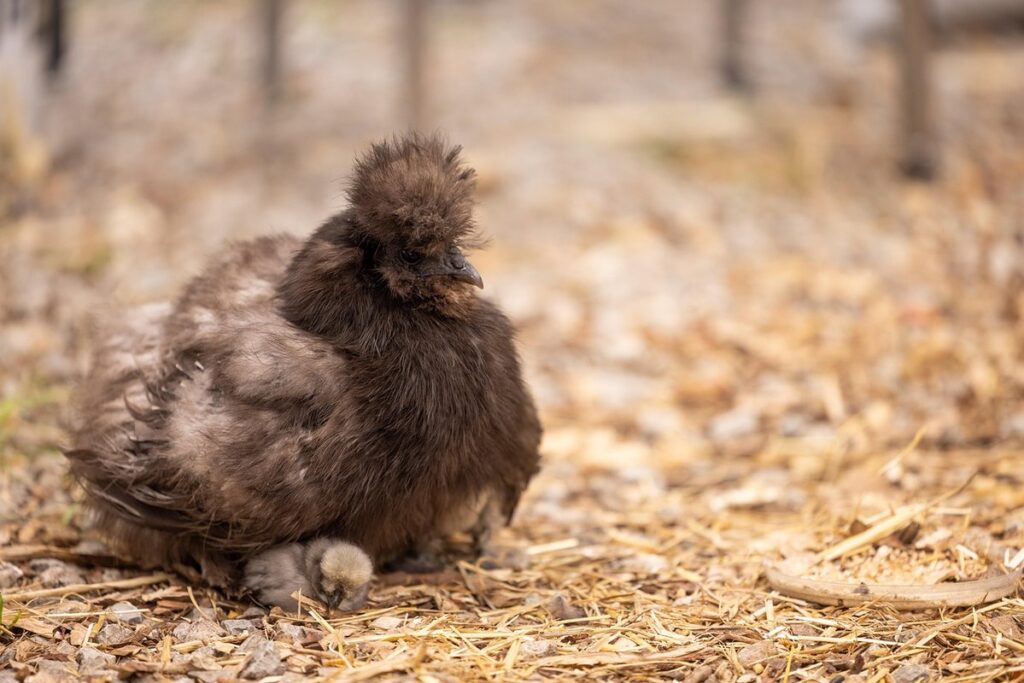
Silkie chickens are a beloved breed known for their soft, fluffy plumage and gentle nature. Originating from China over 1,000 years ago, Silkies have been prized for their unique appearance and friendly disposition. One of the most distinctive characteristics of Silkie chickens is their feathers, which are so soft and silky that they resemble fur.
Silkies come in a variety of colors, including white, black, blue, buff, and lavender, with some having intricate markings or patterns on their feathers. Their beards and muffs are also quite impressive, giving them an endearing and comical appearance. But it’s not just their looks that make Silkies special – they’re also known for being friendly, docile, and relatively easy to care for.
In fact, Silkies are often described as “lap chickens” because of their affectionate nature. They love human interaction and will happily perch on your lap or follow you around the yard. This makes them an excellent choice for families with children or for anyone who wants a low-maintenance but loving pet.
Benefits of Keeping Silkie Hens
Raising Silkie chickens as backyard hens can be an incredibly rewarding experience for many reasons. One of the most significant benefits is their gentle nature. Silkies are known to be one of the friendliest breeds, making them perfect for families with children or for those who want a low-stress interaction with their pets.
Their calm demeanor also makes them easier to care for, as they are less likely to fight or stress about their environment. This means you’ll spend less time and effort managing conflicts between hens, and more time enjoying the benefits of having these lovable birds around.
Silkie hens are also prolific layers, producing an average of 200-220 brown eggs per year. Not only will you have a steady supply of fresh eggs for your family, but you’ll also be able to enjoy watching your girls happily scratch in the yard and cluck away.
In addition to their easy-going nature and high egg production, Silkies are relatively low-maintenance when it comes to grooming. They don’t require regular bathing or clipping like some other breeds do, making them a great choice for busy owners who still want to enjoy the benefits of backyard chickens.
Characteristics of Silkie Chicken Hens
If you’re considering adding a silkie hen to your flock, it’s essential to know what to expect from these lovable and laid-back birds. Let’s take a closer look at their unique characteristics.
Physical Characteristics
One of the most distinctive and charming features of Silkie hens is their unique physical characteristics. From their fluffy feathers to their beards and muffs, these gentle girls are a sight to behold.
When you first lay eyes on a Silkie hen, you’ll likely be struck by her plush, soft plumage. This is due to the fact that Silkies have a genetic condition known as “frizzle,” which causes their feathers to grow in a unique, curved pattern. This not only makes them appear larger than they are but also gives them a delightfully teddy-bear-like appearance.
Silkie hens also sport a pair of adorable beards and muffs, which add to their already endearing charm. These “facial” feathers can range from short and neat to long and flowing, depending on the individual hen’s personality and breed standards. Whether you’re looking for a show-stopping bird or just want to add some extra personality to your flock, Silkies are sure to bring joy and whimsy to any backyard farm.
In terms of practicality, Silkies’ unique feathers do require a bit more maintenance than other breeds. Regular brushing can help prevent matting and tangling, while careful attention should be paid to their coop and run to ensure they stay dry and comfortable.
Temperament and Personality
Silkie hens are renowned for their exceptional temperament and personality traits that make them an ideal addition to any backyard flock. One of the most distinctive characteristics of Silkie hens is their friendly and docile nature, which allows them to thrive in social environments. These gentle ladies are often described as ” Velcro chickens” due to their affectionate behavior towards humans.
Their calm demeanor makes them an excellent choice for families with children or for those who want a low-maintenance flock. Silkie hens are relatively easy-going and can adapt to a variety of living situations, from small backyards to large farms. They also get along well with other breeds of chickens, making them a great addition to mixed flocks.
If you’re considering bringing Silkies into your backyard, be prepared for the attention they’ll receive! These charming hens will follow their owners around the yard, eager to explore and interact. With proper care and handling, Silkie hens can become beloved members of your flock, providing endless entertainment and companionship.
Health and Care of Silkie Hens
Taking good care of your silkie hens is crucial for their overall health and well-being, so let’s dive into some essential tips and tricks to keep them happy and healthy.
Nutrition and Diet
When it comes to feeding your Silkie hens, it’s essential to provide them with a balanced diet that meets their unique nutritional needs. Silkies are known for their fluffy, soft feathers, and they require a diet rich in protein and calcium to maintain their health.
A good starting point is to offer high-quality commercial chicken feed as the main staple of their diet. However, you may also want to supplement with fruits, vegetables, and grains to add variety and ensure they’re getting all the necessary nutrients. Leafy greens like kale, spinach, and collard greens are excellent choices, as well as fruits such as berries and melons.
It’s also crucial to provide access to fresh water at all times, and consider using a calcium supplement or crushed eggshells to support strong beak and claw growth. A diet lacking in essential nutrients can lead to common health issues like feather plucking, soft eggs, and poor overall health. By paying attention to their nutritional needs and providing a balanced diet, you’ll help keep your Silkie hens happy and healthy.
Some key things to watch out for include:
* Avoid overfeeding, as Silkies are prone to obesity
* Ensure access to grit or crushed oyster shells to support digestive health
* Rotate foods regularly to prevent boredom and ensure nutrient intake
Environmental Considerations
When it comes to caring for Silkie hens, providing a suitable living environment is just as crucial as their diet and health care. A happy and healthy Silkie hen needs a safe, clean, and comfortable place to live.
First and foremost, Silkie hens require adequate housing that protects them from the elements. You’ll want to provide a coop with walls and a roof to shield them from wind, rain, and direct sunlight. The coop should also have good ventilation to prevent ammonia buildup from their droppings and keep the air fresh. Ensure the coop is well-ventilated by installing windows or using a vent system.
In addition to housing, Silkie hens need sufficient space to move around. A general rule of thumb is to provide at least 4 square feet per hen inside the coop and 8-10 square feet in the run. This allows them to stretch their wings, exercise, and engage in natural behaviors like foraging.
To keep your Silkies’ living environment clean and hygienic, make sure to clean out their coop regularly, ideally every week or two. Remove soiled bedding, disinfect all surfaces with a pet-safe cleaner, and replace the bedding material completely. This will help prevent disease and parasite infestations.
Egg-Laying and Fertility
When it comes to breeding and raising silkie chickens, understanding their egg-laying abilities and fertility is crucial for success. In this section, we’ll delve into these key aspects of silkies’ reproductive cycles.
Egg Production and Quality
Silkie hens are known for their unique appearance and gentle nature, but when it comes to egg-laying, they have some impressive stats. On average, a healthy Silkie hen will produce around 120-150 eggs per year, which is relatively lower compared to other breeds like Leghorns or Rhode Island Reds.
However, what Silkie hens lack in quantity, they make up for in quality. Their eggs are often larger and more rounded than those of other breeds, with an average weight of about 60 grams. The shells are also thicker and harder, making them less prone to cracking.
One thing to keep in mind is that Silkies tend to lay eggs a bit later in the season, around 18-20 weeks after hatching. This can be attributed to their unique genetic makeup and slower growth rate. If you’re considering raising Silkie hens for egg production, it’s essential to provide them with a balanced diet rich in calcium and protein to ensure optimal health and fertility.
In terms of shell quality, Silkies are known for producing eggs with thicker, more robust shells that are less prone to cracking. This is due in part to their unique feathering, which helps regulate body temperature and maintain overall health.
When it comes to managing your Silkie hens’ egg production, consider the following tips:
* Provide a balanced diet rich in calcium and protein
* Ensure adequate ventilation and airflow in your coop
* Monitor temperature fluctuations and adjust as needed
* Collect eggs regularly to prevent breakage
Fertility and Broodiness
Silkie hens are renowned for their exceptional mothering instincts and strong broodiness. As breeders and backyard flock owners, it’s essential to understand the implications of this trait on fertility and egg-laying.
When Silkies go broody, they can become quite intense in their nesting behavior, often abandoning their own eggs or even those of other hens in favor of incubating a clutch. This natural instinct is a result of their strong maternal drive, which makes them excellent mothers but also challenging to manage for breeders and flock owners.
If you’re planning to breed Silkies, it’s crucial to identify the broody trait early on and take steps to prevent it from becoming too intense. A good rule of thumb is to separate your young pullets (immature hens) from the rest of the flock at around 16-18 weeks to minimize the risk of them going broody.
In terms of fertility, Silkies are generally considered to be average layers with moderate egg production. However, their broodiness can sometimes impact the quality and quantity of eggs produced. To maximize your Silkie’s fertility potential, ensure they have a balanced diet, adequate exercise, and sufficient space to roam. Regular health checks and proper incubation techniques will also help optimize hatch rates.
To minimize the risk of lost eggs or chicks due to broodiness, consider implementing a ‘lock-down’ system where you manually collect eggs from your Silkie’s nesting box regularly. This will prevent her from becoming too focused on incubating the eggs and reduce stress on both her and your flock.
Breeding and Raising Silkie Hens
If you’re new to raising silkie hens, learning how to breed and raise them can seem daunting, but don’t worry, we’ve got you covered. In this section, we’ll guide you through the basics of breeding and raising these lovable birds.
Selecting a Silkie Rooster
When it comes to selecting a Silkie rooster for breeding or adding to your backyard flock, there are several factors to consider. One of the most important considerations is temperament. A good rooster should be friendly and docile, able to coexist peacefully with hens and other birds in close quarters. You’ll want to observe how he interacts with the females, as well as his overall demeanor around people.
In addition to temperament, fertility is also crucial when choosing a breeding rooster. Look for a bird with excellent plumage, strong legs, and good overall health indicators. A healthy rooster will be more likely to sire healthy offspring, making it essential for breeders or backyard flock owners looking to raise robust birds.
When selecting a Silkie rooster, don’t just focus on physical appearance – consider his genetic makeup as well. If you’re breeding for specific traits, such as egg-laying ability or feather quality, choose a rooster that aligns with your goals.
Caring for Baby Chicks
Raising Silkie Chicks: A Comprehensive Guide to Caring for Baby Chicks
As an avid silkie breeder, you’re probably eager to start raising chicks of your own. However, taking care of baby chicks requires attention to detail and a gentle touch. Here’s what you need to know about feeding, brooding, and socializing your Silkie chicks.
When it comes to feeding, make sure you provide a high-quality starter feed that is specifically formulated for young chicks. You’ll also want to provide fresh water at all times. Aim to give them 20-25% protein content in their diet during the first few weeks of life.
In terms of brooding, you can use a heat source like a heat lamp or a heating mat set up in a safe enclosure. The temperature should be around 90-95 degrees Fahrenheit for the first week and then gradually decrease by 5 degrees every day.
Socialization is also crucial during this critical period. Handle your chicks gently and frequently to help them become tame and confident birds. You can also introduce them to other chickens, but make sure they’re not too aggressive.
Conclusion and Final Thoughts
As we come to the end of our journey into the wonderful world of silkie chicken hens, let’s take a moment to reflect on what you’ve learned. In this final section, I’ll summarize the key takeaways and share some parting thoughts.
Recap of Key Takeaways
So you’ve made it to the end of our journey through the wonderful world of Silkie chicken hens! By now, you should have a good understanding of these charming birds and why they make such great additions to backyard flocks.
Let’s recap some of the key points we’ve covered. One of the main benefits of keeping Silkie hens is their gentle nature – they’re perfect for families with children or for those who want a low-stress flock. Their soft, fluffy feathers also make them a joy to look at and handle. Plus, Silkie hens are known for their friendly personalities and will often follow you around the yard.
We also discussed the importance of proper care and management when it comes to Silkies. This includes providing plenty of space to roam, as well as regular feeding and health checks. With a little bit of TLC, these birds can thrive in even the smallest of backyards. Whether you’re a seasoned chicken keeper or just starting out, we hope this article has given you a good understanding of what Silkie hens have to offer.
As you consider bringing Silkies into your flock, remember to do plenty of research and choose reputable breeders or suppliers. With their unique qualities and benefits, it’s no wonder why Silkie chicken hens are becoming increasingly popular among backyard chicken enthusiasts.
Encouragement to Try Raising Silkies
If you’re charmed by the gentle nature and unique appearance of Silkie hens, it’s high time to consider adding one (or more) to your backyard flock. Not only will they bring a touch of whimsy and personality to your coop, but they’ll also reward you with their affectionate and docile nature.
Silkies are relatively low-maintenance birds, making them an excellent choice for beginners or those new to chicken-keeping. They’re hardy and adaptable, thriving in a variety of environments and climates. With proper care and attention, Silkie hens can live up to 10 years or more, providing you with a long-term companion.
If you’re interested in breeding Silkies, now is the perfect opportunity to start your journey. This beloved breed has a dedicated following, and there’s always room for newcomers. By joining the Silkie community, you’ll gain access to valuable resources, expert advice, and networking opportunities that will help you succeed in your breeding endeavors.
Frequently Asked Questions
Can Silkie Hens be Kept with Other Chicken Breeds?
Yes, Silkie hens are generally compatible with other chicken breeds, but it’s essential to consider their gentle nature and ensure they’re not bullied by more aggressive birds. Introduce Silkies slowly and under close supervision to prevent any conflicts.
How Do I Handle Moulting in My Silkie Hens?
During moulting, Silkie hens may stop laying eggs or appear less fluffy due to feather loss. To minimize stress, provide a balanced diet rich in calcium, ensure adequate light exposure, and maintain a clean coop with plenty of ventilation. This will help your Silkies recover faster and reduce the risk of health issues.
Can I Keep a Silkie Rooster as Part of My Flock?
Silkie roosters are known for their friendly disposition but can be quite vocal and energetic. If you’re looking to keep a rooster, ensure it’s from a reputable breeder and compatible with your existing flock. Be prepared for the potential noise level and consider whether a rooster is necessary for your operation.
How Do I Recognize Potential Health Issues in My Silkie Hens?
Regularly inspect your Silkies for signs of health issues such as respiratory problems, skin infections, or obesity. Monitor their behavior, appetite, and egg-laying habits closely, and consult a veterinarian experienced in poultry care if you notice any unusual symptoms.
What’s the Best Way to Handle a Pregnant Silkie Hen?
A pregnant Silkie hen may become broody and stop laying eggs. If you plan to breed Silkies, provide a separate nesting box with adequate bedding material and ensure she has access to food and water while on nest. Monitor her closely for signs of labor or complications, and be prepared to intervene if necessary.