
Are you considering adding some fluffy charm to your backyard flock? Look no further than the adorable Silkie chicken. With their soft, silky feathers and sweet dispositions, it’s no wonder Silkies have captured the hearts of many a poultry enthusiast. Not only are they a joy to be around, but they also come with a range of benefits for small farms and backyard chicken keepers. From their unique characteristics to expert advice on breeding and integrating them into your existing flock, we’ll cover everything you need to know about keeping Silkie chickens as pets or on small farms.
In this article, we’ll delve into the history and characteristics of Silkies, exploring what makes them so special. You’ll also learn about the benefits of raising Silkies, including tips for breeding, raising, and integrating them successfully. Whether you’re a seasoned chicken keeper or just starting out, our expert advice will help you make informed decisions when it comes to adding Silkies to your flock.
What Are Silkie Chickens?
Silkies are a beloved breed known for their fluffy, soft feathers and friendly personalities, but what exactly makes them so unique? Let’s dive into what sets these charming chickens apart from others.
Origin and History of Silkies
Silkies have been enchanting chicken enthusiasts for centuries with their fluffy feathers and charming personalities. But where did these lovable birds come from? The origins of Silkie chickens date back to ancient China, specifically during the Song Dynasty (960-1279 AD). Silkies were highly prized by Chinese emperors for their unique appearance and gentle nature.
Legend has it that Silkies were a favorite among palace ladies who would pamper them with luxurious living arrangements. The birds’ soft, fluffy feathers made them an ideal choice for warm weather, as they provided natural insulation against the heat. In fact, Silkies were often kept in silk-lined enclosures to enhance their already luscious plumage.
The breed’s popularity eventually spread throughout Asia and beyond, with European traders introducing Silkies to the continent during the 13th century. By the late 19th century, Silkies had become a staple among backyard chicken keepers, prized for their friendly disposition and unique appearance. Today, Silkies are a beloved breed worldwide, cherished for their gentle nature, soft feathers, and playful personalities.
Characteristics of Silkie Chickens
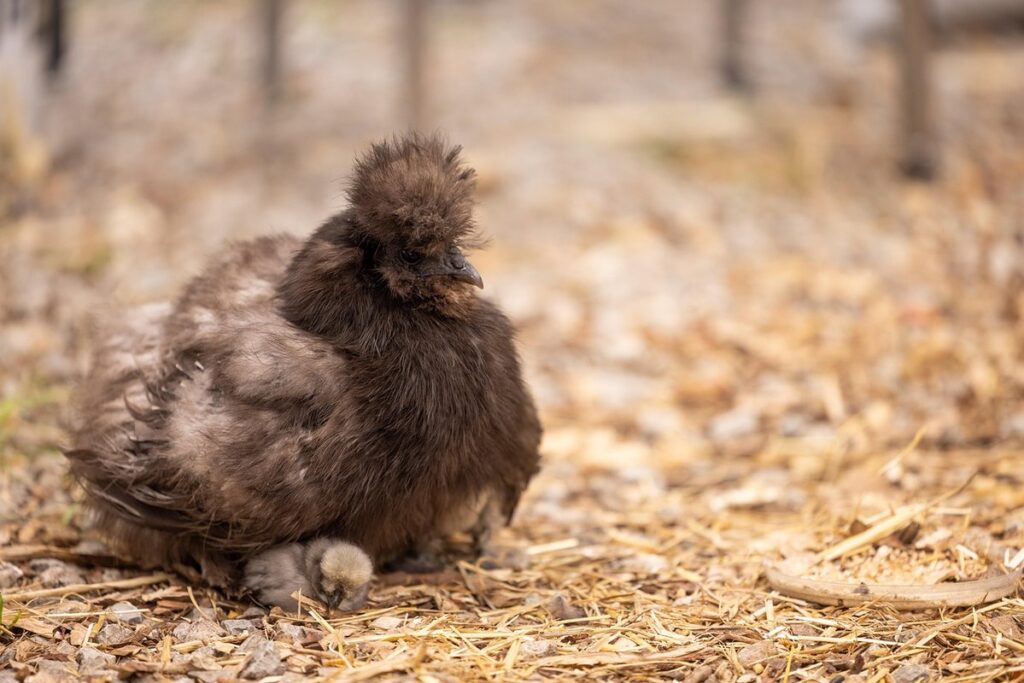
Silkies are instantly recognizable due to their stunning appearance. One of the most distinctive features of Silkie chickens is their fluffy feathers. These soft, curly feathers give them a gentle, teddy-bear-like look that’s impossible to resist. But it’s not just about looks – Silkies’ unique feather structure also provides exceptional insulation against cold temperatures.
Beyond their physical characteristics, Silkies are renowned for their calm and docile nature. They’re known to be friendly and social birds who get along with people and other animals alike. This gentle disposition makes them an excellent choice for families with children or for those who want a low-maintenance pet.
Silkies come in various colors, including white, black, blue, and buff, but it’s their fluffy feathers that truly set them apart. Their soft plumage also requires regular grooming to prevent matting and tangling. This unique combination of appearance and temperament makes Silkies a beloved breed among chicken enthusiasts worldwide.
Advantages of Keeping Silkie Chickens
When it comes to deciding whether silkies are right for you, understanding their advantages is crucial. Let’s explore the benefits of keeping these lovable birds as pets or on your small farm.
Reasons to Keep Silkies as Pets
If you’re considering bringing home a new pet, look no further than Silkie chickens. Their charming personalities and low maintenance care make them an ideal choice for anyone looking to add some feathered friends to their family. One of the most significant advantages of keeping Silkies as pets is their friendly nature – they’re known to form close bonds with their owners and can even become lap birds.
In terms of care, Silkies require minimal upkeep, making them perfect for busy households or those new to chicken-keeping. They’re relatively small in size, easy to handle, and don’t demand a lot of space. This means you can keep them in a backyard coop or even on a rooftop garden, as long as it’s well-ventilated and protected from predators.
But what really sets Silkies apart is their entertaining behavior – they love to play and can often be found chasing after toys or exploring their surroundings with curiosity. With proper socialization and care, your Silkie pet will bring endless joy and laughter into your life, making them a wonderful addition to any family.
Benefits for Small Farms or Homesteads
For small farms or homesteads, Silkie chickens can be a fantastic addition. Not only do they provide a steady supply of fresh eggs, but their droppings are also a valuable resource for fertilizer.
Silkies are prolific layers, producing an average of 120-150 eggs per year, which is comparable to other popular backyard chicken breeds like Leghorns and Barred Rocks. Their eggs may not be as large, but they’re often more nutritious due to the higher yolk-to-white ratio. This makes them perfect for families or small farms looking to raise their own chickens.
When it comes to manure, Silkies are one of the most efficient breeds you can have on your homestead. A single Silkie can produce about 1-2 pounds of droppings per day, which is a significant amount considering their relatively small size. These droppings are rich in nitrogen and phosphorus, making them an excellent fertilizer for gardens, orchards, or even indoor plants.
To make the most of your Silkies’ droppings, consider composting them with other organic materials like fruit peels, coffee grounds, or shredded newspaper. This will help create a nutrient-rich soil amendment that’s perfect for fertilizing your crops.
Health Considerations for Silkies
When keeping silkies as pets, it’s essential to consider their unique health needs, including their susceptibility to certain diseases and how to prevent them.
Their compact size also makes them prone to obesity, so monitoring their diet is crucial.
Common Health Issues in Silkies
As a Silkie owner, it’s essential to be aware of the common health issues that can affect these lovable chickens. Silkies are known for their fluffy coats and adorable appearance, but their unique characteristics also make them more prone to certain health problems.
One significant concern is frostbite, which can occur when a Silkie’s feathers get wet in cold temperatures. Their feathered legs and feet can freeze quickly, causing painful injuries. To prevent this, ensure your Silkies have a warm and dry place to roost, away from drafts. You can also provide them with extra insulation, such as straw or hay, to keep their legs and feet warm.
Heat stress is another issue that Silkie owners should be aware of. Their lack of feathers on the legs and face makes them more susceptible to heat-related illnesses. Keep an eye on your Silkies during hot weather and ensure they have access to plenty of fresh water and shade. You can also provide a shallow pool or dish for them to cool their feet.
Other health issues that may affect Silkies include respiratory problems, mites, and lice. Regular cleaning of the coop and run, as well as regular checks on your birds’ health, will help prevent these issues. By being aware of these potential health problems and taking preventative measures, you can keep your Silkies happy and healthy.
Tips for Keeping Silkies Healthy
To keep your Silkie chickens healthy, it’s essential to prioritize their nutrition. Silkies are prone to obesity, so make sure they have a balanced diet that includes a mix of grains, proteins, and fruits. A high-quality commercial chicken feed should be the main staple of their diet, but supplement with fresh vegetables and fruits like leafy greens, carrots, and berries. Avoid overfeeding, as this can lead to health issues.
Regular vaccinations are also crucial in maintaining your Silkie’s health. Consult with a veterinarian to determine the best vaccination schedule for your flock. Some common vaccinations include Marek’s disease and Newcastle disease. Keep records of all vaccinations to ensure your birds remain up-to-date.
Preventative care is another vital aspect of keeping Silkies healthy. Regularly inspect their living conditions, ensuring they have adequate ventilation, clean water, and a dust-free environment. Monitor for signs of illness or stress, such as changes in appetite, droopy wings, or feather loss. Provide regular exercise by letting them roam freely under close supervision.
Keep your Silkie’s living area clean to prevent disease. Remove soiled bedding, disinfect surfaces with a pet-safe cleaner, and replace dirty water frequently. Regularly trim their beaks to prevent overgrowth, which can lead to health problems.
Breeding and Raising Silkies
Breeding and raising Silkie chickens requires a delicate balance of genetics, nutrition, and care. In this next part, we’ll delve into the specifics of successfully breeding and raising these beloved birds.
How to Breed Silkie Chickens
Breeding Silkie chickens can be a rewarding experience for experienced chicken keepers. To start, it’s essential to select parents that exhibit desirable traits such as good egg-laying, friendly temperament, and excellent feather quality. When choosing breeding stock, look for birds with well-developed hackles, saddle feathers, and fluffy undercarriage. Ensure they are healthy, active, and produce eggs regularly.
For successful breeding, pair the rooster with a hen that is at least 16 weeks old. Keep the pair together for several days before removing the rooster to avoid egg breakage during incubation. Collect fertilized eggs daily and store them in a cool, dry place until incubation begins. A temperature-controlled incubator or a broody hen can be used for hatching.
Incubate the eggs for 21-22 days at a consistent temperature between 99°F and 100°F (37°C to 38°C). Monitor humidity levels and turn the eggs gently two to three times a day. Once hatched, provide proper care by maintaining a warm brooder with adequate ventilation and offering starter feed.
To ensure healthy growth, keep chicks separate from adult birds for their first few weeks. Provide a heat source and monitor temperature, as Silkies can be prone to respiratory issues in cold environments.
Tips for Raising Silky Chicks
Raising silky chicks from hatch to maturity requires careful attention to their nutritional needs, environmental conditions, and social interactions. From day one, it’s essential to provide a brooder with adequate heat, ventilation, and space for the chicks to move around freely. A temperature range of 90-100°F (32-38°C) is recommended for the first few weeks, gradually decreasing by 5°F (3°C) every week thereafter.
A starter feed rich in protein (20% or higher) will help support rapid growth and development during this critical phase. Offer fresh water at all times, and make sure it’s easily accessible to prevent dehydration. As the chicks grow, transition them to a layer feed around 6-8 weeks of age.
Socialization is another crucial aspect of raising silky chicks. Introduce them to other chickens gradually, starting with visual contact and progressing to supervised interactions. This will help your Silky chicks develop good temperaments and reduce aggression later in life. With proper care and attention, your Silky chicks will thrive and grow into beautiful, loving companions.
Silkies in Backyard Flocks
If you’re considering keeping silkies as part of your backyard flock, there are several things to consider before making the decision to bring them home. Let’s take a closer look at what it takes to integrate these lovable birds into your existing flock.
Integrating Silkies with Other Breeds
Integrating Silkies with Other Breeds can be a wonderful way to create a diverse and interesting backyard flock. However, it’s essential to consider the pros and cons before making this decision.
One of the main advantages of integrating Silkies is their unique ability to get along with other breeds. Their gentle nature makes them an excellent choice for families or small farms where multiple breeds are kept together. For instance, Silkies are known to be great mothers and can often be seen helping other hens with their broods.
However, there are also some things to consider when integrating Silkies with other breeds. Space requirements, for example, play a crucial role in the success of such an integration. Silkies require about 2-3 square feet per bird inside the coop and 8-10 square feet outside, so it’s essential to have enough space to accommodate all birds comfortably.
When choosing breeds to integrate with Silkies, consider their size, temperament, and noise level. For example, if you have a loud breed like Leghorns, they might not be the best match for Silkies, as their gentle nature can be disrupted by constant clucking. On the other hand, calm and docile breeds like Orpingtons or Brahmas would make excellent companions.
In terms of compatibility, it’s also essential to observe your birds’ behavior and reactions when introducing them to each other. Start with a slow introduction process, allowing both groups to get used to each other before letting them mingle freely. This will help prevent any potential conflicts and ensure a harmonious flock.
By considering these factors and choosing breeds wisely, you can create a thriving backyard flock that includes the lovable Silkie chickens.
Tips for Managing Silkies in a Mixed Breed Flock
When it comes to managing Silkies in a mixed breed flock, it’s essential to consider their unique needs and characteristics. One of the primary challenges is feeding, as Silkies have a tendency to overeat due to their high metabolisms. To prevent obesity and related health issues, it’s crucial to provide a balanced diet that meets their nutritional requirements. A good rule of thumb is to offer a high-quality layer feed with added calcium supplements to support strong bone growth.
In terms of vaccination, Silkies are relatively healthy birds but may require additional protection against diseases such as Marek’s and Avian Influenza. Consult with your veterinarian to determine the best vaccination schedule for your flock. When it comes to disease management, keep a close eye on your Silkies’ behavior and watch for signs of illness, such as labored breathing or lethargy.
To prevent cross-contamination between breeds, designate separate areas for feeding, watering, and roosting. This will help minimize the risk of spreading diseases from one breed to another. By taking these precautions and providing specialized care, you can successfully integrate Silkies into your mixed breed flock while maintaining a healthy and thriving community.
Conclusion
Now that you’ve learned all about these lovable birds, it’s time to summarize the key takeaways from our journey into the world of Silkie Chickens. Let’s recap the most important points!
Recap of Key Points
As you’ve reached the end of this comprehensive guide to Silkie chickens, it’s time to recap the key points that’ll help you make informed decisions about these lovable birds. You now know that Silkies are a breed of chicken known for their fluffy feathers, gentle nature, and unique characteristics.
From selecting the right sex-linked chicks to introducing them to your flock, we’ve covered essential tips to ensure a smooth transition. You also learned how to provide optimal care, including housing, diet, and health management, to keep your Silkies happy and thriving.
Moreover, you gained insights into their behavior, breeding, and showing, whether you’re a seasoned poultry enthusiast or just starting out. We discussed the importance of socialization, brooding, and proper handling techniques to build trust with your Silkie flock.
To recap, remember that Silkies are social birds that require attention, patience, and gentle care. With this ultimate guide, you’ve got the foundation to raise healthy, happy Silkie chickens. Keep in mind their special needs, unique characteristics, and quirks, and you’ll be well on your way to enjoying these charming companions.
Final Thoughts on Keeping Silkies
As you near the end of this ultimate guide to Silkie chickens, it’s time to reflect on what we’ve learned together. Keeping Silkies as pets or for small farms or homesteads can be a truly rewarding experience, but it requires dedication and attention to their unique needs.
Remember that Silkies are social animals that thrive in flocks, so make sure you have enough space to accommodate multiple birds if you’re planning to raise them. Their gentle nature makes them an excellent choice for families with children or for those who want a low-maintenance pet.
To keep your Silkies happy and healthy, provide them with a balanced diet, plenty of fresh water, and regular exercise. Consider building a safe and secure coop that protects them from predators and harsh weather conditions.
As you embark on this Silkie-raising journey, be prepared to fall in love with these charming birds. With proper care and attention, they can become beloved members of your family or provide a steady supply of fresh eggs for your homestead.
Frequently Asked Questions
Can I keep Silkies in cold climates?
Yes, Silkie chickens are relatively hardy and can adapt to cold temperatures, but they still require proper care and shelter to protect them from extreme weather conditions. Ensure their coop is well-insulated and provide adequate ventilation to prevent moisture buildup.
How long do Silkies take to mature for breeding purposes?
Silkies typically take about 24-26 weeks to reach full maturity for breeding purposes. During this time, it’s essential to provide a balanced diet and ensure they have access to adequate space and exercise to promote healthy growth and development.
Can I integrate Silkies with my existing flock of Leghorns or other large breeds?
Yes, you can integrate Silkies with your existing flock, but it’s crucial to introduce them gradually to prevent stress and aggression. Start by keeping them separated for a few days before introducing them to the same coop or enclosure.
What are some common health issues I should watch out for in my Silkie chickens?
Silkies are prone to several health issues, including heat stress, frostbite, and respiratory problems due to their unique feather structure. Regularly check their feathers for matting and keep an eye out for signs of illness, such as labored breathing or lethargy.
How do I choose a reputable breeder when purchasing Silkie chicks?
When selecting a reputable breeder, look for breeders who prioritize the health, temperament, and genetic diversity of their birds. Research local breeders, ask for references, and inspect the breeding facilities to ensure you’re getting high-quality Silkies that meet your needs.