
Silkie chickens are undoubtedly one of the most charming and unique breeds out there, but did you know that their eggs have some amazing benefits too? Silkie eggs are not only a delight to cook with, but they also offer several health advantages when consumed. Whether you’re an avid chicken keeper or simply interested in trying something new, you’ll want to learn more about the characteristics of these special eggs.
In this article, we’ll dive into the world of Silkie eggs and explore their cooking potential, as well as their numerous health benefits. We’ll also share expert tips on how to care for your Silkie chickens to ensure they produce high-quality eggs. From cooking recipes to health advantages, you’ll discover everything you need to know about these incredible eggs. So let’s crack open the possibilities and see why Silkie eggs are a must-have in any kitchen or backyard flock!
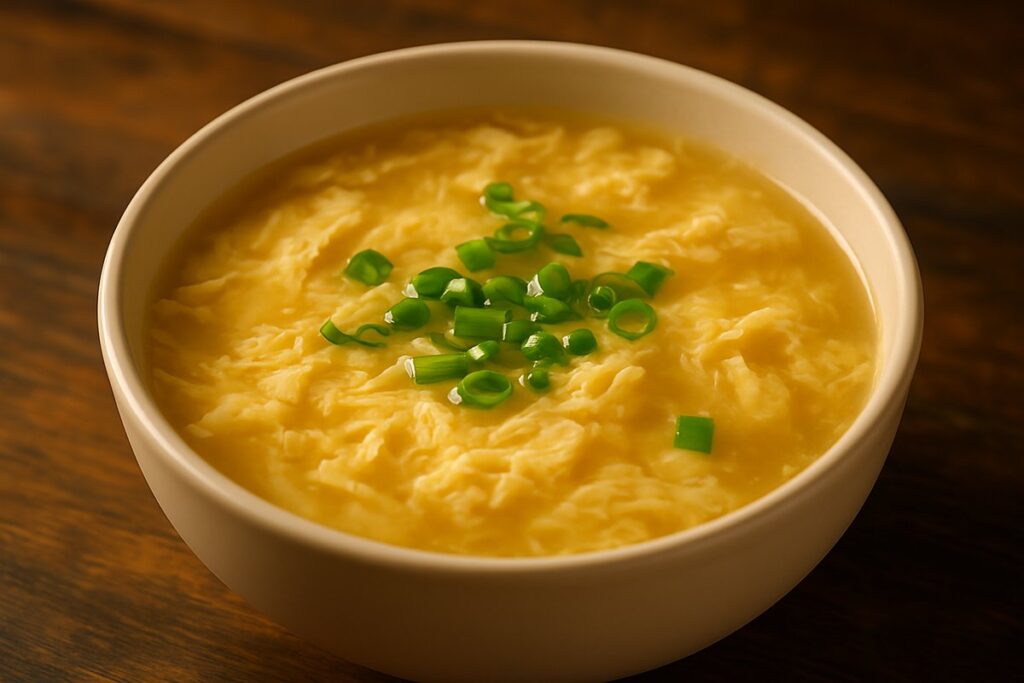
What Are Silkie Eggs?
Silkie eggs are not only a unique addition to any breeder’s flock, but they’re also gaining popularity among backyard chicken keepers and egg enthusiasts alike. Let’s take a closer look at what makes Silkie eggs so special.
Origin and History of Silkie Chickens
Silkie chickens have been a beloved breed among backyard chicken keepers for centuries, and their unique characteristics have made them a staple in many small farms and homesteads. Originating from China, Silkie eggs are believed to date back over 1,000 years to the Ming Dynasty. It’s said that these soft, fluffy birds were highly prized by royalty due to their extraordinary appearance and gentle nature.
Silkies are known for their distinctive feathers, which are so soft they resemble silk (hence their name). Their unique texture is not only aesthetically pleasing but also provides natural insulation against the cold. This makes them a great choice for keeping in cooler climates or as pets for those who live in areas with mild winters.
Their small size and docile nature have made Silkies a popular choice among backyard chicken keepers, especially families with children. They’re relatively low-maintenance compared to other breeds, requiring less space and feed. Their eggs are often smaller but rich in nutrients, making them a great addition to any homestead or farm.
Characteristics of Silkie Eggs
Silkie eggs are known for their unique appearance, which sets them apart from other breeds. One of the most notable characteristics is their size, with an average weight range of 55-60 grams (2 oz) and a length of about 45mm. This makes Silkie eggs slightly larger than some other popular breeds.
In terms of shape, Silkie eggs are typically elongated and teardrop-shaped, with a slight tapering at the top and bottom ends. The surface is usually smooth, but can be slightly textured in some cases. The shell is often thicker and more rounded than that of other breeds, which can make them easier to clean and less prone to breakage.
Compared to other breeds, Silkie eggs tend to have a more rounded appearance, with a larger air cell at the large end. This unique shape can affect their fertility rates, but overall, Silkie eggs are known for their high quality and excellent hatching success rate when properly cared for.
Benefits and Uses of Silkie Eggs
Silkie eggs are a treat for many reasons, not just their unique appearance, but also their versatility and nutritional benefits. Let’s explore some of the amazing ways to use them in cooking and beyond.
Cooking and Baking with Silkie Eggs
Silkie eggs are renowned for their exceptional taste and texture, making them a sought-after choice among chefs and home cooks alike. The unique flavor profile of Silkie eggs can be attributed to the breed’s rich diet and genetic makeup. When cooked or baked with, Silkie eggs add a subtle sweetness and creaminess that elevates dishes to new heights.
When it comes to baking, Silkie eggs are an excellent choice for cakes, cookies, and pastries due to their delicate flavor and moist texture. In a recipe, you can substitute one or two Silkie eggs for regular eggs to achieve the perfect balance of moisture and tenderness. For instance, in a classic vanilla cake recipe, using Silkie eggs will result in a more tender crumb and a subtle sweetness that complements the vanilla flavor.
Silkie eggs are also ideal for poaching, frying, or boiling due to their delicate whites and rich yolks. When cooked, they retain their moisture and flavor, making them perfect for topping salads, soups, or pasta dishes. Experiment with Silkie eggs in your favorite recipes to experience the difference for yourself!
Health Benefits of Eating Silkie Eggs
Silkie eggs are not only a delicious addition to your breakfast plate but also offer numerous health benefits due to their unique nutritional profile. One of the most significant advantages of consuming Silkie eggs is their high content of omega-3 fatty acids, which are essential for heart health and brain function.
Studies have shown that Silkie eggs contain up to 10 times more omega-3s than regular chicken eggs, making them an excellent choice for those looking to boost their intake. Additionally, Silkie eggs are rich in protein, vitamins A and E, and other essential minerals like potassium and iron. These nutrients work together to provide a range of health benefits, including reducing inflammation, improving eye health, and supporting immune function.
To maximize the nutritional value of your Silkie eggs, consider cooking them gently to preserve the delicate omega-3s and other sensitive nutrients. Scrambled or poached eggs are excellent choices for retaining these beneficial compounds. With their rich flavor and impressive nutritional profile, it’s no wonder that Silkie eggs have become a favorite among health-conscious egg enthusiasts.
Caring for Silkie Chickens to Produce High-Quality Eggs
To raise silkie chickens that produce exceptional eggs, it’s essential to focus on their specific dietary and environmental needs. Providing a balanced diet and suitable living conditions is crucial for optimal egg quality.
Nutrition and Diet for Silkie Hens
To ensure that your Silkie hens produce high-quality eggs, it’s essential to provide them with a well-balanced diet. A good starting point is to offer a layer feed specifically formulated for chickens. This will cover about 60-70% of their nutritional needs.
In terms of protein sources, consider adding treats like mealworms or crickets to their daily ration. These insects are rich in essential amino acids and provide a boost of energy. You can also supplement with organic soybeans or oats as alternative protein sources.
For vitamins and minerals, add oyster shells to their feed to increase calcium levels. This will help promote strong eggshell production and prevent breakage. Don’t forget to include a source of vitamin D3, such as sunlight exposure (about 14 hours a day) or a light bulb specifically designed for poultry.
By incorporating these elements into your Silkie’s diet, you’ll be supporting their overall health and laying capabilities. Monitor their feed intake and adjust the portion sizes according to individual needs.
Health Considerations for Silkie Flocks
Silkies are prone to certain health issues that can impact their overall well-being and egg-laying abilities. One common issue is broodiness, where the hen becomes obsessed with sitting on eggs and stops laying. This can be managed by separating the hen from the rest of the flock or providing a fake nesting box. Molting is another issue where hens shed their feathers, leading to a temporary halt in egg production.
Regular health checks, a balanced diet, and plenty of space are essential for maintaining healthy Silkies. Make sure your flock has access to clean water, nutritious feed, and adequate shelter from the elements. A good rule of thumb is to provide at least 3-4 square feet per bird inside the coop and 8-10 square feet in the run.
To prevent health issues, monitor your birds’ behavior closely, looking out for signs of stress or illness. Keep an eye on their droppings, as changes in color or consistency can indicate underlying problems. Regular cleaning and disinfecting of the coop will also help maintain a healthy environment for your Silkies.
Breeding and Raising Silkie Chickens for Egg Production
If you’re interested in harvesting Silkie eggs, learning how to breed and raise these adorable birds is a great place to start. This process requires attention to their specific needs and traits.
Choosing the Right Breeds for Egg Production
When it comes to choosing the right Silkie breeds for egg production, there are several factors to consider. First and foremost, you’ll want to look at fertility rates. Some Silkie breeds, such as the Polish Silkie, have higher fertility rates than others. This means that even if a breed lays smaller eggs, its fertility rate will make up for it.
Another key factor is egg size. While many people assume that larger eggs are always better, this isn’t necessarily true. In fact, some breeds like the Bearded Silkie lay smaller eggs but have higher fat content, making them more nutritious. When selecting a breed, consider your goals: do you want large eggs for baking or do you prioritize nutrition and smaller eggs?
Some popular breeds for egg production include the Blue Silkie, which lays blue-green eggs with high fertility rates, and the Splash Silkie, known for its white eggs and robust health. Research each breed’s characteristics to find the best fit for your needs. Consider factors like climate, feed requirements, and personal preferences when making your decision.
Tips for Raising Silkie Chicks
Raising Silkie chicks requires attention to detail and careful planning. When bringing home a batch of Silkie chicks, it’s essential to provide a warm and safe environment for them to grow. A good brooding setup should maintain a temperature of around 90-95°F (32-35°C) for the first week, gradually decreasing by 5-10°F (3-6°C) each week until they’re about four weeks old.
When it comes to feeding Silkie chicks, provide them with high-quality starter feed that’s specifically formulated for young chickens. You’ll also want to supplement their diet with calcium-rich foods like crushed eggshells or dark leafy greens to support strong bone growth.
Monitor your chicks’ health closely during this critical period. Keep an eye out for signs of respiratory issues, such as labored breathing or coughing. Ensure they have access to clean water at all times and keep the coop free from pests that might harm them. With proper care and attention, your Silkie chicks will grow into healthy, thriving adults that’ll provide you with plenty of delicious eggs.
How to Keep Silkie Eggs Fresh and Safe to Eat
When it comes to enjoying your silkie eggs, proper storage is crucial to keeping them fresh and safe to eat for as long as possible. Let’s dive into some practical tips on how to store them effectively.
Storing and Handling Silkie Eggs
Storing and handling silkie eggs properly is crucial to maintaining their freshness and safety for consumption. When it comes to storing silkie eggs, temperature control is key. It’s essential to keep the storage area at a consistent temperature between 55°F and 60°F (13°C and 16°C). This temperature range helps slow down bacterial growth and keeps the eggs fresh for longer.
It’s also vital to store silkie eggs in a dry place, away from direct sunlight. A breathable container or basket with adequate ventilation is ideal for storing eggs. Do not store eggs in their original cartons as these can trap moisture and lead to mold and bacteria growth. Instead, use a specialized egg storage container or even an old wooden crate lined with paper towels.
When it comes to washing silkie eggs, it’s generally recommended to handle them gently and avoid washing them at all if possible. Excessive water can seep into the eggs through the porous shell and cause bacterial contamination. If you must wash your silkie eggs, make sure to use cool or lukewarm water and dry them thoroughly with a clean towel before storage.
Tips for Identifying Spoiled or Bad Silkie Eggs
When it comes to collecting eggs from your Silkie flock, it’s essential to ensure that you’re only consuming fresh and safe eggs. However, even with proper care, eggs can still spoil if not handled correctly or stored improperly. So, how do you identify a spoiled or bad Silkie egg? Look for signs of spoilage such as an off smell, slimy texture, or visible cracks in the shell.
Another indication of spoilage is a dull or cloudy appearance, which can be caused by bacteria or mold growth inside the egg. If you notice any of these signs, it’s best to err on the side of caution and discard the affected egg immediately. When disposing of spoiled eggs, make sure to wrap them tightly in plastic bags or store them in a sealed container to prevent others from being contaminated.
It’s also crucial to note that Silkie eggs can absorb odors easily, so if you notice any unusual smells coming from your stored eggs, it may be a sign that they’ve gone bad. Trust your instincts and always prioritize food safety when handling and storing Silkie eggs.
Common Misconceptions About Silkie Eggs Debunked
You’ve probably heard some rumors and misconceptions about silkie eggs, but it’s time to set the record straight on what’s true and what’s not. Let’s debunk these myths together!
Myth-Busting: Separating Fact from Fiction
Silkies are often misunderstood when it comes to their eggs. One of the most prevalent myths is that Silkie eggs lack nutritional value compared to other breeds. This couldn’t be further from the truth. In reality, Silkie eggs contain a rich mix of vitamins and minerals, making them an excellent choice for baking and cooking.
Another common misconception is that Silkie eggs are difficult to hatch. However, with proper care and attention, Silkies can have a relatively high hatch rate. According to some breeders, Silkies have been known to exhibit a hatch rate of around 70-80%, which is comparable to other popular breeds.
It’s essential to note that Silkie eggs do require extra care when incubating. They need to be kept at a consistent temperature between 99-100°F (37-38°C) and humidity levels should be maintained between 50-60%. By following these guidelines, you can successfully hatch your Silkies and enjoy the unique characteristics of their offspring.
Don’t let these myths deter you from trying Silkie eggs. With proper care and knowledge, they can bring a new level of excitement to your backyard chicken keeping experience.
The Truth About Silkie Egg Production
Silkies are renowned for their fluffy feathers, but have you heard about the myths surrounding their egg production? Let’s set the record straight on some common misconceptions. One of the most persistent claims is that Silkies lay eggs with poor fertility rates and quality.
The truth is, Silkie hens are capable layers and produce high-quality eggs. In fact, many breeders report that their Silkie hens have similar or even better fertility rates compared to other breeds. According to a study by the Poultry Science Journal, Silkie hens have an average egg weight of 55-60 grams and an excellent fertility rate of around 90%. This is comparable to other dual-purpose breeds.
Some breeders attribute poor fertility in Silkies to incorrect breeding practices or nutrition deficiencies. However, with proper care and management, Silkie hens can thrive and produce healthy eggs. To ensure optimal egg production, provide your Silkies with a balanced diet, adequate space, and regular health checks. With the right conditions, you can expect around 200-220 large-sized eggs per year from each of your Silky hens.
Frequently Asked Questions
Can I hatch Silkie chicks from Silkie eggs, or do they need to be purchased as day-olds?
Yes, Silkie chickens are known for their high fertility rates, making it possible to hatch them from eggs. However, keep in mind that hatching Silkie eggs requires a good understanding of incubation and brooding techniques. If you’re new to chicken keeping, it’s recommended to start with day-old chicks or purchase eggs from a reputable breeder.
How often do Silkie chickens lay eggs, and can they produce year-round?
Silkie chickens are moderate layers, producing an average of 100-120 eggs per year. While they don’t have a high egg-laying capacity, their unique characteristics make them a delight to keep as pets or additions to backyard flocks. With proper care and nutrition, Silkies can lay eggs throughout the year, although production may slow down during extreme weather conditions.
Are Silkie eggs suitable for people with allergies, and do they have any special dietary needs?
Silkie eggs are considered hypoallergenic due to their low protein and fat content. They also contain a higher amount of omega-3 fatty acids than regular eggs. As for dietary needs, Silkies require a balanced diet rich in nutrients like calcium, phosphorus, and vitamins A, D, and E. Providing them with a high-quality layer feed and access to fresh water and greens will ensure they produce healthy, nutrient-rich eggs.
Can I keep Silkie chickens as pets if I live in an apartment or have limited space?
While Silkies are known for their friendly and docile nature, they do require regular exercise and attention. If you live in an apartment or have limited space, it’s essential to ensure that your Silkies receive enough room to move around and engage in physical activities. Consider investing in a coop or enclosure that provides ample space for your birds to stretch their wings.
How can I store Silkie eggs safely and prevent spoilage?
To keep Silkie eggs fresh and safe to eat, it’s essential to handle them gently and store them in a cool, dry place. Keep the eggs pointed end down in a carton or container with airholes to prevent moisture buildup. Store them in the refrigerator at a temperature below 40°F (4°C) to slow down bacterial growth. Always check for signs of spoilage before consuming Silkie eggs.