
Silkie hens have won the hearts of many backyard chicken enthusiasts with their soft, fluffy feathers and charming personalities. But beyond their cute factor, these gentle birds also make ideal pets or additions to your flock due to their unique characteristics, temperament, and relatively low maintenance care requirements. If you’re considering bringing a new feathered friend into your life or looking for ways to enhance your existing backyard chicken experience, then learning more about Silkie hens is essential. In this article, we’ll delve into the fascinating world of Silkies, exploring their history, distinctive features, and what makes them such beloved companions. By the end of our journey together, you’ll have a comprehensive understanding of these delightful birds and be well-equipped to decide if a Silkie hen is right for you or your backyard flock.
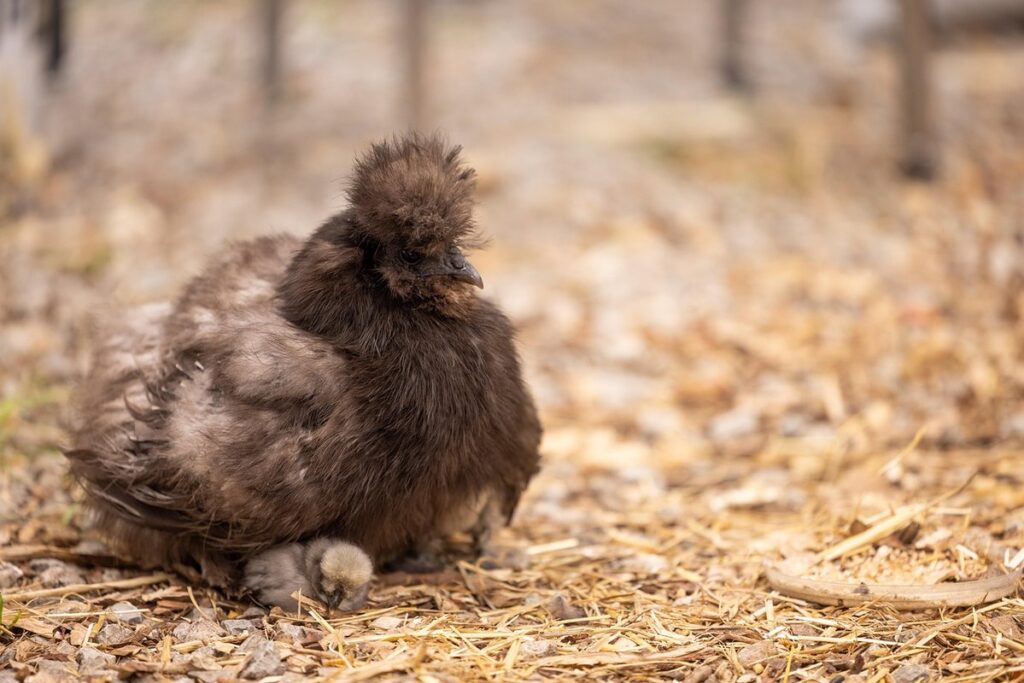
What are Silkie Hens?
Silkie hens are a unique and popular breed known for their fluffy, soft feathers and endearing personalities. Let’s dive into what makes these lovable birds so special.
Origin and History of Silkies
Silkies have been a prized breed for thousands of years, originating from China where they were highly valued for their unique characteristics. The exact date of their introduction is unknown, but it’s believed to be around 1000 AD during the Han Dynasty. These gentle birds quickly gained popularity among Chinese emperors and nobility due to their soft, fluffy feathers and docile nature.
Silkies were initially kept as pets and for show purposes, but they also played a crucial role in traditional Chinese medicine. Their unique feathers were believed to have healing properties, and they were used in various remedies. As Silkies spread throughout Asia and eventually to other parts of the world, their popularity continued to grow. Today, they are cherished by backyard chicken enthusiasts and breeders alike for their affectionate personalities, beautiful appearance, and relatively low maintenance care.
Despite their long history, Silkies remain a relatively rare breed in modern times, making them all the more sought after by those who appreciate their unique charm.
Physical Characteristics of Silkies
Silkies are one of the most recognizable breeds due to their distinct physical characteristics. They have fluffy feathers that cover their bodies completely, giving them a soft and cuddly appearance. These feathers also make Silkies look like they’re wearing a layer of down, which is why they’re often referred to as “downy” birds.
One of the most notable features of Silkies is their small size. They typically weigh between 2-3 pounds (0.9-1.4 kg) and stand about 13 inches (33 cm) tall. This compact size makes them ideal for backyard flocks, especially in smaller spaces.
In addition to their physical appearance, Silkies are also known for their gentle nature. They’re often described as “lap chickens” because they love human interaction and will happily sit on your lap or follow you around the yard. Their calm demeanor makes them a great choice for families with children who want to learn about caring for chickens.
Their friendly personalities also mean that Silkies are relatively low-maintenance pets, requiring less space and less food than larger breeds.
Silkie Hen Temperament and Personality
Silkies are known for their friendly, docile nature and make excellent pets for families and first-time chicken owners alike to handle. Their gentle disposition is one of their most endearing qualities.
Friendliness and Socialization
Silkies are renowned for their affectionate nature, making them perfect companions for those seeking a loyal friend. Their friendly and social disposition is one of the key reasons why they’ve become so popular among backyard flock owners and enthusiasts alike. These gentle birds have an innate ability to form close bonds with humans, which makes them ideal pets.
One of the most endearing traits of Silkies is their love for interaction. They adore being around people and will often seek out attention by nuzzling their heads against legs or sitting on laps. This socialization aspect can be beneficial for those looking to train their birds or even use them as therapy animals. In fact, many Silkie owners have reported that their birds would follow them everywhere, much like a loyal dog.
To foster this friendly nature in your Silkies, ensure they receive plenty of social interaction from an early age. Provide opportunities for them to engage with other birds and humans, whether it’s through playtime or simply being part of a flock. With proper care and attention, your Silkie will become a beloved member of the family, bringing joy and companionship to those around them.
Trainability and Handling
Silkies are known for their gentle and affectionate nature, making them an ideal choice for families with children. When it comes to training and handling Silkies, patience and consistency are key. Start by getting your bird accustomed to being handled from an early age. Handle them gently but firmly, supporting their body and wings. Make it a daily routine to spend quality time with your Silkie, letting her get used to human touch.
As Silkies become more confident in their surroundings, they’ll begin to enjoy the interaction and even initiate contact. Remember, every bird is different, so be prepared for individual personalities to shine through. Some may take longer to warm up than others, but with persistence and positive reinforcement, your Silkie will learn to trust you.
If you’re planning a family day at home, Silkies are a great choice as pets due to their tolerant nature. They can withstand the noise and chaos that comes with having children around, making them perfect for families who want a low-maintenance yet loving companion.
Caring for Silkie Hens: Housing and Health
When it comes to keeping your silky hens happy and healthy, housing and health are crucial factors to consider. Here, we’ll cover the essential care needs for these beautiful birds.
Providing Suitable Housing
When it comes to providing suitable housing for Silkie hens, there are several key considerations to keep in mind. First and foremost, you’ll want to ensure that their coop is well-ventilated and protected from the elements. Silkies are prone to respiratory issues, so a draft-free space with plenty of airflow is essential.
In terms of size, it’s recommended that the coop be at least 2×3 feet per hen, with adequate nesting boxes and roosting bars for each bird. You’ll also want to consider the climate where you live – Silkies can tolerate cooler temperatures but may struggle in extreme heat or cold. In warmer climates, a shaded area or additional ventilation may be necessary to keep them cool.
When designing your coop, remember that Silkies are social birds and prefer to be with their flock. Providing a spacious run with plenty of room for exercise will help to prevent boredom and stress. A minimum of 2×4 feet per hen is recommended, but more space is always better.
Health Considerations and Common Issues
Silkies are prone to several health issues that can affect their quality of life and overall well-being. One common issue is frostbite, which can occur when their soft feathers get wet and cold. To prevent this, make sure to provide a dry and draft-free shelter for your Silkies during extreme weather conditions. This could be as simple as adding extra bedding material or moving them indoors.
Another issue that affects Silkies is feather pecking. This behavior often stems from boredom, stress, or lack of stimulation. To combat this, ensure your hens have a stimulating environment with plenty of toys and perches to keep them active and engaged. Providing scratching posts and foraging areas can also help redirect their attention.
Regular health checks and monitoring are crucial to identifying any potential problems early on. Keep an eye out for changes in behavior, appetite, or feather condition. By being proactive and taking preventive measures, you can minimize the risk of these issues arising and provide a happy, healthy life for your Silkie hens.
Breeding and Raising Silkie Chicks
If you’re ready to start your Silkie flock, learning how to breed and raise healthy chicks is a crucial step in getting it right. In this section, we’ll walk through the process of caring for your new additions.
Choosing Healthy Chicks
When selecting healthy Silkie chicks, it’s essential to choose from reputable breeders or hatcheries. A good breeder will prioritize the health and well-being of their birds, ensuring that you receive a strong and robust chick.
Start by researching local breeders or searching online for reputable hatcheries that specialize in Silkies. Look for reviews, testimonials, and ask for referrals from other Silkie owners. A responsible breeder should be transparent about the parent stock’s health, ancestry, and any potential genetic issues.
When receiving your chicks, inspect them carefully for any signs of illness or distress. Healthy Silkies should have bright, alert eyes, a clean bill, and firm, plump bodies. Check for any unusual markings, creasing, or defects on their feathers.
Before making a purchase, ask the breeder about vaccination protocols, testing for diseases like Marek’s, and any guarantees they offer. Reputable breeders will provide you with information on chick care, nutrition, and health checks to ensure your new additions thrive. By choosing healthy Silkie chicks from a responsible breeder, you’ll set yourself up for success in raising happy, healthy birds.
Raising Chicks: Nutrition and Environment
When it comes to raising Silkies, providing the right nutrition and environment is crucial for their growth and development. A well-balanced diet rich in proteins, calcium, and vitamins will support healthy feather growth and overall health.
In terms of nutrition, offer a starter feed specifically formulated for young chickens, such as Silkie chicks. Mix in some high-quality layer pellets or crumble after 6-8 weeks to provide essential nutrients like calcium, phosphorus, and vitamin D3. Also, consider supplementing with probiotics to promote healthy digestion.
Ensure adequate ventilation and humidity levels in the coop by installing windows, vents, and a proper drainage system. Silkies are prone to respiratory issues if their environment is too hot or humid. Provide ample space for your chicks to roam and exercise – a minimum of 2-3 square feet per bird inside the coop, and an additional 5-6 square feet in the run.
It’s also vital to keep an eye on temperature fluctuations, as Silkies can be sensitive to extreme temperatures. Keep their living area between 60°F and 80°F (15°C and 27°C) for optimal growth and comfort.
Advantages of Keeping Silkie Hens as Pets or in Backyard Flocks
If you’re considering adding some unique charm to your backyard flock, silkie hens offer numerous benefits that make them an excellent choice for pet owners and small-scale farmers alike. Let’s explore these advantages in more detail.
Low Maintenance Requirements
One of the most appealing aspects of keeping Silkie hens as pets or in backyard flocks is their remarkably low maintenance requirements. Unlike some other breeds, Silkies are not high-strung or demanding, making them an ideal choice for busy owners or those new to chicken-keeping.
Their calm nature means they require less attention and interaction, which can be a blessing for those with limited time. They’re also relatively small in size, taking up minimal space in your backyard or even on a rooftop garden. This makes them perfect for urban dwellers who may not have a large yard but still want to enjoy the benefits of owning chickens.
As Silkies are gentle and laid-back, they don’t need as much exercise or stimulation as other breeds. A small enclosed area or a well-fenced run is sufficient for their needs, saving you time and effort in providing elaborate exercise routines.
Entertainment Value and Egg Production
One of the most delightful advantages of keeping Silkie hens is their incredible entertainment value. These charming birds are known for their playful and affectionate nature, making them a joy to watch and interact with. Whether they’re frolicking around the yard, chasing after bugs, or simply posing in their signature fluffy plumage, Silkies have an uncanny ability to bring a smile to your face.
In addition to providing endless entertainment, Silkie hens also surprise many owners with their moderate egg-laying abilities. While they may not lay as many eggs as some other breeds, they typically produce around 100-120 eggs per year, which is still a respectable amount for a backyard flock. To maximize your Silkie’s egg production, make sure to provide them with a balanced diet, plenty of fresh water, and regular exercise.
By adding Silkies to your flock, you’ll not only be treated to endless hours of entertainment but also rewarded with a steady supply of fresh eggs from these delightful birds.
Tips for Integrating Silkie Hens into Existing Flocks
Introducing silkie hens to your existing flock can be a fun and rewarding experience, but it requires some planning and patience. Here are our top tips for a smooth integration process.
Introduction Process
Introducing Silkies to an existing flock can be a delicate process, but with the right approach, you’ll set your birds up for success. When integrating new hens into your flock, it’s essential to consider their temperament and social needs.
Silkies are known for their friendly and docile nature, making them a great fit for most flocks. However, it’s still crucial to introduce them gradually to prevent stress and competition for resources. Begin by keeping the Silkie hen in a separate enclosure adjacent to the main flock, allowing them to become familiar with each other’s sounds and scents.
For the first few days, monitor their behavior closely, observing body language cues like aggression or fear. If you notice any adverse reactions, it may be necessary to extend the introduction period or reintroduce the Silkie hen separately from the original group.
Managing Resources and Space
When integrating Silkies into an existing flock, managing resources and space is crucial to ensure a harmonious transition. These gentle birds require attention to their unique needs, which can sometimes be at odds with the demands of other hens.
Firstly, consider the available space per bird. Silkies are relatively compact, but they need room to move around comfortably. A good rule of thumb is to allocate about 2-3 square feet of floor space per hen, with adequate nesting boxes and roosting bars. Make sure your coop is large enough to accommodate not only the existing flock but also the Silkies.
Another key consideration is feeding and watering systems. Silkies are prone to obesity due to their love for treats, so ensure that you provide a balanced diet and avoid overindulging them. Also, consider installing a gravity-fed watering system or multiple water fountains to prevent overcrowding around traditional drinkers.
Frequently Asked Questions
How do I introduce a new Silkie hen to my existing flock?
When introducing a new Silkie hen to your flock, it’s essential to do so gradually to prevent stress and fighting. Start by keeping the new bird separate for a few days, then allow them to mingle under close supervision. Provide a safe space for the new hen to retreat if needed. Monitor their behavior closely and intervene if necessary.
Can Silkie hens be kept alone or are they best suited for groups?
While Silkies can adapt to being solo birds, it’s recommended to keep them in pairs or small groups for companionship and socialization. If you do choose to keep a single Silkie, ensure she has plenty of attention and enrichment activities.
What specific health issues should I be aware of when caring for Silkie hens?
Silkies are generally healthy birds but can be prone to certain issues like frostbite (due to their feathered legs), eye problems, and respiratory infections. Regular monitoring of their health, along with proper ventilation and protection from extreme temperatures, will help prevent these issues.
How do I ensure my Silkie hens stay safe during harsh weather conditions?
To keep your Silkies safe in harsh weather, provide them with adequate shelter, windbreaks, and insulation. Make sure their coop is well-ventilated to prevent moisture buildup and respiratory problems. During extreme temperatures, offer extra care and attention to prevent heat stress or hypothermia.
Can I breed Silkie hens if I’m a beginner in backyard chicken keeping?
While it’s not recommended for beginners to start breeding Silkie hens immediately, you can begin by learning the basics of chicken breeding and management. Start with raising healthy chicks and gradually progress to breeding once you have more experience under your belt. Research local regulations and guidelines before starting any breeding program.