
Are you considering bringing home a new feathered friend to your backyard flock? Look no further than the lovable Silkie Polish chicken! These fluffy, gentle birds have won the hearts of many with their unique characteristics and affectionate nature. As a popular breed among enthusiasts, it’s essential to understand what makes them tick – from their soft, silk-like feathers to their calm temperament. If you’re thinking of adding Silkies to your flock or are already an owner looking for expert advice, this guide is perfect for you. In the following article, we’ll delve into the world of Silkie Polish chickens, covering their history, characteristics, care requirements, and more. Whether you’re a seasoned breeder or a beginner looking to learn more about these charming birds, this comprehensive guide has got you covered.
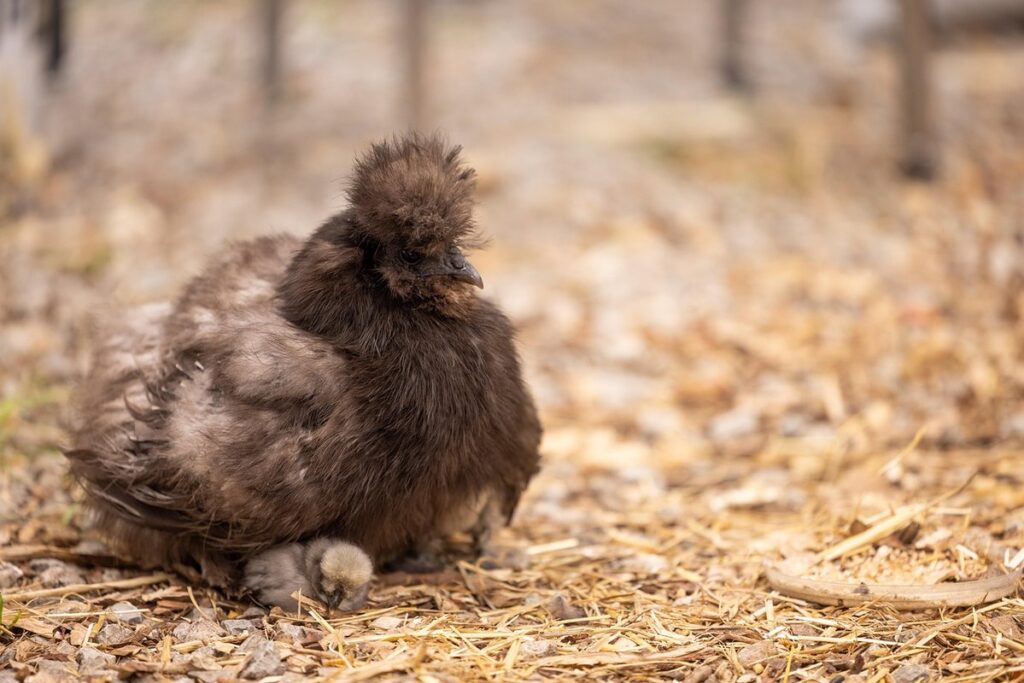
Introduction to the Silkie Polish Chicken
The Silkie Polish chicken is a beloved breed known for its fluffy, soft feathers and sweet temperament. Here, we’ll delve into what makes them so unique.
History and Origins
The Silkie Polish chicken has a rich history that spans centuries, with its origins tracing back to ancient China. This breed was highly valued for its unique characteristics, which set it apart from other chickens of the time. The Silkie’s fluffy, soft feathers and docile nature made it a prized possession among Chinese royalty.
One of the most fascinating aspects of the Silkie’s history is its association with good luck and prosperity. In ancient China, Silkies were believed to possess mystical powers that could bring good fortune and wealth to those who kept them. This cultural significance was so great that only members of the royal family were allowed to own these rare birds.
Today, we can still appreciate the Silkie’s unique heritage by learning about its history and characteristics. By understanding where this breed came from, we can better appreciate its value as a companion animal and its place in modern poultry keeping. Whether you’re a seasoned chicken keeper or just starting out, learning about the Silkie’s rich history is an essential part of appreciating this special breed.
Physical Characteristics
One of the most distinctive characteristics of the Silkie Polish chicken is its fluffy feathers. Unlike other breeds that have smooth, glossy plumage, Silkies have a unique coat that resembles a soft, fuzzy blanket. Their feathers are so thick and velvety that they can appear almost hair-like, which is one of the reasons why this breed is often referred to as the “teddy bear” of chickens.
In addition to their fluffy feathers, Silkies also boast impressive beards and mustaches. These ornamental features are a result of selective breeding, and they add to the breed’s endearing and charming appearance. On top of that, Silkies have a docile nature, making them an ideal choice for backyard chicken keepers who want a low-maintenance pet.
As with any new pet, it’s essential to consider your lifestyle and environment before bringing home a Silkie Polish chicken. With their soft feathers requiring regular grooming, Silkies need plenty of attention from their owners. However, the benefits far outweigh the drawbacks – not least of which is the joy of owning such an affectionate and entertaining companion.
Temperament and Personality
When it comes to their temperament, Silkies are known for being gentle and affectionate birds that thrive on human interaction, making them a great choice for families.
Friendliness and Affection
Silkies are renowned for their gentle nature, making them an excellent choice as pets, especially for families with children. Their reputation as friendly and affectionate birds is well-deserved, and it’s not uncommon to see them following their owners around the yard or even snuggling up on laps.
One of the most distinctive features of Silkies is their docile temperament. They are generally calm and laid-back, which makes them an excellent fit for families with children who may not understand how to handle chickens gently. Silkies are also highly social birds and thrive on interaction, so they will often seek out human attention and affection.
If you’re considering getting a Silkie as a pet, be prepared for plenty of cuddles and playtime. They love being handled and will even follow you around the yard, eager to join in on any activity. To build a strong bond with your Silkie, try spending time with them daily, engaging in activities like feeding, grooming, or simply playing together. With patience and gentle handling, your Silkie will become a loyal companion, bringing joy and affection into your life for years to come.
Trainability and Socialization
Training and socializing your Silkie Polish chicken is crucial to ensure they remain calm and well-adjusted in various environments. These gentle birds can be quite fragile and sensitive, so it’s essential to approach their training with care and patience.
When introducing new surroundings or handling, move slowly and calmly around your Silkie. Avoid loud noises and sudden movements, as these can startle them. Instead, speak softly and use positive reinforcement techniques like treats and praise to encourage good behavior.
Socialization is also vital for Silkies, especially in the first few weeks of life. Expose them to various people, sights, and sounds to help them become confident and friendly. Enroll your Silkie in a poultry socialization program or arrange playdates with other calm breeds to promote interaction and reduce stress.
Remember, consistency is key when training and socializing Silkies. Set clear boundaries and routines, and be patient as they learn and adapt. With gentle guidance and positive reinforcement, you can help your Silkie become a happy and well-adjusted member of your flock.
Health Considerations
When considering bringing a Silkie Polish chicken into your family, it’s essential to think about their potential health needs and how they may impact your daily life. Let’s take a closer look at some key considerations.
Common Health Issues
Silkie Polish chickens are known for their beautiful, fluffy feathers and endearing personalities. However, like all breeds of chicken, they can be prone to certain health issues that you should be aware of as a responsible owner.
One common problem is respiratory distress, which can be caused by the Silkie’s unique genetic makeup. Their small, delicate trachea can make it difficult for them to breathe, especially in hot or humid weather. This means that owners must take extra precautions to keep their coop well-ventilated and cool. Regular cleaning of the coop and providing plenty of dust-free hiding places can also help reduce stress on the birds.
Another issue affecting Silkie Polish chickens is feather conditions such as wet feathers and frostbite. In cold climates, it’s essential to provide your Silkie with extra care during the winter months. This includes keeping their roost high enough that they don’t have to sleep directly on the ground and providing a windbreak or heated coop to prevent frostbite.
If you notice any of these signs – labored breathing, wet or matted feathers, or reluctance to move around – consult with a veterinarian as soon as possible. By being proactive and taking steps to mitigate these risks, you can help your Silkie lead a long and happy life.
Nutritional Needs
When it comes to providing the right diet for your Silkie Polish chicken, their nutritional needs are unique and require careful consideration. Silkies are prone to obesity due to their calm and docile nature, making it essential to monitor their food intake closely.
To ensure your Silkie gets all the necessary nutrients, provide a balanced layer feed that’s specifically formulated for chickens of their age and size. A good quality layer feed should contain around 16-18% protein, which will help support muscle growth and maintenance. It’s also crucial to provide fresh water at all times, as Silkies are sensitive to changes in their environment.
In addition to a balanced diet, consider adding supplements like oyster shells or grit to support strong eggshell production and digestion. However, always introduce new foods gradually to prevent digestive upset. Avoid overfeeding, as this can lead to obesity-related health issues. A general rule of thumb is to provide around 1/4 pound of feed per day for each Silkie, depending on their age, size, and level of activity.
Remember, every chicken is different, so it’s essential to monitor your Silkie’s weight and adjust their diet accordingly. By providing the right balance of nutrients and fresh water, you’ll be well on your way to raising a happy and healthy Silkie Polish chicken.
Breeding and Caring for Silkie Polish Chickens
Breeding silkie polish chickens requires a delicate balance of genetics and care, while also understanding their unique needs is crucial for healthy adult birds.
Breeding Requirements
Breeding Silkie Polish chickens requires careful consideration and attention to detail. When selecting parents for breeding, look for individuals that exhibit excellent feather quality, temperament, and conformation. It’s essential to choose birds with a good balance of desirable traits, as this will increase the chances of producing healthy, high-quality offspring.
When selecting a sire, consider his plumage type, size, and egg-laying ability. For females, focus on their broodiness, fertility, and overall health. Make sure both parents are disease-free and free from genetic defects.
Proper incubation conditions are also crucial for successful breeding. Ensure the eggs are incubated at a consistent temperature between 99°F to 100°F (37°C to 38°C) with adequate humidity levels. Turn the eggs gently three to four times daily to prevent adherence and promote even development. Keep in mind that Silkie Polish chickens have a lower fertility rate compared to other breeds, so it’s essential to be patient and persistent when breeding them.
Keep accurate records of your breeding program to track progress and identify areas for improvement.
Raising Chicks
When it comes to raising Silkies, the first few weeks of life are crucial for their development and overall health. Newborn Silkie chicks require specialized care, so it’s essential to understand their needs from brooding to weaning. For the first 18-24 hours after hatching, keep the chick warm in a draft-free area with a temperature range of around 90°F (32°C). You can use a heat lamp or a heat mat specifically designed for poultry.
As the chick grows and develops feathers, you’ll need to gradually decrease the temperature. It’s also vital to ensure the chick has access to clean water at all times. Use an eggcup or a shallow dish filled with water, as chicks prefer to drink from a shallow source. Monitor their hydration levels closely, as Silkies can be prone to dehydration.
Between 3-4 weeks of age, you’ll start noticing your Silkie chicks begin to venture out and forage for food. This is the ideal time to transition them from a brooder or incubator to a larger enclosure with adequate ventilation. Introduce starter feed specifically formulated for young chickens, and ensure they have access to grit and oyster shells to support their digestive health. With proper care and attention, your Silkie chicks will thrive and develop into beautiful, fluffy adults.
Showing and Exhibiting Silkie Polish Chickens
If you’re interested in showing off your beautiful Silkie Polish chickens, learn how to prepare them for exhibition and what judges look for in these stunning birds. It’s easier than you think!
Show Standards and Regulations
When showing and exhibiting your Silkie Polish chickens, it’s essential to be familiar with the show standards and regulations governing this breed. The American Bantam Association (ABA), American Poultry Association (APA), and other poultry associations have specific guidelines for judging Silkies.
The ABA standard for Silkie Polishes emphasizes their unique characteristics, including a “silk” texture to their feathers, a flat beak, and a plump body. Judges look for a well-balanced chicken with good feathering, particularly on the hackle (neck) and saddle (back). The breed’s unusual features can make them challenging to judge; hence, it’s crucial to understand what qualities are being evaluated.
When preparing your Silkie Polish for show, ensure you’re aware of the association-specific rules governing items like leg band color, wing trim, and tail length. For example, the APA requires Silkies to have a red or black tail with a 2-inch white tip. Understanding these standards will help you present your bird in its best light and avoid disqualification.
Judges often emphasize the Silkie’s gentle nature and unusual appearance, making it essential to showcase their unique features while maintaining good temperament. To prepare your Silkie Polish for show, brush their feathers regularly to bring out the silk texture and trim any overgrown beak or nails.
Tips for Successful Shows
When it comes to showcasing your Silkie Polish chicken at exhibitions and competitions, preparation is key. Here are some expert tips to help you and your feathered friend shine.
Grooming is a crucial aspect of preparing for shows. Silkie Polish chickens have long, soft feathers that require regular maintenance to prevent matting and tangling. Start by brushing your bird daily with a soft-bristled brush or a slicker brush to remove loose feathers and tangles. Use a detangling spray if needed to make the process easier.
Temperament evaluation is also an essential aspect of judging at shows. Silkie Polish chickens are known for their gentle nature, but it’s still crucial to assess their temperament before presenting them for judging. Look for calmness, docility, and responsiveness to your commands.
Judging criteria typically include characteristics such as feather quality, type, and color. Make sure your bird meets the breed standard by checking its plumage, beak shape, and leg length. Ensure that its wings are well-set and the tail is carried correctly. Practice handling your Silkie Polish chicken regularly to make it more confident and responsive in front of judges.
When at the show, make sure to provide a clean, dry, and comfortable environment for your bird. Bring all necessary equipment, including food, water, and grooming tools. With proper preparation and care, you and your Silkie Polish chicken will be well-equipped to impress judges and take home prizes.
Conclusion: Why Choose a Silkie Polish Chicken?
If you’ve fallen in love with the Silkie Polish chicken’s charms, it’s time to consider bringing one home and discover why this unique breed makes an ideal addition to your flock. Here are just a few compelling reasons to choose a Silkie Polish chicken.
Unique Benefits
Silkies have earned a special place in many hearts due to their unique personality and appearance. If you’re considering owning one as a pet or show bird, here are some reasons why they can bring immense joy and satisfaction.
One of the most significant advantages of Silkies is their friendly nature. They bond strongly with their owners and are known to follow them around the house, much like a loyal dog would. Their gentle disposition makes them an excellent choice for families with children or people who want a low-maintenance pet that’s still affectionate.
Their appearance also sets them apart from other breeds. With their fluffy, soft feathers and bearded faces, Silkies are undeniably adorable. Their unique plumage requires regular grooming to prevent matting, but this can be a fun and relaxing activity for owners to bond with their birds.
In addition to their charm, Silkies are relatively low-maintenance pets compared to other breeds. They require less space and exercise than some larger breeds, making them ideal for city dwellers or those with limited space. Their quiet nature also means they won’t disturb neighbors, a significant advantage for apartment-dwellers.
When keeping Silkies as show birds, their friendly personality makes them a delight to work with. They are highly trainable, and owners can teach them to perform various tricks and behaviors that showcase their unique charm. With regular grooming and attention, Silkies can be stunning additions to any poultry show.
Overall, the Silkie’s gentle nature, unique appearance, and low-maintenance requirements make them an excellent choice for both pets and show birds.
Frequently Asked Questions
How Do I Choose the Right Silkie Polish Chicken Breeders for Purchase?
When selecting breeders, look for reputable sources that prioritize genetic diversity and health testing. Research the breeder’s history, reviews, and policies on genetics, vaccinations, and health guarantees. Ensure they provide clear documentation of your bird’s lineage, including parentage and bloodlines. This will help you avoid inadvertently buying a genetically compromised or unhealthy chicken.
Can Silkie Polish Chickens Be Kept as Pets with Other Fowl, or Do They Need to Be Separated?
Silkies are known for their friendly nature, but introducing them to other birds requires careful consideration. While they can be kept with calm and gentle species, ensure compatibility by observing both the Silkies’ and other birds’ behavior before integration. Start with slow introductions under close supervision, providing a safe space for either group if necessary.
How Do I Handle Common Health Issues in Silkie Polish Chickens?
Silkies are generally healthy but may be prone to certain conditions like brooder pneumonia or respiratory issues due to their fluffy feathers and compact body type. Monitor your flock’s health closely and maintain proper hygiene, ventilation, and parasite control measures. Consult a veterinarian experienced with poultry if you suspect any health problems.
What Specific Nutritional Needs Should I Be Aware of When Feeding Silkie Polish Chickens?
Silkies have moderate protein requirements but may benefit from higher calcium intake due to their unique egg-laying abilities. Ensure your flock receives a balanced diet that meets or exceeds nutritional standards for laying hens, including adequate access to fresh water and grit.
Can I Train My Silkie Polish Chicken to Follow Commands or Participate in Agility Training?
Silkies are highly trainable due to their intelligent and curious nature. Utilize positive reinforcement techniques like clicker training, offering treats and rewards for desired behavior, and be patient with their learning process. Engage them in fun activities like agility courses or simply training tricks to stimulate mental and physical exercise.
How Do I Prepare My Silkie Polish Chickens for Showing at Local Exhibitions?
When preparing your Silkies for shows, focus on grooming techniques specific to their fluffy feathers, such as gently brushing out tangles and mats. Ensure they are acclimated to show conditions and trained to walk calmly on a leash or in a carrier. Familiarize yourself with local show standards and regulations regarding breed specifications and handling requirements.
What Are Some Essential Tools or Supplies I Should Have for Raising Silkie Polish Chicks?
When raising chicks, have essential items like heat lamps, brooder boxes, feeders, and waterers ready to ensure their comfort and health. Provide a safe environment with adequate ventilation, monitoring temperature and humidity levels closely during the first few weeks.
Can I Keep Silkie Polish Chickens in Small Backyards or Must They Have Large Areas for Exercise?
While Silkies can adapt to smaller spaces, they still require regular exercise and space for movement. Ensure your yard provides sufficient room for them to stretch their wings and engage in physical activity. Consider fencing or enclosures that allow for safe exploration while protecting against predators.
Are Silkie Polish Chickens Suitable for Urban Areas or Must They Be Kepped on Rural Properties?
Silkies are adaptable birds but may not be the best fit for extremely small urban spaces due to noise levels, mess creation, and their need for some yard space. However, they can thrive in well-maintained backyards, even in suburban areas, provided you respect local regulations regarding backyard chickens.
How Do I Address Potential Issues with Mites or Lice on My Silkie Polish Chickens?
Monitor your flock regularly for signs of parasites like mites or lice, which can be a concern due to their fluffy feathers. Use proper hygiene and pest control methods, consulting with a veterinarian if necessary. Regular cleaning and disinfection of enclosures, as well as administering preventative treatments, will help maintain a healthy environment.
Can I Breed Silkie Polish Chickens Without Prior Experience in Poultry Breeding?
Breeding Silkies requires knowledge of genetics, poultry selection, and health considerations. While it’s possible to learn through practice, experience with similar breeds or consulting with an expert can be beneficial for ensuring the quality and diversity of your flock.
Are There Any Specific Requirements for Exhibiting Silkie Polish Chickens at Shows?
Follow local show standards and regulations when preparing your Silkies for exhibitions. Ensure they meet breed specifications regarding plumage, size, and conformation. Familiarize yourself with judging criteria to ensure you’re presenting your birds in the best possible light.
What Are Some Tips for Successfully Showing My Silkie Polish Chickens at Local Competitions?
Prepare your Silkies thoroughly by focusing on their temperament, grooming, and overall presentation. Develop a strong understanding of breed standards and show rules. Network with other breeders and learn from their experiences to improve your chances of success in the show ring.
Can I Raise Silkie Polish Chicks Without Assistance, or Do They Require Supervision?
While Silkies are relatively low-maintenance, young chicks require close monitoring during the first few weeks. Provide a safe brooder environment with adequate heat, ventilation, and nutrition, ensuring you can intervene quickly if needed.