
Are you ready to take your backyard flock to the next level? If so, let’s talk about one of the most sought-after breeds in poultry: Silkies! But have you ever wondered what happens when you mix these adorable fluffy birds with their Polish counterparts? Enter the Silkie Polish Mix – a breed that combines the gentle nature and stunning looks of both parents.
In this article, we’ll delve into the world of breeding these lovelies, covering everything from selecting the right parents to preparing for the show ring. You’ll learn expert tips on caring for your new flock, including feeding, grooming, and health maintenance. Plus, get insider advice on how to showcase their unique characteristics and win over the judges at poultry shows. Whether you’re a seasoned breeder or just starting out, this guide has everything you need to create stunning Silkies with Polish flair!
Understanding the Silkie Polish Mix Breed
So you want to create stunning Silkie Polish mix birds, but first, let’s dive into understanding their unique characteristics and traits. This will help you make informed decisions about breeding and caring for your flock.
Origins and History of the Silkie Breed
The Silkie breed has a rich and fascinating history that dates back centuries. Originating from China, Silkies were highly prized by royalty for their unique appearance and soft, fluffy plumage. They were often given as gifts to noble families and were considered a symbol of good fortune.
In the 19th century, Silkies were introduced to Europe, where they quickly gained popularity among poultry enthusiasts. Their gentle nature and striking appearance made them a favorite among backyard farmers and hobbyists. Today, Silkies are still highly sought after for their stunning looks and affectionate personalities.
One of the key reasons Silkies became so popular was their ability to thrive in a variety of environments. They were often kept by monks in China, who valued their hardiness and adaptability. As a result, Silkies have developed into a versatile breed that can be easily integrated into small backyard flocks or even as pets.
When it comes to breeding Silkies, it’s essential to understand their unique characteristics and requirements. By knowing the Silkie breed’s history and origins, you’ll be better equipped to create stunning birds with desirable traits.
Key Characteristics of Silkies
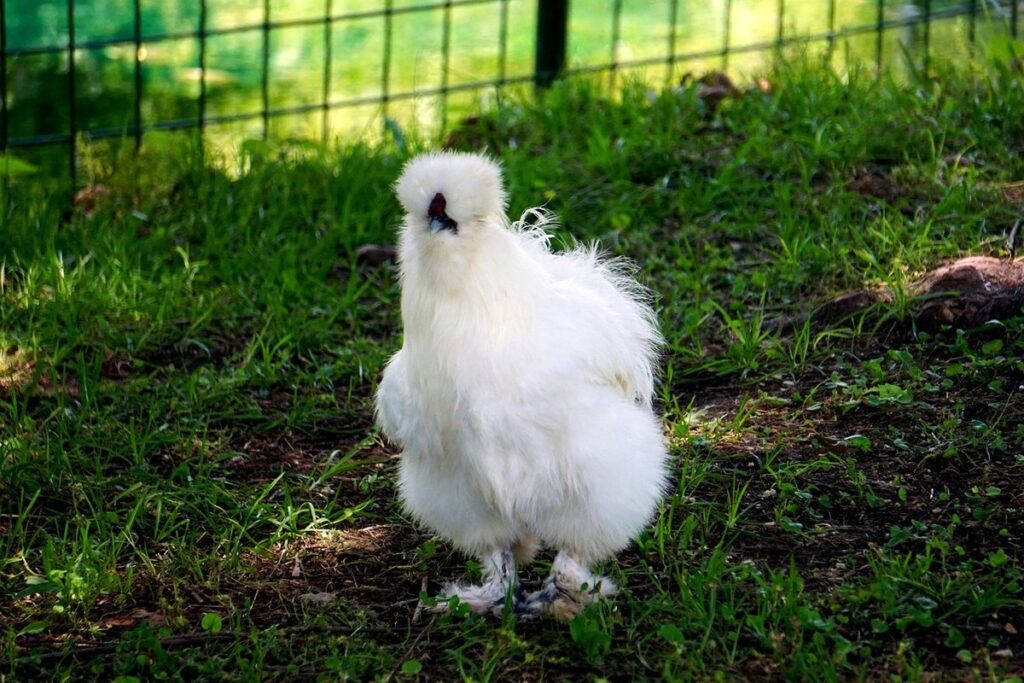
Silkies are known for their stunning appearance, and it’s not hard to see why. Their unique feathers and plumage set them apart from other breeds. One of the most distinctive characteristics of Silkies is their fluffy coat, which can be either soft and woolly or crisp and smooth. This varied texture adds depth and visual interest to their overall appearance.
In terms of body type, Silkies are relatively small, with hens weighing around 3-4 pounds and roosters a bit larger at around 5-6 pounds. Their compact size makes them a great choice for backyard chicken keepers who want to raise birds in smaller spaces. Another notable feature of Silkies is their beards, which can range from short and scrappy to long and flowing.
When it comes to choosing a Silkie Polish mix for your flock, look for birds with well-defined feathering on the face, neck, and legs. A good rule of thumb is to choose birds with feathers that are soft to the touch and have a gentle, wavy texture. With proper care and attention, Silkies can live up to 8-10 years or more in your flock, making them a long-term investment for any chicken enthusiast.
Introducing the Polish Breed
The Silkie Polish mix is a unique and beautiful breed, but let’s start by getting to know its individual components. In this next part of our guide, we’ll be introducing you to the lovable Polish breed.
Origins and History of the Polish Breed
The origins of the Polish breed date back to 16th century Europe, where they were highly prized for their unique appearance and temperament. Initially bred as a show bird, the Polish breed’s popularity soon spread among backyard farmers and hobbyists due to its hardiness, friendly nature, and striking looks.
One of the key factors contributing to the Polish breed’s success was its adaptability to various climates and living conditions. They thrived in small spaces, making them an ideal choice for urban dwellers with limited yard space. This versatility, combined with their relatively low maintenance requirements, made them a favorite among poultry enthusiasts.
As backyard chicken-keeping gained popularity, the Polish breed became increasingly sought after for its gentle nature, making it suitable for families with children or those who wanted a low-stress flock. Their striking appearance, characterized by their crested heads and fluffy feathers, also added to their appeal.
Today, the Polish breed remains a beloved choice among poultry enthusiasts, and when crossed with Silkies, they create stunning silkie polish mix birds that are as charming as they are hardy.
Key Characteristics of Polish Chickens
When it comes to creating stunning birds like the Silkie Polish Mix, understanding the key characteristics of each parent breed is essential. Let’s take a closer look at the physical traits that define Polish chickens.
Polish chickens are easily identifiable due to their unique crest, which is a fleshy comb-like tuft of feathers on top of their heads. This distinctive feature can vary in size and shape, but it’s always prominent. The crest is made up of soft, fluffy feathers that require regular grooming to prevent matting.
In addition to their impressive crests, Polish chickens have large, single combs that are often quite colorful. These combs are a sign of the bird’s overall health and can come in a variety of colors depending on the individual chicken’s genetics.
When it comes to feather type, Polish chickens have soft, fluffy plumage that’s reminiscent of silk (hence their name!). Their feathers are highly prized for their texture and beauty, which is exactly why many breeders love working with this unique feature.
Combining Silkie and Polish Breeds: The Mix
When it comes to creating a stunning silkie polish mix, one of the most exciting aspects is experimenting with different combinations of breeds. Let’s explore how you can successfully combine silkie and polish traits.
The Process of Creating a Silk-Polish Mix
Creating a Silk-Polish mix requires careful consideration and planning. The first step is to choose breeding stock that combines the best qualities of both breeds. When selecting Silkie and Polish birds for breeding, look for individuals with desirable traits such as good egg production, friendly temperaments, and excellent feather quality.
For successful breeding, it’s essential to understand the genetic makeup of your birds. This involves understanding the basic genetics of each breed, including their sex-linked traits and potential health issues. Research the Silkie and Polish breeds separately to gain a deeper understanding of their characteristics and how they might interact in a mix.
Once you’ve selected your breeding stock, it’s time to consider hatchery options. You can either incubate eggs from your own flock or purchase them from a reputable breeder. If using an incubator, ensure that the temperature and humidity levels are maintained within the optimal range for Silkie-Polish chicks (37-38°C and 50-60% respectively).
When incubating Silkie-Polish eggs, be prepared for a higher mortality rate due to the unique characteristics of these breeds. Monitor the eggs closely, and provide adequate care for the hatchlings to increase their chances of survival.
Characteristics of the Silk-Polish Mix
When it comes to the Silk-Polish mix, one of their most striking features is their unique feathers and plumage. These birds often inherit the fluffing gene from the Silkie side, resulting in a soft, fluffy coat that’s irresistibly cute. Their feathers may be ruffled or have a silky texture, making them stand out from other breeds. The Polish side contributes to the mix’s distinctive topknots and crests, adding an extra touch of drama to their already charming appearance.
In terms of body type, Silk-Polish mixes tend to have a compact, rounded shape, with a slightly smaller size compared to purebred Polishes. Their legs may be shorter due to the Silkie influence, but this only adds to their endearing charm. When selecting parents for your Silk-Polish mix, look for birds that exhibit these desirable traits. By combining the fluffing gene and topknots, you’ll increase the chances of creating a stunning bird with an unforgettable appearance.
Raising and Caring for Silkie Polish Mix Chickens
If you’re lucky enough to have Silkie Polish mix chicks, it’s essential to learn how to raise them properly to ensure they grow into healthy, stunning birds. This section will cover the basics of caring for your new feathered friends.
Housing and Environment Requirements
When it comes to raising and caring for Silkie Polish mix chickens, their housing and environment requirements are crucial for their health and well-being. These adorable birds need ample space to roam and exercise, so make sure you have a coop that’s at least 2-3 square feet per bird. A larger enclosure will also give them room to stretch their wings and engage in natural behaviors.
Proper ventilation is essential to prevent respiratory issues in Silkie Polish mix chickens. Ensure your coop has adequate airflow by installing windows or vents, and consider using a dehumidifier to regulate moisture levels. Temperature control is also vital, as these birds can be sensitive to extreme temperatures. Aim for a temperature range of 40-80°F (4-27°C) in the coop, with protection from drafts and direct sunlight.
In terms of nesting boxes, provide one per three hens to encourage healthy egg-laying habits. A dark, quiet space will also help your Silkie Polish mix chickens feel secure and relaxed, leading to better overall health and a stronger immune system. By meeting their basic needs for housing, ventilation, and temperature control, you’ll be well on your way to raising happy and thriving birds that bring joy to your family.
Nutrition and Health Considerations
When it comes to raising and caring for Silkie Polish mix chickens, their nutrition and health are of utmost importance. These birds have unique dietary needs that require attention to detail to ensure they stay healthy and thrive.
A balanced diet is crucial for Silkie Polish mix chickens, with a focus on high-quality protein sources such as crickets, mealworms, and commercial chicken feed. It’s essential to provide a variety of food options to prevent boredom and stimulate their natural foraging behavior. A good rule of thumb is to provide 1-2 tablespoons of treats per pound of body weight daily.
Common health issues in Silkie Polish mix chickens include respiratory problems, heat stress, and obesity. Respiratory issues can be prevented by providing a clean and well-ventilated coop, while heat stress can be managed by ensuring adequate shade and cool water. To prevent obesity, limit treat portions and provide regular exercise through playtime and foraging activities.
Regular health checks are also crucial to detect any potential issues early on. Keep an eye out for signs of illness such as lethargy, loss of appetite, or changes in droppings. With proper care and attention, your Silkie Polish mix chickens can live a long and healthy life, adding beauty and joy to your backyard flock.
Breeding Silkies with Polish Characteristics
Now that you have a basic understanding of the Silkie-Polish mix, let’s dive into breeding Silkies with the distinctive Polish characteristics you love. This section covers tips for achieving those dramatic crests and unique personalities in your birds.
Selecting for Desired Traits
When selecting for desired traits in your Silkie-Polish mix flock, it’s essential to evaluate their plumage, size, and behavior. Start by examining the bird’s overall appearance. Check for the characteristic Silkie “beard” and “muff,” which should be soft, fluffy, and well-defined. Also, look at the Polish crest, ensuring it’s symmetrical and even.
Next, assess the bird’s size. Silkie-Polish mixes can vary in size, but generally, they should fall within the range of 10-14 inches in height. Make note of any significant deviations from this average.
Behavior is another crucial aspect to consider. Silkie-Polish mixes are known for their friendly and docile nature, so observe how your birds interact with each other and their surroundings. Avoid selecting birds that exhibit aggression or fearfulness, as these traits can be challenging to address in breeding programs.
When evaluating size and behavior, keep records of the bird’s lineage, including its parents’ characteristics. This will help you identify patterns and make informed decisions about future breedings. By focusing on desirable traits and maintaining thorough records, you’ll be well on your way to creating a stunning Silkie-Polish mix flock.
Strategies for Successful Breeding Programs
Creating a successful breeding program for Silkies with Polish characteristics requires careful planning and execution. To begin, you’ll need to select breeds that exhibit the desired traits, such as the Silkie’s fluffy feathers and the Polish’s crest. This can be achieved by selecting birds from reputable breeders who have already developed these characteristics in their flocks.
When it comes to genetics, understanding how dominant and recessive traits work is crucial. You’ll need to identify which genes are responsible for the desired characteristics and select birds that carry them. For example, if you want to breed Silkies with a Polish crest, you’ll need to select birds that are homozygous recessive for this trait (meaning they have two copies of the gene).
Record-keeping is also essential in tracking the genetic progress of your flock. Keep accurate records of each bird’s lineage, including its parents, grandparents, and great-grandparents. This will help you identify patterns and make informed decisions about future breeding selections.
Ultimately, creating a successful breeding program requires patience, persistence, and attention to detail. By carefully selecting breeds, understanding genetics, and keeping detailed records, you’ll be well on your way to producing stunning Silkies with Polish characteristics.
Show and Exhibition Opportunities
If you’re ready to showcase your stunning Silkie Polish Mix birds, we’ve got you covered with a rundown of top show and exhibition opportunities to consider. From local poultry shows to national competitions.
Show Rules and Regulations
When it comes to showing off your stunning Silkie Polish mix birds, understanding the show rules and regulations is crucial. The American Poultry Association (APA) and other major poultry associations have specific breed standards for Silkies and Polish chickens that dictate what makes a bird eligible for exhibition.
For Silkies, the APA standard states that birds must have a minimum of five silken feathers on their neck, with no less than three of them meeting the “silky” criteria. The breed also requires a distinctive beard and muffs. As for Polish chickens, they must have a crest that is well-developed and neatly trimmed to meet the show standard.
Judging criteria typically focus on the bird’s appearance, temperament, and conformation to breed standards. Exhibition requirements may vary depending on the specific show or event, but common necessities include proper identification papers, vaccination records, and adherence to local health regulations.
To ensure your Silkie Polish mix birds are eligible for exhibition, carefully review the show rules and regulations beforehand and familiarize yourself with any specific requirements.
Tips for Preparing Your Birds for Competition
Preparing your Silkie-Polish mix birds for competition requires attention to detail and a well-planned strategy. Before entering your birds into a show or exhibition, make sure they are well-groomed and presented in the best possible light.
Grooming is an essential aspect of preparing your birds for competition. Start by regularly cleaning their feathers, beaks, and nails. Use a soft-bristled brush to gently remove any dirt or debris from their plumage. Trim their beaks carefully, taking care not to cut too much or leave uneven edges. Keep their nails trimmed to prevent overgrowth.
In addition to grooming, training is also crucial for competition success. Teach your birds to stand still and quiet on command, allowing the judges to examine them thoroughly. Practice handling techniques, such as gently lifting and supporting their wings and tail feathers, to help them become comfortable with human interaction. Consistency and patience are key when training your Silkie-Polish mix birds.
When it comes to handling techniques, remember that gentle, confident movements are essential. Avoid sudden or jerky motions, which can startle the bird and make it difficult for the judges to examine its features. Practice regularly with your birds, and you’ll be well-prepared for competition success.
Conclusion: The Rewards of Raising Silkie Polish Mix Chickens
Now that you’ve brought your beautiful Silkie Polish mix flock to life, let’s explore the delightful benefits of raising these lovable birds as pets and companions.
Benefits and Advantages
Raising Silkie Polish mix chickens can be an incredibly rewarding experience for backyard flock enthusiasts. One of the primary benefits of these birds is their unique and stunning appearance. With their fluffy silkie feathers and charming facial features, they’re sure to turn heads at the farm or local chicken shows.
Their temperament is another significant advantage of keeping Silkie Polish mix chickens. Known for being friendly, docile, and affectionate, they make excellent pets and are often described as ” lap chickens.” This gentle nature makes them an ideal choice for families with children or individuals who want a low-maintenance flock.
Moreover, their potential for showing is considerable. Many breeders have reported success with Silkie Polish mix birds in poultry competitions, thanks to their striking plumage and charming personality. If you’re considering exhibiting your flock, the Silkie Polish mix’s versatility and good looks make them an excellent choice.
In addition to these benefits, Silkie Polish mix chickens are relatively easy to care for, requiring minimal space and upkeep compared to other breeds. They’re also prolific egg layers, producing an average of 280 eggs per year – making them a practical choice for small-scale farmers or homesteaders.
Overall, the rewards of raising Silkie Polish mix chickens far outweigh their challenges. With proper care and attention, these birds can bring joy, companionship, and stunning beauty to your backyard flock.
Frequently Asked Questions
Can I create a Silkie Polish Mix with my existing flock without extensive experience?
No, creating a Silkie Polish Mix requires a good understanding of genetics and breeding principles to ensure the desired traits are passed down. If you’re new to breeding, it’s recommended to start with basic knowledge and gradually progress to more complex breeds like the Silkie Polish Mix.
How long does it take for Silkies and Polish chickens to adjust to each other in the same flock?
Adjusting to each other can take anywhere from a few weeks to several months. Introducing them slowly, under close supervision, can help prevent conflicts. Also, ensure you provide enough space, resources, and separate areas for each breed.
What are some common health issues I should be aware of when breeding Silkie Polish Mix chickens?
Beak and leg problems, respiratory issues, and mites are common concerns in Silkies and Polish breeds. Regular check-ups with a veterinarian and maintaining proper hygiene can help prevent these issues. Keep an eye out for early signs of illness and take action promptly.
Can I show my Silkie Polish Mix birds at poultry shows if they’re not purebred?
Yes, many breed associations accept mixed-breed chickens in their shows. However, familiarize yourself with the specific rules and regulations of each association to ensure your birds meet their requirements.
How do I select for desirable traits when breeding Silkies with Polish characteristics?
To select for desirable traits, you’ll need a clear understanding of the genetics involved. Focus on breeding individuals that consistently exhibit the desired characteristics, and use selective breeding techniques to gradually refine your flock’s traits over time.