
Are you looking to add some charm to your backyard flock? Look no further than the Silkie Polish rooster! These adorable birds have stolen the hearts of many with their fluffy, soft feathers and gentle nature. But don’t let their sweet disposition fool you – they’re also proud and protective of their territory.
In this article, we’ll delve into the wonderful world of Silkie Polish roosters, exploring their temperament, physical characteristics, and essential care requirements. You’ll learn everything you need to know to bring one of these lovable birds home and keep them happy and healthy as part of your flock. Whether you’re an experienced chicken keeper or just starting out, this guide will give you the inside scoop on what makes Silkie Polish roosters so special – and why they make great additions to any backyard coop.
Introduction to Silkie Polish Roosters
Let’s start by learning more about the silkie polish rooster, a breed known for its stunning plumage and charming personality. In this section, we’ll explore their characteristics in detail.
What are Silkie Polish Roosters?
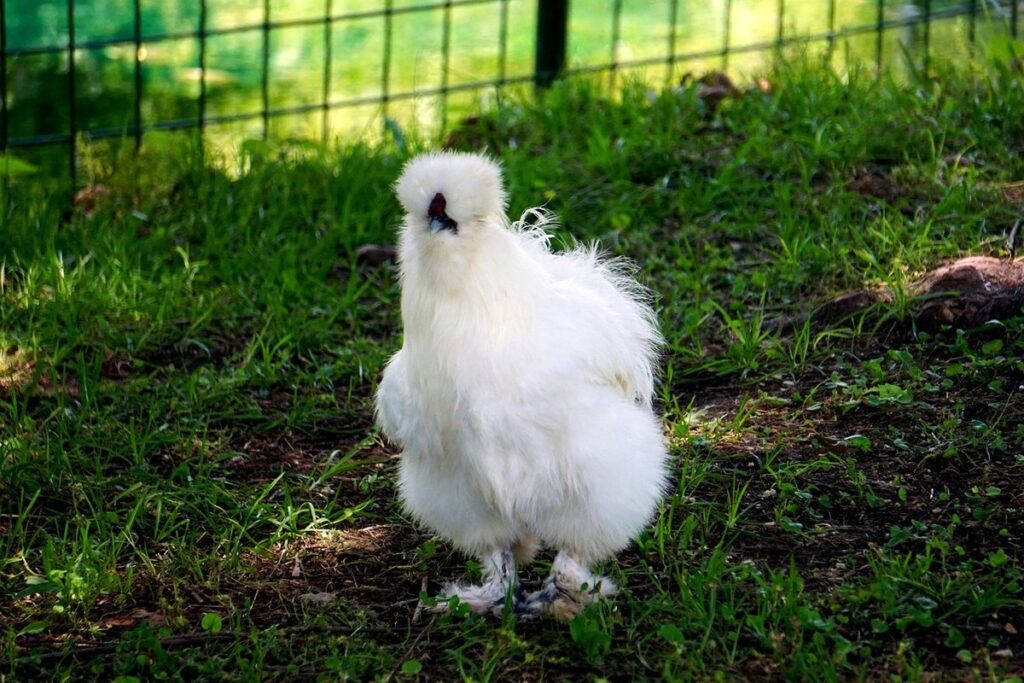
Silkie Polish roosters are a unique and fascinating breed of chicken known for their stunning appearance and charming personality. Originating from Poland, this breed has been prized for centuries for its soft, fluffy plumage and friendly demeanor. Silkie Polish roosters boast a characteristic “silky” coat that is unlike any other breed of chicken, with feathers that resemble fur rather than the typical scaly texture found in most birds.
One of the most distinctive features of the Silkie Polish rooster is its crest, which is long and flowing, often reaching down to the bird’s eyes. Their beaks are also quite small and delicate, adding to their endearing appearance. Silkie Polish roosters come in a variety of colors, including black, blue, buff, chocolate, lavender, porcelain, and white.
In terms of temperament, Silkie Polish roosters are known for being friendly and docile, making them an excellent choice for backyard chicken keepers who want to raise chickens that are easy to handle and interact with. They are also relatively quiet compared to other breeds, which can be a welcome feature for those living in close proximity to neighbors.
History of the Breed
The Silkie Polish rooster has a rich and fascinating history that spans centuries. Originating from China, this breed was highly valued for its unique appearance and gentle nature. Silkies were first introduced to Europe in the 13th century by Arab traders, where they quickly gained popularity among royal courts and aristocratic families.
As trade routes expanded, Silkies began to make their way to other parts of the world, including America and Australia. In the early 20th century, breeders started selecting for specific traits, such as feather quality and size, which led to the development of various sub-breeds within the Silkie Polish family.
By the mid-20th century, Silkies had become a staple in many backyard flocks due to their affectionate and docile nature. Today, they remain one of the most popular breeds among poultry enthusiasts, prized for their stunning appearance and friendly demeanor. Whether you’re a seasoned breeder or just starting out, understanding the history of this beloved breed can help you appreciate its unique characteristics and traits.
Physical Characteristics of Silkie Polish Roosters
When it comes to identifying a Silkie Polish rooster, understanding their physical characteristics is crucial. Let’s take a closer look at what makes these birds unique.
Plumage and Feathers
One of the most distinctive and recognizable features of the Silkie Polish rooster is its unique feathering and plumage. Unlike other breeds, Silkies have a soft, fluffy texture to their feathers that gives them an endearing and lovable appearance. This characteristic is due in part to the breed’s genetic makeup, which includes a mutation that affects the development of the downy undercoat.
The result is a bird with extremely soft, velvety feathers that are almost like touching a pillow. Imagine running your hand over the plumage of a Silkie Polish rooster – it’s an experience unlike any other. The softness of their feathers also makes them an ideal breed for those who prefer to handle and show their birds.
When selecting a Silkie Polish rooster, look for birds with long, flowing feathers that are evenly distributed across their bodies. Avoid those with patchy or uneven feathering, as this can be a sign of poor breeding stock. By choosing a bird with exceptional plumage, you’ll not only be treating yourself to an aesthetically pleasing companion but also ensuring the breed’s genetic integrity for future generations.
Size and Weight
Silkie Polish roosters are known for their unique and endearing physical characteristics. One of the most notable aspects of this breed is its size and weight. On average, an adult Silkie Polish rooster typically weighs between 1.5 to 2.5 pounds (0.7 to 1.1 kg) and stands about 10-12 inches (25-30 cm) tall.
It’s essential to note that there can be some variation in size depending on the individual bird, its lineage, and overall health. Some breeders may also deliberately breed for smaller or larger birds, which can result in a slightly wider range of sizes.
When it comes to weight, Silkie Polish roosters tend to be on the lighter side due to their unique feathering and compact build. This can make them more challenging to manage and require extra care during handling. However, this also contributes to their gentle and affectionate nature.
To ensure you’re getting a healthy Silkie Polish rooster, look for birds that are well-proportioned and have good bone density. Avoid birds that appear too small or underweight, as they may be more prone to health issues later on.
Eye Color and Comb Type
Silkie Polish roosters are known for their striking physical characteristics, and two of the most distinctive features are their eye color and comb type. When it comes to eye color, Silkie Polish roosters typically have a beady, dark brown or black iris, which gives them a cute and endearing appearance. This unique eye color is one of the defining characteristics of the breed.
In terms of comb type, Silkie Polish roosters are recognized for their large, fluffy combs that resemble a muffin top. These combs can be either single or rose-combbed, but they’re always extremely plump and soft to the touch. The combs on Silkies are so distinctive that they’ve become one of the breed’s most recognizable features.
When selecting a Silkie Polish rooster, it’s essential to consider these physical characteristics. If you’re looking for a rooster with a classic Silkie appearance, make sure to choose one with a beady eye and a large, fluffy comb. This will not only enhance the bird’s aesthetic appeal but also ensure that it meets breed standards.
Silkies are known for their unique and beautiful appearance, so don’t be afraid to admire and appreciate these distinctive features in your rooster.
Personality Traits of Silkie Polish Roosters
When it comes to personality, Silkies are often described as friendly and outgoing birds, but do they make great pets for first-time owners? Let’s dive into their unique traits.
Temperament and Friendliness
Silkies are renowned for their calm and gentle nature. This trait makes them an excellent addition to many backyard flocks. Their temperament is often described as friendly, docile, and affectionate, making them a joy to be around.
In fact, Silkies are one of the most popular breeds of chickens kept in backyards due to their gentle disposition. They are easy-going and can adapt well to different living situations, including small spaces and urban areas. This adaptability makes them an excellent choice for city dwellers who want to raise chickens.
When it comes to interacting with people, Silkies are highly social birds that love attention and will often seek it out. However, they also know when to calm down and won’t fight back if handled gently but firmly. This balance between boldness and docility makes them perfect for families with children who want a low-maintenance pet.
It’s worth noting that Silkies can be sensitive, so they require gentle handling and care. Despite this, their friendly nature and calm demeanor make them an excellent choice for anyone looking to add chickens to their backyard flock.
Intelligence and Trainability
When it comes to intelligence and trainability, Silkie Polish Roosters are often misunderstood. Many people assume that their fluffy appearance and gentle nature make them unsuitable for training. However, this couldn’t be further from the truth.
Silkie Polish Roosters are surprisingly intelligent birds, known for their problem-solving abilities and curious nature. They are highly trainable, especially when encouraged with positive reinforcement techniques such as rewards and praise. With patience and consistency, you can teach your Silkie to perform a variety of tasks, including tricks and behaviors.
One unique characteristic of the breed is their ability to adapt to new situations and environments. This makes them an excellent choice for backyard flock owners who want a low-maintenance pet that can thrive in different settings. To take advantage of your Silkie’s trainability, start with short training sessions (5-10 minutes) and gradually increase the duration as they become more confident.
By providing a stimulating environment and using positive reinforcement techniques, you can unlock your Silkie Polish Rooster’s full potential and enjoy a rewarding companionship.
Socialization Needs
Silkie Polish roosters are known for their gentle and affectionate nature, but they do require proper socialization to thrive in a flock setting. Integrating them with other birds can be challenging if not done correctly. When introducing a Silkie Polish rooster to an existing flock, it’s essential to start slowly and under close supervision.
Begin by keeping the rooster separate from the main flock at first, allowing him to become familiar with their scents and sounds without feeling threatened or territorial. You can do this by placing his enclosure next to the main coop, where he can see and smell the other birds but not interact with them immediately.
Once he appears calm and relaxed in the presence of the flock, you can start supervised interactions between the two groups. Reward calm behavior with treats and praise, and avoid forcing the rooster to interact if he shows signs of stress or aggression. With patience and careful introduction, your Silkie Polish rooster can become a beloved member of your flock, enjoying social interaction and getting along with other birds.
Health Considerations for Silkie Polish Roosters
When considering bringing a Silkie Polish rooster into your flock, it’s essential to think about their unique health needs and potential challenges that come with their fluffy coats. This section will guide you through those considerations.
Common Health Issues
Silkie polish roosters are known for their beautiful, fluffy feathers and endearing personality. However, like all breeds, they can be prone to certain health issues that owners should be aware of. Respiratory problems are a common issue affecting silkie polish roosters. Their flat faces and compact skulls make them more susceptible to breathing difficulties, especially in hot or humid climates.
In addition to respiratory issues, feather pecking is another significant concern for silkie polish owners. This behavior can lead to feather loss, stress, and even injury to the birds. To prevent feather pecking, it’s essential to provide a balanced diet, ensure proper socialization, and create an environment that promotes mental stimulation.
To keep your silkie polish rooster healthy, make sure to monitor their breathing regularly, especially during warm weather. Provide plenty of fresh air, ventilation, and maintain a clean living area to prevent respiratory issues from arising. Also, be vigilant in identifying signs of feather pecking, such as stress signals, aggressive behavior, or excessive preening. By being proactive and taking preventive measures, you can help your silkie polish rooster live a long, happy, and healthy life.
Nutritional Requirements
Silkie Polish roosters are a delightful addition to any backyard flock, but their unique characteristics do require special attention when it comes to nutrition. These beautiful birds have a specific set of nutritional needs that differ from other breeds due to their fluffy feathers.
A Silkie’s diet should be rich in protein and calories to support the growth and maintenance of those gorgeous plumage. A good quality layer feed or a high-protein starter feed is ideal for these birds, supplemented with treats like mealworms, sunflower seeds, and fresh fruits and vegetables. It’s essential to provide a calcium-rich food source, such as crushed eggshells or dark leafy greens, to prevent health issues related to their unique feather structure.
Silkie Polish roosters also require access to clean water at all times, so make sure to check the water dispenser regularly to ensure it’s working properly. Additionally, consider adding a probiotic supplement to their diet to support digestive health and overall well-being.
Environmental Needs
When it comes to providing a happy and healthy environment for your Silkie Polish Rooster, their environmental needs are crucial to consider. These birds thrive in spacious and comfortable surroundings that cater to their unique characteristics.
In terms of space, Silkie Polishes require a decent amount of room to roam around and exercise. A minimum of 2-3 square feet per bird is recommended, but ideally, you should provide at least 5-6 square feet per rooster. This will give them enough space to move around, stretch their wings, and engage in natural behaviors.
Climate-wise, Silkie Polishes are relatively hardy birds and can adapt to a range of temperatures. However, they prefer cooler climates and can be sensitive to extreme heat or cold. If you live in an area with hot summers, make sure to provide plenty of shade and ventilation for your rooster. Conversely, if you experience harsh winters, ensure their coop is well-insulated and draft-free.
In terms of shelter, Silkie Polishes require a dry and secure coop that protects them from the elements. The coop should be predator-proofed with sturdy walls and a roof to prevent escape or attack. A clean and well-ventilated space with adequate nesting boxes is also essential for your rooster’s comfort and health.
Breeding and Raising Silkie Polish Roosters
When it comes to breeding and raising Silkie Polish roosters, you’ll want to focus on their unique characteristics and needs in order to raise healthy and thriving birds. Let’s dive into the specifics of caring for these special males.
Selecting a Breed or Hatchery
When it comes to bringing home your very own Silkie Polish Rooster, finding a reputable breeder or hatchery is crucial. You’ll want to ensure you’re getting healthy, well-socialized birds that will thrive in their new environment. So, how do you go about selecting the right one?
Start by researching local breeders or online hatcheries that specialize in Silkies. Look for reviews and testimonials from other satisfied customers – a good breeder or hatchery will have plenty of happy owners who can vouch for them. Check social media platforms like Facebook groups dedicated to Silkie enthusiasts, where you can ask questions and get recommendations.
When selecting a breed or hatchery, consider factors such as health clearances, genetics, and bloodlines. A reputable breeder will be transparent about the bird’s ancestry and provide documentation to support their claims. They may also offer guarantees or refunds if something goes wrong with the birds. Don’t be afraid to ask questions – it’s better to do your due diligence upfront than risk getting scammed or buying a bird that’s not what you expected.
It’s also essential to check for certification from organizations like the American Bantam Association (ABA) or the Silkie Polish Breeders Association (SPBA). These certifications ensure that the breeder or hatchery meets certain standards for breeding and caring for Silkies.
Brooding and Incubation
When it comes to breeding and raising Silkie Polish roosters, one of the most critical steps is incubating eggs. Before we dive into the nitty-gritty of incubation, it’s essential to understand that brooding is the process of keeping chicks warm during their first few weeks of life.
To successfully incubate Silkie Polish eggs, you’ll need a temperature-controlled environment with precise humidity levels. The ideal temperature for incubating Silkie eggs ranges from 99°F (37°C) to 100°F (38°C) on the first day and decreases by about 1/2 degree each subsequent day until it reaches around 98°F (36°C) at day 18.
Maintaining optimal humidity is equally crucial, with a relative humidity of 50-60% during the first 3 weeks. A good rule of thumb is to maintain a consistent temperature and humidity level, but avoid over-humidifying the environment, which can lead to mold growth.
To ensure a smooth incubation process, you can purchase an incubator specifically designed for poultry. These devices usually come equipped with built-in temperature control and humidity monitoring systems. Always follow the manufacturer’s guidelines for setting up and maintaining the incubator.
Raising Chicks to Maturity
Raising chicks from hatchling stage to maturity requires dedication and attention to detail. Once you’ve hatched Silkie Polish rooster chicks, it’s essential to provide them with a warm, draft-free environment with adequate ventilation. A heat source is necessary for the first week or two, but be sure to monitor temperatures closely to avoid overheating.
A starter diet rich in protein should be introduced around 1-2 weeks of age, and switched to a grower feed by 4-5 weeks. Provide fresh water at all times, and ensure it’s accessible to the chicks. Silkie Polish roosters can be prone to respiratory issues, so keep an eye out for signs of distress such as labored breathing or sneezing.
As they grow, provide a balanced diet and plenty of space to roam. By 16-18 weeks, your Silkie Polish rooster should be nearing maturity. At this stage, begin introducing them to the flock, but ensure they’re not being bullied or stressed. Provide regular health checks and maintain a clean living environment to set your young birds up for success.
Showing and Exhibiting Silkie Polish Roosters
When it comes time to showcase your stunning Silkie Polish rooster, there are several key considerations to keep in mind for a winning display. Let’s dive into the specifics of showing and exhibiting these beautiful birds.
Exhibition Rules and Regulations
When exhibiting your Silkie Polish roosters, it’s essential to familiarize yourself with the rules and regulations governing their exhibition. These guidelines are designed to ensure that only birds that meet specific breed standards are presented for judging.
The American Bantam Association (ABA) and the American Poultry Association (APA) are two prominent organizations that establish and maintain breed standards for Silkie Polish roosters. According to these organizations, Silkie Polish roosters should exhibit a calm temperament, soft, fluffy plumage, and a compact, rounded body shape.
Breeders must also adhere to specific guidelines regarding the rooster’s weight, length of neck, size and shape of the beak, and coloration. For example, Silkie Polish roosters should weigh between 1.4 and 2.3 pounds (0.6-1 kg), with a maximum length of neck of 5 inches (13 cm).
When preparing your bird for exhibition, make sure to check it against these breed standards carefully. Ensure that your Silkie Polish rooster meets the required specifications in terms of weight, plumage, and overall appearance.
Tips for Success in Show Competitions
When preparing to show your Silkie Polish roosters in competitions, it’s essential to focus on their unique characteristics that make them stand out. One key aspect to emphasize is their fluffy, soft plumage, which should be clean and well-maintained. Make sure to brush your bird regularly to prevent matting and tangling.
In terms of overall appearance, pay attention to the rooster’s weight, posture, and movement. A good Silkie Polish rooster should have a full, rounded body with a gentle, relaxed demeanor. Avoid selecting birds that appear scrawny or lethargic, as these traits can detract from their overall appeal.
During the show, be prepared to highlight your rooster’s excellent temperament. Silkie Polish roosters are known for being friendly and docile, so take advantage of this by showcasing their gentle nature. Be sure to provide a safe and comfortable environment for both you and your bird, as a calm and relaxed atmosphere can greatly impact the judges’ perception.
When interacting with the judges, remember to be confident and knowledgeable about your rooster’s breed characteristics and ancestry. This will not only demonstrate your expertise but also show that you’ve taken the time to learn about the breed.
Frequently Asked Questions
Can I keep Silkie Polish Roosters as pets if I live in a small apartment?
Yes, Silkie Polish Roosters can thrive in small spaces, but it’s essential to ensure they have enough room to move around and stretch their wings. You’ll also need to consider noise levels, as roosters can be loud. If you’re planning to keep them indoors, provide a spacious coop or enclosure that meets their needs.
How do I handle aggression in my Silkie Polish Rooster?
Aggression in Silkie Polish Roosters is relatively rare but can occur if they feel threatened or territorial. To address this, provide a safe and secure environment, ensure proper socialization, and introduce new birds gradually to avoid stress. If aggression persists, consult with an avian behaviorist for personalized guidance.
Can I breed my own Silkie Polish Roosters?
Breeding Silkie Polish Roosters requires experience and knowledge of genetics. It’s crucial to select healthy parents with desirable traits, follow proper breeding techniques, and prioritize the welfare of both the rooster and hens. Research local regulations and consult with experienced breeders before attempting to breed your own flock.
How do I prevent health issues in my Silkie Polish Roosters?
Regular health checks, a balanced diet, and clean living conditions are essential for maintaining your Silkie Polish Rooster’s health. Provide access to fresh water, adequate ventilation, and sufficient space to exercise. Keep an eye out for signs of illness or injury, and consult with a veterinarian experienced in avian care if you have concerns.
Can I show my Silkie Polish Roosters in competitions?
Silkie Polish Roosters can excel in shows, but they require proper training, handling, and presentation. Familiarize yourself with exhibition rules and regulations, and practice presenting your birds confidently and correctly. Invest time in grooming and conditioning to help them shine at the competition.