
Silkies are one of the most beloved breeds in backyard chicken keeping, but their unique characteristics can also lead to some unexpected behaviors from their male counterparts. If you’re raising a silkie rooster, you may find yourself wondering about his temperament and how it will affect your flock dynamics. As a seasoned poultry enthusiast, I’ve learned that understanding silkie rooster behavior is crucial for successfully integrating them into your backyard farm. In this article, we’ll delve into the world of silkie roosters, exploring their breeding and health considerations, as well as tips on how to care for these lovable but sometimes stubborn birds. By the end of this post, you’ll have a comprehensive understanding of what it takes to raise happy, healthy silkies – and why they’re worth the extra effort.
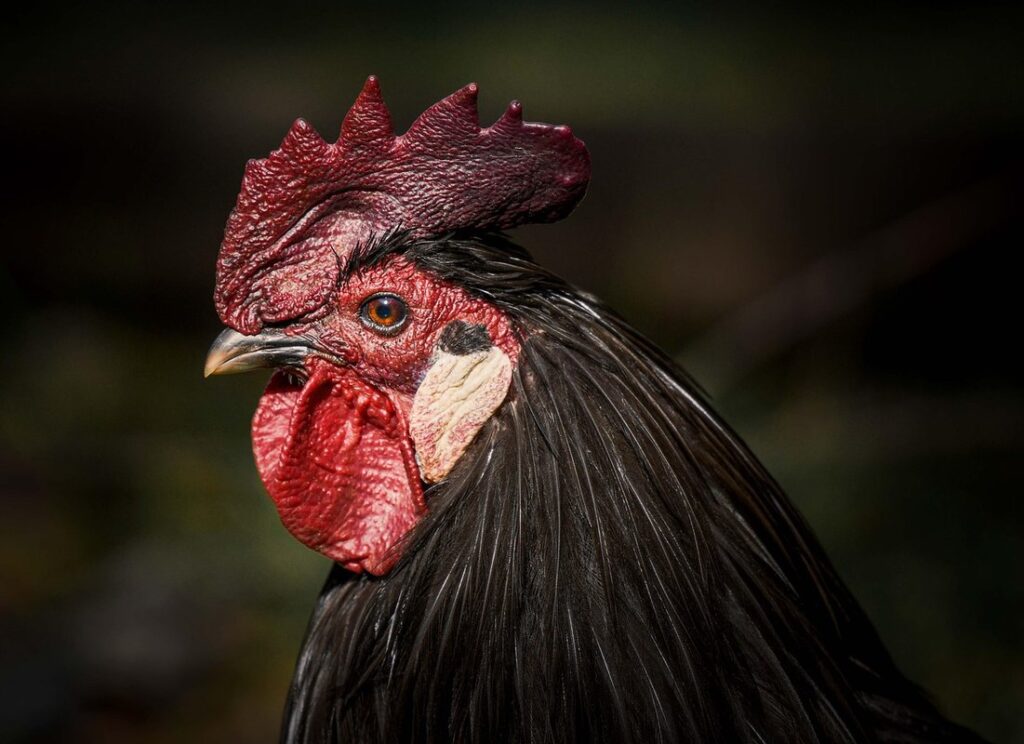
Introduction to Silkie Roosters
When it comes to silkie roosters, their unique characteristics can be both charming and puzzling. Let’s dive into what makes these birds so special when it comes to behavior.
Origins and History of Silkie Roosters
The Silkie rooster has a rich and fascinating history that spans centuries. Originating from Asia, specifically China and Southeast Asia, Silkies have been prized for their unique appearance and docile nature. It’s believed that they were first bred as ornamental birds, with their fluffy coats and beards making them a sought-after addition to royal courts and noble estates.
Over time, Silkies spread throughout the world, gaining popularity among chicken enthusiasts for their gentle disposition and striking appearance. In the 19th century, they were introduced to Europe and quickly became a favorite among breeders and backyard flock owners. Today, Silkies are one of the most beloved breeds among chicken keepers, prized not only for their beauty but also for their friendly and social nature.
As you consider bringing a Silkie rooster into your flock, it’s worth noting that their origins have shaped their behavior and temperament. With proper care and handling, Silkies can make wonderful companions, so be sure to learn more about their unique characteristics and needs in the following sections of this guide.
Key Characteristics of Silkie Roosters
When it comes to identifying Silkie roosters, their distinct physical features are a dead giveaway. One of the most notable characteristics is their fluffy feathers, which set them apart from other breeds. Silkie roosters have a unique, soft plumage that’s unlike any other breed – they’re truly one-of-a-kind in this regard.
Their beards and muffles add to their endearing appearance. These facial features are not only adorable but also contribute to the overall gentle nature of Silkies. Unlike some other breeds, Silkie roosters are known for being calm and docile, making them an excellent choice for families or backyard flocks where interaction is encouraged.
In terms of appearance, it’s essential to note that purebred Silkies will exhibit these characteristics consistently. If you’re considering adding a Silkie rooster to your flock, look for these distinctive physical features to ensure you’re getting a true breed specimen. With their unique plumage and gentle nature, it’s no wonder Silkies have captured the hearts of so many poultry enthusiasts.
Temperament and Personality Traits
When it comes to silkie rooster temperament, understanding their unique personality traits is crucial for creating a harmonious flock environment. Let’s dive into what makes these charming birds tick!
Understanding Silkie Rooster Behavior in Flocks
When it comes to understanding Silkie rooster behavior in flocks, one of the most important aspects is their interaction with other birds. Silkies are known for their friendly and docile nature, but this doesn’t mean they won’t assert dominance within a flock.
In fact, Silkies can be quite social and will often form close bonds with their hens, particularly if they’re raised together from a young age. However, when it comes to other roosters, things can get more complicated. Some Silkies may become overly aggressive or territorial, especially if they feel threatened by another rooster’s presence.
To manage dominance issues within your flock, consider introducing new birds slowly and under close supervision. It’s also essential to provide enough space for all birds to roam and exercise without feeling confined or competing for resources. This can help reduce stress and aggression among the birds. By understanding these social dynamics, you can create a harmonious and balanced environment that allows Silkies to thrive alongside their flockmates.
Managing Silkie Rooster Aggression
Recognizing signs of aggression in Silkie roosters is crucial to preventing problems on your farm or homestead. One key indicator is an increase in crowing or vocalization, often a sign that the rooster feels threatened or territorial. Watch for raised hackles, puffed-out chests, and forward-facing postures as they may be more likely to attack if they feel cornered.
To prevent aggression, provide your Silkie roosters with ample space and enrichment activities. Offer plenty of nesting boxes and perches to reduce competition and stress. It’s also essential to introduce them gradually to new environments and animals to avoid sudden stress triggers.
Remember that Silkies are known for their gentle nature, so it’s often a case of “can they be too friendly?” rather than aggressive. However, if you notice persistent aggression or fear-based behaviors, consult with an experienced poultry expert or behaviorist for guidance on addressing these issues before they escalate into serious problems.
Breeding and Raising Silkie Roosters
When it comes to silkie rooster behavior, breeding them requires a unique understanding of their temperaments. In this section, we’ll cover the essential considerations for raising and breeding these charming birds.
Choosing the Right Silkie Rooster for Breeding
When selecting a Silkie rooster for breeding purposes, it’s essential to choose one that not only displays desirable behavior but also possesses good health and genetic soundness. This can be achieved by researching reputable breeders who prioritize the integrity of their bloodlines.
Considerations for fertility should include looking for roosters with documented breeding success, as well as evaluating their overall physical condition, including beak shape, feather quality, and plumage. A healthy Silkie rooster should have a strong immune system to withstand potential health issues such as respiratory problems common in Silkies.
It’s also crucial to ensure that the rooster you choose has been tested for genetic disorders specific to the breed, such as spiffiness or crestedness. This will give you peace of mind knowing your flock is less likely to suffer from inherited conditions.
To find a suitable Silkie rooster, network with experienced breeders and ask for recommendations based on their own breeding experiences.
Caring for Silkie Rooster Chicks and Juveniles
Raising young Silkies requires careful attention to their nutritional needs, health checks, and environmental conditions. A balanced diet is crucial for Silkie chicks and juveniles, as they grow rapidly during the first few weeks of life. Provide a starter feed specifically formulated for game birds or small fowl, and ensure access to fresh water at all times.
For optimal growth, Silkies need adequate protein (20-25% in starter feed) and energy sources. You can supplement with crushed oats, millet, or sunflower seeds as treats. Be cautious not to overfeed, as this can lead to obesity and related health issues.
Perform daily health checks on your Silkie chicks, looking for signs of illness, such as labored breathing, discharge from the eyes or beak, or lethargy. Keep their enclosure clean, removing soiled bedding material and providing fresh litter regularly. Ensure adequate ventilation and a suitable temperature range (around 90°F to 100°F) during the first few weeks after hatching.
Keep your Silkie chicks and juveniles in a quiet, draft-free area with sufficient space for movement. Provide perches or bars for them to exercise on and a shallow dish of water for bathing.
Health Considerations for Silkie Roosters
When raising a silkie rooster, it’s essential to be aware of their unique health requirements and potential vulnerabilities to ensure they live long and happy lives. This includes specific considerations for respiratory health.
Common Health Issues Affecting Silkie Roosters
Silkies are prone to several health issues that can impact their quality of life and overall well-being. One common concern is frostbite, which can occur when their feathers become damp and their skin is exposed to cold temperatures. To prevent this, it’s essential to ensure they have a dry, draft-free coop with adequate ventilation.
Respiratory issues are another health problem affecting Silkies. Their flat face and short beak can cause breathing difficulties, especially in hot or humid environments. It’s crucial to provide them with plenty of fresh air and monitor their breathing when the temperature rises.
Feather conditions such as mites and lice are also prevalent among Silkies. These parasites can cause discomfort, skin irritation, and even disease transmission. Regularly inspect your birds’ feathers for signs of infestation, and treat promptly if necessary. Keep in mind that Silkies require regular grooming to prevent matting and tangling of their beautiful, long coats.
Preventative Measures for Keeping Your Silkie Rooster Healthy
Maintaining good health is crucial for your Silkie rooster’s overall well-being and happiness. Since Silkies are prone to certain health issues due to their unique characteristics, it’s essential to take preventative measures. Start by consulting with a veterinarian who has experience with poultry to determine the best vaccination schedule for your rooster.
Regular parasite control is also vital to prevent internal and external parasites from affecting your Silkie’s health. Use a reliable deworming medication as directed, and ensure your rooster’s living environment is clean and free of debris. A balanced diet rich in protein and essential vitamins will help keep your rooster healthy. Provide a varied diet that includes high-quality commercial feed supplemented with fruits, vegetables, and grains.
Some key nutrients to focus on include calcium for strong bones and shells, as well as omega-3 fatty acids for skin and feather health. Avoid overfeeding, as this can lead to obesity-related issues in Silkies. Keep an eye out for signs of illness or stress, such as changes in appetite, droopy wings, or excessive preening. Regularly monitoring your rooster’s overall condition will allow you to address any potential health concerns early on and take necessary steps to prevent more severe problems from developing.
Training and Handling Silkie Roosters
Training a silkie rooster requires patience, consistency, and positive reinforcement to bring out their natural charm and gentle nature. With the right approach, you can develop a strong bond with your silkies.
Basic Training Techniques for Silkie Roosters
When it comes to training Silkies from an early age, consistency and patience are key. Start by introducing basic obedience commands such as “step up,” “step down,” and “come here.” Use positive reinforcement techniques like treats and praise to encourage good behavior.
Begin with short sessions (5-10 minutes) and gradually increase the duration as your rooster becomes more attentive. For example, you can start by having your rooster step onto a stool or a box, then reward him with a treat when he does so successfully.
Socialization is also crucial for Silkies, especially from an early age. Introduce your rooster to various people, environments, and sounds to help him become confident in new situations. Gradually increase the level of stimulation to prevent overwhelming your bird.
Some tips for handling Silkies include approaching them calmly, speaking softly, and moving slowly. It’s also essential to handle them gently but firmly, making sure not to constrict their wings or tail feathers. By following these basic training techniques, you’ll be well on your way to raising a well-behaved and friendly Silkie rooster.
Advanced Training Methods for Experienced Breeders or Owners
As an experienced breeder or owner of Silkie roosters, you’re likely looking to refine your training skills and push the boundaries of what’s possible with these unique birds. One advanced method for enhancing their behavior is through clicker training. By using a clicker to mark desired behaviors, such as gentle handling or calm demeanor, you can quickly reinforce positive traits and discourage undesirable ones.
Another approach is to incorporate desensitization and counterconditioning techniques to address common issues like aggression or fear-based behaviors. For instance, if your Silkie rooster displays aggression during handling, try gradually exposing him to the stimuli that triggers this behavior while associating it with a reward, such as treats or praise. This can help your bird learn to remain calm in the face of potentially stressful situations.
With patience and consistency, these advanced training methods can help you unlock your Silkie rooster’s full potential and build an even stronger bond with them.
Frequently Asked Questions
Can I raise a silkie rooster if I have other breeds of chickens in the flock?
When integrating a silkie rooster with other breeds, it’s essential to consider their compatibility. Silkies are known for being docile and friendly, but they can be wary of dominant birds. To ensure a harmonious flock, start by introducing them slowly, monitoring their behavior, and providing separate areas for each breed.
How do I manage a silkie rooster that shows aggression towards other chickens or humans?
Silkies can develop aggressive tendencies due to various factors such as over-handling, inadequate space, or poor breeding. To address this issue, provide your silkie with ample space, a balanced diet, and regular exercise. Also, consider separating him from the rest of the flock during feeding times or when interacting with humans.
Can I breed silkies without prior experience in poultry breeding?
While silkies are relatively easy to care for, breeding them requires knowledge and experience. If you’re new to breeding, it’s crucial to research the specific needs of silkies, understand genetics, and develop a solid understanding of breeding principles. Consider seeking guidance from an experienced breeder or taking online courses to ensure successful breeding.
How often should I trim my silkie rooster’s beard and plumage?
Regular grooming is vital for maintaining your silkie’s appearance and overall health. Trim their beard and plumage every 4-6 weeks, depending on growth rates and personal preference. Use sharp scissors or clippers specifically designed for birds to avoid causing harm.
What are the most common health issues affecting silkie roosters, and how can I prevent them?
Silkies are prone to certain health issues such as frostbite, heat stress, and respiratory problems due to their unique characteristics. To prevent these conditions, provide your silkies with adequate shelter from extreme temperatures, ensure proper ventilation in their coop, and keep an eye out for signs of illness or discomfort.