
Are you considering adding some flair to your backyard flock? If so, you may be torn between two popular breeds: Silkie and Polish chickens. Both of these unique birds have captured the hearts of many chicken enthusiasts with their striking appearances and charming personalities. But what sets them apart from one another?
In this article, we’ll delve into the key differences between Silkie and Polish chickens. We’ll explore their origins, characteristics, temperament, health considerations, egg-laying capacity, feeding needs, and suitability for beginners. Whether you’re a seasoned chicken owner or just starting out, understanding these distinct breeds will help you make an informed decision about which one is right for you. Let’s get started on this journey to discover the perfect fit for your flock!
Introduction to Silkies and Polishes
If you’re new to raising chickens, getting familiar with Silkie and Polish breeds is essential. This section will break down the basics of these two popular and lovable chicken varieties.
Origins of Both Breeds
The Silkies and Polish breeds have fascinating histories that set them apart from other chicken breeds. Let’s start with the origins of each breed.
Silkies are believed to have originated in Asia over 1,000 years ago, specifically in China where they were prized for their fluffy, soft feathers and gentle nature. They were often kept as pets by royalty and nobility due to their unique appearance and temperament. The Silkies’ ancestors were likely brought back to Europe by traders and explorers, where they interbred with other chicken breeds, resulting in the modern Silkie.
Polish chickens, on the other hand, are thought to have originated in Poland (hence the name) over 300 years ago. They were developed from a combination of European fowl brought back by travelers and local birds, with a focus on creating a bird that was compact, friendly, and produced well. The Polish breed quickly gained popularity throughout Europe due to its unique characteristics and impressive egg-laying abilities.
It’s interesting to note how both breeds have been influenced by their respective geographic origins and cultural contexts.
Key Characteristics of Each Breed
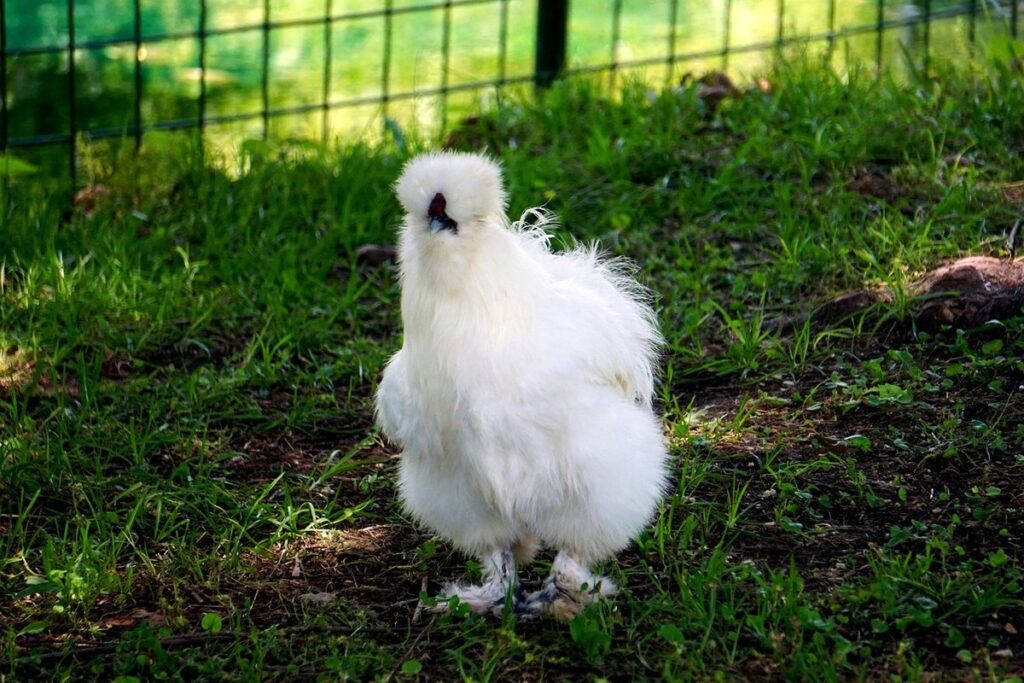
When it comes to distinguishing between Silkies and Polishes, several key characteristics come into play. One of the most notable differences is their coat type. Silkies are known for their fluffy, soft feathers that give them a teddy bear-like appearance. Their feathers can be loose and flappy, which requires more maintenance compared to other breeds. On the other hand, Polishes have tight, glossy plumage with minimal fluffing.
In addition to coat type, beak shape is another distinguishing feature of these two breeds. Silkies often have a dished beak, meaning it’s slightly curved inward, while Polishes tend to have a straight or even upturned beak. This can affect the way they forage and eat, so keep this in mind when deciding which breed is best suited for your flock.
Personality-wise, both breeds are known for their friendly and docile nature, making them great additions to family farms or backyard coops. However, Silkies tend to be more timid and may require a little extra time to warm up to new people.
Physical Differences Between Silkie and Polish Chickens
One of the most noticeable differences between Silkies and Polish chickens is their unique physical characteristics, which set them apart from other breeds. Let’s take a closer look at how they differ in terms of plumage and build.
Appearance of Silky Feathers
One of the most distinctive features of Silkie chickens is their unique appearance. Their fluffy feathers give them a soft, gentle look that’s hard to resist. Imagine holding a baby chick with its tiny downy feathers puffed out – that’s what a Silkie adult chicken looks like! The texture of their feathers is also noteworthy; they’re soft and silky (as the name suggests), not prickly or scaly like some other breeds.
Silkies have a rounded, compact body shape, which adds to their adorable appearance. Their faces are flat, with gentle eyes that seem to melt into their beaks. The overall effect is one of cuddliness – it’s no wonder many people fall in love with Silkies the moment they see them! If you’re considering getting a Silkie as a pet, be prepared for snuggles galore.
It’s worth noting that some Silkies may have a slightly different appearance than others, depending on their lineage and breeding. However, one thing remains constant: their irresistible charm and endearing looks. Whether you’re a seasoned chicken owner or just starting out, a Silkie is sure to bring a smile to your face every time you visit the coop.
Crests on Polish Chickens
One of the most distinctive features of Polish chickens is their crest, a long, fluffy tuft of feathers on top of their heads. In comparison to Silkie chickens, which have a single, rounded feather on top of their heads, Polish crests are larger and more elaborate. A Polish chicken‘s crest can be quite impressive, with some birds sporting crests that reach up to 2-3 inches in length.
When it comes to choosing between the two breeds, the size and shape of the crest can play a significant role in your decision. If you’re looking for a breed with an even more dramatic appearance, Polish chickens may be the way to go. However, if you prefer a more understated look, Silkies might be a better fit.
It’s worth noting that Polish crests require regular maintenance to keep them clean and free of debris. This can involve daily grooming sessions to prevent matting and tangling of the feathers. If you’re not prepared to commit to this level of care, you may want to consider another breed altogether.
Temperament and Personality Traits
When it comes to deciding between Silkie and Polish chickens, their unique personalities play a big role in making your decision. Let’s take a closer look at what makes each breed tick.
Friendly and Docile Nature of Silkies
Silkies are known for their extremely docile and affectionate nature, making them an ideal choice for families with children. They are often described as gentle giants due to their calm demeanor and friendly disposition. One of the reasons Silkies are so popular among backyard chicken keepers is that they are incredibly social birds that thrive on human interaction. They love to be around people and will often follow you around the yard, eager to be petted and cuddled.
In fact, many Silkie owners report that their chickens become like pets rather than just farm animals. They are known to sit on your lap, snuggle up next to you on the porch, or even follow you into the house. Their gentle nature makes them perfect for families with young children who can learn valuable lessons about responsibility and empathy by interacting with these lovable birds.
It’s not uncommon for Silkies to become separation-anxious if left alone for too long without their owners. This just goes to show how bonded they can become to their human family members.
Affectionate but Also Assertive Polishes
If you’re considering getting Polish chickens, be prepared to give them plenty of attention and handling. On one hand, they’re incredibly affectionate and loving birds that thrive on interaction with their owners. They’ll often follow you around the yard, snuggle up next to you on the porch, or even climb onto your lap for pets. It’s not uncommon for Polish chickens to form strong bonds with their families, becoming more than just pets but beloved members of the household.
However, being affectionate doesn’t mean they’re pushovers. Polish chickens are also known for their assertiveness, which can sometimes manifest as nipping or even aggressive behavior if they feel threatened or if their needs aren’t met. To manage this aspect of their personality, it’s essential to establish clear boundaries and communicate effectively with your birds.
To ensure a harmonious relationship with your Polish flock, focus on providing regular handling sessions, starting from an early age. Spend time with them daily, gently petting, holding, or simply sitting near them. By doing so, you’ll help build trust and encourage them to be more receptive to your presence.
Health Considerations
When selecting a chicken breed, it’s essential to consider their health needs and potential vulnerabilities. Let’s examine some key health factors specific to Silkie and Polish chickens.
Sensitivity to Cold Weather in Silkies
When it comes to cold weather, Silkies can be quite fragile. Unlike Polish chickens, which have some level of resistance to chilly temperatures, Silkies are highly sensitive to extreme cold. Their fluffy feathers, while beautiful and endearing, don’t provide adequate insulation against harsh winds or freezing temperatures.
Prolonged exposure to cold weather can lead to health issues in Silkies, such as frostbite, respiratory problems, and even hypothermia. In severe cases, they may experience circulatory problems due to the cold stress on their systems. This is particularly concerning for backyard chicken keepers who live in areas with harsh winters.
To mitigate these risks, it’s essential to provide Silkies with a warm and dry shelter that protects them from wind and precipitation. You should also ensure their coop has adequate ventilation to prevent moisture buildup. If you live in an area with extremely cold temperatures, consider supplementing their diet with extra protein and energy to help them cope with the stress of cold weather.
In summary, Silkies require a more careful approach to cold weather management than Polish chickens. By understanding their limitations and taking steps to protect them, you can enjoy the unique charms of your Silkie flock while minimizing potential health risks.
Crest Care for Polish Chickens
Polish chickens are renowned for their beautiful crests, but these impressive features can also be a point of concern if not properly maintained. As a Polish chicken owner, it’s essential to prioritize crest care to prevent potential health issues.
The crest of a Polish chicken can become dirty and matted, creating an environment conducive to bacterial and fungal growth. Regular cleaning is crucial to keep your bird’s crest healthy. To do this, gently lift the feathers on either side of the crest with one hand while using the other to clean the area beneath. A damp cloth or cotton ball soaked in a mixture of warm water and gentle soap can be used for this purpose.
Cleaning should ideally be done daily, especially during periods of high heat when your Polish chicken’s sweat glands are more active. Trimming the feathers around the crest every few months can also help maintain airflow and reduce moisture buildup. By dedicating time to regular cleaning and maintenance, you’ll not only keep your Polish chicken looking its best but also promote overall health and well-being.
Egg-Laying Capacity
When it comes to choosing between Silkie and Polish chickens, one of the most important considerations is their egg-laying capacity – how many eggs will they produce per year? Let’s take a closer look at what you can expect.
Moderate Egg Production by Silkies
When it comes to egg-laying capacity, Silkie hens are known for their moderate production. On average, a healthy Silkie hen will lay around 120-150 eggs per year, which is relatively lower compared to other popular breeds like Leghorns or Rhode Island Reds.
However, this doesn’t mean that Silkies aren’t suitable for small-scale backyard flocks. In fact, their gentle nature and smaller egg size make them an excellent choice for families with children or those who want a more laid-back chicken-keeping experience. Plus, Silkie eggs are often considered to be of higher quality due to the breed’s unique genetics.
If you’re new to raising chickens, Silkies can be a great starting point. They’re relatively low-maintenance and easy to care for, making them perfect for small gardens or urban areas where space is limited. Just remember that Silkies will still require regular feeding, watering, and health checks, just like any other breed.
In terms of egg production, it’s worth noting that Silkie hens tend to lay eggs more consistently throughout the year, rather than experiencing a large peak in production during spring or summer months. This can be beneficial for families who rely on a steady supply of fresh eggs for their daily needs.
High-Egg-Producing Polish Hens
Polish hens are often misunderstood when it comes to their egg-laying capacity. While some may assume they’re not prolific layers due to their delicate appearance and calm nature, the truth is that Polish hens can be high-egg-producing birds if given the right care.
In fact, with regular access to food and supplements, a healthy Polish hen can lay anywhere from 200 to 300 eggs per year. To maintain optimal egg production, it’s essential to ensure they’re getting enough nutrients through their diet. This includes providing a balanced layer feed that meets their nutritional needs, as well as offering fresh fruits and vegetables on the side.
A good example of this is to provide your Polish hens with a calcium supplement, especially during breeding season when egg-laying peaks. This will not only support their egg production but also help maintain strong bone health. Regular check-ins with a veterinarian can also help identify any potential nutritional deficiencies or health issues that may impact their egg-laying capacity.
By understanding the needs of your Polish hens and providing them with the right care, you can expect to see a significant increase in their egg production.
Feeding and Nutrition
When it comes to feeding your Silkies or Polish, their dietary needs can be quite different from other breeds. This is especially true for Silkies, who require a special diet to maintain their fluffy coats.
Special Dietary Needs of Silkies
When it comes to feeding Silkie chickens, it’s essential to be aware of their special dietary needs. Unlike Polish chickens, Silkies have a unique sensitivity to certain foods that can affect their health if not managed properly.
Silkies are prone to obesity due to their gentle and laid-back nature, which often leads them to overeat. This means they require a strict monitoring of their food intake to prevent weight-related issues. It’s crucial to provide them with a balanced diet rich in protein and fiber while limiting their access to treats and snacks.
Avoid feeding Silkies foods high in sugar, such as bread, pasta, or sugary fruits like apples and grapes. These can cause an insulin surge, leading to serious health problems. Instead, offer them nutrient-rich foods like leafy greens, broccoli, and carrots. You can also supplement their diet with probiotics to support their digestive system.
By being mindful of your Silkie’s dietary needs and making a few adjustments to their feeding routine, you can ensure they lead a happy and healthy life on your farm or backyard flock.
Balanced Diet for Polish Chickens
When it comes to feeding your Polish chickens, providing a balanced diet is crucial for their overall health and well-being. Unlike Silkies, which are prone to obesity due to their fluffy coat, Polish chickens have a more athletic build and require a diet that supports their high energy levels.
A mix of protein sources is essential for Polish chickens. Consider including a combination of grains such as oats, barley, and wheat in their feed, alongside legumes like beans and peas. Supplementing with mealworms or crickets can provide an additional boost of protein and calcium. Don’t forget to include plenty of fresh fruits and vegetables in their diet, such as leafy greens, carrots, and apples.
To ensure your Polish chickens are getting the nutrients they need, consider creating a feeding schedule that includes a variety of foods at different times of the day. For example, you can offer layer feed in the morning, followed by a mid-day snack of fruits or vegetables, and finish off with a dinner of mealworms or crickets. By providing a balanced diet, you’ll be helping your Polish chickens stay healthy, happy, and thriving.
Conclusion: Choosing Between Silkie and Polish
Now that you’ve weighed the pros and cons of each breed, it’s time to make a decision that suits your needs and lifestyle. Let’s recap the key differences between Silkie and Polish chickens.
Final Thoughts on Suitability for Beginners
When deciding between Silkie and Polish chickens as your first flock, it’s essential to consider which breed is more suitable for a beginner. Both breeds have their unique characteristics that may make one more appealing than the other depending on your needs.
Silkies are known for being gentle giants with their fluffy coats and calm demeanor. They’re an excellent choice for families or those who want a low-maintenance pet. However, they can be challenging to handle due to their large size and protective nature. For example, Silkies may become aggressive if not socialized properly from an early age.
On the other hand, Polish chickens are smaller in stature but have a more outgoing personality. They’re relatively easy to care for and can adapt well to small spaces or backyard coops. One of the primary reasons Polish chickens make excellent choices for beginners is their high tolerance for handling and ability to learn tricks quickly.
Considering these factors, we believe that Polish chickens might be a better fit for beginners due to their ease of care and adaptability. However, Silkies can still be an excellent choice if you’re willing to invest time in socializing them properly from an early age.
To increase the chances of success with either breed, here are some practical tips:
* Research local regulations before bringing your flock home
* Ensure adequate space for your chickens’ movement and comfort
* Provide a balanced diet that meets their nutritional needs
* Spend quality time with your chickens to establish trust and socialize them properly
By following these guidelines and choosing the right breed for your lifestyle, you’ll be well on your way to becoming a happy and successful chicken keeper.
Frequently Asked Questions
Can I keep both Silkies and Polish chickens together in a small flock?
Yes, you can definitely mix and match breeds within your backyard flock. However, it’s essential to consider their unique characteristics when introducing new birds to each other. Silkies are generally docile and gentle, but they may become territorial if not introduced carefully. Polish hens, on the other hand, can be quite assertive. Ensure you supervise interactions and provide enough space for all your feathered friends.
How do I care for a Silkie’s fluffy feathers in cold weather?
Silkies are sensitive to cold temperatures, so it’s crucial to provide them with adequate shelter and insulation during harsh winters. You can add extra bedding to their coop or use a windbreak to protect them from drafts. Additionally, ensure they have access to warm water and dry roosting areas to maintain their overall health.
Can Polish hens handle hot climates?
Yes, Polish chickens are relatively heat-tolerant due to their minimal bearding (feathers on the face). However, it’s still essential to provide adequate ventilation, shade, and access to cool water in your coop. You may also want to consider adding a misting system or sprinkler to help keep them comfortable during extremely hot days.
How often should I clean my Polish chicken’s crest?
Polish chickens require regular crests care to prevent matting and tangling of their feathers. It’s recommended to gently brush out your Polish hen’s crest at least twice a week, especially after molting or when they’re experiencing heavy shedding. Use a soft-bristled brush specifically designed for this task to avoid damaging their delicate crest.
What are the health risks associated with Silkies’ beards?
Silkies’ beards can trap dirt and debris, making them more susceptible to respiratory issues like bronchitis and sinus infections. Regularly cleaning your Silkie’s beard is crucial, as well as maintaining a clean coop environment to prevent fungal growth and disease spread. Consult with a veterinarian for advice on keeping your Silkies healthy and happy.