
Are you looking for a charming and low-maintenance pet that won’t break the bank? Or perhaps you’re an avid backyard chicken keeper seeking to add some excitement to your flock? Either way, I’m excited to introduce you to one of the most beloved small breeds of chickens: the Silky Bantam. These adorable birds have captured the hearts of many with their stunning silky feathers and friendly demeanor. But what makes them so special? In this article, we’ll delve into the history, characteristics, and care requirements of these lovable creatures, exploring why they make great pets for beginners and seasoned keepers alike. Whether you’re looking to add some glamour to your backyard or simply want to learn more about these charming birds, you’re in the right place!
History and Origins of Silky Bantams
The story of silky bantams begins centuries ago, when these tiny birds were first bred in Europe to provide eggs for royal courts and as a novelty for farmers. Let’s take a closer look at their fascinating history.
Ancient Roots of the Breed
Silkies have a rich and fascinating history that dates back to ancient Asia. It’s believed that these adorable birds originated from China over 1,000 years ago. During the Song Dynasty (960-1279 AD), Silkies were highly valued as pets by royalty and nobility due to their soft, fluffy feathers and playful personalities.
Archaeological evidence suggests that early Silkies were bred for their unique characteristics, such as their gentle nature and small size. These traits made them ideal companions for the wealthy elite who could afford to keep them as pets. In fact, Silkies were often given as gifts to dignitaries and royalty as a symbol of status and wealth.
As trade routes expanded between Asia and Europe during the Middle Ages, Silkies spread throughout the continent, eventually making their way to England in the 13th century. It’s here that the breed was further developed and refined, resulting in the beautiful, fluffy Silky Bantams we know and love today.
Early Recognition in the West
In the early 20th century, Silky Bantams began to gain popularity among poultry enthusiasts in Europe and North America. The first recorded importation of Silky Bantams into England was in 1902, with a small flock arriving from Australia. These birds quickly captured the hearts of British breeders, who were impressed by their unique silky plumage and charming personalities.
As news of the Silkies spread, they began to make their way across the Atlantic to North America. By the 1920s, Silky Bantams had become a sought-after breed among American poultry enthusiasts. Breeders on both sides of the pond worked tirelessly to refine the breed, developing new color varieties and improving their overall hardiness.
One of the key factors that contributed to the Silkies’ rapid rise in popularity was their versatility as show birds. With their stunning appearance and friendly demeanor, they quickly became a favorite among poultry enthusiasts who enjoyed showing their birds at local and national competitions. Today, Silky Bantams remain one of the most beloved breeds among backyard chicken keepers and exhibition breeders alike.
Characteristics and Appearance of Silky Bantams
Silky bantam chickens are known for their stunning appearance, with sleek feathers that ripple with every movement. Let’s take a closer look at what makes these birds so visually striking.
Soft, Fluffy Feathers
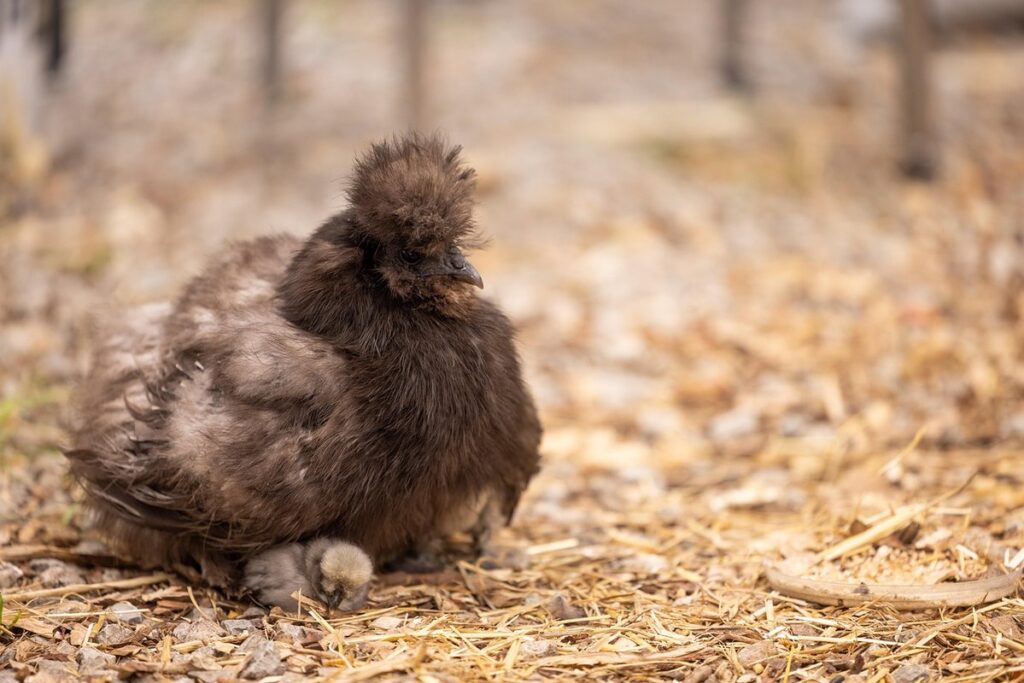
One of the most distinctive and beloved characteristics of Silky Bantams is their remarkable coat. When you run your hand over a Silky’s feathers, you’ll be struck by their unbelievable softness. It’s not just a matter of gentle texture – these birds are positively fluffy! The Silky’s plumage is so delicate that it almost feels like silk to the touch (which is where they get their name).
But what really sets the Silky apart is its incredible range of colors and patterns. You’ll find them in shades of white, black, blue, wheaten, and even lavender, each with its own unique twist. Some Silkies display beautiful lace-patterned feathers, while others sport striking bi-color or tri-color markings.
If you’re considering bringing a Silky Bantam into your flock, be prepared for the snuggle factor to go off the charts! These birds love human attention and will happily curl up in your lap for pets. And with their soft, fluffy coats, it’s hard not to fall head over heels for these adorable little charmers.
As you’re getting to know your Silky Bantam, remember that regular grooming is essential to maintain the health and beauty of their remarkable coat. Brush them gently but thoroughly at least twice a week, taking care to remove any tangles or mats. With proper care and attention, your Silky’s stunning feathers will continue to shine for years to come.
Compact Size and Friendly Temperament
Silky bantam chickens are not only visually stunning with their lustrous coats and petite frames but also boast a temperament that is hard to resist. One of the most endearing characteristics of this breed is its compact size, making them an ideal choice for small backyards or even urban living situations. Reaching heights of around 9-12 inches, silky bantams are perfectly proportioned for their diminutive stature.
Their friendly nature is another reason why many backyard chicken enthusiasts fall in love with these charming birds. Silky bantams are known to be docile and affectionate, thriving on human interaction and often seeking out attention from their owners. This adaptability makes them an excellent choice for families or individuals who want a low-maintenance yet engaging pet.
In addition to their winning personality, silky bantams are also surprisingly resilient when it comes to living situations. They can tolerate a range of climates, from scorching hot summers to chilly winters, and even do well in confinement if needed. With proper care and attention, these tiny wonders can bring immense joy and entertainment to any household.
Raising Silky Bantams: Tips for Breeders and Owners
When it comes to raising silky bantams, breeders and owners alike need reliable advice on health, nutrition, and overall care, as these tiny birds require special attention. Let’s dive into some essential tips for bringing out their best behavior and well-being.
Housing and Nutrition Requirements
When it comes to raising Silky Bantams, providing optimal housing and nutrition is crucial for their health and well-being. These small but mighty birds require a safe and comfortable living space that meets their unique needs.
A good rule of thumb is to provide at least 2-3 square feet of floor space per bird inside the coop, with enough ventilation to prevent ammonia buildup from droppings. Consider adding roosting bars or perches for your Silky Bantams to roost on at night, as they love to climb and perch.
In terms of nutrition, Silky Bantams are omnivores and require a balanced diet that includes protein-rich foods like mealworms, sunflower seeds, and chopped fruits. Offer high-quality layer feed or starter crumbles specifically formulated for small breeds, supplemented with fresh vegetables and fruits daily. Avoid overfeeding, as this can lead to health issues.
It’s also essential to ensure access to clean water at all times. Consider adding a watering system that allows your birds to drink without having to lift their beaks off the ground, reducing stress and preventing crop problems. By providing optimal housing and nutrition, you’ll be well on your way to raising happy, healthy Silky Bantams.
Breeding and Caring for Silkies as Pets
When it comes to breeding and caring for Silky Bantams as pets, there are several key considerations to keep in mind. First and foremost, ensuring the health of your chicks is crucial. This starts with selecting parents that are free from genetic defects and have a strong immune system.
To do this, look for breeders who prioritize health and genetics when selecting their stock. You can also ask about the parents’ ancestry and any known health issues within the line. Once you’ve selected your breeding pair, make sure they’re provided with a nutritious diet and clean living conditions to increase the chances of healthy chicks.
It’s also essential to learn how to recognize signs of good health in Silky Bantams, such as shiny feathers, bright eyes, and an active demeanor. Regular health checks and a balanced diet can help prevent common issues like mites, lice, and respiratory problems. With proper care and attention, your Silky Bantam flock will thrive, bringing joy and companionship to your life.
When caring for adult birds, provide them with a spacious coop that’s well-ventilated and protected from the elements. Offer a varied diet that includes high-quality pellets, fruits, and vegetables. Clean the coop regularly to prevent disease and ensure your birds stay healthy and happy.
Health Considerations for Silky Bantam Chickens
When keeping silky bantams as pets, it’s essential to consider their specific health needs, including potential vulnerabilities to certain diseases and the importance of regular veterinary check-ups.
Common Health Issues in the Breed
As you welcome Silky Bantam chickens into your flock, it’s essential to be aware of potential health issues that may affect these lovely birds. Respiratory problems are a common concern for many breeds, and Silky Bantams are no exception. Their compact, rounded bodies can make breathing more challenging, especially during hot or humid weather. To mitigate this risk, ensure your Silky Bantams have ample space to move around, good ventilation in their coop, and plenty of fresh air circulating throughout the day.
Feather molting is another issue you may encounter with Silky Bantams. As they shed their old feathers and grow new ones, some birds may experience stress or discomfort. To help your flock navigate this process smoothly, provide a balanced diet rich in nutrients, maintain a clean and comfortable living environment, and ensure access to fresh water at all times.
In addition to these common issues, Silky Bantams can be prone to other health concerns, such as obesity and skin problems, if not properly cared for. Regular monitoring of your flock’s overall health and taking preventative measures will go a long way in maintaining the well-being of your beloved Silky Bantams.
Preventative Care and Veterinary Check-Ups
As a silky bantam chicken owner, it’s essential to prioritize their health and well-being by scheduling regular veterinary check-ups. These visits not only help identify potential health issues early on but also ensure your flock receives necessary vaccinations and preventative care measures.
Regular check-ups can help prevent diseases such as Marek’s disease, infectious bronchitis, and Newcastle disease that are common in backyard flocks. Your veterinarian may recommend a vaccination schedule tailored to your region and flock’s specific needs.
In addition to veterinary visits, there are several preventative care measures you can take to maintain your silky bantams’ health. Make sure their living area is clean and free from drafts, as this will help prevent respiratory problems. Provide a balanced diet that includes fresh fruits and vegetables daily. Regularly inspect your flock for signs of illness or injury, such as lethargy, loss of appetite, or difficulty breathing.
A healthy flock starts with good nutrition, proper hygiene, and regular veterinary care. By prioritizing these factors, you’ll be well on your way to enjoying a happy and thriving group of silky bantams.
Showing and Breeding Silky Bantam Chickens
If you’re looking to participate in poultry shows or want to breed silky bantams for their unique charm, we’ll walk through the steps involved. This includes selecting a quality rooster and understanding breeding principles.
Overview of Show Standards and Judging Criteria
When showing your silky bantam chickens at poultry shows, it’s essential to understand the standard characteristics that judges look for. The Silky Bantam breed has a unique appearance that is both striking and charming. Judges evaluate birds based on their conformity to breed standards, which includes size, shape, plumage, beak, and feather quality.
Silky Bantams should have a well-proportioned body with a balanced length and depth. The neck should be long, straight, and free from any twist or kink. When it comes to plumage, Silky Bantams are known for their stunning feathers, which should be silky in texture, long, and abundant. Judges also examine the beak, looking for symmetry, shape, and size that matches the breed standard.
In terms of feather quality, judges check for evenness, density, and luster. The feathers should lie flat against the body, with no sign of ruffling or fluffing. When evaluating Silky Bantams, remember to pay attention to these key characteristics, as they are essential in determining whether your bird meets breed standards.
Tips for Successful Breeding Programs
When it comes to breeding silky bantam chickens, selecting the right stock is crucial for producing high-quality offspring. To do this effectively, you’ll want to choose birds that exhibit desirable traits such as excellent egg-laying capacity, stunning plumage, and robust health. Look for birds with a proven track record of success in shows or among experienced breeders.
To manage egg fertility, provide your breeding stock with a balanced diet rich in nutrients and maintain optimal living conditions. This includes providing ample space for movement, adequate ventilation, and protection from disease. It’s also essential to monitor and record the reproductive health of your birds regularly.
In terms of optimizing genetics, you can achieve this by introducing new bloodlines to prevent genetic drift and promote genetic diversity. Regularly evaluate your breeding program’s performance and make adjustments as necessary to ensure it aligns with your goals for producing high-quality silky bantams.
Silky Bantams as Backyard Chickens: Benefits and Challenges
If you’re considering adding silky bantams to your backyard flock, it’s essential to weigh their benefits against potential challenges like noise levels and socialization needs.
Pros of Raising Silkies as Pets
Raising Silky Bantams as pets can be an incredibly rewarding experience. These tiny birds are not only adorable, but they’re also known for their friendly and entertaining personalities. One of the main benefits of keeping Silky Bantams is their ability to form close bonds with their owners. They’re often described as “lap chickens” because they love to snuggle up in their owner’s lap and receive attention.
Their friendly nature makes them a great choice for families or individuals who want a low-maintenance pet that still provides plenty of entertainment. Silky Bantams are also relatively quiet, which is a bonus for anyone living in close proximity to neighbors. Additionally, they’re quite low maintenance when it comes to space and care – a small backyard or even a large balcony can provide them with ample room to roam.
In terms of entertaining personalities, Silky Bantams are known for their quirky behaviors, such as dust bathing, strutting around the yard, and making adorable sounds. Their playful nature makes them a joy to watch and interact with. With proper care and attention, Silky Bantams can become beloved members of your family, providing companionship and endless entertainment for years to come.
Cons and Considerations for Home Flocks
While Silky Bantams can bring immense joy and delight to your backyard flock, it’s essential to be aware of their potential drawbacks. One crucial consideration is the noise level. Silky Bantams are known for their loud, high-pitched chirping, which may not be suitable for every household. If you live in a residential area with close neighbors or have noise restrictions, you might want to reconsider keeping these birds.
Space requirements are another critical factor to consider when raising Silky Bantams. They require about 2-3 square feet of space per bird inside the coop and around 10-15 square feet per bird outside. This can be a challenge if you live in a small backyard or have limited space for your flock. To ensure their well-being, make sure to provide adequate space and ventilation within the coop.
It’s also worth noting that Silky Bantams are social birds and require regular interaction with their human caregivers. They love attention and can become demanding if left alone for extended periods.
Conclusion: Celebrating the Unique Charm of Silky Bantam Chickens
As you’ve come to the end of our journey through the delightful world of Silky Bantams, let’s take a moment to celebrate their one-of-a-kind charm. This special breed deserves its own applause!
Recap of Key Points Covered in the Guide
As we conclude our comprehensive guide to silky bantam chickens, let’s take a moment to recap the key points discussed throughout this article. You now have a solid understanding of these delightful birds, from their unique characteristics and temperaments to their care and management requirements.
We’ve explored the origins and history of silky bantams, highlighting their distinct features that set them apart from other breeds. You’ve learned about their compact size, gentle nature, and impressive egg-laying capabilities. We’ve also discussed the importance of providing adequate space and nutrition for your silky bantams to thrive.
In addition, we’ve covered essential tips on selecting healthy chicks, introducing new birds to a flock, and recognizing common health issues in this breed. You now have a foundation to build upon as you embark on your own silky bantam journey, whether that means raising them as pets or incorporating them into your backyard chicken-keeping experience.
By following the guidance provided within these pages, you’ll be well-equipped to provide your silky bantams with the care and attention they deserve, ensuring a happy and healthy flock for years to come.
Encouragement for Further Research and Exploration
As you’ve navigated this comprehensive guide to Silky Bantam chickens, it’s clear that their unique charm has captivated you. The rich history, striking appearance, and delightful personalities of these miniature marvels have likely left a lasting impression. However, the journey doesn’t end here. Caring for Silky Bantams is not only an enjoyable experience but also a rewarding one.
To truly appreciate the full potential of your Silky Bantam flock, we encourage you to continue exploring and learning about their specific needs, temperaments, and quirks. Delve into breed-specific care guides, consult with experienced poultry keepers, or join online forums to share knowledge and best practices.
By doing so, you’ll not only enhance the health and happiness of your birds but also deepen your connection with them. Regular interactions with your Silky Bantams will reveal their individual personalities, and you may find yourself discovering new joys in observing their antics, listening to their soft clucks, or simply basking in their affectionate nature.
With ongoing research and exploration, the bond between you and your Silky Bantam flock will only grow stronger.
Frequently Asked Questions
Can I keep Silky Bantams indoors or is it strictly for outdoor breeding?
Silky Bantams can thrive in indoor environments with proper space and care, making them a great option for small backyards or apartments. However, they do require regular exercise and socialization outside to maintain their health and temperament.
How long does it take for Silky Bantam chicks to mature and start laying eggs?
Silky Bantams typically reach maturity at around 5-6 months of age, but their egg-laying abilities may not peak until around 8-12 months. It’s essential to provide a balanced diet and ensure they receive adequate light and nutrition.
Can I crossbreed Silky Bantams with other breeds for unique characteristics?
Yes, Silkies can be crossed with other breeds to create hybrids with desirable traits. However, this process requires careful consideration of genetics, egg production, and temperament compatibility between the two breeds.
How often should I provide veterinary check-ups for my Silky Bantam flock?
Regular health checks are crucial for maintaining your flock’s well-being. Schedule annual or bi-annual vet visits to monitor for common health issues in Silkies, such as respiratory problems or reproductive issues.
Can I show and breed Silkies without prior experience in poultry showing or breeding?
While prior experience is beneficial, it’s not necessarily required to get started with showing and breeding Silkies. Research local breed associations and attend workshops or seminars to learn the basics and gain confidence in your abilities.