
If you’re an avid backyard chicken enthusiast or simply interested in learning about different breeds, you’ll want to know more about the Silver Laced Polish chicken. These charming birds are prized for their striking appearance and unique characteristics. But how do they perform when it comes to egg-laying? In this article, we’ll delve into the world of Silver Laced Polish chicken eggs, exploring their fertility rates, average size, and nutritional requirements for optimal production. By understanding these factors, you can make informed decisions about incorporating this breed into your flock or selecting the best chickens for your needs. Whether you’re a seasoned farmer or just starting out, we’ll cover everything you need to know about Silver Laced Polish chicken eggs and what they have to offer.
History and Origin of the Silver Laced Polish Breed
The silver laced polish chicken breed has a rich history, dating back to its development in the early 20th century in Europe. Let’s take a step back and explore where this unique breed came from.
Early Development and Breeding Goals
The origins of the Silver Laced Polish chicken breed can be traced back to Europe, where it was developed in the 17th and 18th centuries. Initially bred for its ornamental value, the breed’s unique characteristics were shaped by breeding goals focused on creating a visually striking bird. Breeders aimed to develop a compact, crested bird with a lustrous silver coat, which would appeal to nobility and upper-class households.
As the breed evolved, breeders also emphasized hardiness, egg-laying capacity, and foraging ability. This focus on practicality, in addition to aesthetics, helped establish the Silver Laced Polish as a sought-after dual-purpose breed. The breed’s adaptability to different climates and its robust constitution made it an ideal choice for small-scale farming and backyard keeping.
The result of this selective breeding is a bird that not only boasts impressive good looks but also delivers on its egg-laying potential. Today, the Silver Laced Polish chicken remains a popular choice among backyard chicken keepers, prized for its cold hardiness, low-maintenance care requirements, and above-average egg production. By understanding the breed’s early development and breeding goals, you can better appreciate its unique characteristics and make informed decisions when selecting your own flock.
Key Factors Influencing the Breed’s Evolution
Geographical isolation played a significant role in shaping the Silver Laced Polish breed’s characteristics. In its early days, this chicken breed was found primarily in Poland and other Eastern European countries, where it had to adapt to harsh climates and limited resources. This forced selective breeding, where farmers would deliberately choose birds with desirable traits, such as hardiness and egg-laying abilities, to ensure the survival of their flocks.
Selective breeding also led to a reduction in genetic diversity within the breed. While this might seem counterintuitive, it ultimately allowed for more efficient farming practices and better management of resources. For instance, farmers could focus on raising birds that excelled at laying eggs in specific environments, like colder climates or varied terrain. This process resulted in the development of distinct characteristics we see in the Silver Laced Polish today.
As a result, the breed’s genetic diversity is lower than some other popular chicken breeds. However, this limited range can actually be beneficial when it comes to egg production. By breeding for specific traits, farmers have optimized the Silver Laced Polish for its unique strengths – resulting in the high-quality eggs that make them so desirable among backyard and commercial farmers alike.
Physical Characteristics of the Silver Laced Polish Chicken
When it comes to identifying a silver laced polish chicken, its physical characteristics play a significant role, including its distinctive appearance and size. Let’s take a closer look at these key features.
Plumage and Coloration
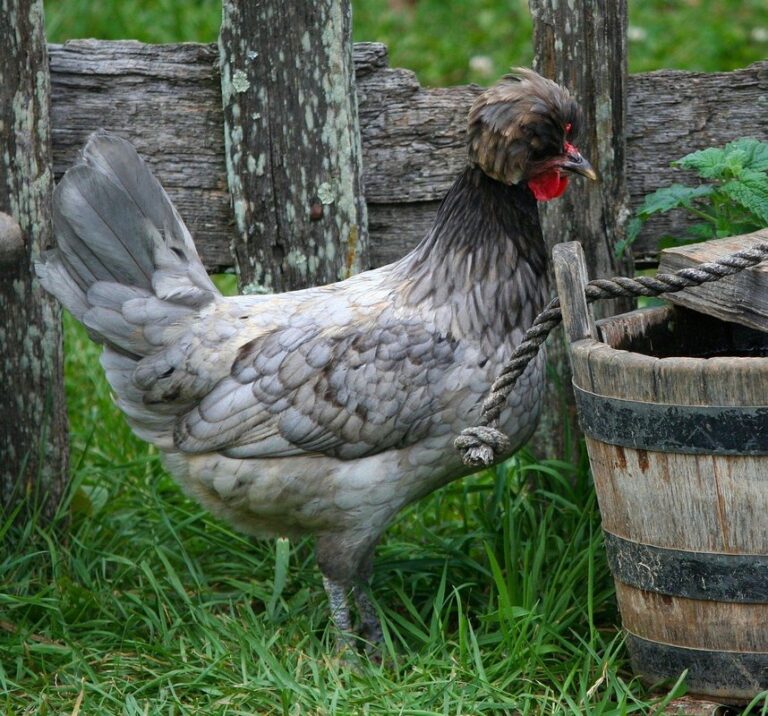
The distinctive silver-gray plumage of the Silver Laced Polish chicken is one of its most striking features. The breed’s unique color pattern gives it a lustrous, iridescent sheen that sets it apart from other varieties. The plumage itself is made up of soft, fluffy feathers that have a subtle layering effect, giving the appearance of multiple colors.
Noticeably, the silver-gray coloration of the Silver Laced Polish chicken is not just a uniform tone, but rather features intricate lacing patterns throughout its body. These patterns are achieved through the breed’s unique feather structure, which consists of soft, flexible barbs that create a delicate, layered effect. The result is a beautiful, shimmering appearance that catches the light.
If you’re considering raising Silver Laced Polish chickens for egg production, be aware that their striking plumage requires regular maintenance to keep it looking its best. This includes regular preening and fluffing of feathers to prevent matting and tangling. By doing so, you’ll not only preserve the breed’s stunning appearance but also ensure the overall health and well-being of your flock.
Size and Build
The Silver Laced Polish Chicken’s compact and rounded appearance is one of its most distinctive physical characteristics. On average, this breed weighs between 2.5 to 3 pounds (1.1 to 1.4 kg), making them a great choice for small backyard flocks or urban farmers.
Their body proportions are perfectly suited to their size, with a deep breast and well-rounded abdomen. The Silver Laced Polish Chicken’s wings are relatively short, which contributes to its compact appearance. However, despite their small stature, they have a sturdy build that allows them to maintain good egg-laying capabilities.
When it comes to choosing the right breed for your needs, consider the space you have available and the type of eggs you want to produce. If you’re looking for a low-maintenance, high-producing breed, the Silver Laced Polish Chicken is an excellent choice. Just remember that their compact size means they require less food and water, making them a great option for small-scale farming operations.
In terms of egg production, a healthy Silver Laced Polish Chicken will lay around 200-220 eggs per year. While this may not be as high as some other breeds, it’s still an impressive number considering their size.
Egg-Laying Characteristics of the Silver Laced Polish
When it comes to egg-laying, silver laced polish chickens are quite prolific, producing an average of 200-220 large brown eggs per year. Let’s take a closer look at their unique characteristics in this regard.
Fertility and Hatchability Rates
When it comes to fertility and hatchability rates of Silver Laced Polish chicken eggs, there are several factors to consider. Fertility rates refer to the percentage of fertile eggs produced by a hen, while hatchability rates refer to the percentage of fertilized eggs that successfully hatch.
Typically, Silver Laced Polish chickens have a moderate fertility rate, ranging from 60% to 80%. However, this can vary depending on factors such as nutrition, health, and breeding management. For example, a study conducted by a leading poultry breeder found that hens with access to high-quality feed and regular veterinary care had an average fertility rate of 75%.
Hatchability rates are also influenced by the quality of incubation conditions and embryo development. To optimize hatchability, it’s essential to maintain a consistent temperature between 99°F and 100°F (37°C to 38°C), humidity levels between 50% and 60%, and turn eggs regularly.
To boost fertility and hatchability rates, make sure your Silver Laced Polish hens are receiving a balanced diet rich in protein, vitamins, and minerals. Regular health checks and proper breeding management practices also play a crucial role in ensuring the highest possible fertility and hatchability rates.
Egg Size and Shape
When it comes to egg size and shape, Silver Laced Polish chickens are known for producing medium-sized eggs. On average, these eggs will weigh around 50-60 grams, making them a great addition to many recipes.
In terms of shape, the eggs laid by Silver Laced Polishes tend to be slightly oval or elliptical in shape. This is due to the breed’s unique physiology and reproductive system. While this may not affect the quality or nutritional value of the egg, it can impact how they fit into certain egg molds or containers.
If you’re interested in collecting eggs from your Silver Laced Polish flock, consider using egg crates specifically designed for oval-shaped eggs. This will ensure a snug fit and help prevent breakage during handling. Additionally, keep in mind that regular collection and storage of the eggs can also impact their quality. Aim to collect them frequently and store them in a cool, dry place to maintain optimal freshness.
When it comes to eggshell characteristics, Silver Laced Polish eggs tend to have a smooth, glossy appearance. This is due to the breed’s thick shell membranes, which help protect the egg from bacteria and other external contaminants. As with any egg-laying breed, regular cleaning of the coop and nesting boxes will also play a role in maintaining overall egg quality.
Nutritional Requirements for Optimal Egg Production
To produce eggs of exceptional quality, your silver laced polish chicken needs a balanced diet rich in essential nutrients and minerals. This section will outline those key requirements.
Dietary Needs and Recommendations
To optimize egg production, Silver Laced Polish chickens require a balanced diet that meets their nutritional needs. Protein is a crucial component, and these hens require around 16% protein in their feed to maintain muscle mass and support egg production. A high-quality layer feed or a combination of grains, fruits, and vegetables can provide this essential nutrient.
Calcium is also vital for strong eggshell production. Silver Laced Polish chickens need about 2-3% calcium in their diet, which can be achieved by supplementing their feed with crushed oyster shells or dark leafy greens like kale and spinach. Other essential nutrients include phosphorus, potassium, and vitamins A, D, E, K, and B12.
To ensure optimal nutrition, it’s recommended to provide your Silver Laced Polish chickens with a varied diet that includes fresh fruits and vegetables daily. For example, you can offer leafy greens like lettuce and spinach in the morning, followed by berries or citrus fruits as an afternoon treat.
Impact of Nutrition on Egg Quality and Quantity
When it comes to optimal egg production, nutrition plays a crucial role in determining both the quality and quantity of eggs laid by your Silver Laced Polish chickens. A well-balanced diet that meets their nutritional needs is essential for healthy egg-laying.
A key aspect of nutrition is ensuring adequate access to protein, which makes up approximately 15% of an egg’s dry matter content. Protein sources such as commercial layer feed or high-quality grains like oats and barley should be provided in abundance. It’s also crucial to supplement with calcium-rich foods like crushed oyster shells or dark leafy greens to support strong eggshell formation.
Maintaining a nutrient-rich water supply is equally important, with adequate salt levels necessary for fluid balance. Limiting the intake of excessive sugar and saturated fats can also prevent obesity-related health issues that may negatively impact egg production.
In practice, you can improve your Silver Laced Polish chickens’ nutritional status by rotating their feed every 2-3 weeks to minimize the risk of nutrient deficiencies. Providing a mix of forage-based feeds alongside grains can also promote gut health and support optimal digestion.
A study conducted on commercial layer flocks has shown that providing adequate nutrition can increase egg production by up to 20% over a period of several months. By paying attention to your Silver Laced Polish chickens’ dietary needs, you can unlock the full potential of their reproductive system and enjoy higher-quality eggs with greater consistency.
Health Considerations for the Silver Laced Polish
When it comes to raising silver laced polish chickens, understanding their health considerations is crucial to ensure they live long and healthy lives. This section addresses common health issues that may affect your flock.
Common Health Issues and Concerns
As you consider raising silver laced polish chickens for their eggs, it’s essential to be aware of some common health issues that can affect this breed. Respiratory problems are a significant concern, particularly during extreme weather conditions. Silver laced polishes are prone to condition-related stress, which can exacerbate respiratory issues.
Obesity is another issue to watch out for, as these birds tend to overeat if not managed properly. A diet rich in fiber and regular exercise can help maintain a healthy weight. It’s also crucial to ensure they have enough space to move around comfortably.
Genetic disorders, such as dwarfism and skeletal abnormalities, are also prevalent among silver laced polishes. Regular health checks and maintaining a clean environment can help identify potential issues early on. Keeping your flock’s living conditions clean, providing adequate ventilation, and offering a balanced diet will go a long way in promoting overall health.
Genetic testing may be necessary if you’re considering breeding these birds. This will help you make informed decisions about their health and well-being.
Strategies for Preventing and Managing Health Issues
As an owner of Silver Laced Polish chickens, you want to ensure their health and well-being for optimal egg production. Identifying potential health issues early on can make a significant difference. Some common health concerns in this breed include respiratory problems, parasites, and reproductive issues.
Preventative measures such as providing clean living conditions, ensuring adequate ventilation, and practicing good biosecurity can help reduce the risk of these issues. For instance, keeping your coop well-ventilated and free from ammonia buildup can help prevent respiratory problems. Regular cleaning and disinfection of the coop and run will also help control parasites.
Monitoring your birds’ behavior and health closely is crucial to identifying potential problems early on. Look out for signs such as labored breathing, lethargy, or changes in appetite. If you notice any unusual symptoms, consult with a veterinarian experienced in poultry care. In some cases, treatment may involve antibiotics, anti-parasitic medication, or even surgery.
In addition to medical treatments, maintaining a balanced diet and providing access to fresh water are essential for overall health. A nutrient-rich layer feed specifically formulated for chickens will help support their reproductive and egg-laying functions.
Breeders and Conservation Efforts
As you consider bringing home a silver laced polish chicken, it’s essential to know where these lovely eggs come from and how breeders are working to preserve this heritage breed for generations to come. We’ll explore their conservation efforts here.
Preserving the Breed’s Genetics and Diversity
As you enjoy the eggs from your Silver Laced Polish chickens, it’s essential to consider the long-term health and sustainability of this beloved breed. Preserving the genetic diversity of the Silver Laced Polish is crucial for its continued existence and adaptability to changing environments.
Breeders are working tirelessly to conserve the Silver Laced Polish by implementing various strategies. One key approach is selective breeding, where breeders carefully select individuals with desirable traits to mate with others, minimizing inbreeding and maintaining genetic diversity. This method helps ensure that the breed remains healthy and robust for generations to come.
In addition to selective breeding, some breeders are also exploring linebreeding – a technique that involves crossing individuals from different family lines to create new combinations of genes. This approach can help introduce beneficial traits while minimizing the risk of inbreeding depression.
By supporting responsible breeding practices and choosing breeders who prioritize genetic diversity, you can contribute to the long-term conservation of the Silver Laced Polish breed.
Challenges Facing the Breed’s Survival and Advancements
As we delve into the world of Silver Laced Polish Chicken eggs, it’s essential to acknowledge the challenges facing this breed’s survival. The Silver Laced Polish is a rare and beautiful chicken breed, but its population is under threat due to various factors.
Disease has been a significant challenge for the Silver Laced Polish breed. With their unique genetic makeup, they are more susceptible to certain diseases such as Marek’s disease and Avian Influenza. If left unchecked, these diseases can decimate entire flocks, making conservation efforts even more challenging.
Climate change is also taking a toll on the breed’s population. Extreme weather conditions, such as heatwaves and droughts, can stress the chickens, making them more vulnerable to disease. Human activities like deforestation and urbanization have led to habitat loss and fragmentation, further threatening the breed’s survival.
To combat these challenges, breeders are working tirelessly to develop strategies for breeding healthier birds. This includes implementing vaccination programs, improving living conditions, and promoting sustainable farming practices. As consumers, we can also play a role by supporting responsible breeding practices and choosing eggs from farms that prioritize animal welfare and sustainability.
Frequently Asked Questions
Can I expect a high fertility rate from my Silver Laced Polish hens?
Yes, Silver Laced Polish chickens are known for their excellent fertility rates, which is one of the reasons they’re popular among backyard chicken keepers. However, it’s essential to maintain optimal nutrition and health conditions to ensure maximum egg production.
How do I determine if my Silver Laced Polish hen is a good layer?
To determine whether your Silver Laced Polish hen is a good layer, observe her overall behavior, nutritional intake, and living conditions. Healthy hens will typically produce eggs regularly, so keep an eye on the frequency and quality of egg production.
Can Silver Laced Polish chickens adapt to different climates and environments?
Yes, Silver Laced Polish chickens are relatively adaptable to various climates and environments. However, their crested heads may require special care in extremely cold or hot weather conditions. Be sure to provide adequate shelter, ventilation, and a stable food supply.
What’s the average lifespan of a Silver Laced Polish hen?
The average lifespan of a Silver Laced Polish hen is around 5-7 years. Proper nutrition, regular health checks, and optimal living conditions can contribute to their longevity and overall well-being.
Are Silver Laced Polish chickens suitable for small backyard flocks or do they require large spaces?
Silver Laced Polish chickens are relatively small in size, making them an excellent choice for smaller backyards. However, it’s essential to provide sufficient space for exercise and movement to ensure their physical and mental health. A minimum of 2-3 square feet per bird is recommended.