
Wyandotte chickens have been a favorite among backyard chicken enthusiasts for decades, and one variety stands out from the rest: the Silver-Laced Wyandotte. If you’re looking to add some beauty and charm to your flock, or maybe even show them off at the local poultry exhibition, these stunning birds are definitely worth considering. But before you bring home a brood of Silver-Laced Wyandottes, it’s essential to understand their origins, unique characteristics, and specific care requirements. In this article, we’ll delve into the fascinating history of these gorgeous chickens, explore what makes them so special, and provide expert advice on how to breed and care for them successfully. Whether you’re a seasoned chicken keeper or just starting out, by the end of this guide, you’ll be well-equipped to make the most of your Silver-Laced Wyandottes as pets or show animals.
History and Origins of the Silver-Laced Wyandotte
Let’s take a step back in time and explore where these stunning birds originated, tracing their journey from humble beginnings to beloved backyard companions.
Brief Overview of the Breed’s History
The Silver-Laced Wyandotte’s rich history dates back to the 1860s in North America. Developed from a combination of British breeds, including the Old English Game and the Cochin, this beautiful chicken breed was created by American poultry enthusiasts who sought to produce a stunning bird with exceptional characteristics. One notable breeder, Isaac Baker of Vermont, played a significant role in shaping the Silver-Laced Wyandotte’s early development.
During its initial creation, the breed’s distinctive silver-laced feathers and impressive plumage quickly gained attention among chicken fanciers. As its popularity grew, the breed was exhibited at poultry shows across North America, eventually earning recognition from prominent organizations such as the American Poultry Association (APA). By the late 1800s, the Silver-Laced Wyandotte had become a staple in many backyard flocks and farms due to its exceptional egg-laying abilities, friendly temperament, and striking appearance. This breed’s early success can be attributed to the dedication of pioneering breeders like Isaac Baker, who helped solidify its place among beloved chicken breeds.
Characteristics That Define the Breed
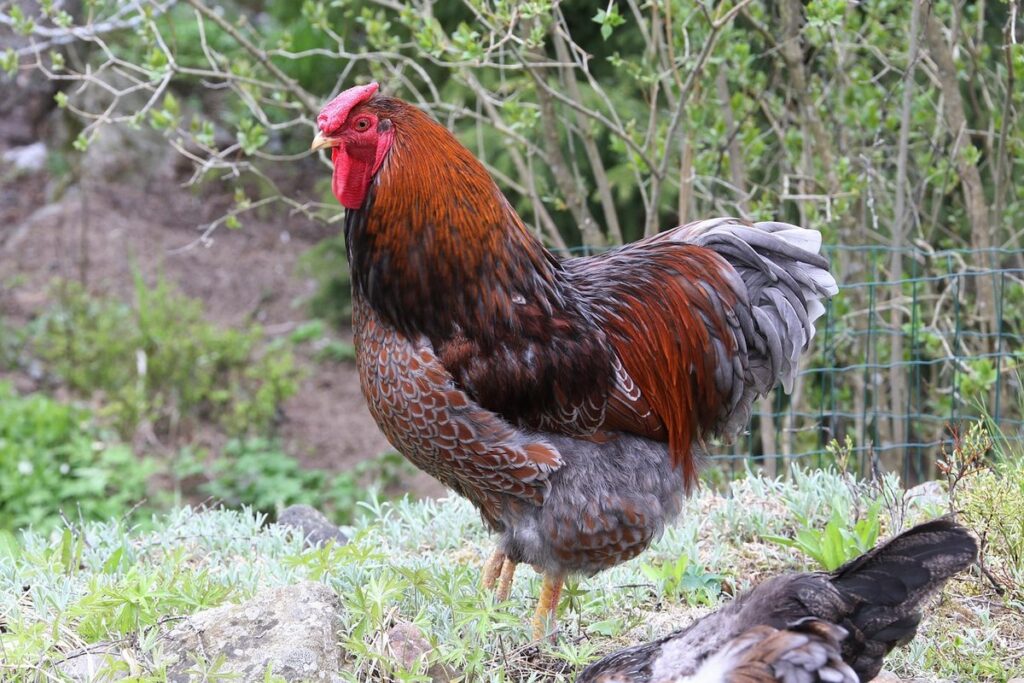
The Silver-Laced Wyandotte is a stunning breed that boasts an impressive combination of striking appearance, friendly temperament, and exceptional egg-laying abilities. One of the most distinctive features of this breed is its beautiful plumage, which is characterized by a rich silver-gray lacing pattern on a background of golden-brown feathers. The males’ glossy black heads and necks add to their majestic appearance, making them a prized addition to any backyard flock.
In terms of temperament, Silver-Laced Wyandottes are renowned for their friendly, docile nature. They make excellent family pets and are often described as “gentle giants.” This breed is relatively easy-going and adapts well to a variety of living situations, from small backyards to larger farms. As egg-layers, Silver-Laced Wyandottes are prolific producers, with an average annual output of around 200 large brown eggs per hen.
If you’re considering adding a Silver-Laced Wyandotte to your flock, be prepared for a loyal companion that will reward you with plenty of affection and delicious fresh eggs.
Appearance and Markings of the Silver-Laced Wyandotte
When it comes to the Silver-Laced Wyandotte, their stunning appearance is one of their most notable features. Let’s take a closer look at what makes them such a beautiful breed visually.
Physical Features and Coloration
One of the most striking features of the Silver-Laced Wyandotte is its beautiful silver-gray plumage, intricately laced with white feathers. This unique coloration gives the breed a stunning appearance that’s sure to turn heads. The overall effect is one of elegance and refinement, making the Silver-Laced Wyandotte a favorite among chicken enthusiasts.
The silver-gray base color provides a smooth, even backdrop for the intricate lacework of white feathers. As you look closer, you’ll notice that the lacing pattern varies slightly from bird to bird, with some individuals having more prominent or subtle lacework. This variation is part of what makes each Silver-Laced Wyandotte unique and interesting.
When selecting a Silver-Laced Wyandotte for your flock, pay attention to the quality and evenness of the coloration. A well-laced individual will have a balanced distribution of silver-gray and white feathers, with no large patches or uneven areas. This is particularly important if you’re looking to breed the birds or show them in competitions.
Sex Link Differences: Males vs. Females
When it comes to the Silver-Laced Wyandotte breed, one of the most striking differences between males and females is their size. On average, roosters tend to be larger than hens, with some growing up to 7-8 pounds in weight, while hens typically top out at around 5-6 pounds. This size difference can make it easier to sex your birds, especially if you’re new to raising chickens.
Beyond their size, males and females also exhibit distinct plumage patterns. Roosters have a more vibrant silver-lace pattern on their necks, hackle feathers, and tails, while hens tend to have less intense lacing on their breasts and bellies. In addition, roosters often display a more dramatic silvery sheen on their wings and backs.
It’s worth noting that these differences can be subtle at first glance, so it’s essential to get up close and personal with your birds to appreciate the nuances of their plumage.
Temperament and Personality Traits
When it comes to personality, Silver-Laced Wyandottes are known for their calm and gentle nature, making them a great fit for families with children. They’re also surprisingly curious and playful birds.
Friendliness and Docility
One of the most endearing qualities of Silver-Laced Wyandottes is their extremely friendly and docile nature. They are known to be one of the friendliest chicken breeds out there, making them a perfect fit for families with children or for people who want low-maintenance pets. These birds are incredibly social and thrive on human interaction, often seeking attention and affection from their owners.
In fact, many Silver-Laced Wyandotte owners have reported that their chickens will follow them around the yard, come when called, and even snuggle up next to them on the porch. This breed is also known for being relatively quiet, which makes them a great choice for backyard chicken keepers who live in close proximity to neighbors.
When interacting with other animals, Silver-Laced Wyandottes tend to be calm and gentle, making them an excellent choice for families with other pets, such as dogs or cats. With proper introduction and socialization, they can even get along with smaller animals like rabbits or guinea pigs.
Feeding and Health Considerations
When it comes to feeding and health considerations for your Silver-Laced Wyandottes, there are several factors to keep in mind. As a breed, they are known for their high energy levels, which means they require a balanced diet that includes plenty of protein-rich foods to support muscle growth and maintenance.
One key aspect of their dietary needs is access to calcium. Silver-Laced Wyandottes are egg-layers, and laying eggs can be stressful on their bodies. Providing a high-quality layer feed that is rich in calcium will help support the health of their bones and prevent conditions like egg binding or shell thinning.
In terms of management practices, it’s essential to maintain a clean and well-ventilated coop to reduce the risk of respiratory problems. Regularly cleaning out manure, dusting surfaces with diatomaceous earth, and providing adequate space for each bird (at least 2-3 square feet per bird) will also help keep your flock healthy.
To prioritize their health, it’s recommended to schedule regular check-ups with a veterinarian experienced in poultry care. This will enable you to detect any potential issues early on and take preventative measures before they become serious problems.
Egg Production and Laying Habits
Wyandotte chickens are prolific layers, producing an impressive number of large brown eggs per year, making them a popular choice for backyard flocks. Let’s take a closer look at their egg-laying habits and production rates.
Average Daily Egg Output
When it comes to egg production, Silver-Laced Wyandottes are known for their moderate laying habits. On average, a healthy adult hen will produce around 200-220 brown eggs per year, with an average daily output of about 5-6 eggs. However, this number can vary depending on several factors, including nutrition, environment, and individual bird characteristics.
A well-balanced diet rich in protein, calcium, and other essential nutrients is crucial for maintaining optimal egg production. Wyandottes need access to clean water, adequate space, and proper ventilation to thrive. Factors like stress levels, breed quality, and age can also impact a hen’s ability to lay eggs regularly.
To encourage maximum egg production, it’s essential to provide your Silver-Laced Wyandotte with a nutrient-rich diet and maintain a clean, stress-free living environment. With proper care, you can expect your hen to reach its full potential and become a reliable source of fresh eggs for your family.
Tips for Maximizing Egg Production
To maximize egg production from your Silver-Laced Wyandotte hens, it’s essential to provide them with an optimal environment that meets their nutritional and breeding needs. First and foremost, ensure they have access to a balanced layer feed rich in protein, calcium, and other essential nutrients. A high-quality feed will support their egg-laying abilities while keeping them healthy.
In addition to a nutritious diet, consider implementing breeding strategies such as introducing multiple roosters to your flock or using artificial lighting to simulate longer daylight hours. This can stimulate your hens’ natural desire to lay eggs and increase production. For instance, some farmers have seen significant increases in egg laying after introducing a second rooster to their flock.
When choosing feed for your Silver-Laced Wyandottes, look for products formulated specifically for layers. These feeds typically contain around 16-18% protein and are designed to support optimal egg production. Some popular brands even offer organic or non-GMO options for those seeking more natural feeding solutions.
To further boost egg production, make sure your hens have enough space to move around comfortably. A minimum of 3-4 square feet per hen is recommended, although more space will always be beneficial. By providing a stress-free environment and prioritizing nutrition, you’ll be well on your way to maximizing the egg-laying potential of your Silver-Laced Wyandotte flock.
Breeding and Raising Silver-Laced Wyandottes
If you’re planning to breed or raise Silver-Laced Wyandotte chickens, understanding their reproductive habits and growth stages is crucial for success. This section will delve into those essential aspects.
Choosing the Right Parents
When selecting parents for your Silver-Laced Wyandotte breeding program, there are several key considerations to keep in mind. Genetics play a crucial role in determining the characteristics of your offspring, so it’s essential to choose parents with desirable traits.
Start by evaluating the genetic diversity of your parent stock. This can be achieved by incorporating new bloodlines or using AI (Artificial Insemination) to introduce fresh genetics. Aim for a minimum of 5-10% genetic diversity to ensure healthy and robust offspring. For example, if you’re breeding from two birds with similar ancestry, introducing a new bird with a unique genetic makeup can help avoid inbreeding.
Temperament is another vital aspect to consider when selecting parents. Silver-Laced Wyandottes are known for their friendly and docile nature, but some individuals may exhibit more aggression than others. Choose parents that exhibit good temperament and social skills, as this will be passed down to the next generation. Fertility is also a critical factor, especially if you’re planning to breed multiple flocks. Opt for parents with proven fertility records and consider testing their reproductive health before breeding.
When selecting parents, it’s not just about choosing birds that look good; it’s about creating a balanced and healthy breeding program. By prioritizing genetics, temperament, and fertility, you’ll set your Silver-Laced Wyandotte flock up for success.
Raising Chicks from Hatch to Maturity
Raising your Silver-Laced Wyandotte chicks from hatch to maturity requires attention to their nutritional needs, health, and socialization. When you bring home a batch of day-old chicks, it’s essential to provide them with a balanced starter feed that contains around 20% protein. This will help them grow rapidly during the first few weeks of life.
As your chicks grow into pullets (around 16-20 weeks), you can transition them to a layer feed that has around 18% protein. Make sure to offer fresh water at all times, and provide grit for them to digest their food properly.
In addition to proper nutrition, vaccinations are crucial in protecting your Silver-Laced Wyandottes from diseases. Consult with a veterinarian or experienced poultry keeper to determine the best vaccination schedule for your flock. Socialization is also vital; expose your chicks to various environments, people, and other animals to help them become confident and friendly birds.
Regular health checks will also ensure that your birds remain healthy and thrive under your care.
Keeping Silver-Laced Wyandottes as Pets or Show Birds
If you’re considering bringing a Silver-Laced Wyandotte into your flock, it’s essential to understand their needs and personalities for both pet and show birds. This section will cover the ins and outs of caring for these beautiful chickens.
Backyard Flocking Considerations
If you’re considering adding Silver-Laced Wyandottes to your backyard flock, there are several factors to keep in mind. First and foremost, space is essential for these beautiful birds. As active foragers, they require a minimum of 2-3 square feet per bird inside the coop and at least 8-10 square feet of outdoor run space per bird.
In terms of feed, Silver-Laced Wyandottes are prolific layers, producing around 200 eggs per year, so their nutritional needs will be higher than that of other breeds. You’ll want to provide a balanced layer feed as their primary source of nutrition, supplemented with fresh fruits and vegetables. A treat-rich diet can also promote healthy egg production and overall well-being.
Regular health checks are crucial in maintaining a happy and healthy flock. Monitor your birds for signs of disease, such as mites, lice, or respiratory issues. Keep an eye out for any changes in behavior, appetite, or egg-laying patterns. Regular vaccinations and parasite control measures can also help prevent the spread of diseases within your backyard flock.
It’s worth noting that Silver-Laced Wyandottes are generally hardy birds but may be more susceptible to heat stress due to their thick feathers. Be sure to provide adequate shade, ventilation, and cooling measures during hot summer months.
Showing Your Silver-Laced Wyandotte: Tips and Tricks
When it’s time to show off your Silver-Laced Wyandotte’s stunning plumage, preparation is key. Grooming is an essential aspect of getting your bird ready for the competition. Start by checking for any tangles or mats in the feathers, particularly around the neck and tail areas where they tend to get knotted easily. Use a wide-tooth comb or a slicker brush to gently tease out any knots, working from the ends of the feathers up towards the roots.
Handling techniques are also crucial when it comes to showing your Silver-Laced Wyandotte. Practice handling your bird regularly to help them become more confident and calm in their presence. Hold your bird securely but gently, making sure to support their body weight and keeping your hands away from their eyes and beak. When posing for the judges, encourage your bird to stand up straight with their head held high, wings relaxed by their sides.
Breed-specific requirements are another important aspect of showing Silver-Laced Wyandottes. Familiarize yourself with the American Poultry Association’s (APA) breed standard, which outlines the ideal characteristics for this breed. Pay attention to plumage quality, feather texture, and beak shape, as these are key factors in determining a bird’s show-worthiness.
Frequently Asked Questions
Can I show my Silver-Laced Wyandottes at local poultry exhibitions if they’re being kept as pets?
Yes, with proper training and handling, your Silver-Laced Wyandottes can excel in shows. Start by researching local exhibition rules and regulations, then focus on developing your birds’ temperament through regular handling and socialization.
How do I ensure the health and well-being of my Silver-Laced Wyandotte flock, particularly when it comes to feeding?
Regularly check their feeders for freshness and quality, provide access to clean water at all times, and maintain a balanced diet. Also, be aware of potential health issues specific to this breed, such as respiratory problems.
Can I successfully breed Silver-Laced Wyandottes in my backyard or do I need specialized equipment?
While experience is beneficial, it’s not necessary for backyard breeding. With proper guidance and attention to detail, you can create a suitable environment for successful breeding. Start by researching the ideal conditions for your birds and preparing a dedicated area.
How long does it take for Silver-Laced Wyandotte chicks to mature and start laying eggs?
Chicks typically begin laying around 18-20 weeks of age, but this may vary depending on factors like nutrition, health, and individual growth rate. Ensure you’re providing optimal conditions for their growth, including adequate space and a balanced diet.
Can I keep Silver-Laced Wyandottes in smaller backyards or do they require a lot of space?
While these birds appreciate room to roam, they can adapt to smaller spaces with proper management. Ensure your yard provides enough space for exercise, shelter, and social interaction, and consider incorporating vertical elements like perches and roosts.