
Are you considering adding some new feathered friends to your backyard flock, or perhaps looking for a breed that stands out from the rest? Look no further than the stunning Silver Laced Wyandotte chicken hen! With their striking appearance and friendly demeanor, it’s easy to see why these girls have won the hearts of many poultry enthusiasts.
In this comprehensive guide, we’ll delve into the characteristics, temperament, and egg-laying performance of the Silver Laced Wyandotte. You’ll learn everything you need to know about keeping your silvers happy and healthy, from their nutritional needs to health considerations that may arise. We’ll also cover breeding tips for those interested in growing their flock or preserving this beautiful breed. Whether you’re a seasoned chicken keeper or just starting out, our expert advice will help you raise thriving Silver Laced Wyandottes.
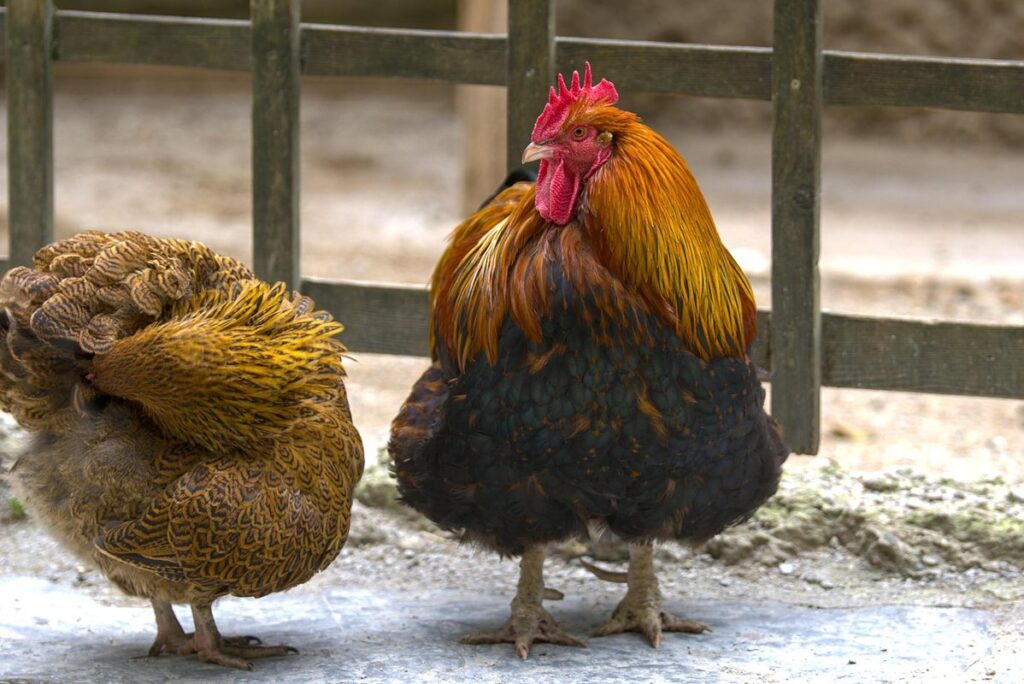
Characteristics and Origin of the Breed
The Silver Laced Wyandotte chicken hen is a stunning breed, but what makes it so unique? Let’s dive into its characteristics and explore its fascinating origins.
Physical Description and Size
One of the most distinctive features of the silver laced wyandotte chicken hen is its stunning plumage. The breed’s name “silver laced” accurately describes its appearance, with a delicate pattern of silvery-gray feathers overlaying a rich golden base color. This unique coloring gives the bird an air of elegance and sophistication that sets it apart from other breeds.
In terms of size, silver laced wyandotte hens are considered medium to large fowl, with roosters weighing in at around 6-7 pounds (2.7-3.2 kg) and hens slightly smaller at 5-6 pounds (2.3-2.7 kg). Their compact yet muscular build makes them well-suited for a variety of living situations, from small backyards to larger farms.
The beak shape is another notable feature, with a medium-sized beak that’s neither too large nor too small. The overall appearance is one of refinement and balance, making the silver laced wyandotte chicken hen a joy to behold in the coop or pasture.
History and Origins of the Breed
The silver laced wyandotte chicken breed has a rich and fascinating history that spans centuries. Originating in England in the mid-19th century, this breed was developed from various game breeds, including the Old English Game Fowl and the Cochin. The first recorded mention of the Wyandotte breed dates back to 1885, when it was exhibited at the London Poultry Show.
One notable breeder who contributed significantly to the development of the silver laced wyandotte chicken breed is William E. Ling, an American poultry enthusiast who introduced the breed to North America in the late 1800s. Under his guidance, the breed gained popularity and recognition for its stunning plumage, gentle nature, and impressive egg-laying capabilities.
As the breed evolved over time, various strains were developed, including the silver laced wyandotte chicken hen we know and love today. Breeders selectively bred the birds to emphasize their desirable traits, resulting in a robust and fertile fowl that is well-suited for both backyard and commercial settings. With proper care and management, silver laced wyandotte hens can thrive and become a beloved addition to any flock.
Temperament and Personality Traits
Silver Laced Wyandottes are known for their friendly, outgoing nature, but what makes them tick? Let’s explore the temperament and personality traits that make these hens so lovable.
Friendliness and Docility
One of the most appealing aspects of the Silver Laced Wyandotte hen is its temperament. Known for being friendly and docile, these birds make excellent additions to both backyard flocks and commercial settings. They are highly social creatures that thrive on interaction with their human caregivers and other chickens.
If you’re new to raising chicken hens or looking to establish a strong bond with your Silver Laced Wyandottes, start by moving slowly and calmly around them when feeding or collecting eggs. This will help them become accustomed to your presence without feeling threatened. You can also try offering treats like fresh fruits or vegetables to build trust.
When introducing new chickens to an existing flock, be sure to do so gradually to prevent stress and aggression. Allow the birds to become familiar with each other’s scents and sounds before allowing direct contact. With patience and gentle handling, you’ll find that your Silver Laced Wyandottes are incredibly easy to handle and train.
In fact, their docile nature makes them an excellent choice for families with children or those who want a low-maintenance flock. By establishing trust and providing regular interaction, you can create a harmonious and enjoyable environment for both humans and chickens alike.
Noise Levels and Vocalizations
Silver laced wyandotte chickens are known for their vocal characteristics, which can range from soft clucks to loud chirps and even screeching sounds. If you’re considering keeping these birds as pets, it’s essential to understand that they can be quite loud, especially if they feel threatened or sense predators.
On average, a silver laced wyandotte hen can produce around 10-20 decibels of noise, which is comparable to the sound level of human conversation. However, their loud chirping can sometimes reach up to 30-40 decibels, making them a potential issue for urban or residential areas.
If you’re concerned about noise levels, there are ways to reduce your silver laced wyandotte’s vocalizations. For instance, providing enough space and enrichment activities in their coop and run can help keep them occupied and calm. You can also try reducing stress by introducing regular feeding schedules and creating a peaceful environment through sound-absorbing materials or plants.
Some owners have reported success with using white noise machines to mask the sounds of their chickens. By taking proactive steps, you can minimize disruptions and create a harmonious living situation for both your birds and neighbors.
Egg-Laying Performance and Nutrition
When it comes to egg-laying, Silver Laced Wyandotte hens are known for their impressive productivity, but how do they compare to other breeds in terms of nutritional needs? Let’s dive into their performance and dietary requirements.
Egg Production Rates and Quality
When it comes to egg-laying performance, Silver Laced Wyandotte hens are known for their impressive productivity. On average, a healthy Silver Laced Wyandotte hen will lay around 200-220 large brown eggs per year, with some individuals reaching up to 250 eggs or more in ideal conditions. This is significantly higher than many other popular breeds, such as the Leghorn (180-200 eggs) and the Rhode Island Red (200-220 eggs).
One of the standout features of Silver Laced Wyandotte eggs is their exceptional quality. The yolks are a deep orange-yellow color due to the high levels of omega-3 fatty acids in their diet. The shells are also thicker than average, making them more resistant to breakage and less prone to contamination.
In terms of size, Silver Laced Wyandotte eggs tend to be on the larger side, with an average weight of around 55-60 grams (2 ounces). This is due in part to the breed’s robust build and high metabolisms. Overall, Silver Laced Wyandotte hens are a great choice for backyard chicken keepers who want a reliable source of fresh, high-quality eggs.
Nutritional Requirements and Diet
When it comes to providing optimal nutrition for your Silver Laced Wyandotte hen, understanding their dietary needs is crucial. These birds are omnivores and require a balanced diet that includes essential nutrients such as protein, calcium, and vitamins.
A good layer feed should provide around 16-18% protein to support egg production, along with adequate calcium content (around 4-5%) for strong eggshell development. However, if you’re considering a more natural approach, incorporating vegetables like leafy greens, carrots, and sweet potatoes into their diet can be beneficial.
For pasture-raised hens, providing access to diverse grasses and insects is ideal. In such scenarios, supplementing with crushed oyster shells or dark leafy greens rich in calcium can help meet the hen’s needs. On the other hand, if you’re raising your birds indoors, you may need to provide supplements like probiotics or vitamin D3 to ensure they receive all necessary nutrients.
It’s essential to note that over-supplementation can be detrimental, so it’s crucial to monitor their diet closely and adjust as needed. A general rule of thumb is to offer a variety of fresh foods daily, while also providing access to high-quality layer feed.
Health Considerations and Management
When it comes to owning a Silver Laced Wyandotte chicken hen, understanding their specific health needs is crucial for providing the best possible care. This section will delve into common health issues and management tips.
Common Health Issues and Risks
As you care for your silver laced wyandotte hens, it’s essential to be aware of potential health issues that may arise. One common problem is reproductive trouble, which can manifest as egg binding or prolapse. This often occurs due to a lack of calcium or an irregular pelvic shape.
To mitigate this risk, provide a balanced diet rich in calcium and ensure access to adequate nesting boxes for each hen. Regular checks during breeding season will also help you identify any issues early on.
Another concern is respiratory infections, which can be triggered by drafts, damp environments, or poor ventilation. Monitor your hens’ behavior, watching for labored breathing, wheezing, or coughing. Implement good husbandry practices like maintaining a clean coop with adequate airflow to prevent such issues.
Internal parasites are also a possibility if you don’t maintain proper sanitation and hygiene. Regularly inspect your hens’ droppings and feces for signs of worm infestation, and take action promptly if you suspect an issue.
Early detection is key in treating any health issue affecting your silver laced wyandotte hens. Familiarize yourself with common diseases and their symptoms to intervene effectively when problems arise.
Integrated Pest Management (IPM) Strategies
As you work to create a healthy and thriving flock of Silver Laced Wyandotte chickens, it’s essential to consider integrated pest management (IPM) strategies. These birds are naturally prone to certain external parasites like mites and ticks, which can lead to stress, disease, and even death if left unchecked.
To control these pests effectively, you have two primary approaches: natural and chemical-based methods. A natural approach involves using diatomaceous earth, a non-toxic substance that dehydrates and kills parasites. You can dust your chickens’ coop and run with it regularly to prevent infestations. Another option is to use essential oils like tea tree oil or lavender oil in a spray mixture to repel pests.
Chemical-based methods involve using pesticides specifically designed for poultry, but these should be used as a last resort due to potential health risks and environmental concerns. Regardless of the method you choose, it’s crucial to inspect your flock regularly and take prompt action if you notice any signs of infestation.
Breeding and Raising Silver Laced Wyandottes
When it comes to breeding and raising silver laced wyandotte chickens, understanding their unique needs and characteristics is crucial for success. This section will walk you through the essential steps of breeding and raising these stunning birds.
Selection Criteria for Breeders
When selecting silver laced wyandotte hens for breeding purposes, it’s essential to focus on key characteristics that will enhance the quality of your flock. First and foremost, look for hens with excellent egg-laying performance. Silver laced wyandottes are known for their high productivity, laying around 200-220 brown eggs per year. However, you want to choose hens that consistently meet or exceed this average.
Temperament is another crucial aspect to consider. Silver laced wyandottes are friendly and docile birds, making them an excellent choice for backyard flocks. However, some individual hens may be more aggressive than others. When selecting breeding stock, look for hens with calm and gentle personalities.
Physical appearance is also important when choosing silver laced wyandotte hens for breeding. Look for birds with clean, well-defined silver lacing on their feathers, as this trait can be prone to fading or irregularities. Check for any signs of poor feather quality or excessive molting, which can impact the overall health and vitality of your flock.
In addition to these characteristics, consider factors like fertility rate, broodiness, and chick quality when selecting breeding stock. By focusing on these key traits, you’ll be well on your way to building a high-quality silver laced wyandotte flock that will thrive for years to come.
Tips for Raising Chicks and Pullets
When it comes to raising healthy Silver Laced Wyandotte chicks and pullets, attention to feeding, housing, and health considerations is crucial. As a first-time breeder or backyard chicken enthusiast, it’s essential to provide optimal conditions for these birds to thrive.
For feeding, Silver Laces are opportunistic eaters, requiring a balanced diet that includes high-quality starter feed from day-old to 18 weeks. Introduce fruits and vegetables gradually, ensuring they’re fresh and free of pesticides. A calcium supplement is also necessary during the first few months to support strong bone development.
In terms of housing, Silver Laced Wyandottes need ample space to roam and exercise, with a minimum of 2-3 square feet per bird inside the coop and at least 8-10 hours of daily outdoor access. Ensure proper ventilation and cleanliness by removing droppings regularly and disinfecting the coop every few weeks.
Monitor your chicks and pullets closely for signs of disease or stress, such as labored breathing, lethargy, or changes in appetite. Keep an eye out for common issues like brooder pneumonia and mites. By being proactive and attentive to their needs, you’ll help your Silver Laced Wyandottes grow into healthy, thriving hens.
Conclusion: Making an Informed Decision
Now that you’ve learned all about these beautiful birds, it’s time to consider whether a Silver Laced Wyandotte is right for your backyard flock. Here are some final tips to help you make an informed decision.
Final Thoughts on the Breed’s Suitability
If you’re still undecided about bringing home a Silver Laced Wyandotte hen, let’s summarize the key points discussed throughout this comprehensive guide. On one hand, these beautiful birds have a lot to offer. Their stunning silver-gray plumage and friendly demeanor make them an excellent choice for backyard flocks or small farms.
However, it’s essential to consider their specific needs and characteristics. Silver Laced Wyandottes are prolific layers, producing around 200-220 brown eggs per year, making them an excellent choice for those seeking a reliable egg supply. Their cold hardiness also makes them suitable for cooler climates, but they may require more attention in hot temperatures.
On the other hand, their size and strength can be intimidating for inexperienced owners. They require regular exercise and mental stimulation to prevent boredom and stress-related issues. Additionally, their tendency to forage and roam freely means they need secure fencing and a safe outdoor area.
Ultimately, the Silver Laced Wyandotte hen’s suitability depends on your individual circumstances. If you have experience with larger breeds and can provide the necessary space, attention, and resources, these birds will reward you with years of companionship and productivity. For those new to chicken-keeping, it may be better to start with a more docile breed.
To make an informed decision, consider your available resources, climate, and personal preferences. If you’re still unsure, begin by keeping a smaller flock or consulting with experienced owners to get a better understanding of these wonderful birds’ needs and personalities. With the right care and attention, Silver Laced Wyandottes can thrive in any setting, making them an excellent addition to your backyard or small farm.
Frequently Asked Questions
What is the recommended space per Silver Laced Wyandotte chicken hen for optimal health and well-being?
The ideal space per bird is around 2-4 square feet inside the coop and at least 8-10 square feet of outdoor run space. This allows them to move freely, exercise, and engage in natural behaviors without feeling cramped or stressed.
Can Silver Laced Wyandottes be kept as backyard chickens with other breeds?
While they can get along with some breeds, it’s essential to introduce them slowly and under close supervision. Silver Laced Wyandottes are known for their friendly nature, but may assert dominance over other birds if not managed properly.
How often should I collect eggs from my Silver Laced Wyandotte hens, and what is the expected egg-laying performance?
Collect eggs daily to encourage consistent laying and prevent breakage. Silver Laced Wyandottes are moderate layers, producing around 200 large brown eggs per year, making them an excellent choice for small to medium-sized flocks.
What are some common health issues I should be aware of in Silver Laced Wyandotte chickens?
Keep a close eye on respiratory issues, such as bronchitis and pneumonia. Regular vaccinations and good hygiene practices can help prevent these problems. Consult with a veterinarian if you notice any unusual symptoms or changes in behavior.
Can I breed Silver Laced Wyandottes from scratch, or do I need experience in chicken breeding?
While it’s possible to raise your own birds, breeding requires expertise and careful planning. Start by learning about genetics, poultry standards, and selection criteria before attempting to breed Silver Laced Wyandottes. It’s essential to research local regulations and ensure you’re meeting the necessary requirements for breeding and selling chickens.